School Newsletter
Number 8
Scroll through for all important Term 3 dates. Events can also be viewed and added to your personal calendar via the Events tab in the Audiri app. Please contact Reception if you need assistance.
Important Dates
From our Principal
After a term and a half on leave, it was lovely to return to work and school last week. I would like to take this opportunity to thank Susan Harris Evans, who was Acting Principal during my absence and has been ably assisted by Pippa Milroy, Ben Noble and Suzie Saffin.
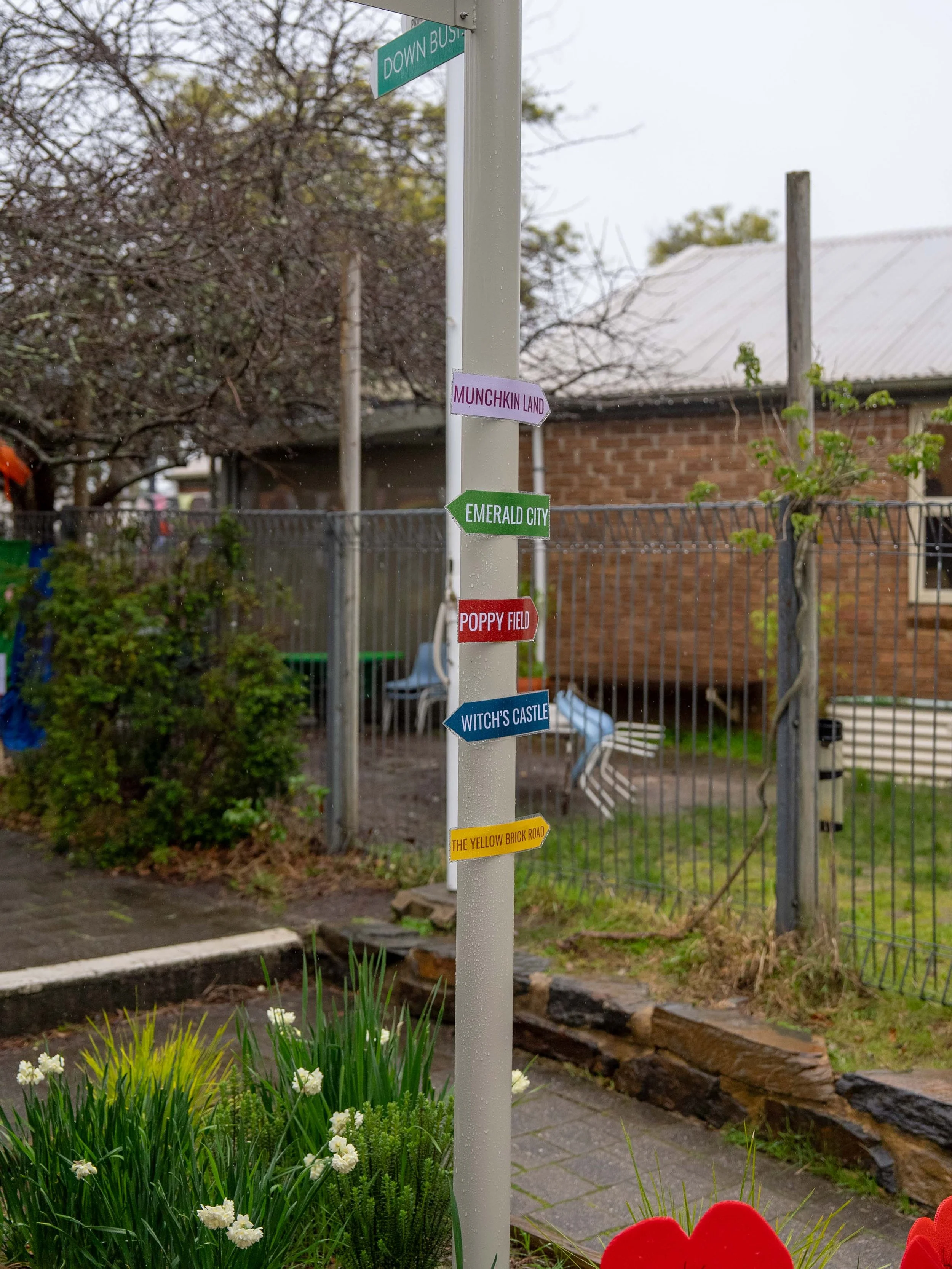
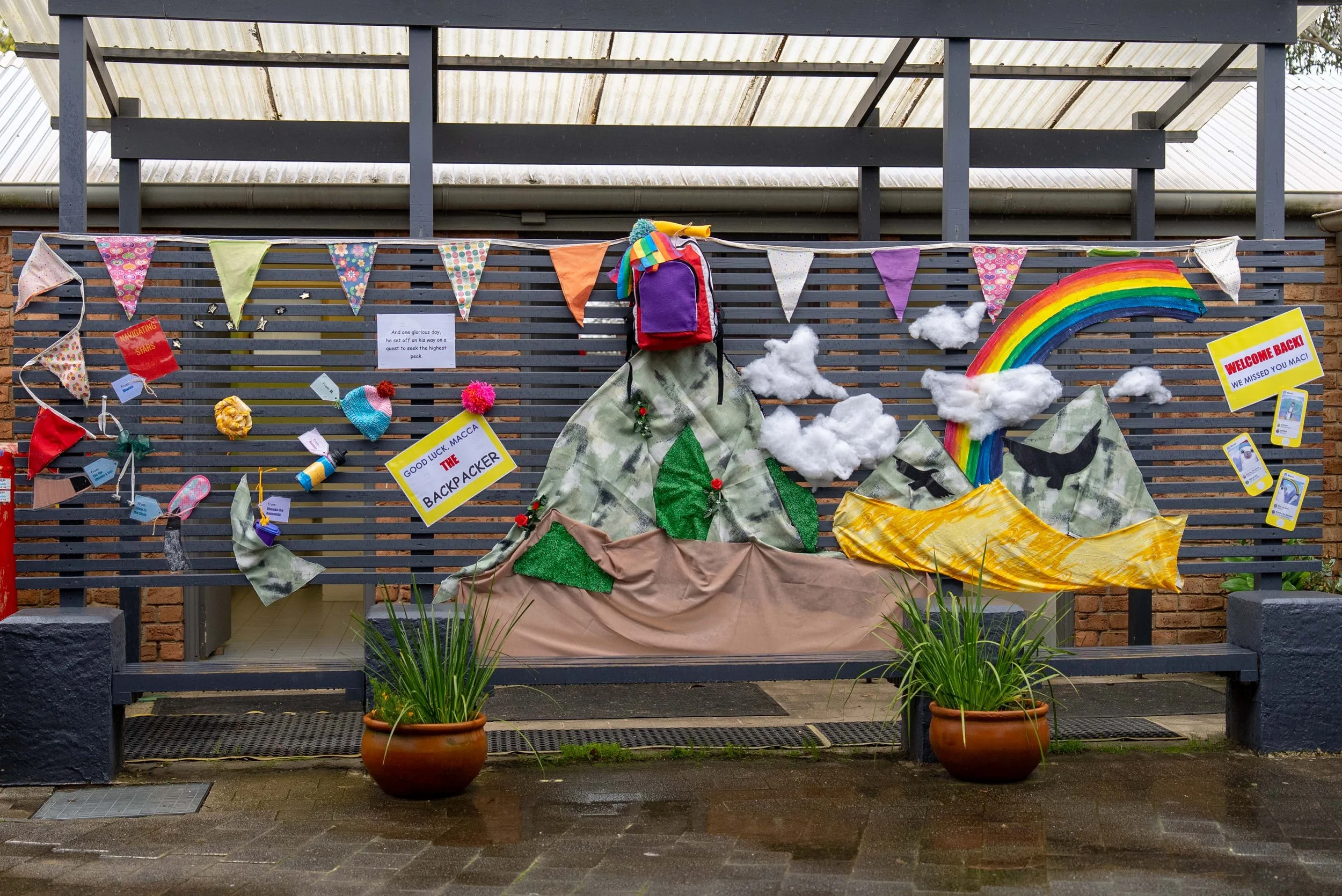
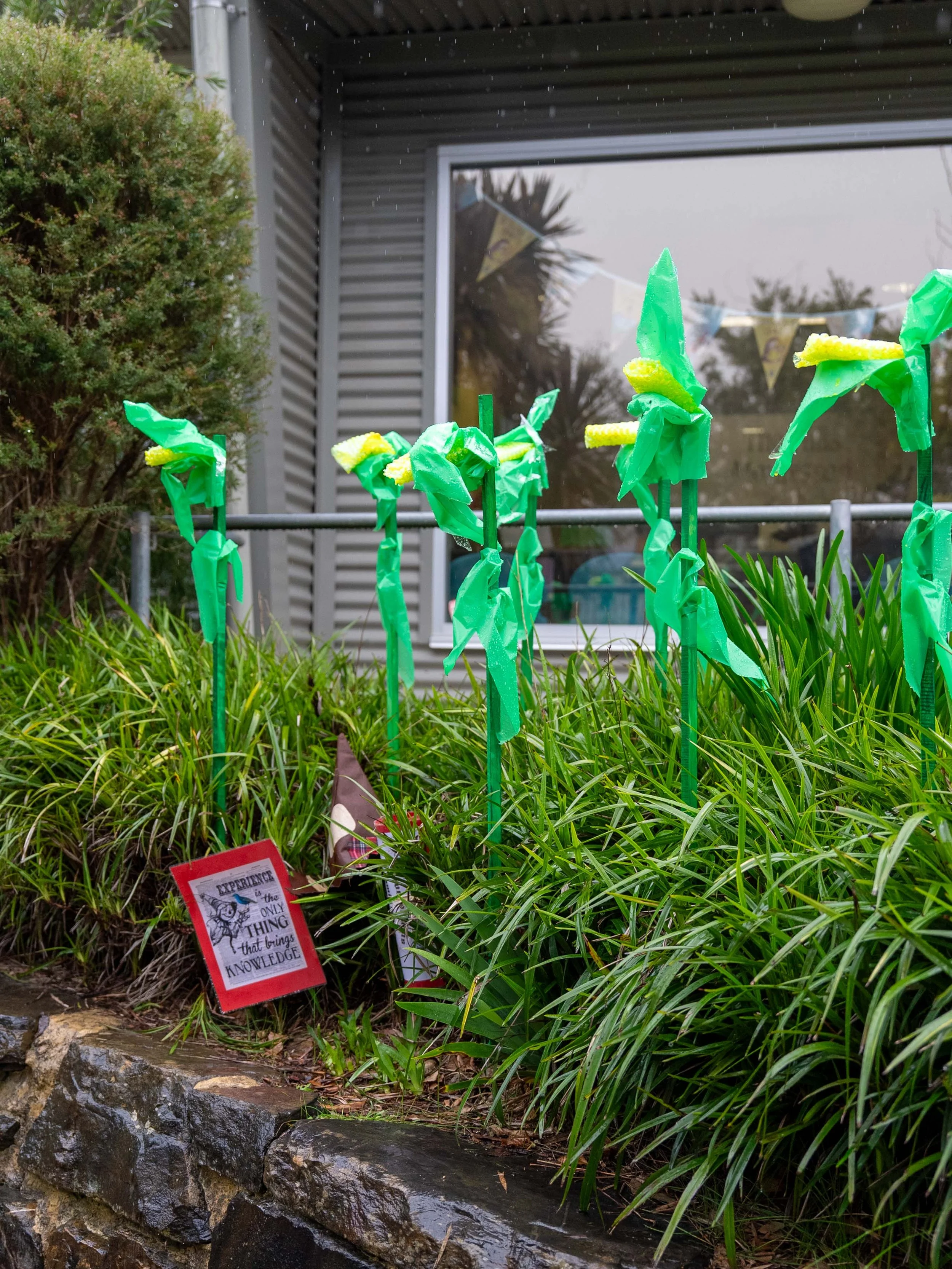
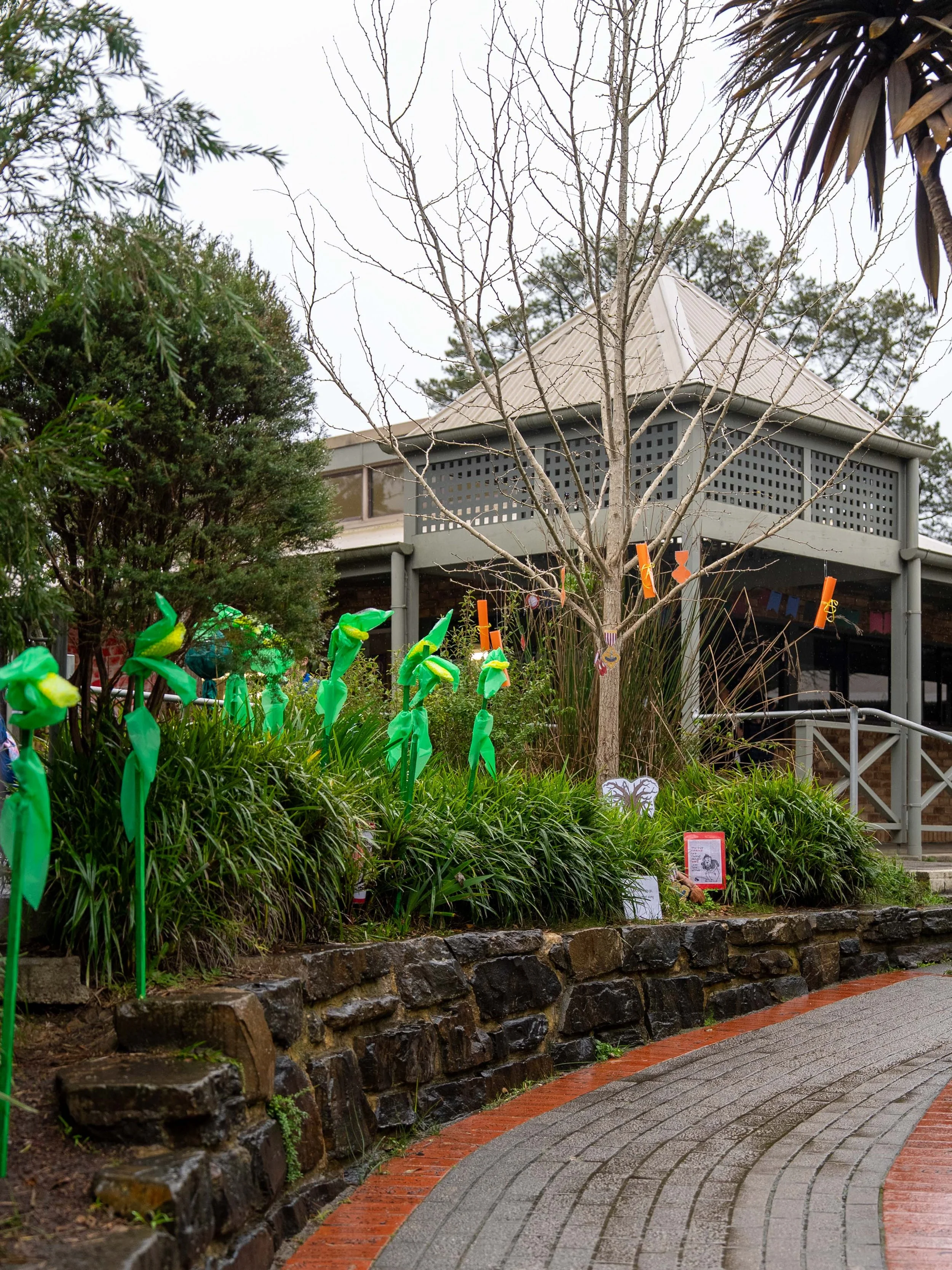
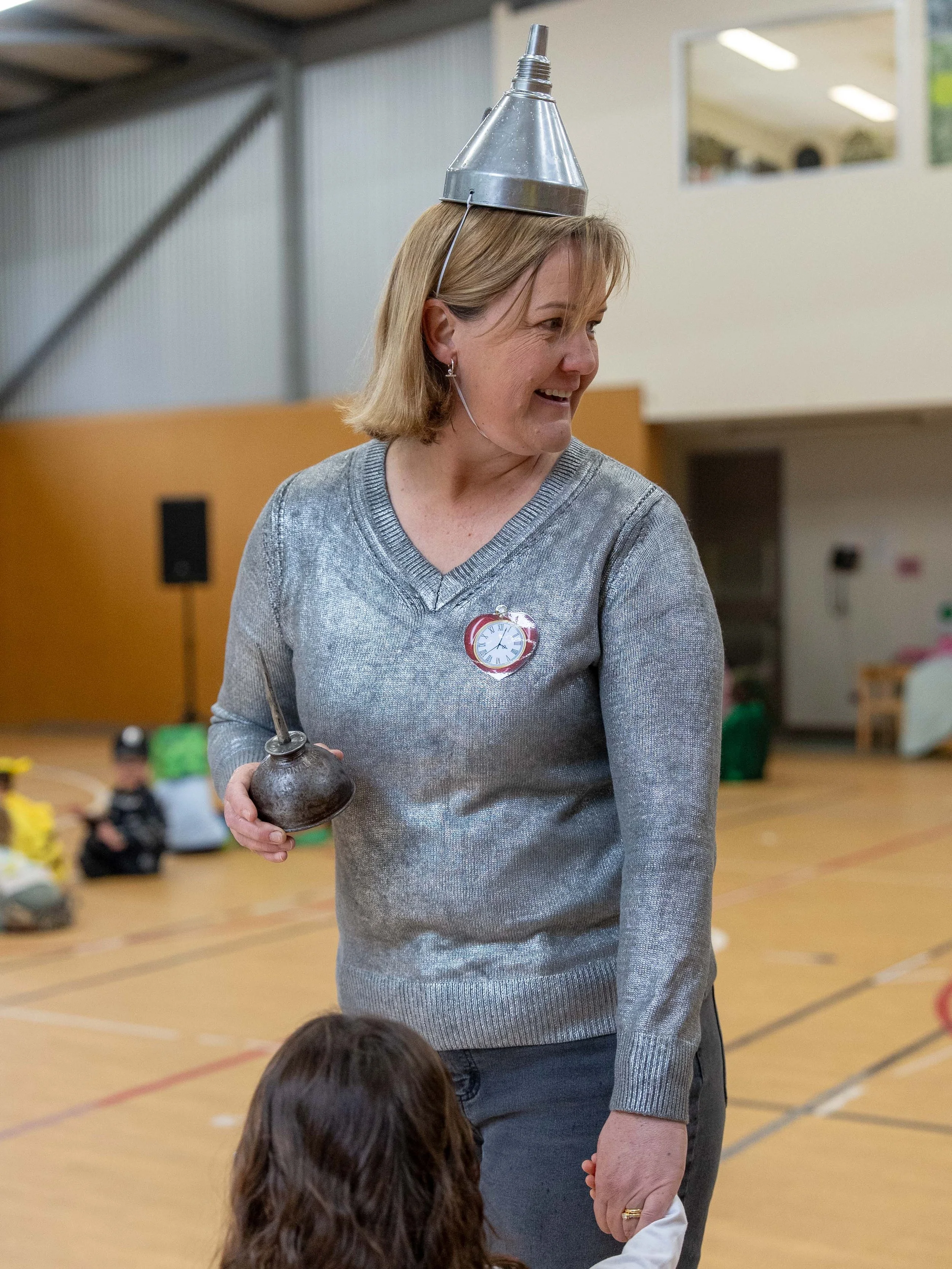
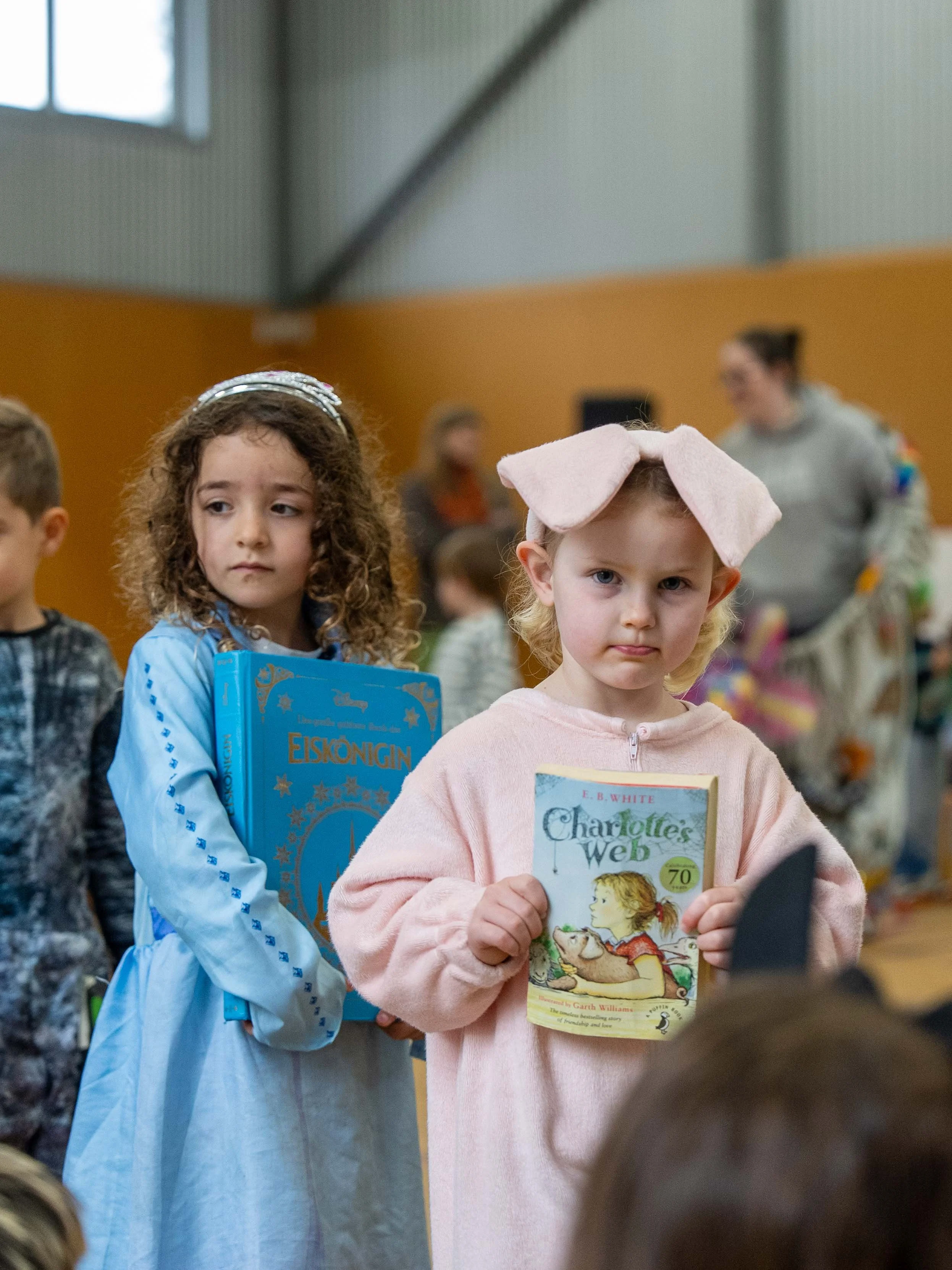
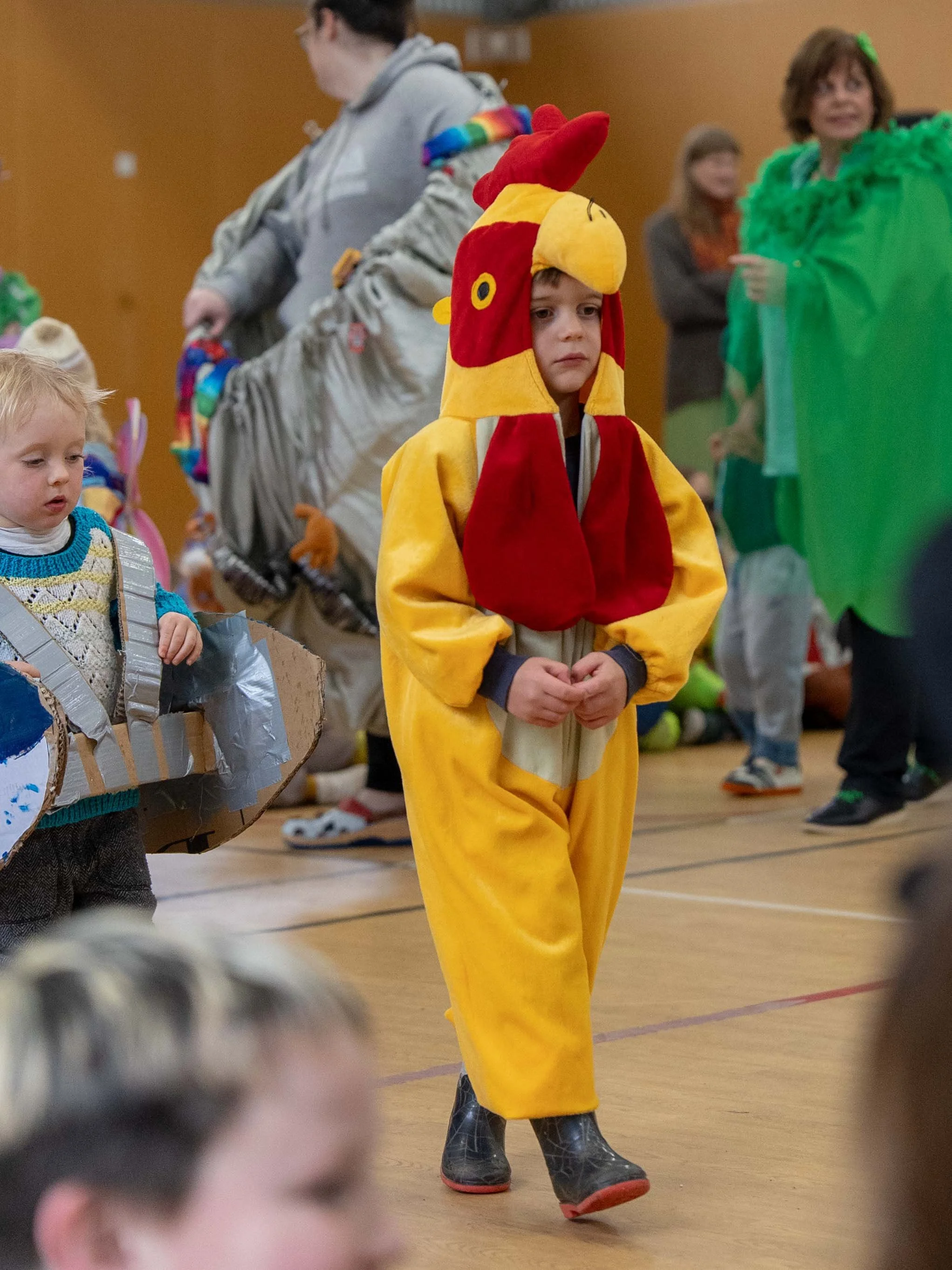
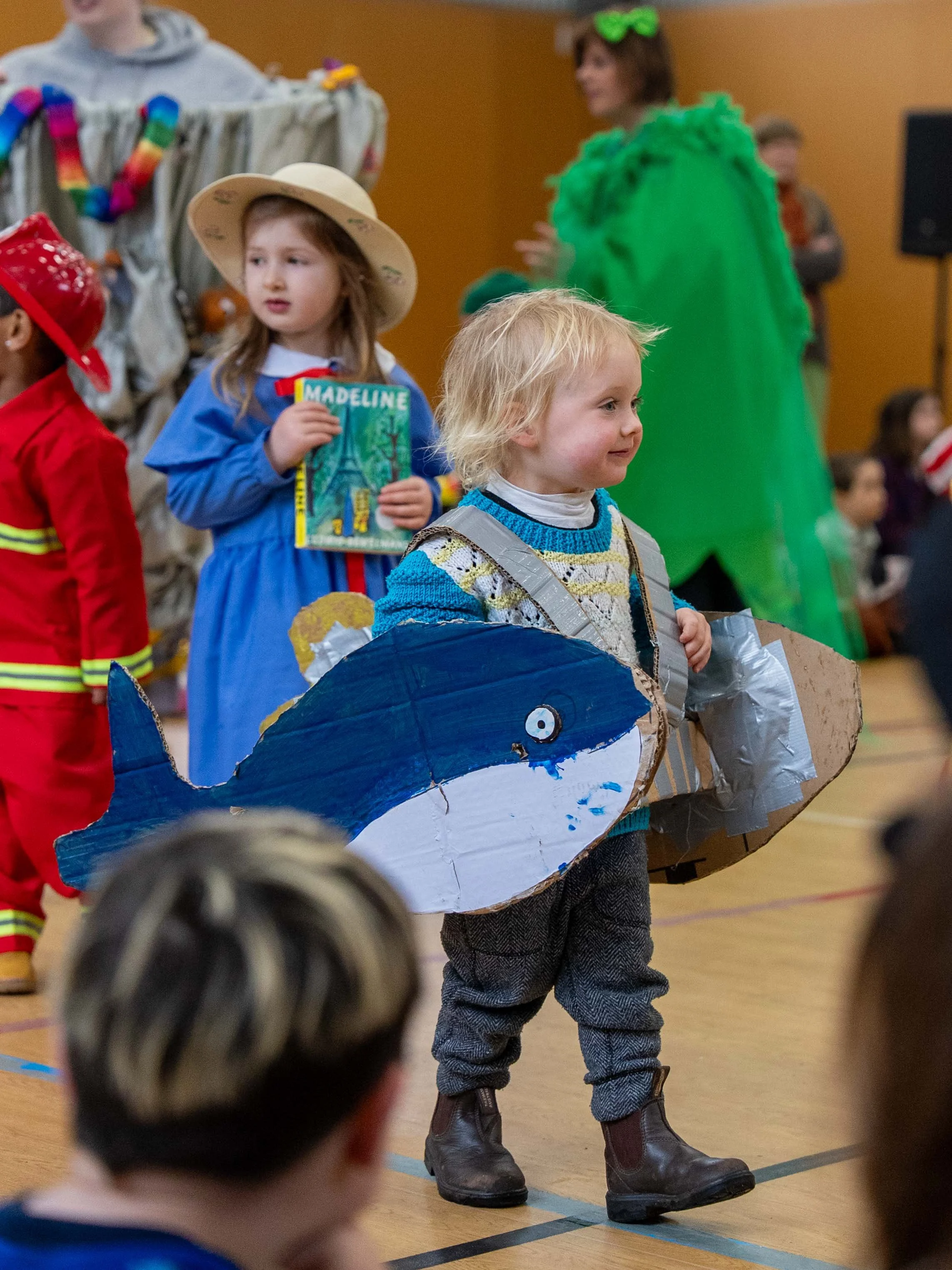
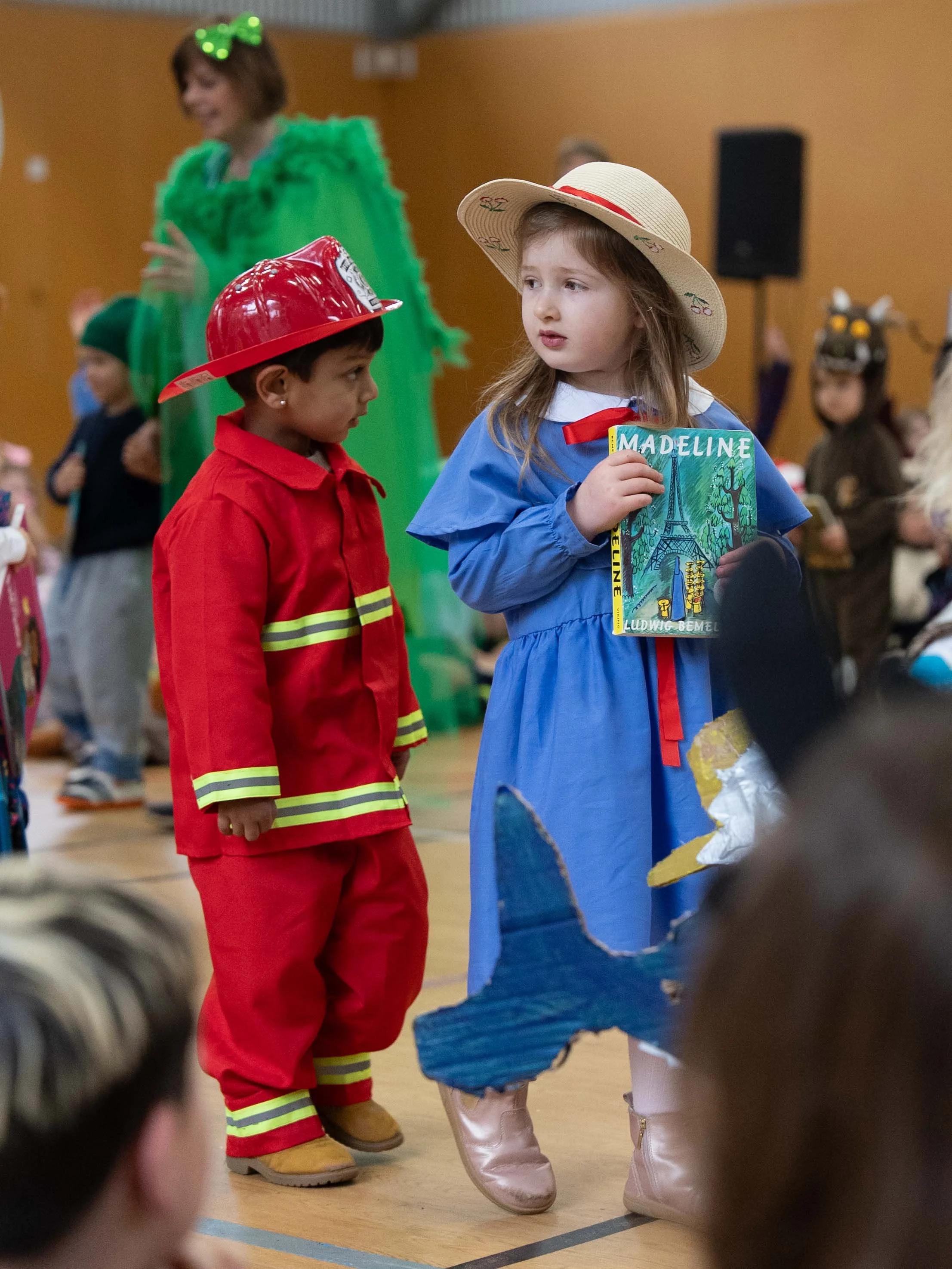
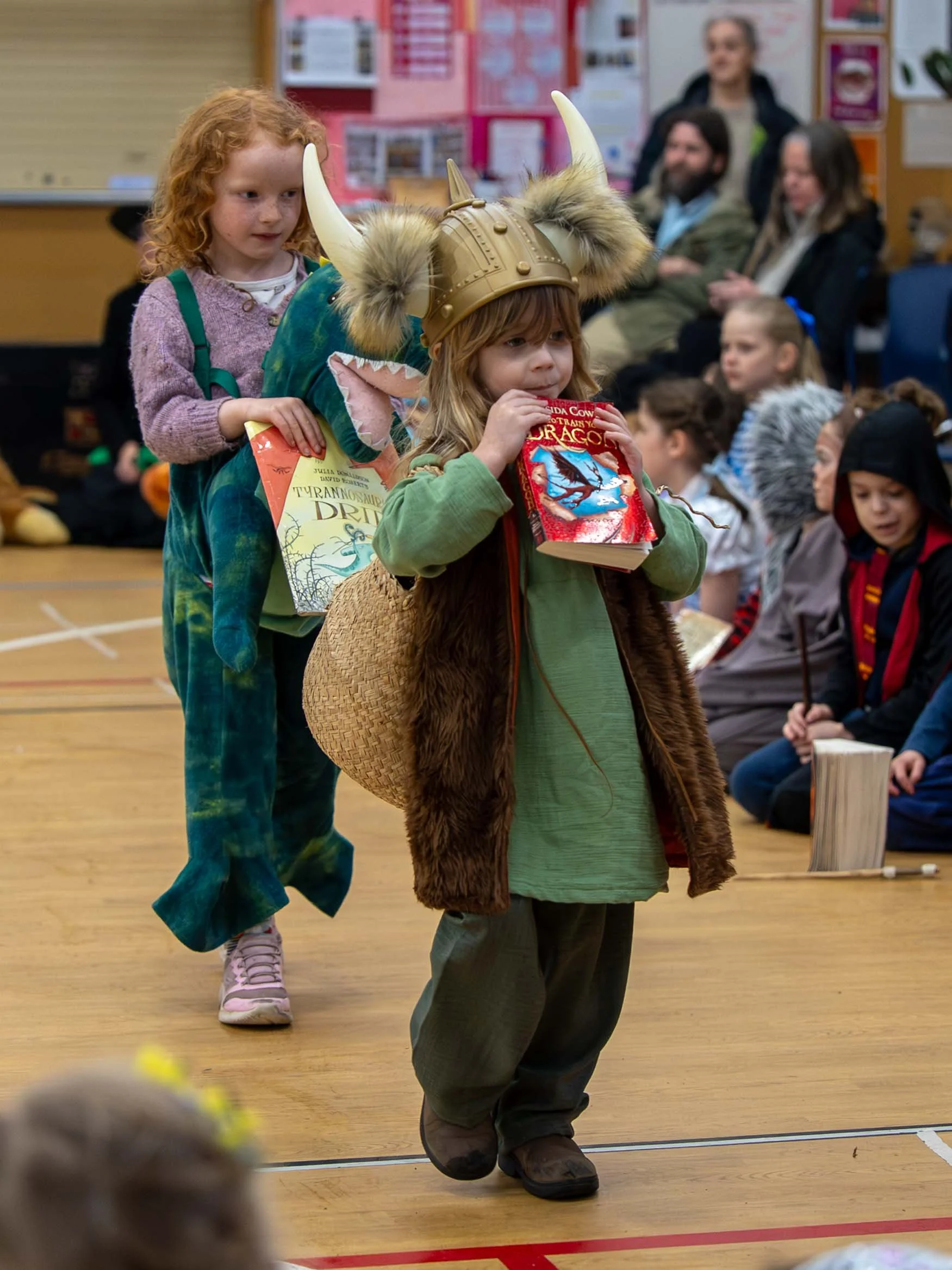
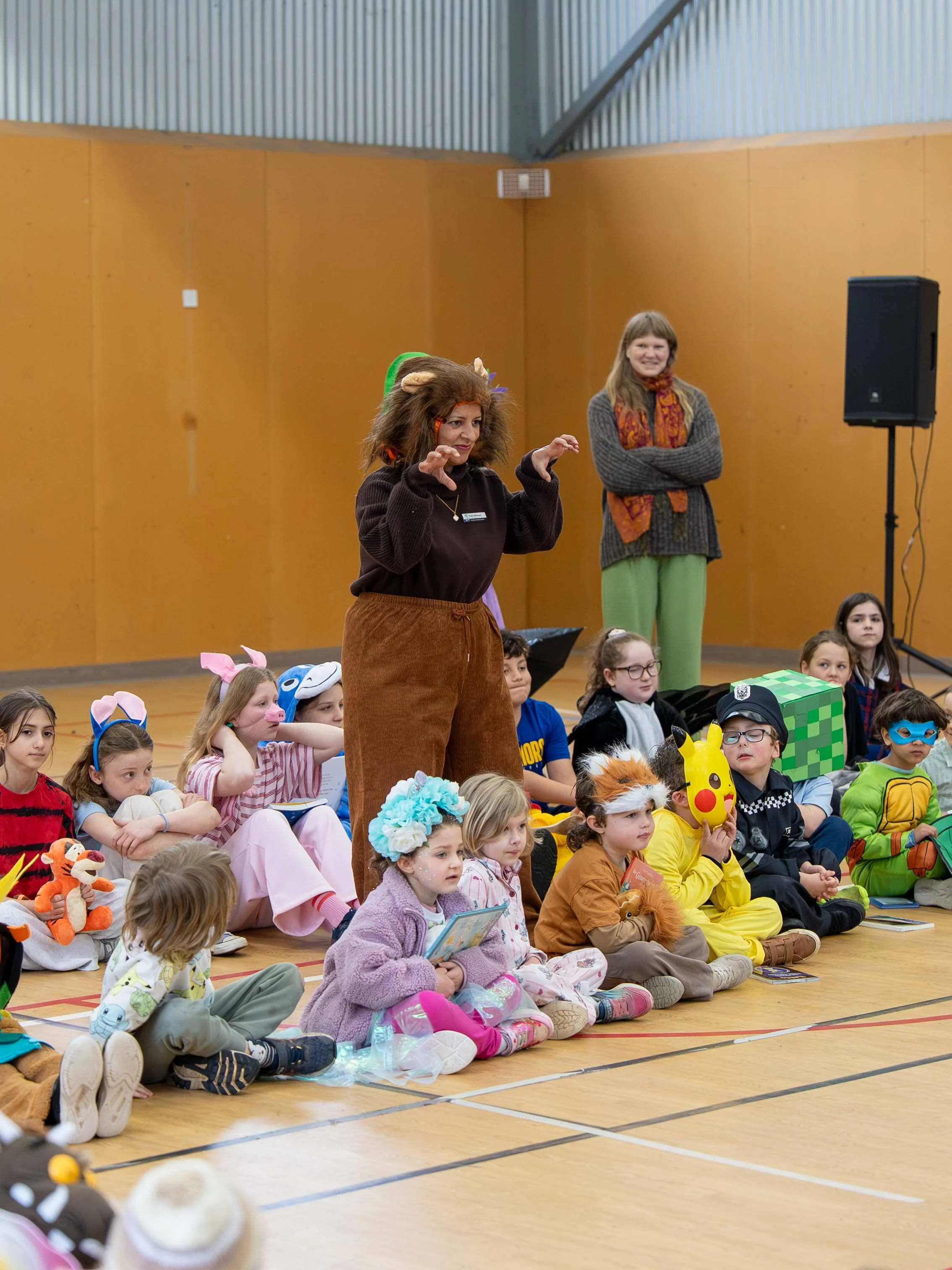
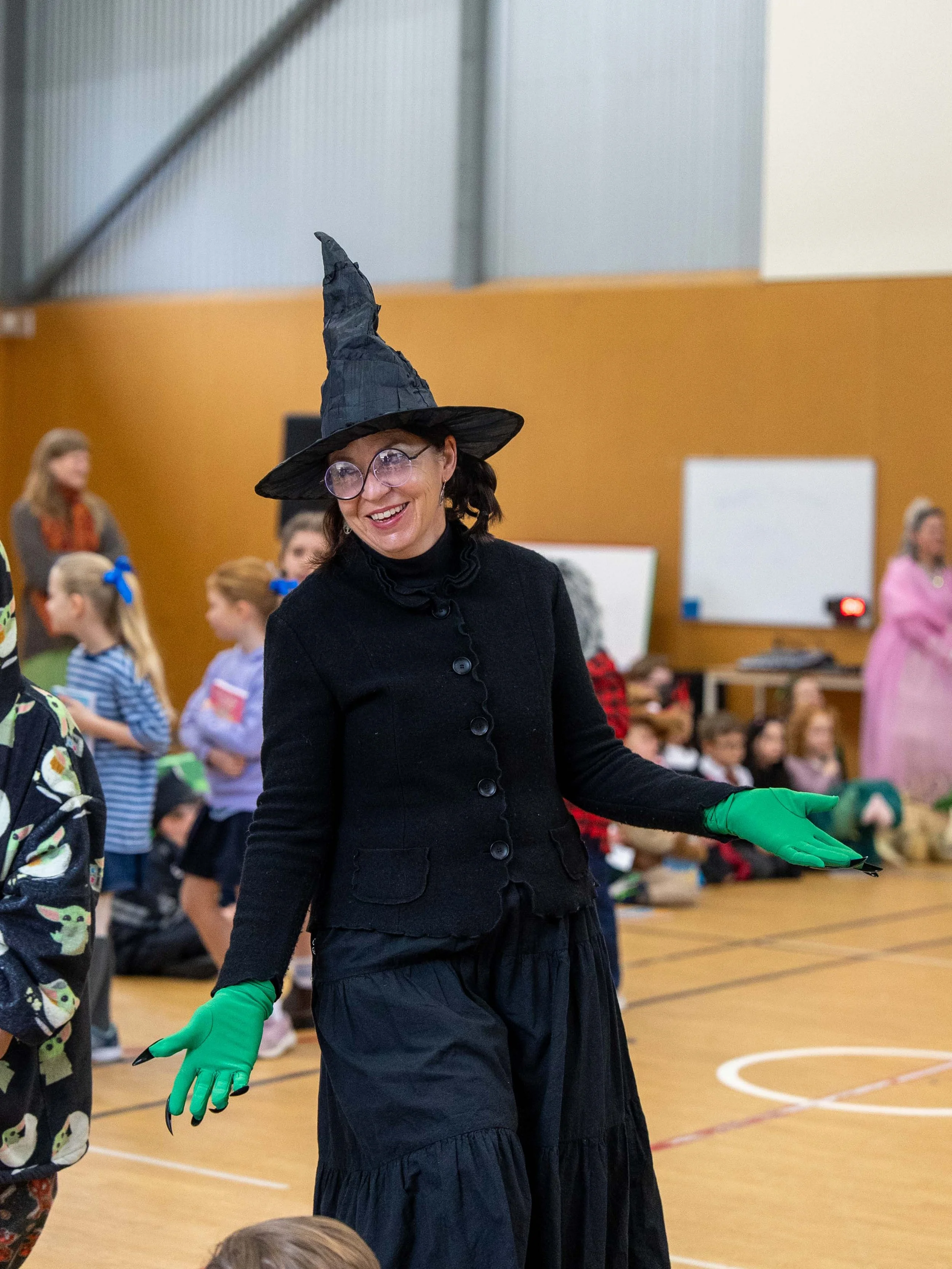
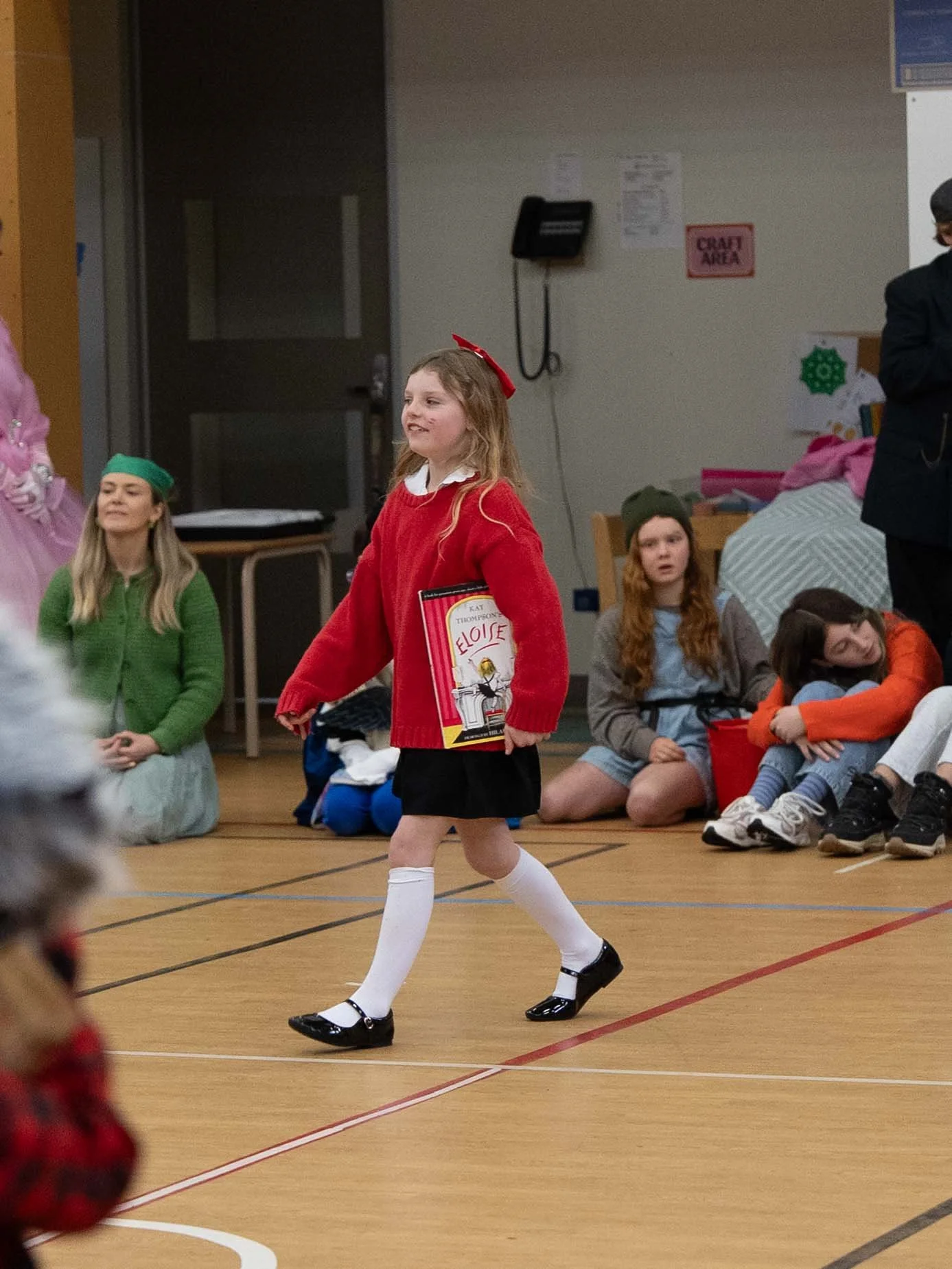
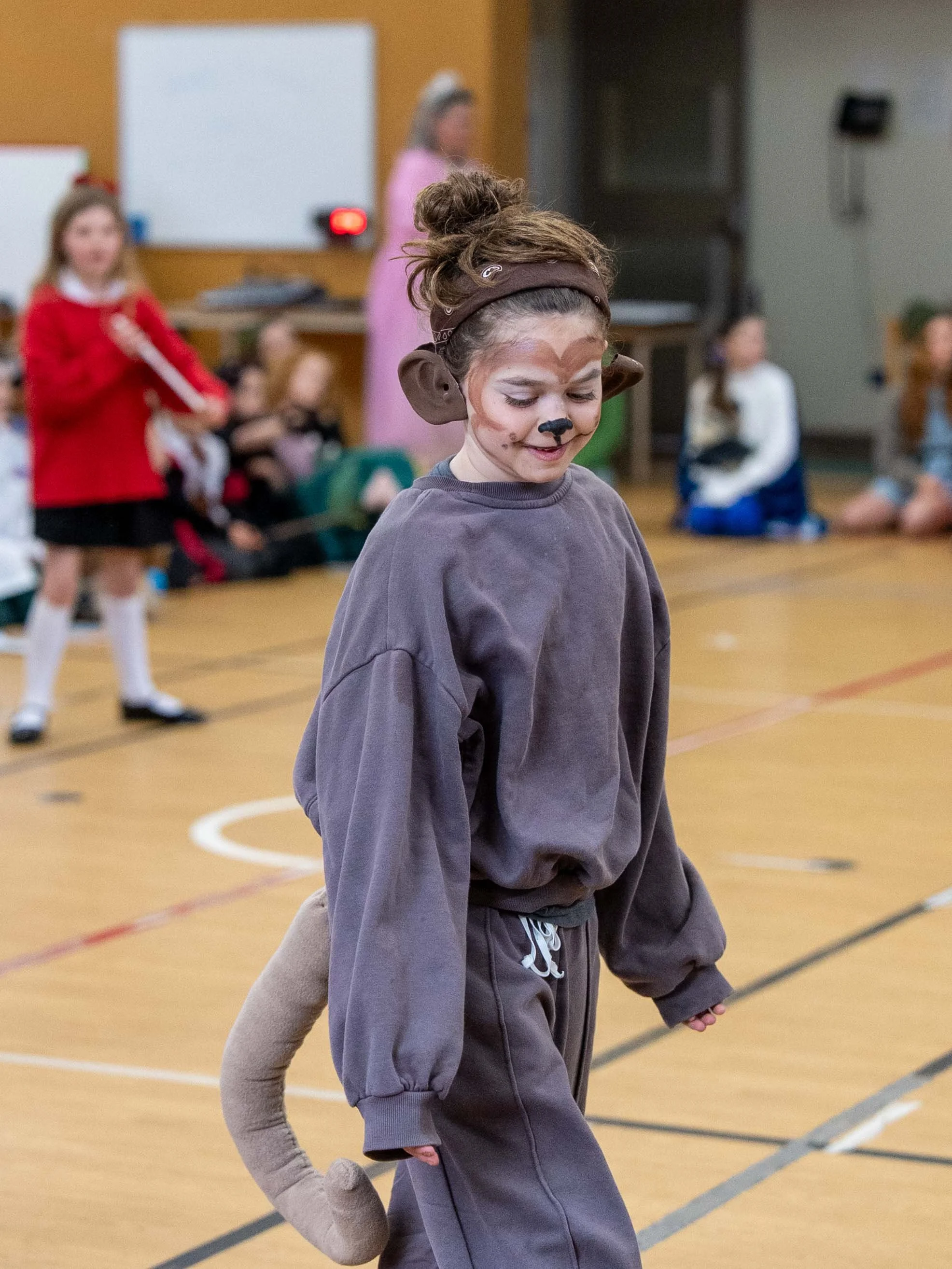
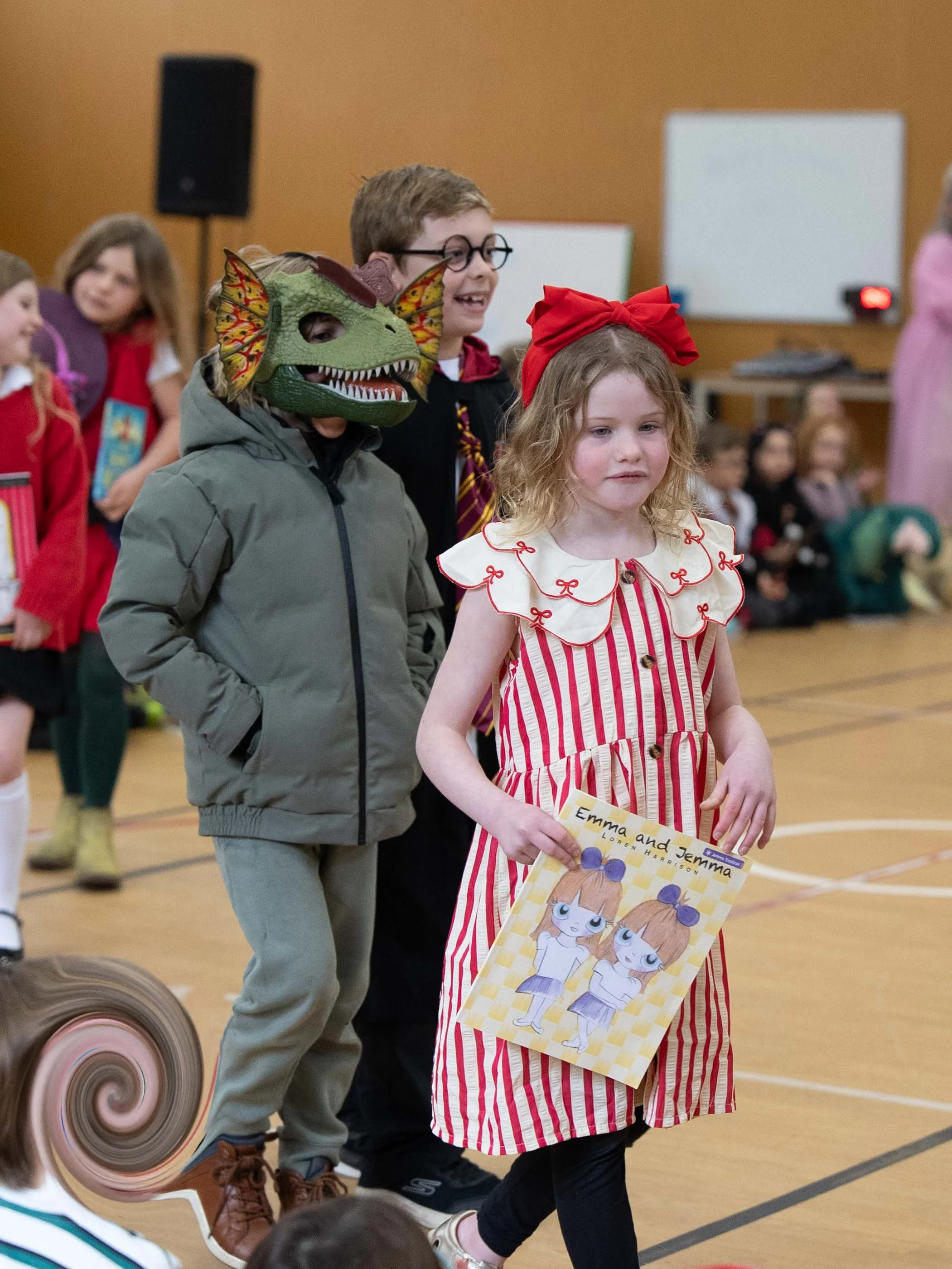
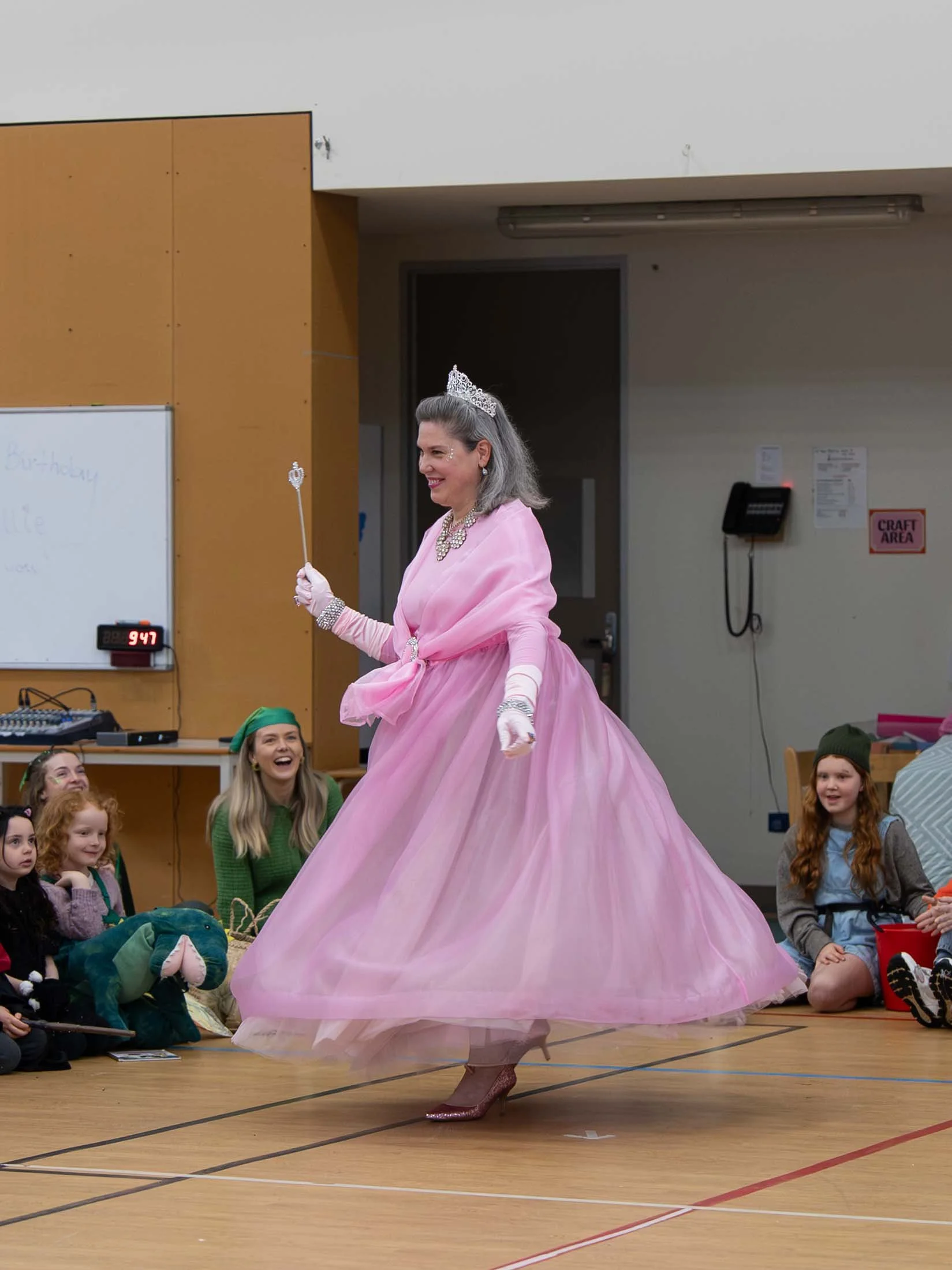
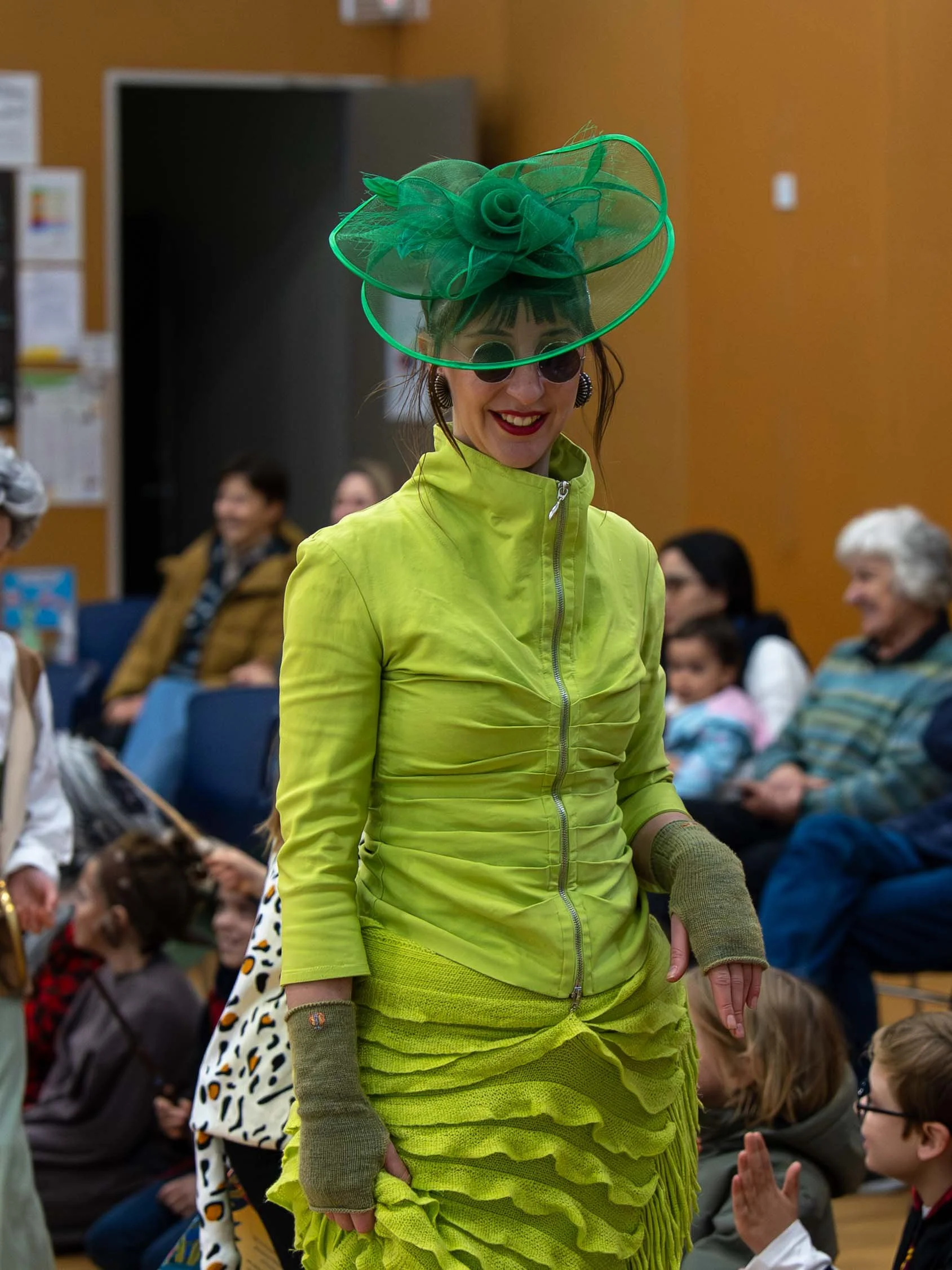
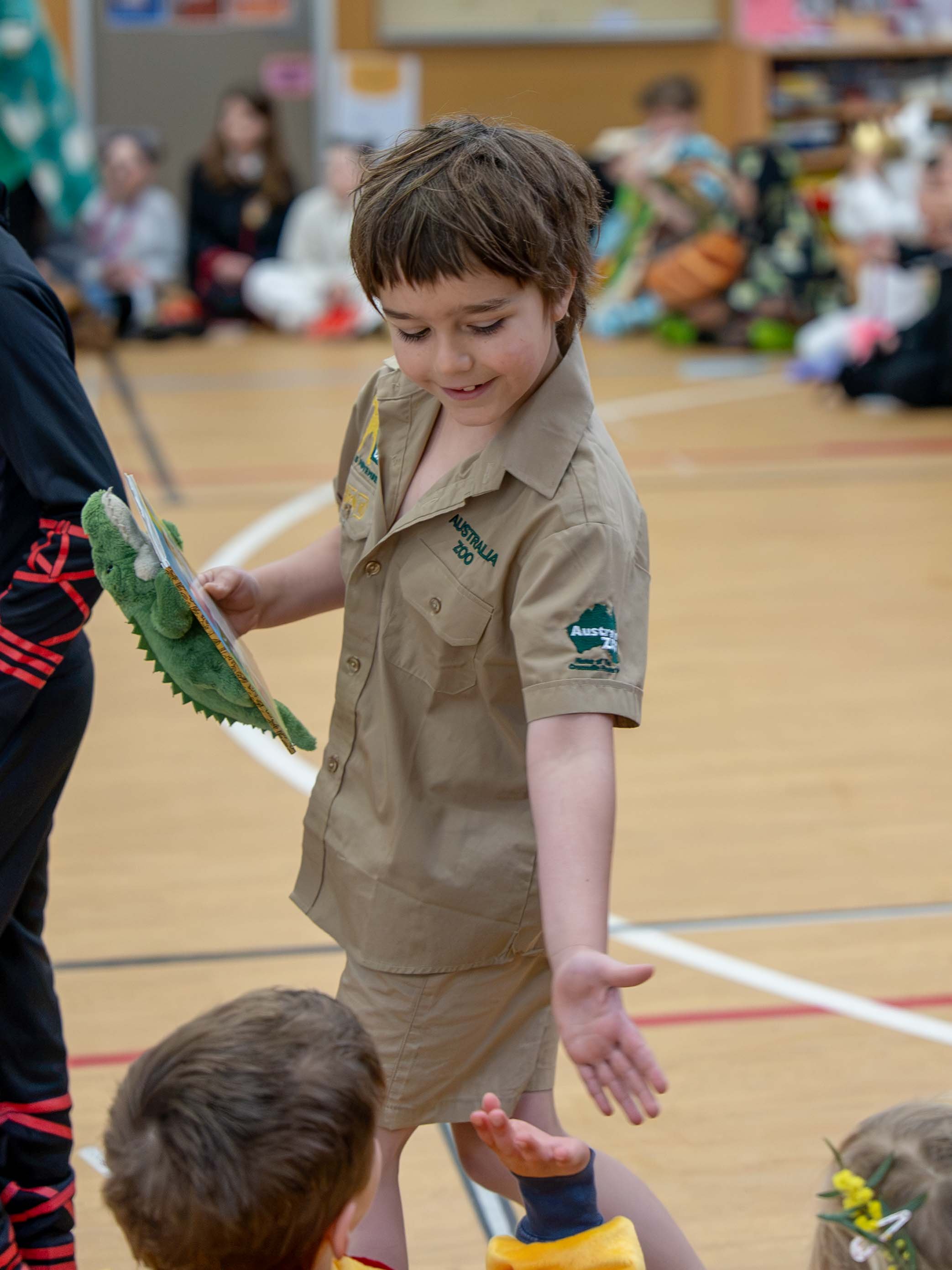
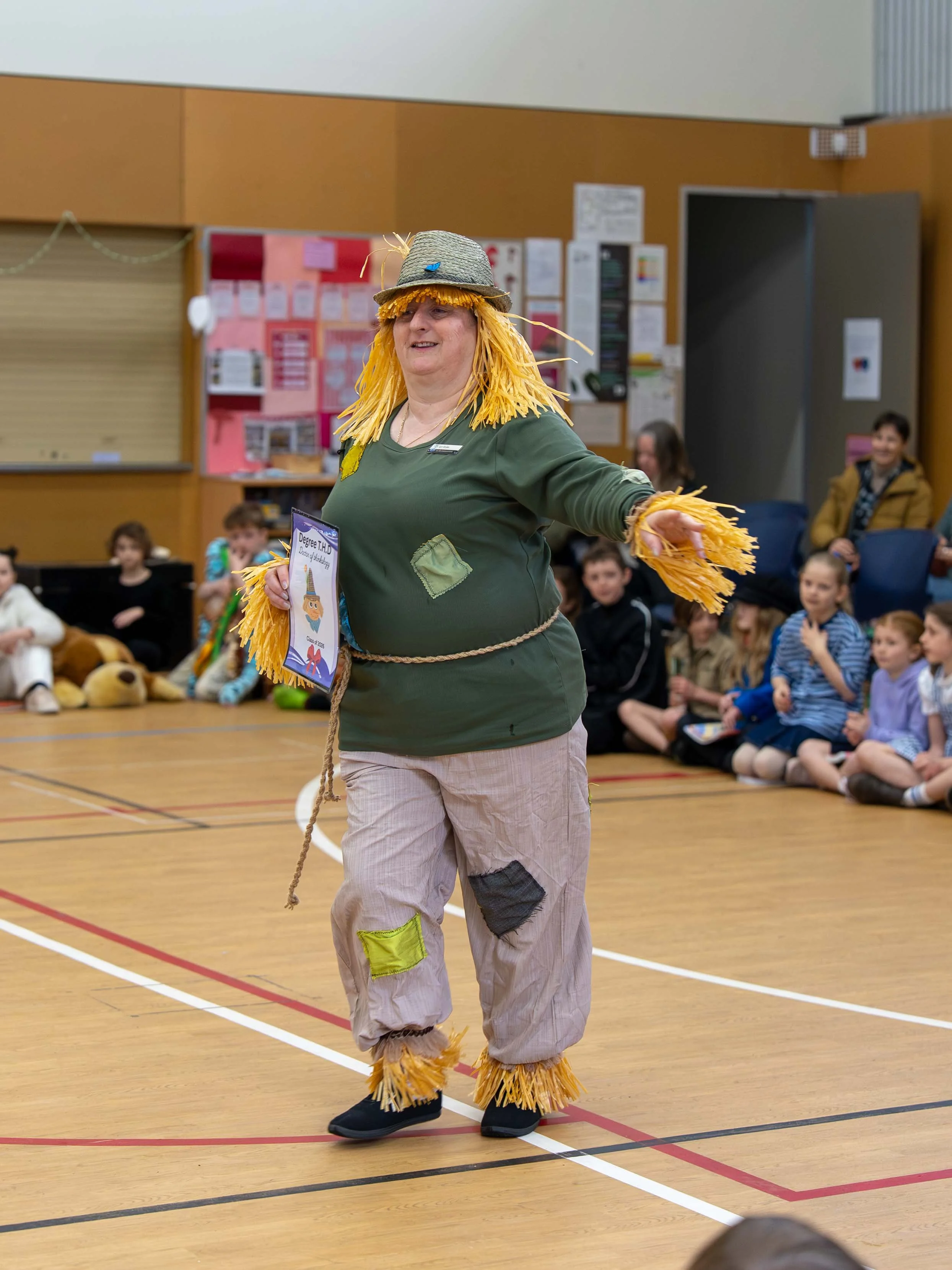
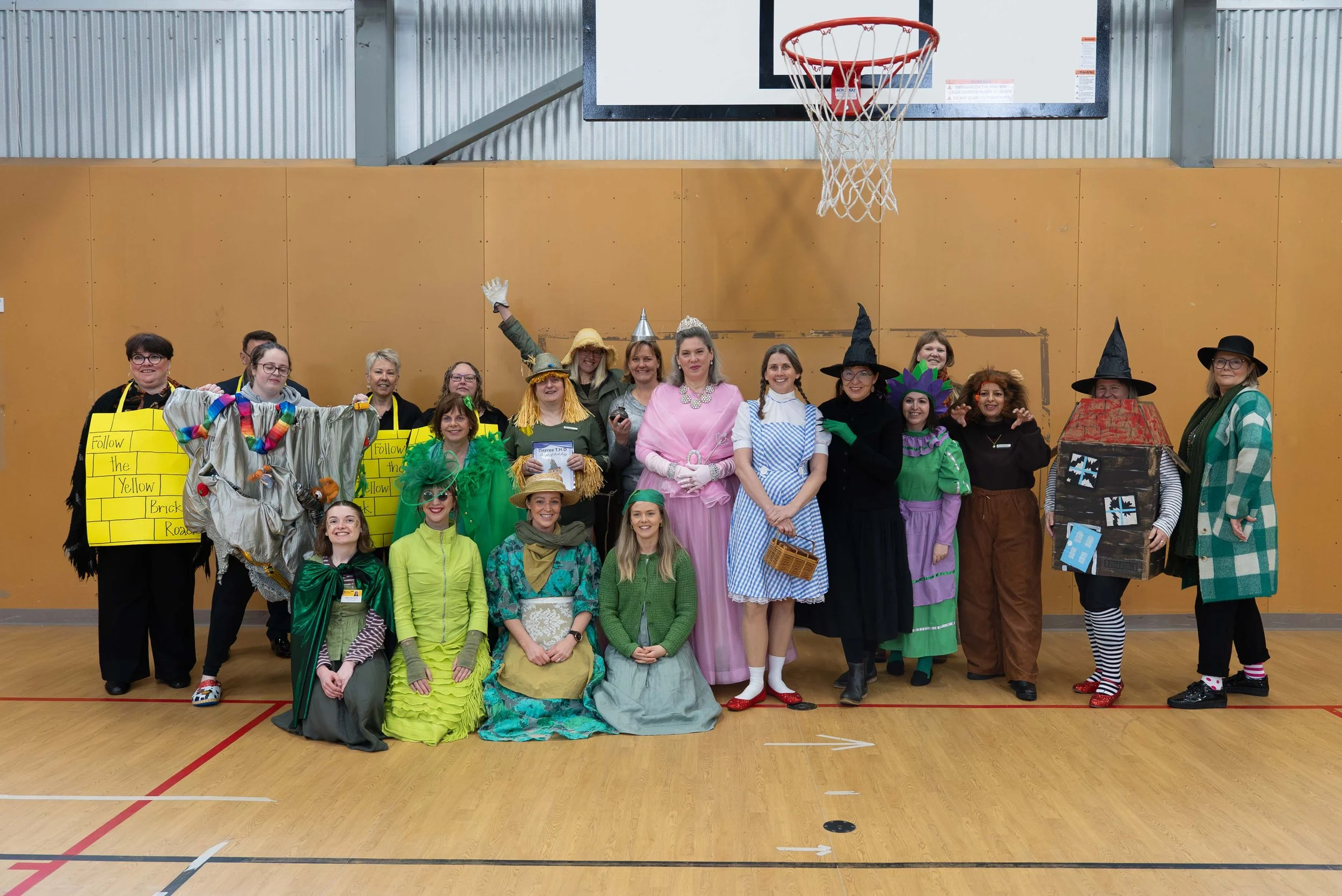
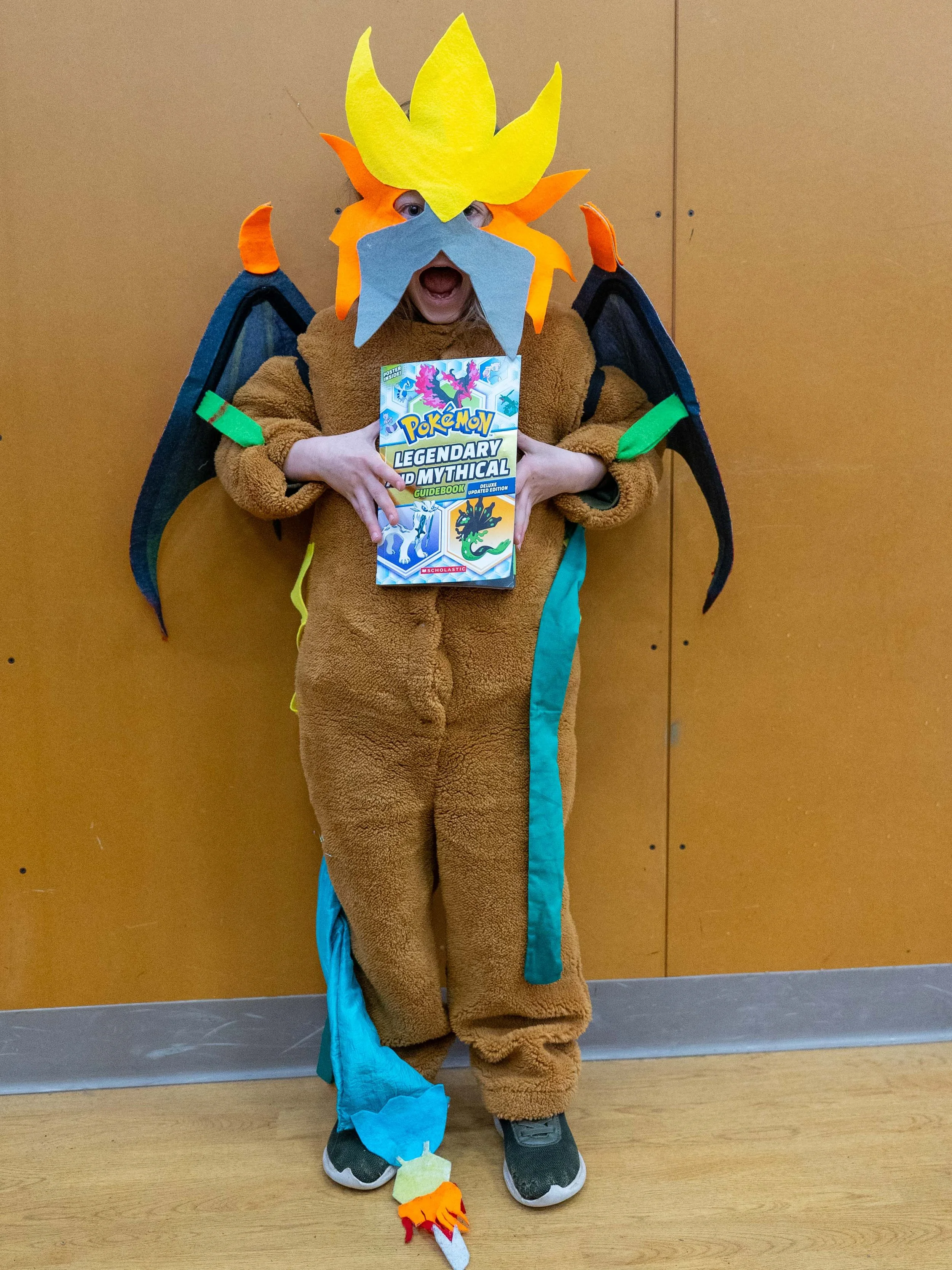
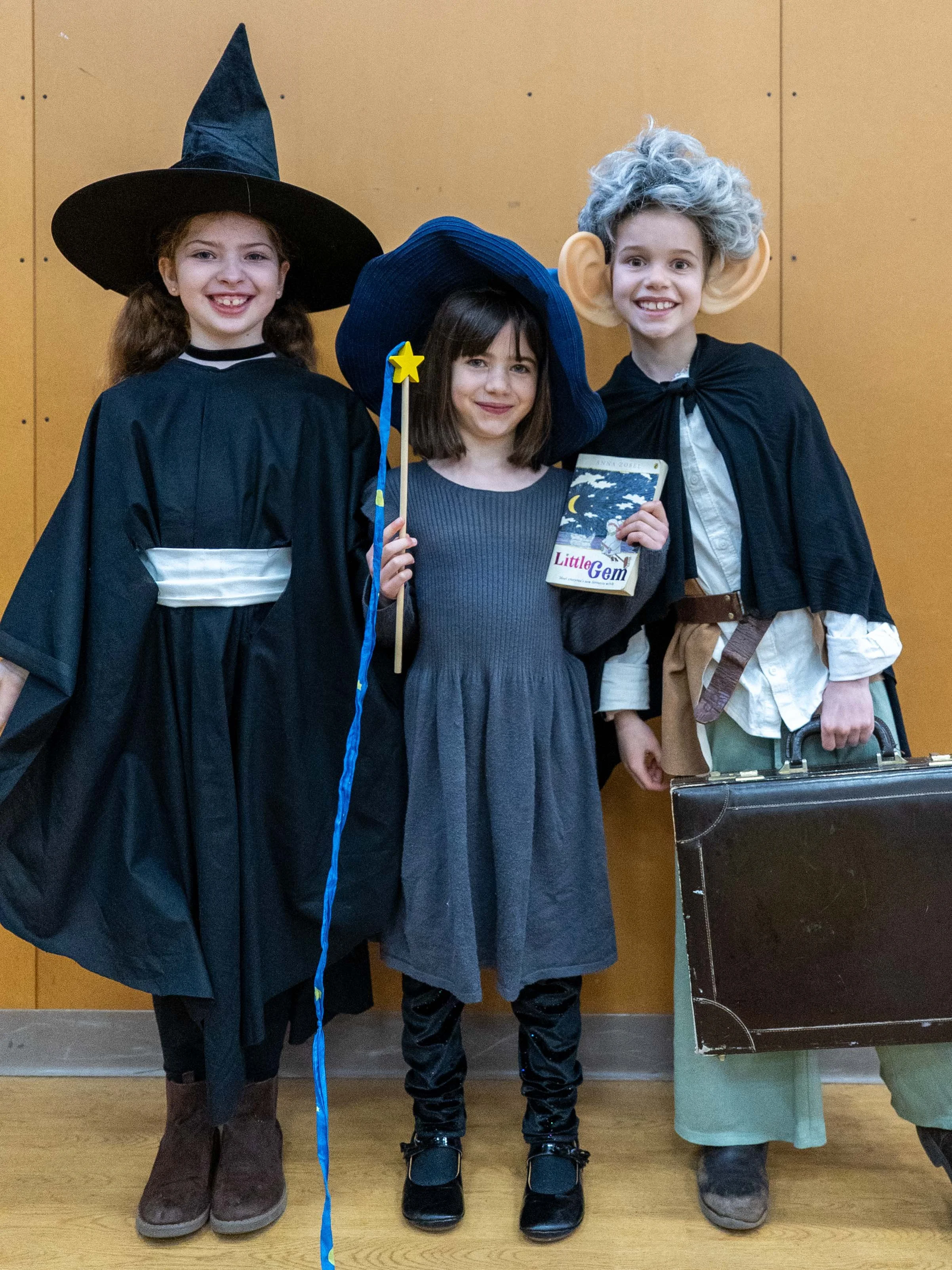
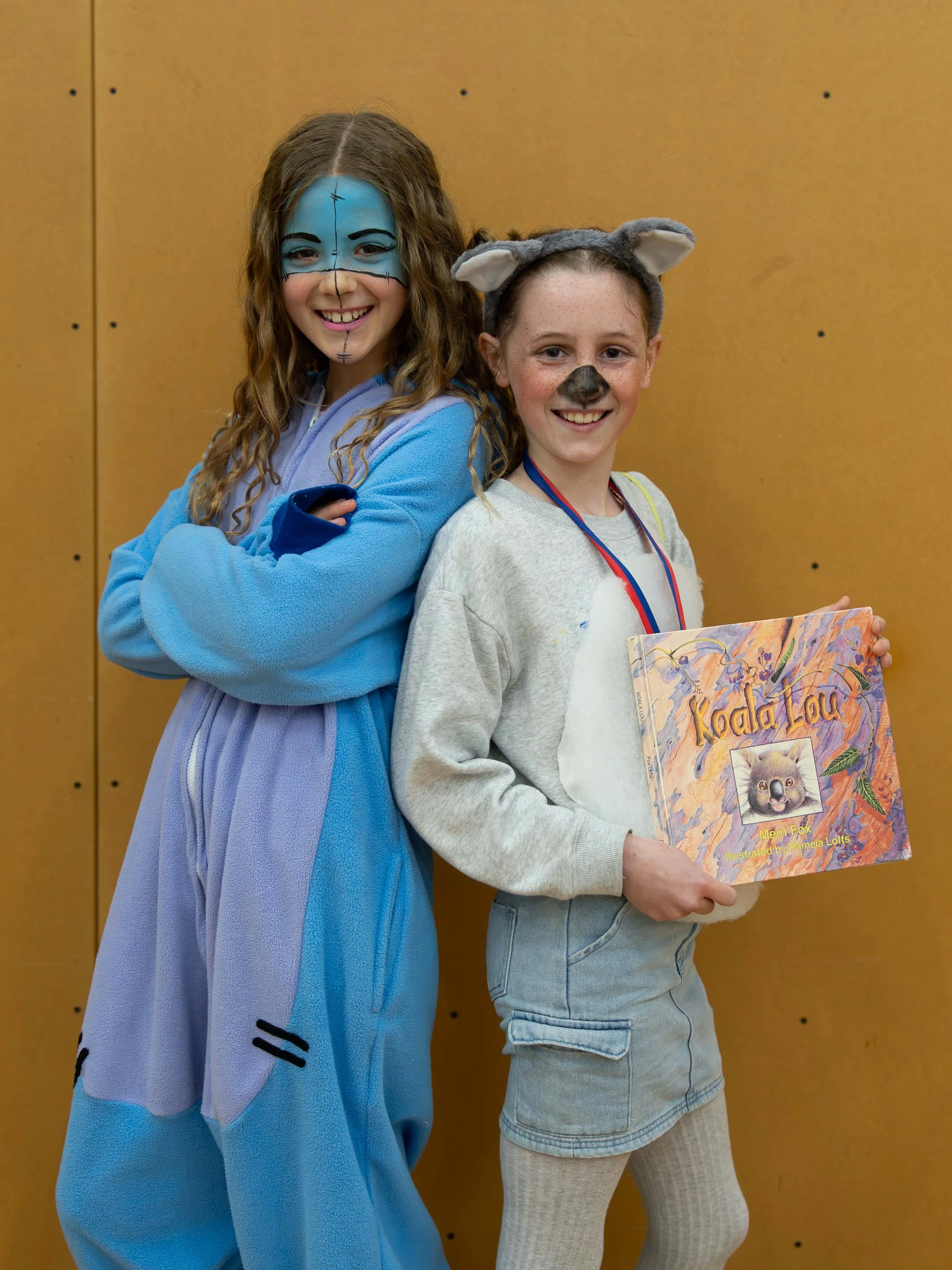
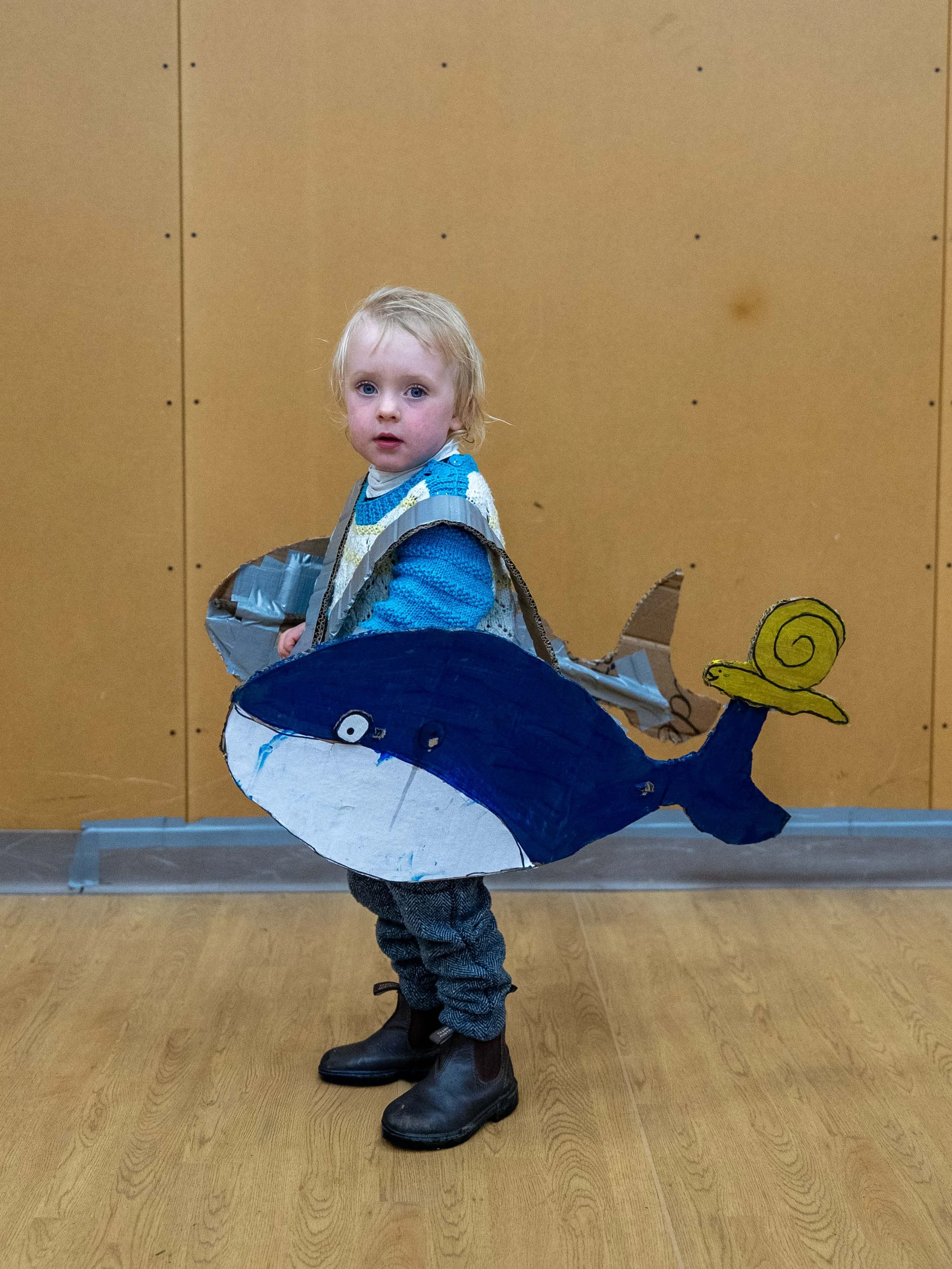
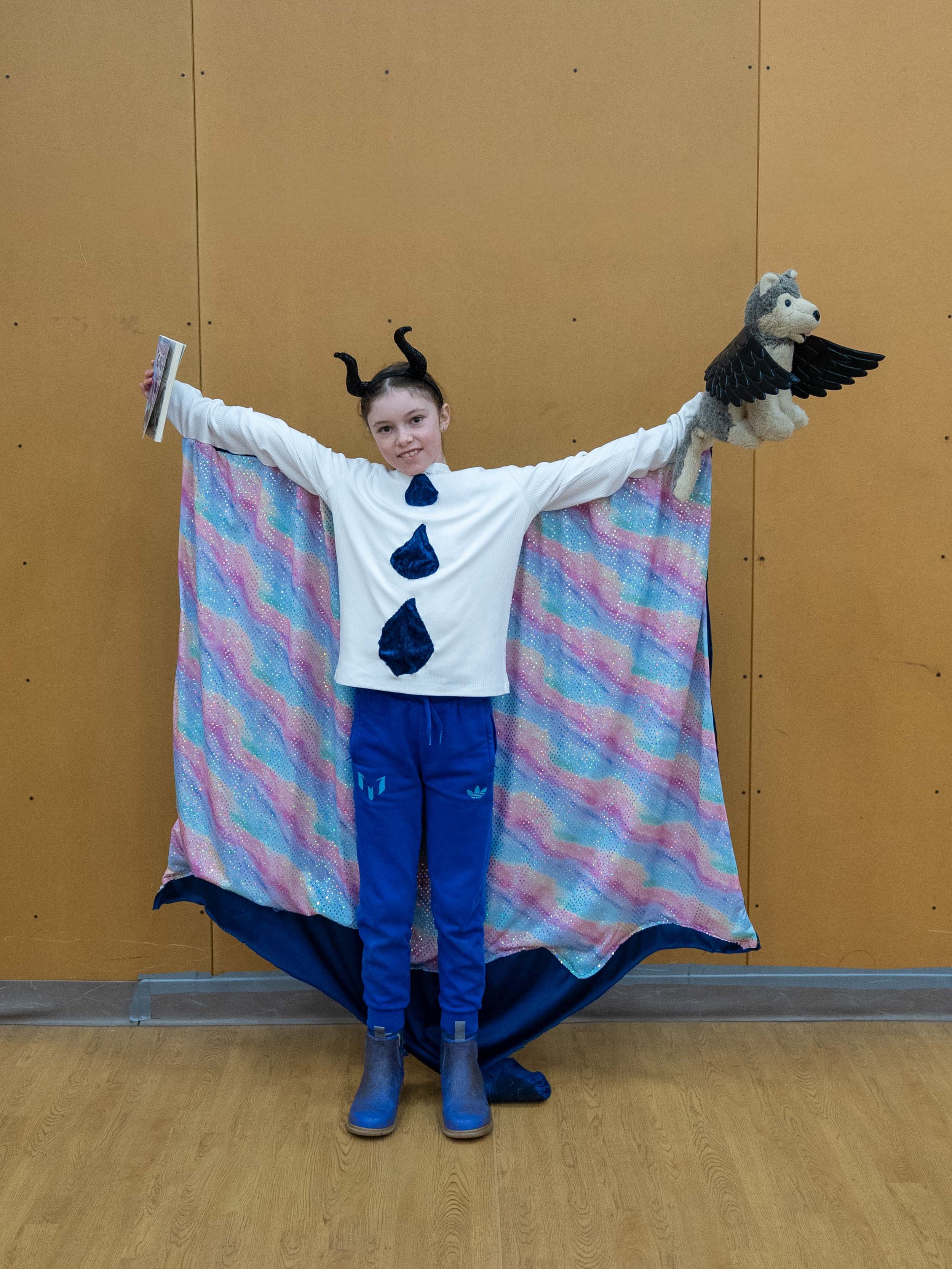
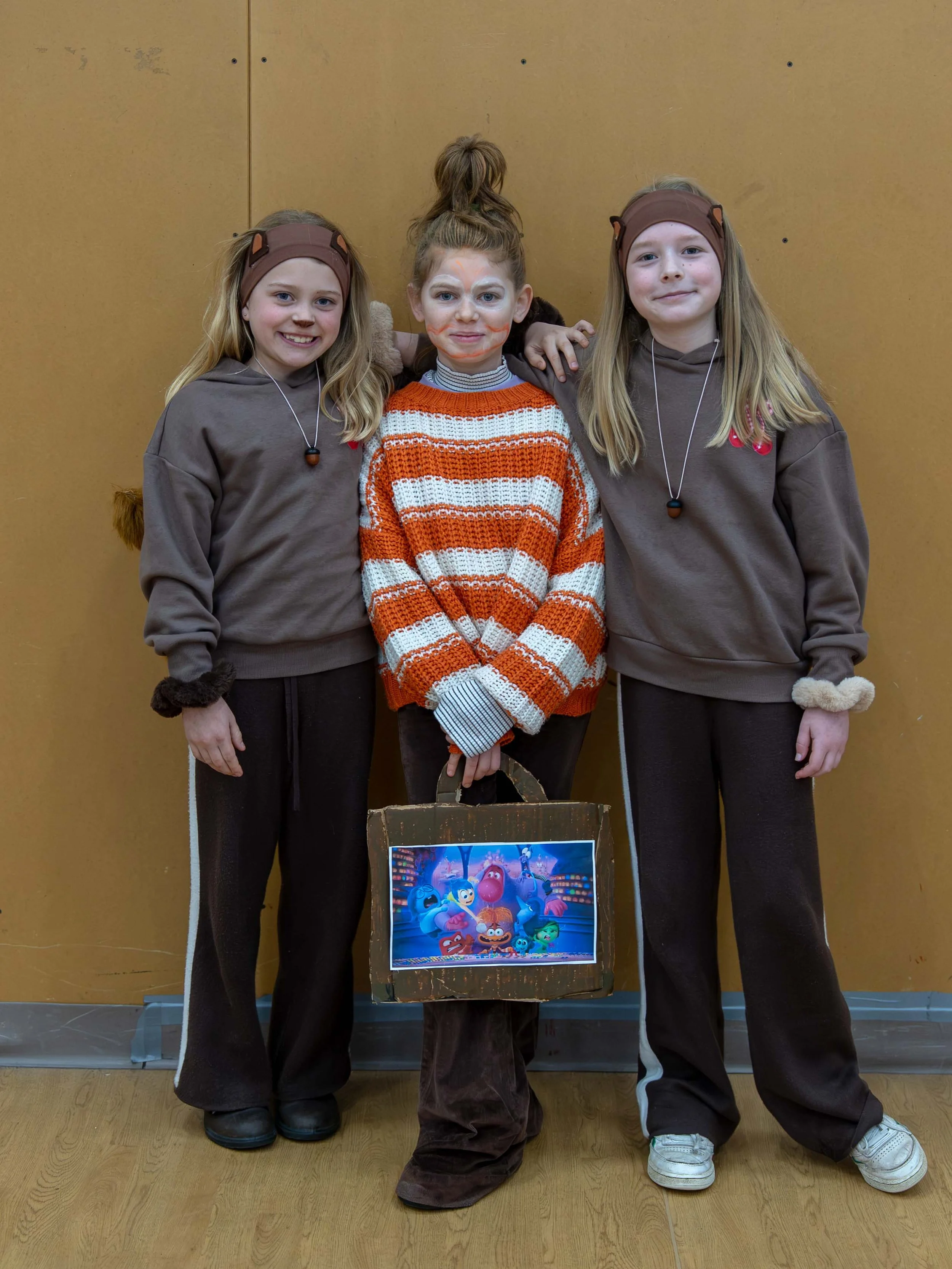
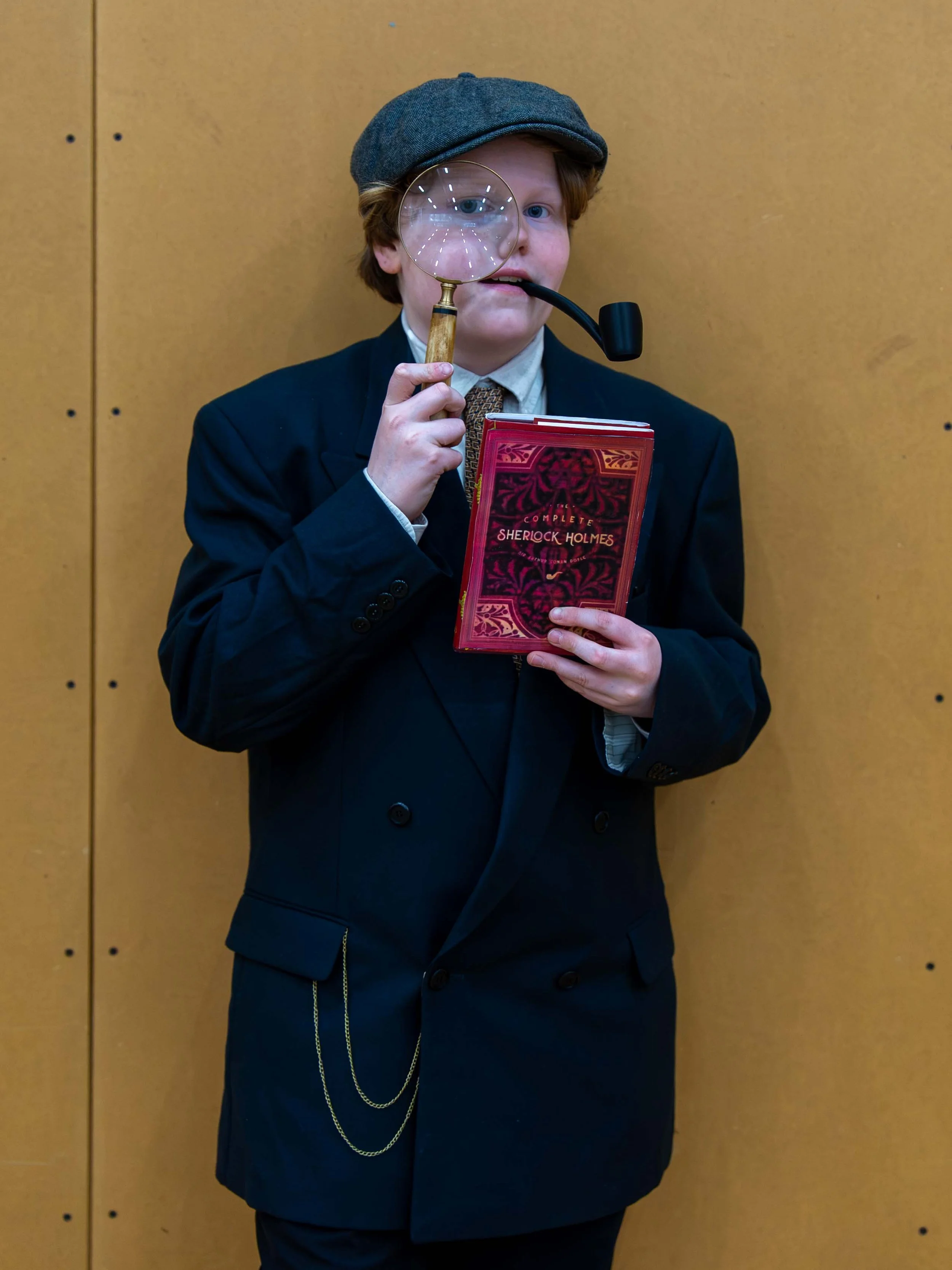
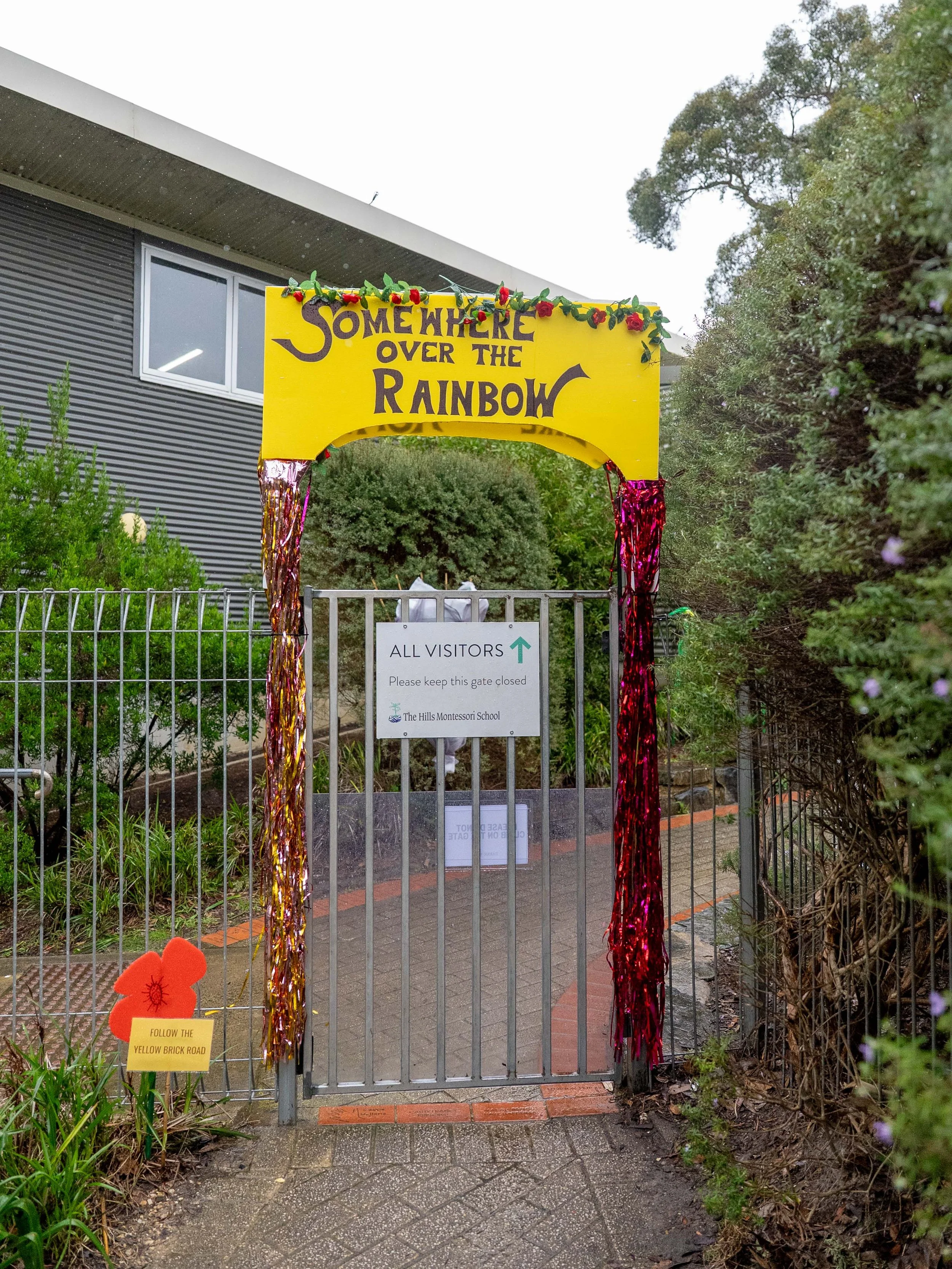
This week has been wonderful to celebrate Book Week and as the 2026 Book Week theme suggests, we celebrated a ‘Symphony of Stories’ at our Yultiwirra Book Week parade on Monday. Students transformed into their favourite book characters bringing stories to life whilst our staff recreated the ‘Wizard of Oz’, embodying all of the favourite characters.
A long held favourite tradition has seen staff from across the school, including teachers, assistants and admin, reading their favourite picture books with students after lunch, fostering the love of books.
We are truly grateful to Lisa Goodwin and her merry band of staff and parents who created such clever and beautiful Book Week installations across the Yultiwirra Campus. We very much appreciate the time, effort and creativity that goes into preparing these installations. Walking through the gate every year at the start of Book Week is a delight, as children see some of their favourite books come to life! I encourage parents to take a tour around and see if you can pick the book each installation is representing!
Reading can be such a source of joy and it’s so important that we instil a lifelong love of reading in our students from an early age. Reading helps children develop their imagination, creativity and curiosity while opening the door to new ideas, people, places and experiences.
Let’s celebrate Book Week by encouraging every child to uncover a ‘Symphony of Stories’ and inspiring them to explore the wonderful world of books.
Cathy France
Principal

An Update From Our Board
At the Board meeting held on the 18th August the Board participated in an education session with Cathy, as part of our annual Board education program, reviewing and learning about Board Governance and the legal responsibilities Board Members hold as Directors of the school. We also reviewed a number of Finance Policies including Fundraising; Deductible Gift Recipient (DGR) Building Fund Rules; and the Investment Policy. As part of our Risk Management plan the Board reviewed both our Compliance and Governance Risks. Adam Saffin, Chair of our Infrastructure and Planning Committee gave an overview of recent developments and improvements to students' spaces such as the reopening of the 'Wooden Playground'. We also welcomed Shannon Jansen, who has recently joined our Board and will no doubt add a huge amount of value and insight in the years ahead.
Brad Symes
Community Lottery
Fundraising Opportunity
Support our school while giving yourself the chance to win! We're once again taking part in the People First Community Lottery, with 100% of every $2 ticket sold going directly to our school. Our goal is to raise $1,500 to support improvements at both Yultiwirra and Wairoa.
There are 41 prizes to be won, with a total prize pool of more than $300,000.
Yultiwirra
Maria Montessori’s Assembly
Monday 31 August, 12:00pm
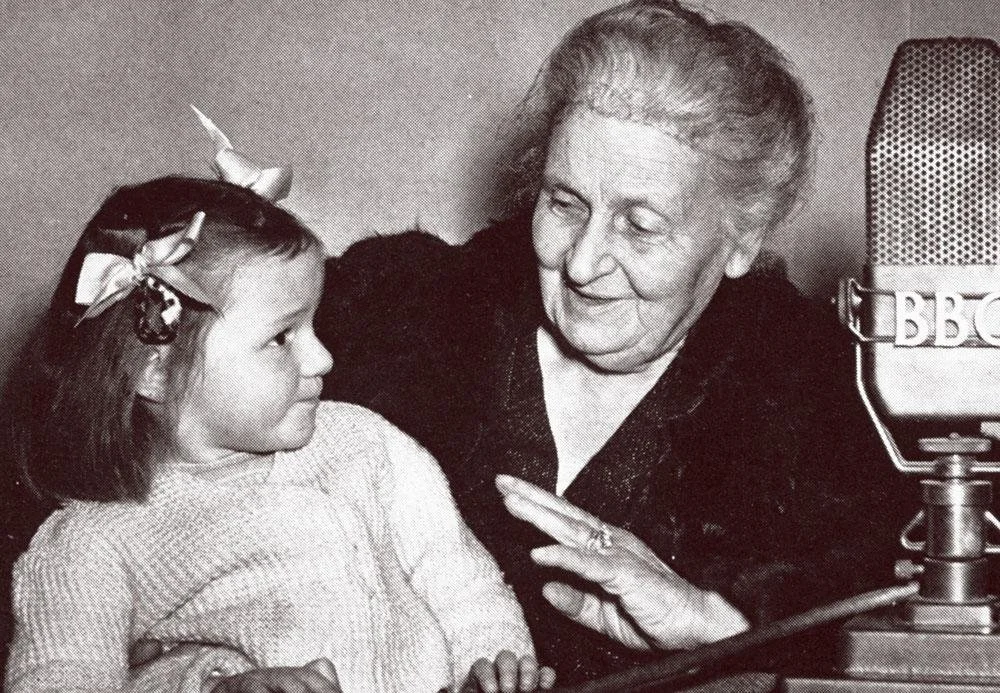
Dr Maria Montessori was born on the 31st August 1870, 156 years ago. Many of you will have some knowledge of Maria Montessori and her extraordinary life. She graduated as the first female physician in Italy, she was a professor of anthropology at the University of Rome, she studied psychology and philosophy and was nominated for three Nobel Peace Prizes. She founded the first Casa dei Bambini, or "Children's House" in Rome in January 1907. What ultimately became the Montessori method of education developed in that first Casa dei Bambini, based upon Montessori's scientific observations of those children. She worked tirelessly throughout her life observing children and teaching teachers her method of education. Her work and legacy lives on through the many Montessori schools throughout the world.
At this time every year we honour, acknowledge and appreciate her wisdom, her work and wonderful approach to working with children and young people.
On Monday 31st August we are celebrating Maria Montessori's 156th birthday!
Whole School Community Event
Save the Date
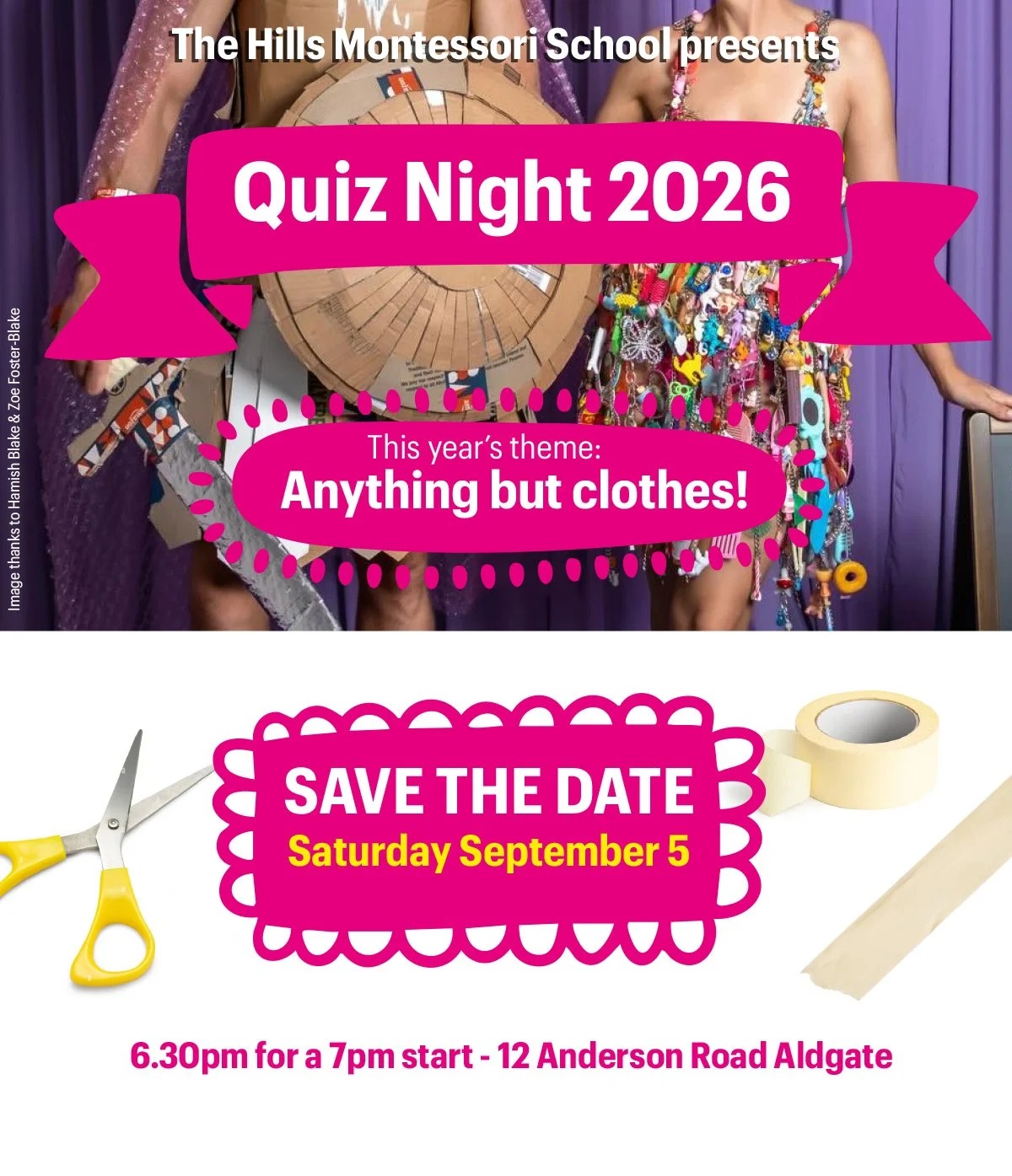
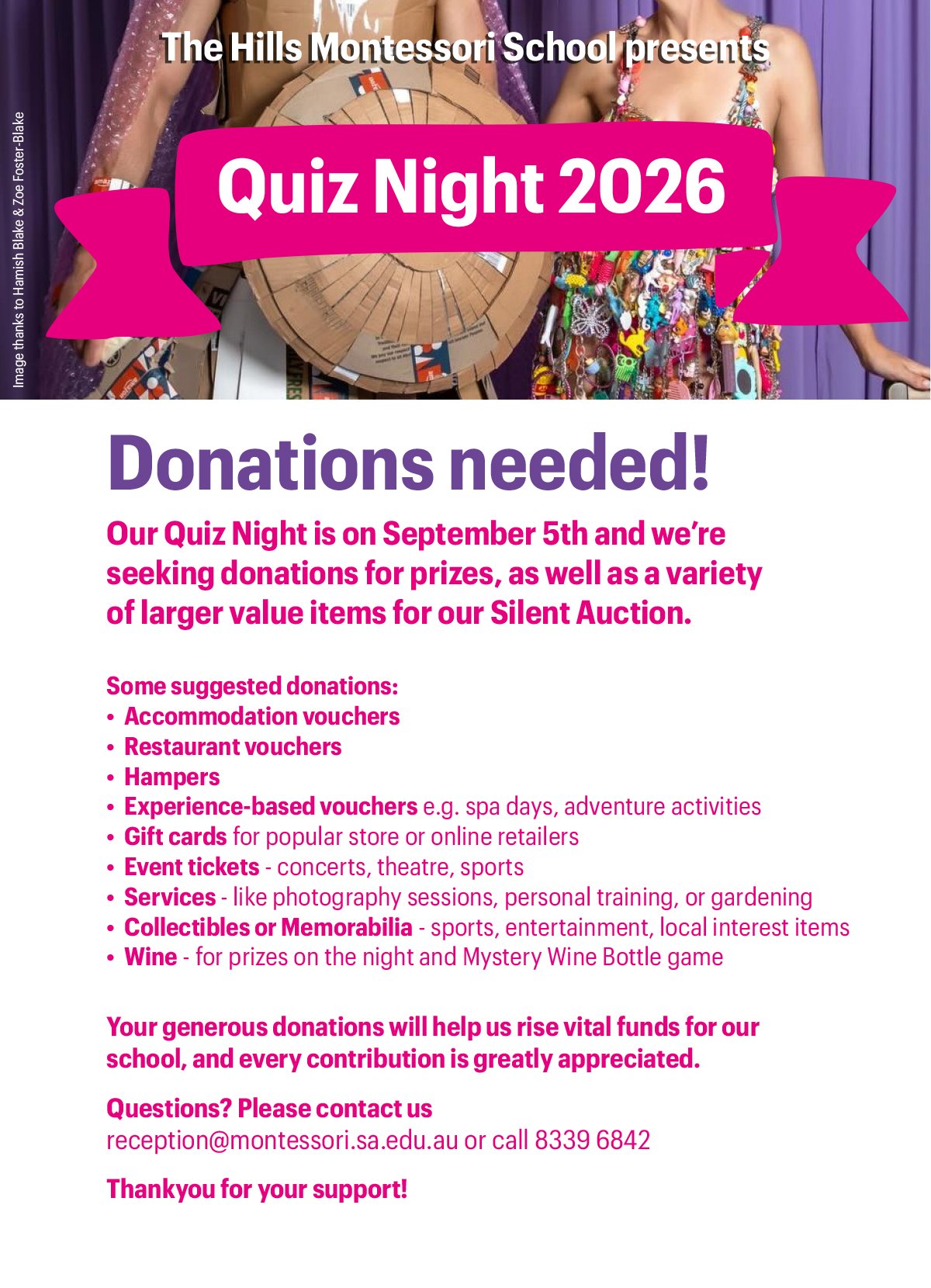
Yultiwirra
Yultiwirra Exhibition of Work & Learning
Join us after school at Yultiwirra for an exhibition celebrating the learning and creativity of our Primary students. Come along to explore displays of student work and learning across the Primary classes and see what the children have been working on.
We look forward to welcoming you and sharing this special celebration of student learning with our community!
Thursday 3rd September
3:30pm
Yultiwirra
Sharing Assembly
Come along to the Yultiwirra Hall to hear from our Cycle 2 and Cycle 4 students as they share their learning, projects and experiences with our community.
A chance to hear directly from the students and celebrate the work they have been exploring throughout the term.
All welcome!
Friday 18th September
9:30am
Wairoa
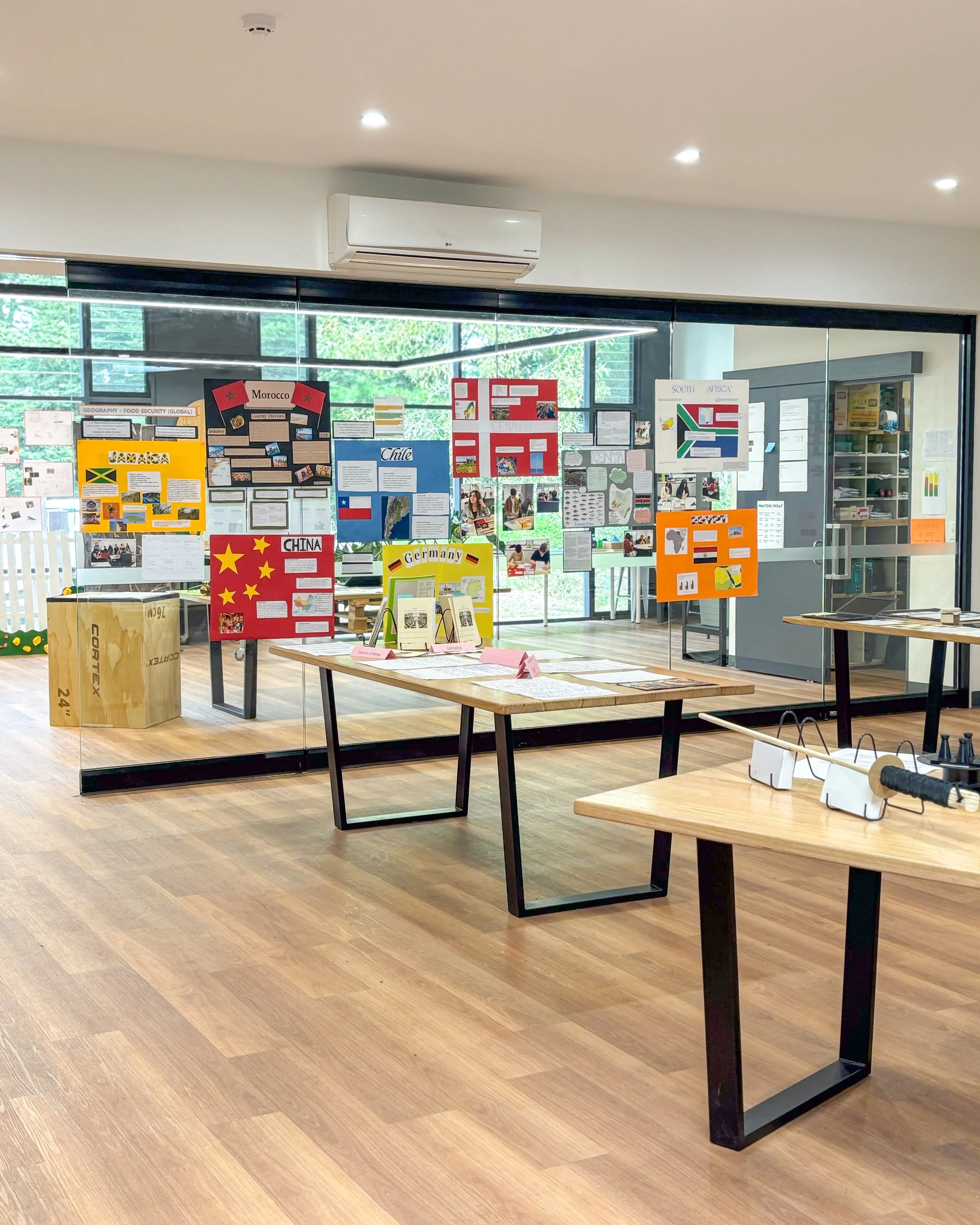
Wairoa Cultural Studies Expo
Join us for this late afternoon–early evening event at Wairoa, featuring open displays of student work and learning from a range of cultural subjects and Occupations. Some students will also share short presentations about their individual RICH projects.
Thursday 24th September
4:00pm
Conversations
Conversations
Conversations Conversations
Conversations That Broaden Our World
Children's understanding of the world grows when they encounter people, experiences and perspectives beyond their own.
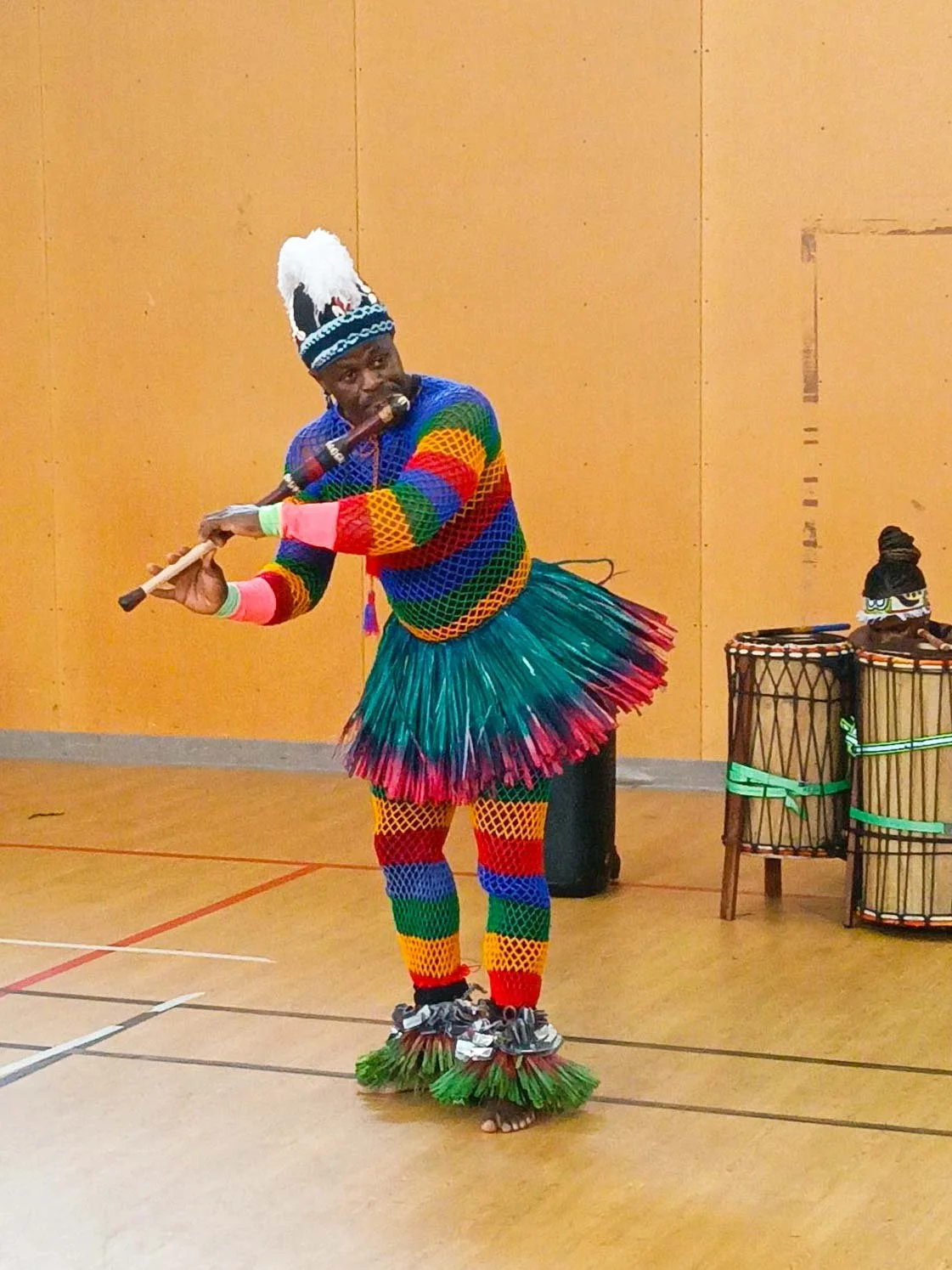
Our Montessori Guides intentionally create opportunities for students to connect with people beyond the classroom, inviting parents, visitors, volunteers and members of our wider community to share their knowledge, stories, cultures and lived experiences. These connections give children the opportunity to ask questions, listen closely and become curious about experiences that may be very different from their own.
Personal stories, cultural experiences, music, movement and shared knowledge help students move beyond facts and information towards a deeper understanding of the people and places they are exploring.
These opportunities are carefully woven into the learning environment because understanding the world requires more than reading about it. Children need opportunities to meet people, hear different perspectives, ask questions and make connections for themselves.
Our upcoming Exhibition of Learning and Cultural Studies Expo will provide another opportunity for students to share where these questions, connections and explorations are taking them, and to invite our wider community into their learning.
Wairoa
Artificial Intelligence Study
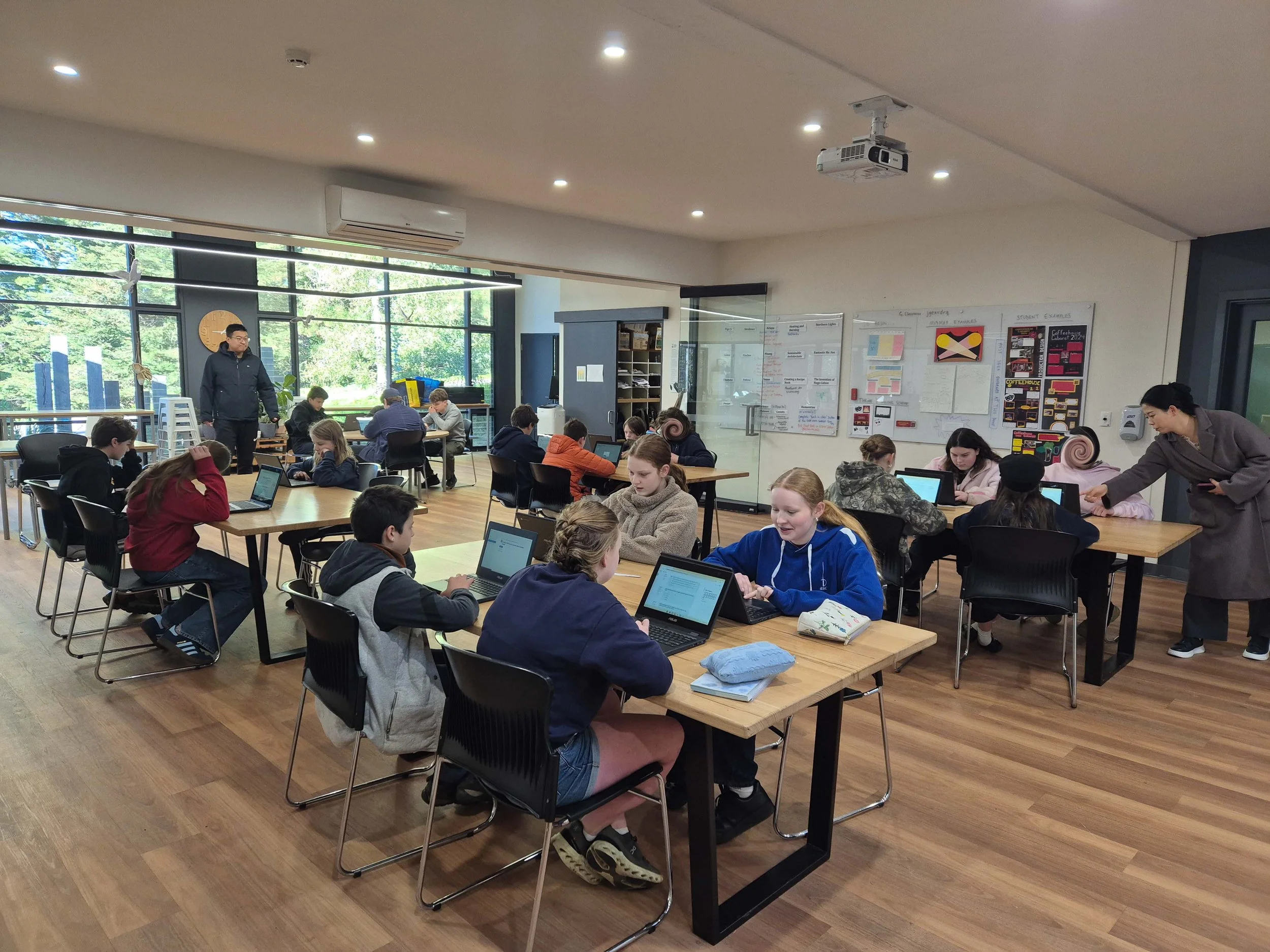
Last term, we ran a Robotics Occupation. Using the VEX EXP robotics kit, students built, controlled, and coded robots. Our guiding question was: If robots are to become part of our workforce, how can we consider this ethically?
Through excursions, guest speakers, and hands-on experiences, students explored how robots could replace or displace human labour, while also examining opportunities for technology to extend human capability and endeavour. They considered how robots help us accomplish tasks that would otherwise be difficult, dangerous, or impossible for humans to do on their own. We discussed at length the ethical and moral considerations and applications of AI; students demonstrated a mature and critical disposition on the topic.
At the start of Term 2, our school was contacted by Monash University to contribute to a study their multi-disciplinary team is undertaking involving middle-school-aged students (12 -15 years old). Perfect! Therefore, we had registered our interest in participating in this
significant research.
Briefly, the study is a global initiative involving 28 educational systems worldwide, including Monash’s current work here in Australia. This project involved our students using the University’s AI-based learning platform, intending to unveil how students learn with
Generative AI (think, ChatGPT-like AI), its effect on meta-cognition, and under what circumstances scaffolds should be provided to facilitate improved learning skills (so that AI facilitates rather than hinders learning in the age of AI).
This was a great opportunity, and our Cycle 4 students were enthusiastic to participate in this ground-breaking research.
Cycle News
Infant Program
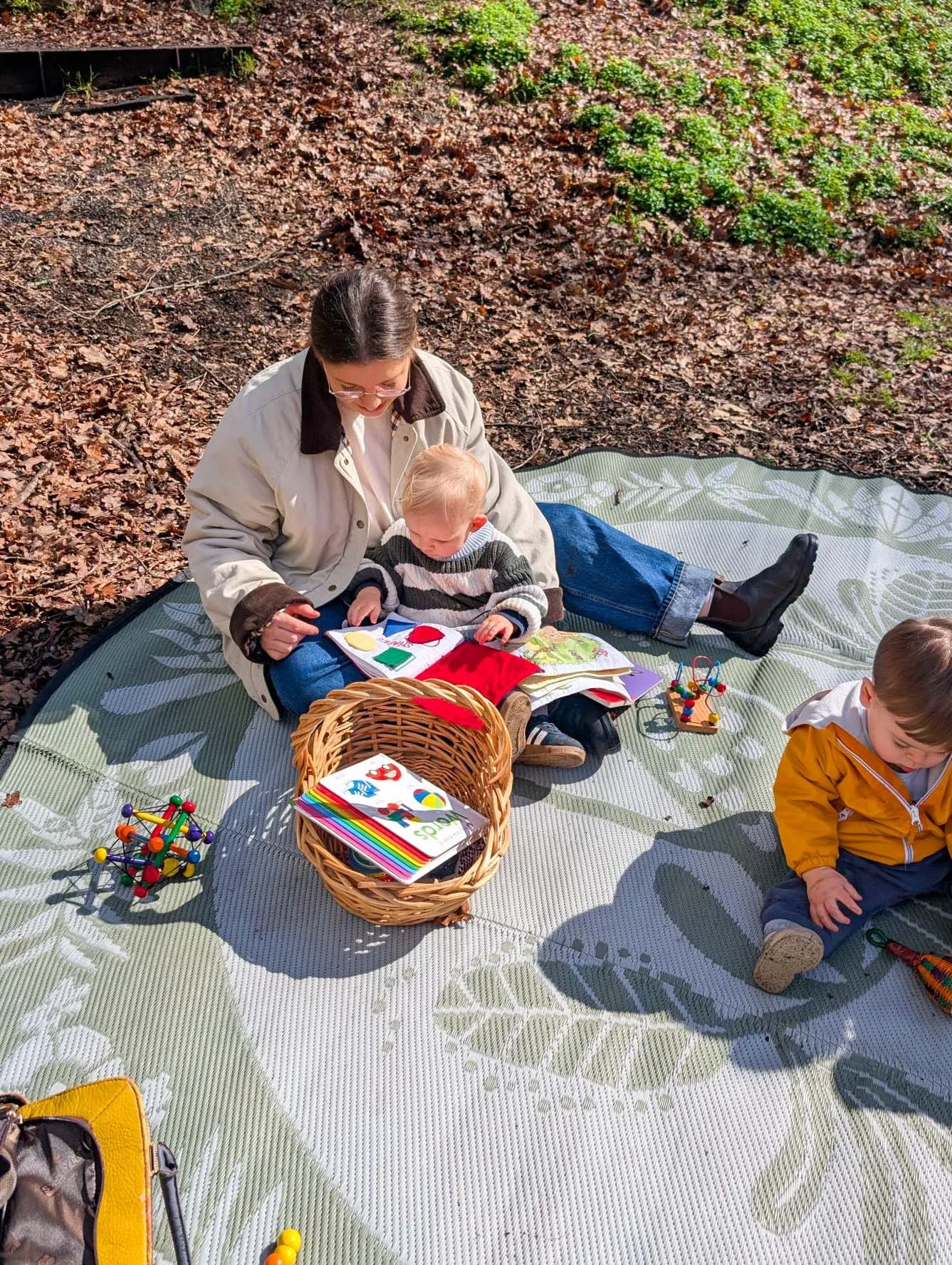
Drosera Classroom • Ages 0-3
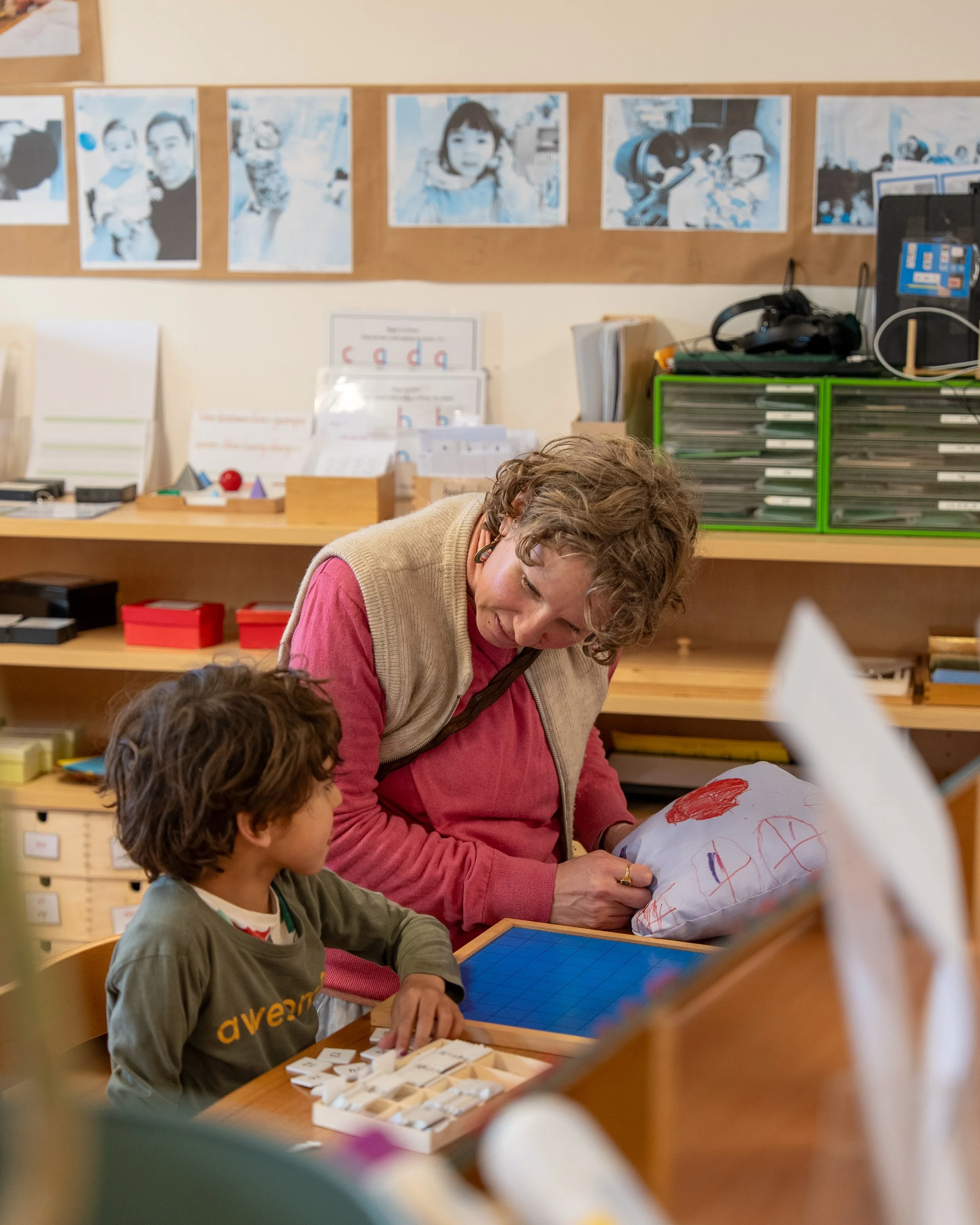
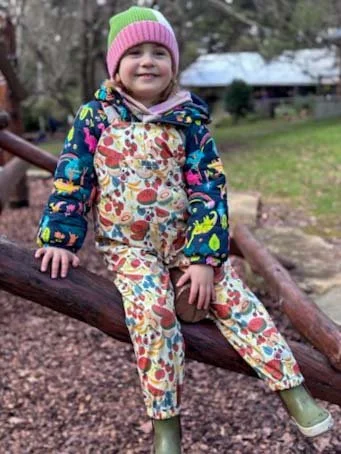
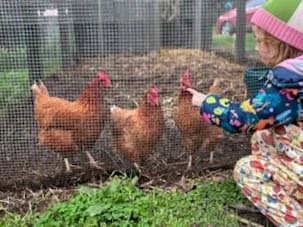
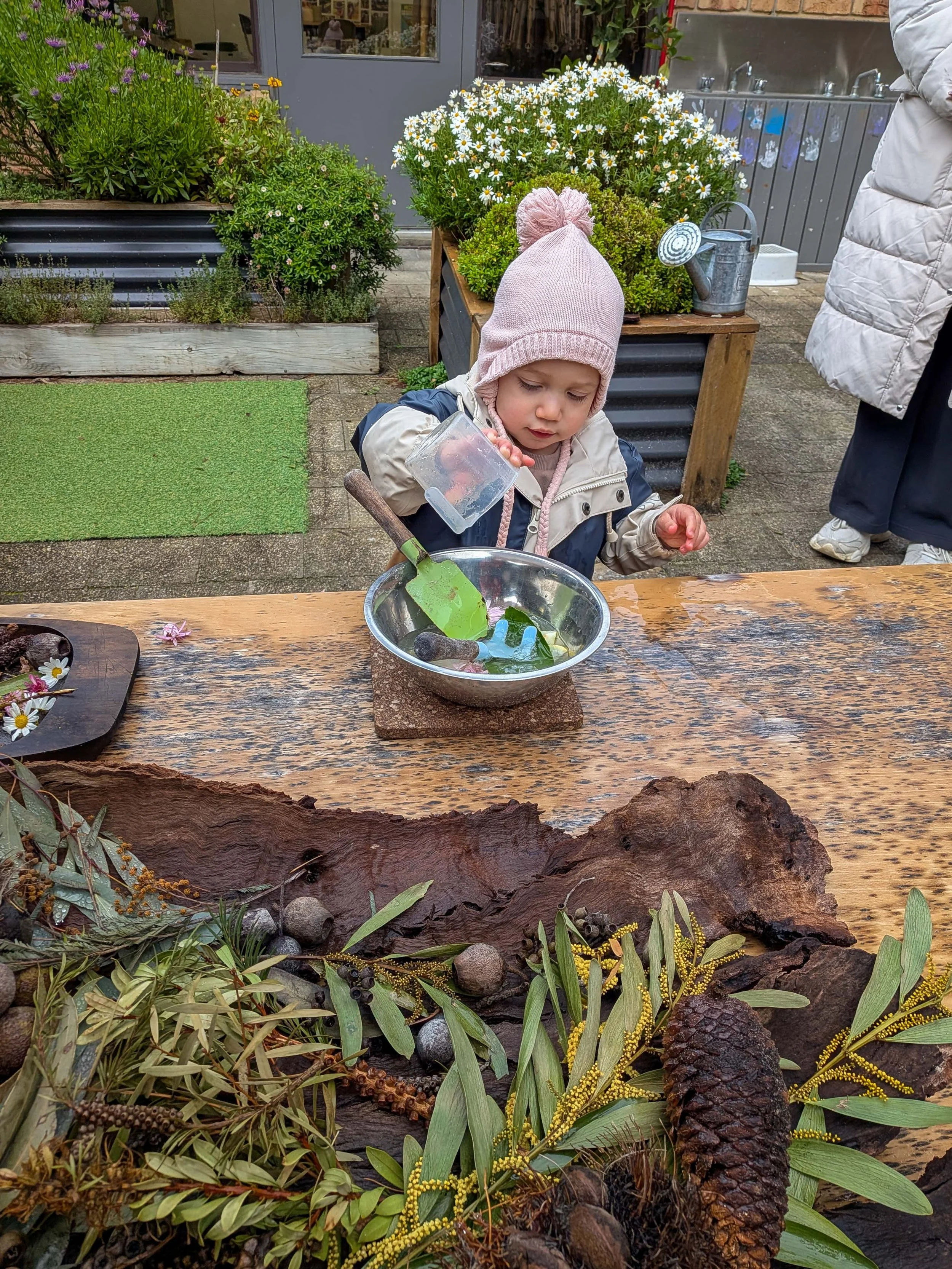
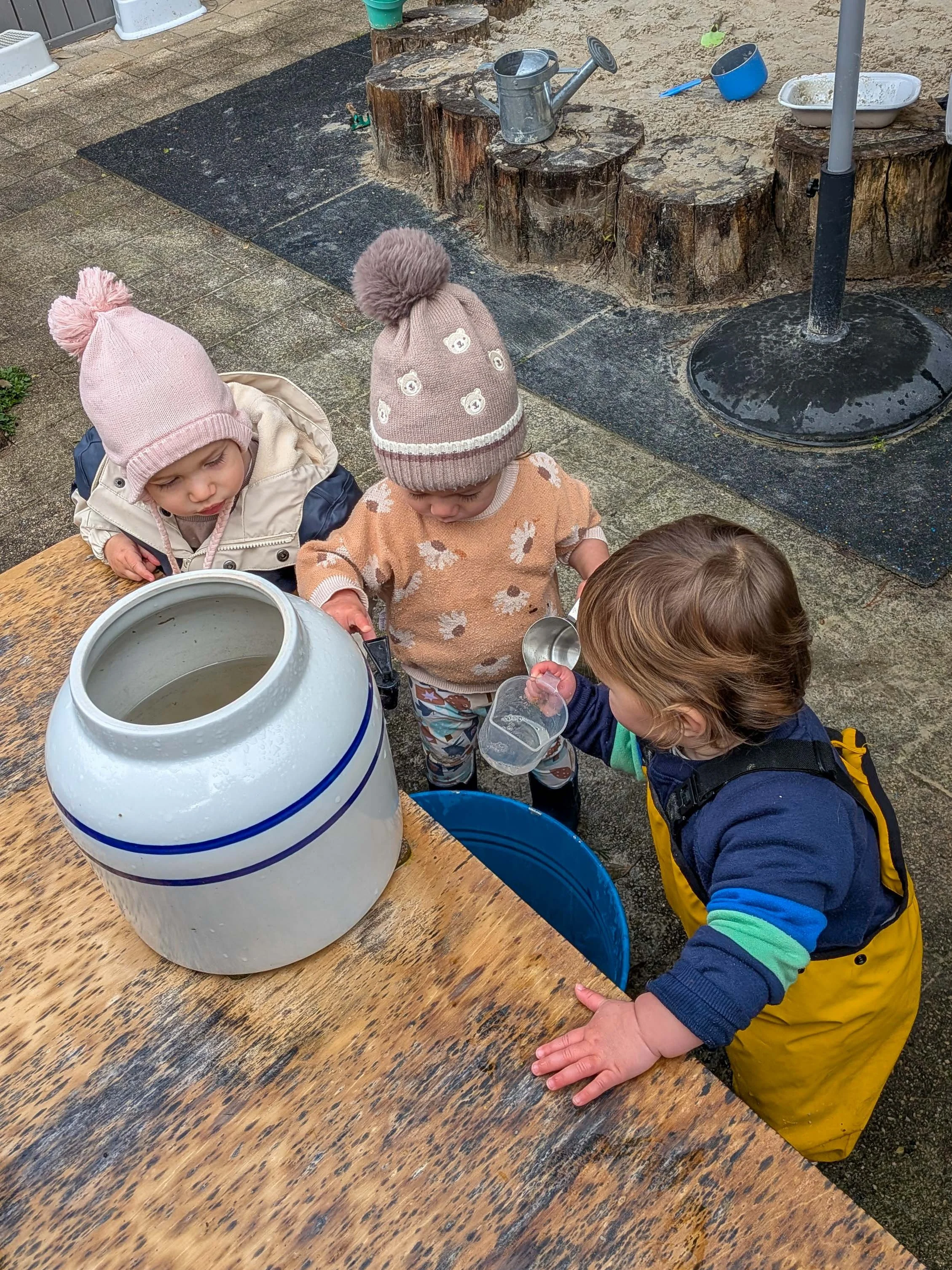
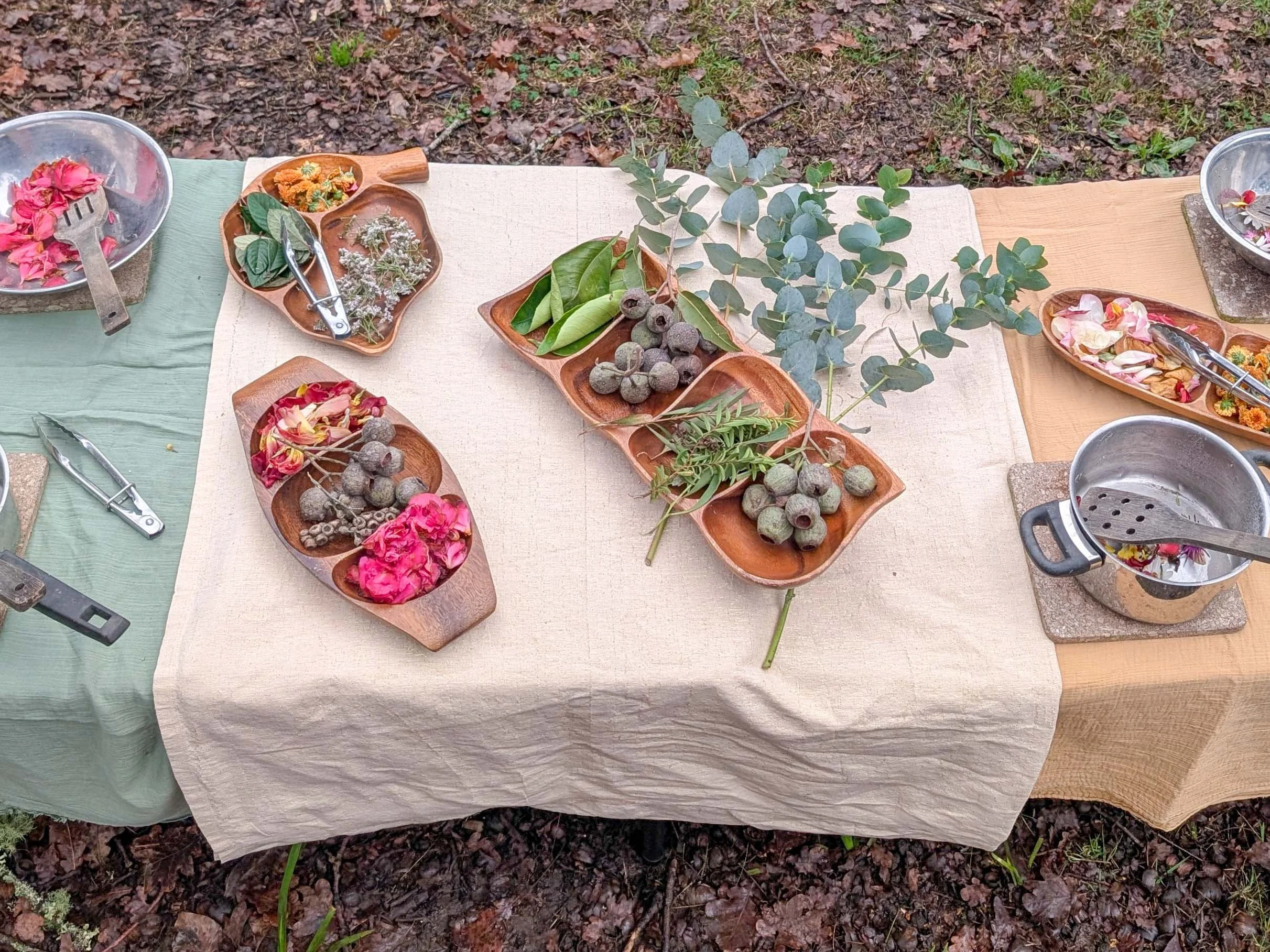
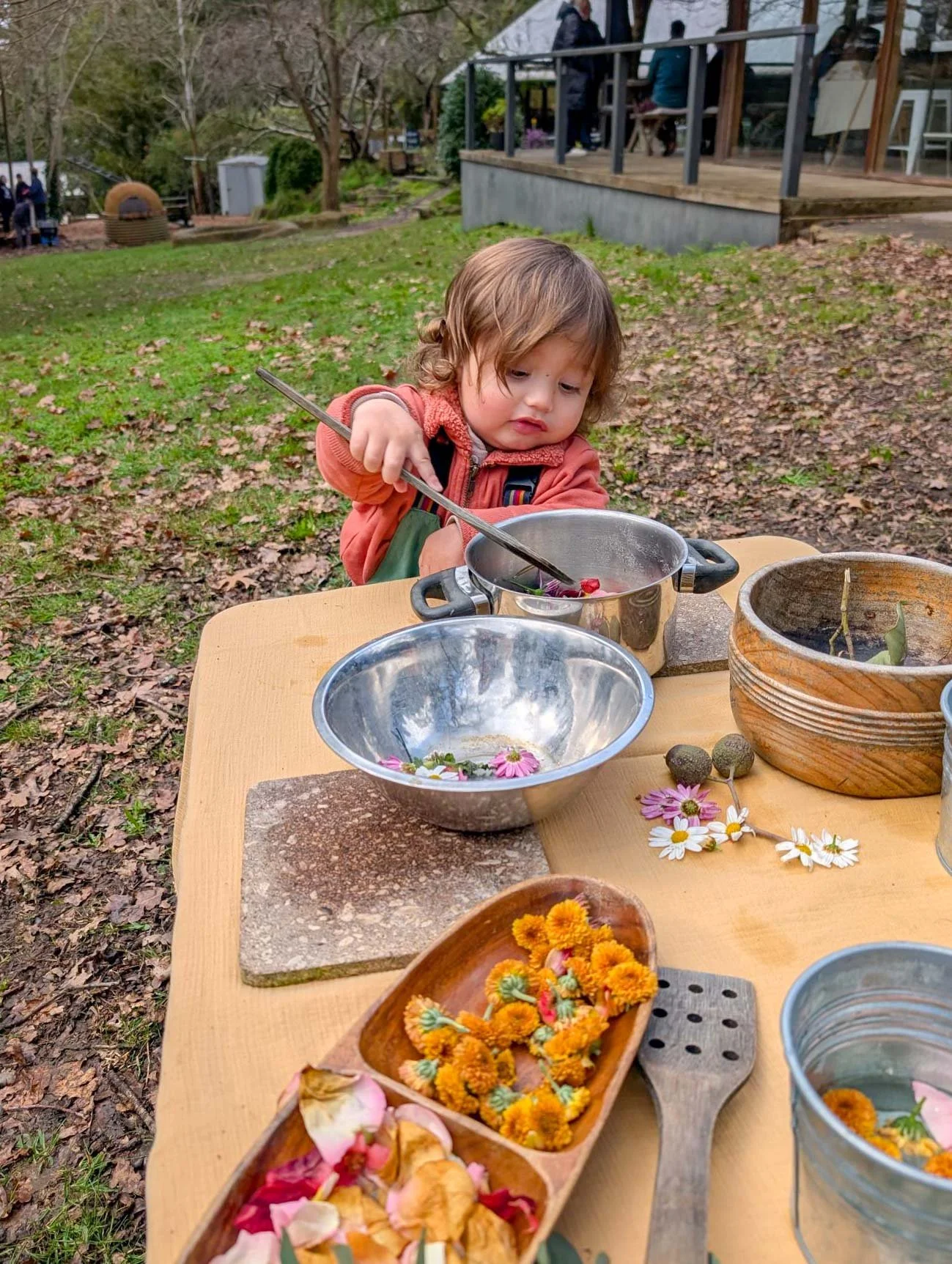
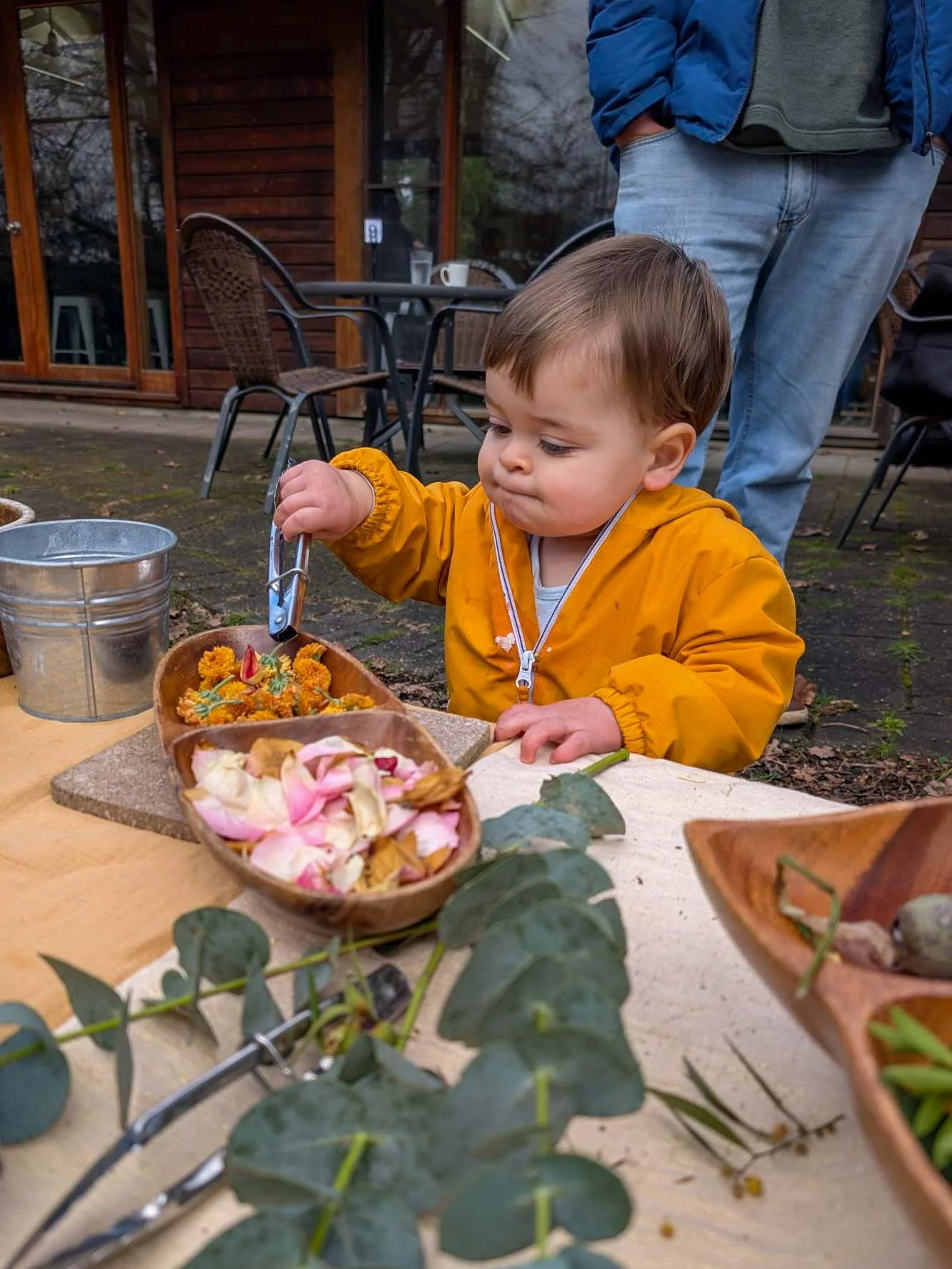
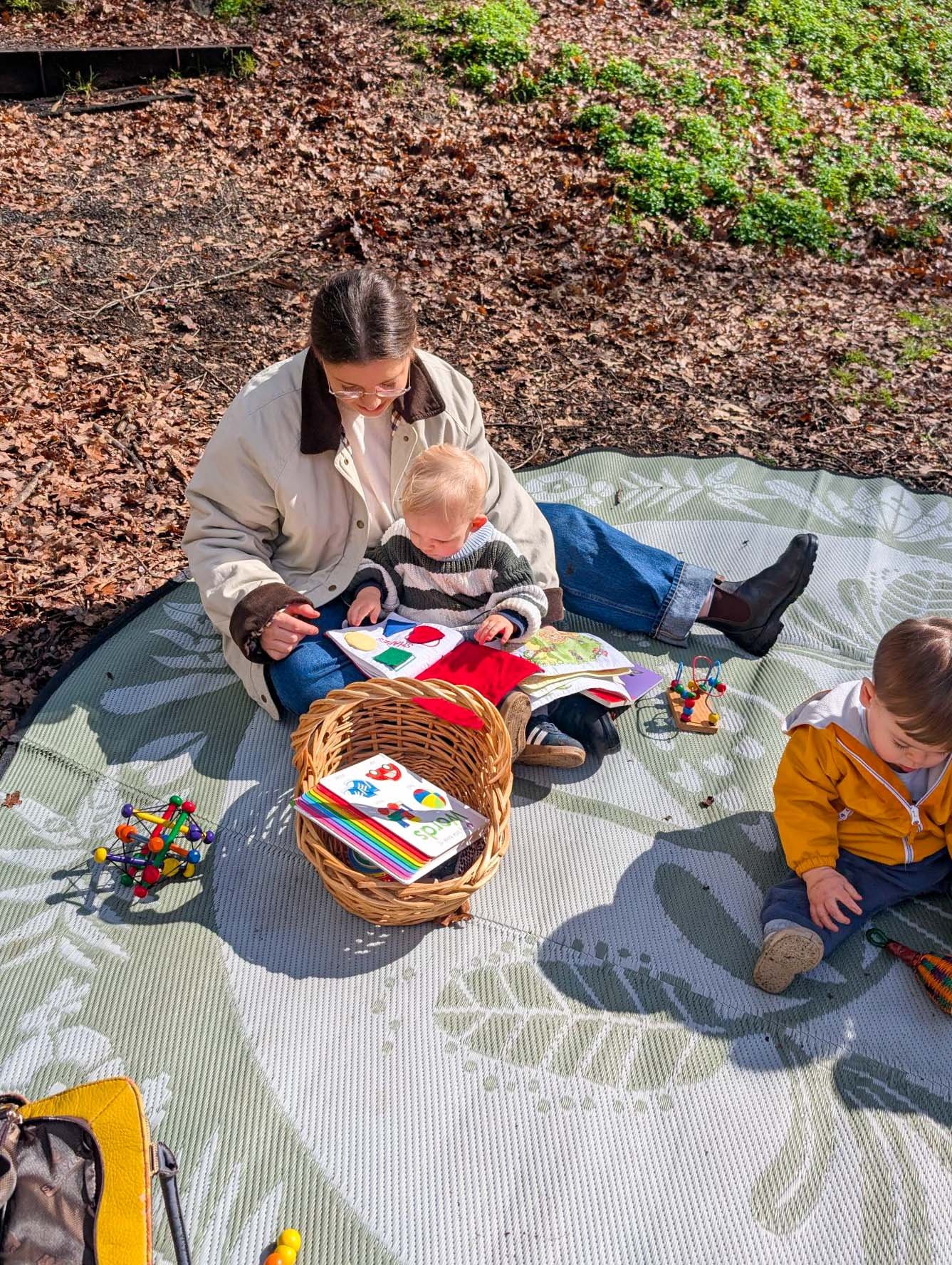
We have been busy in the Infant Program with all of our new friends. There has been lots of settling in, getting to know each other and developing lovely new relationships.
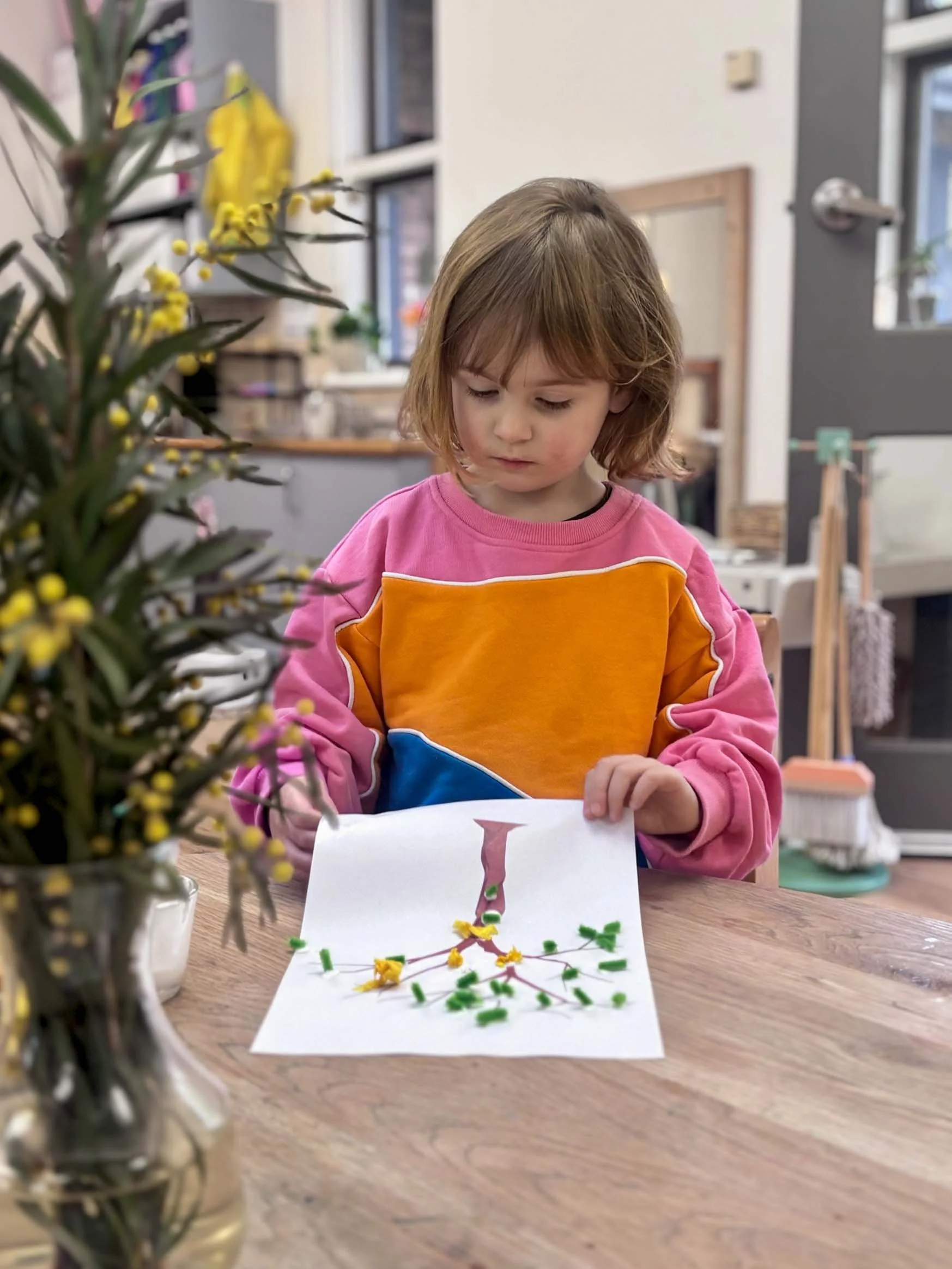
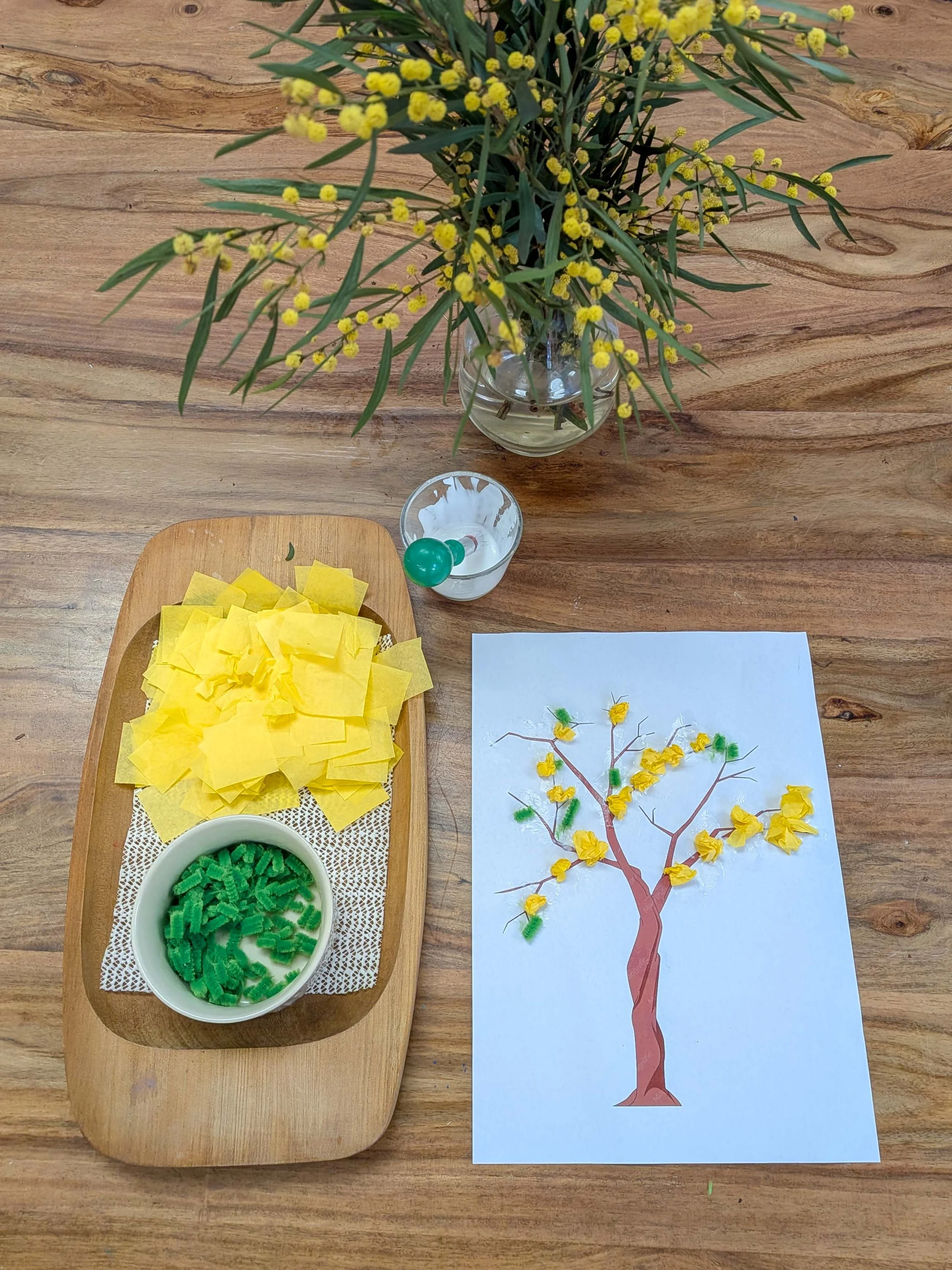
We have also been appreciating the beautiful Golden Wattle, which is in full bloom at the moment, with a bit of Golden Wattle craft. We can feel spring in the air, and the colours of our crafts are beginning to show some beautiful spring colours.
We also enjoyed our lovely Wairoa Café morning. It is such a beautiful way to bring our community together across the school and to support our Cycle 4 students.
Infant Program
Cycle 1 Preschool
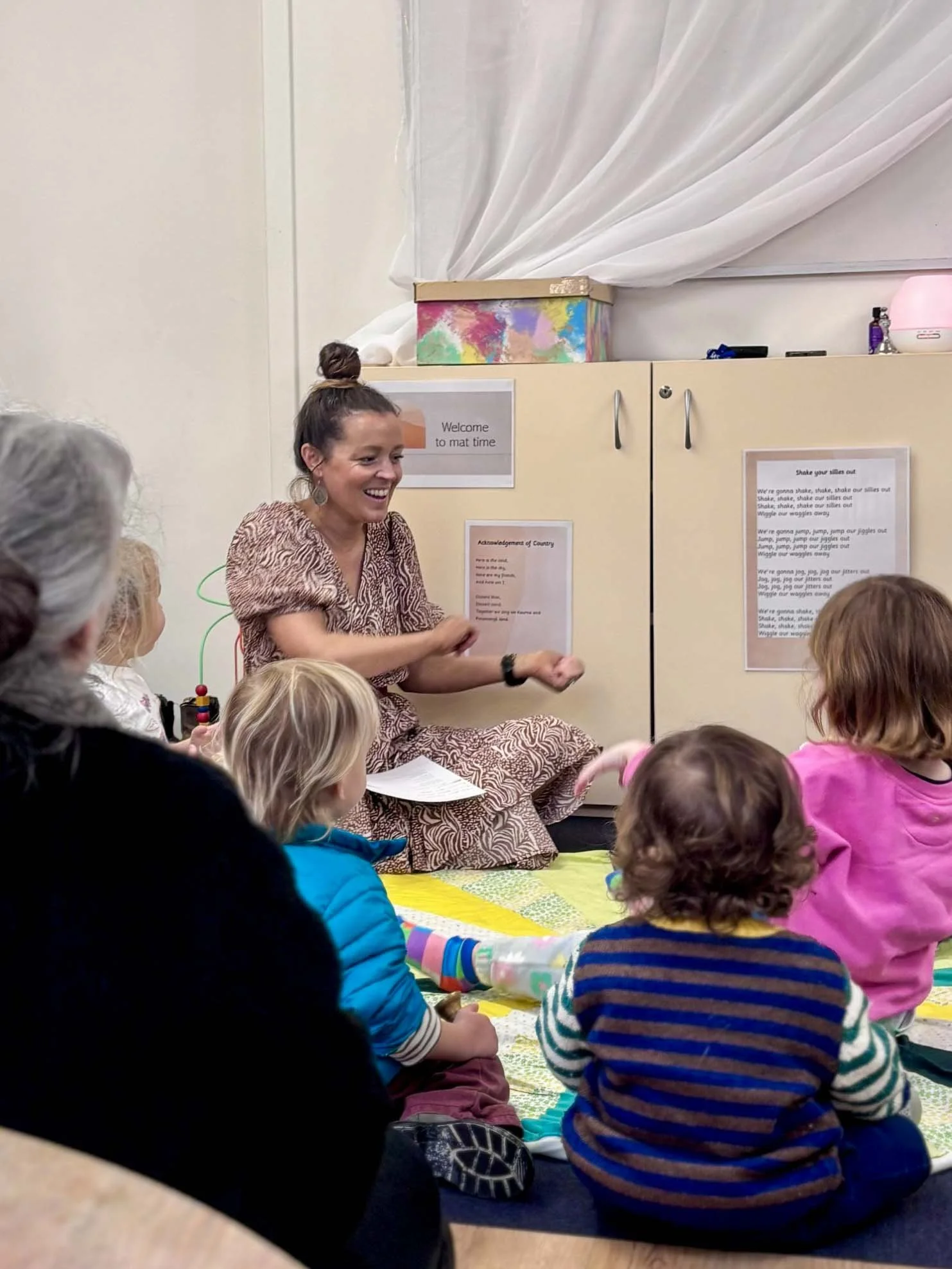
Banksia & Goodenia Community • Ages 3-5
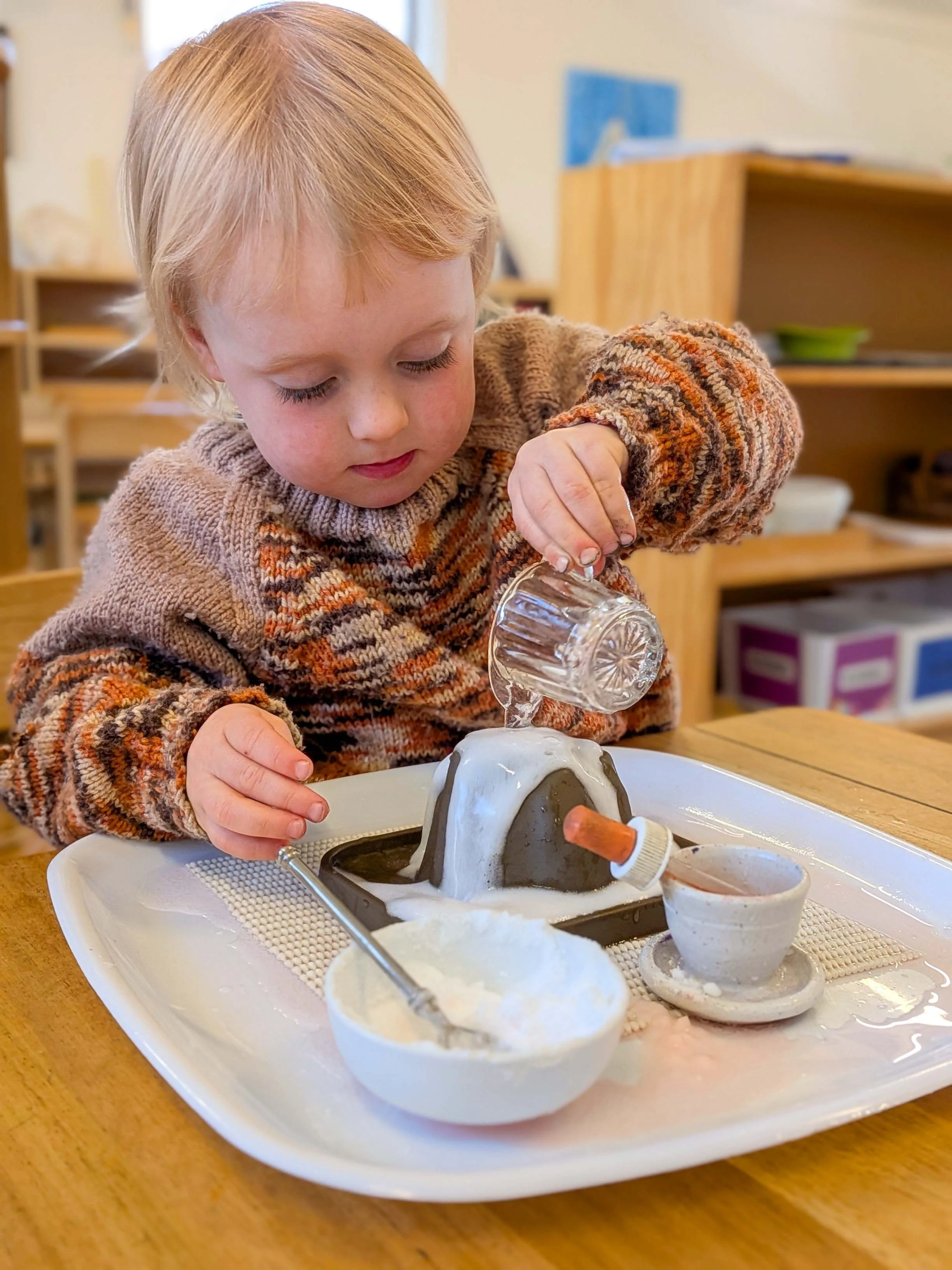
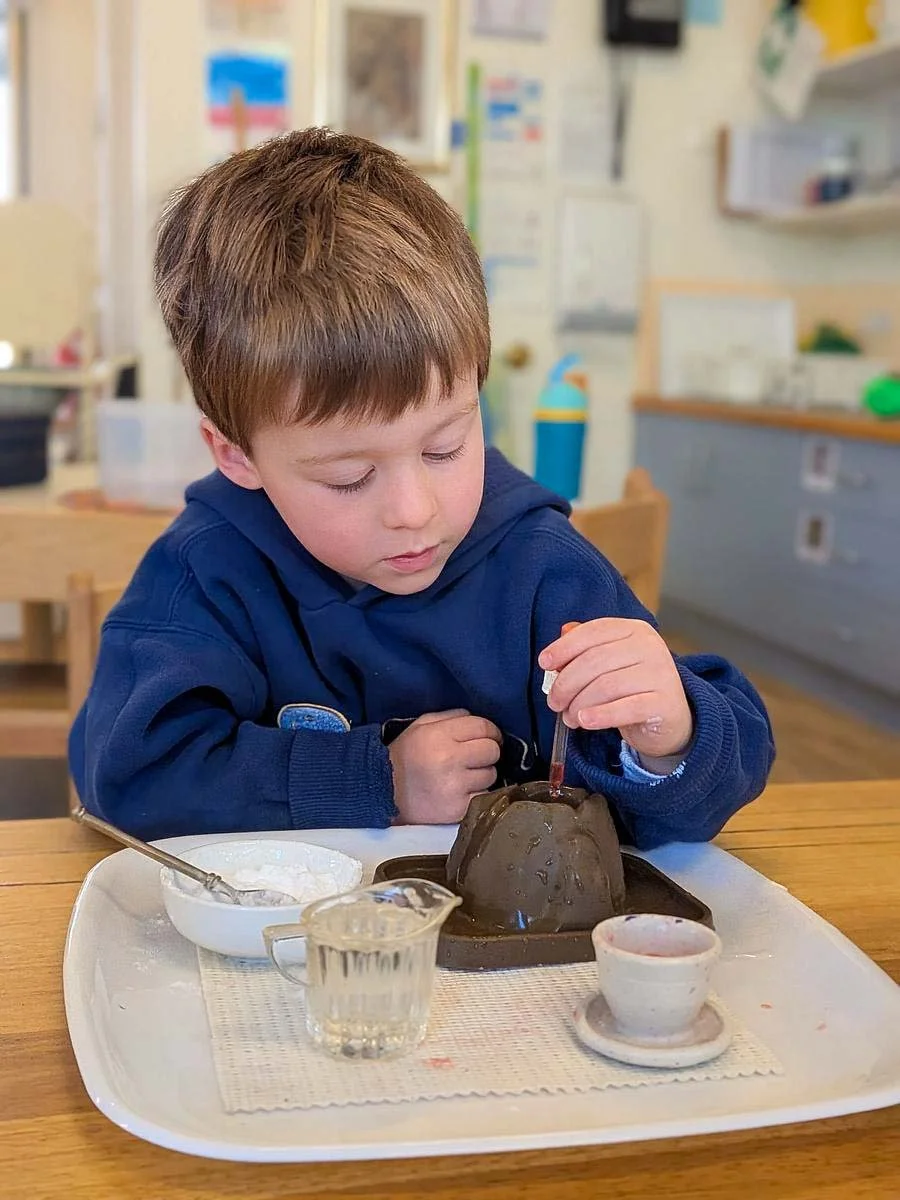
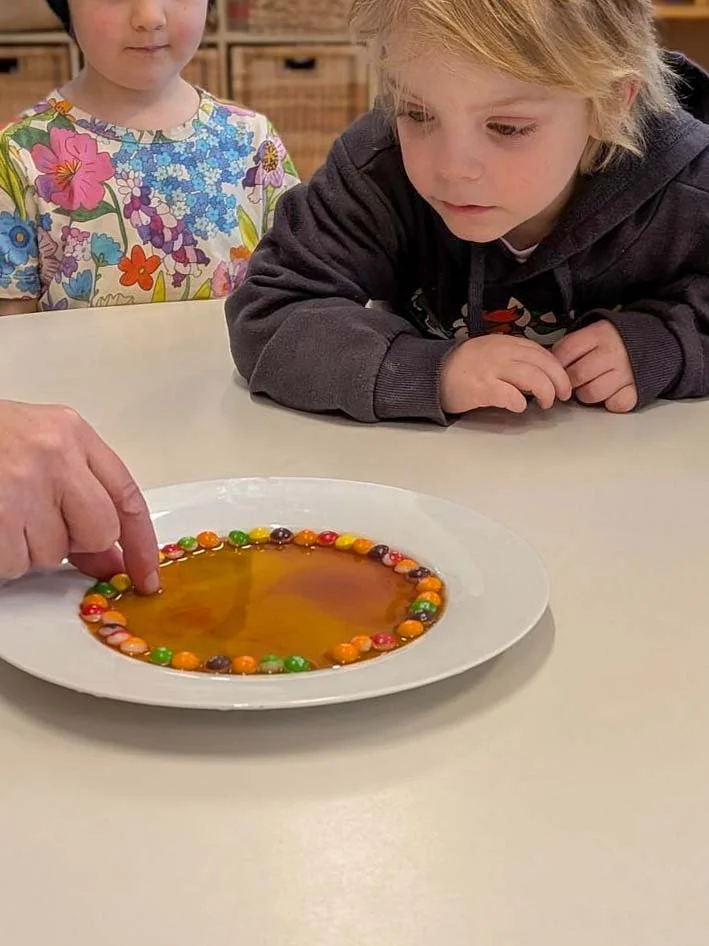
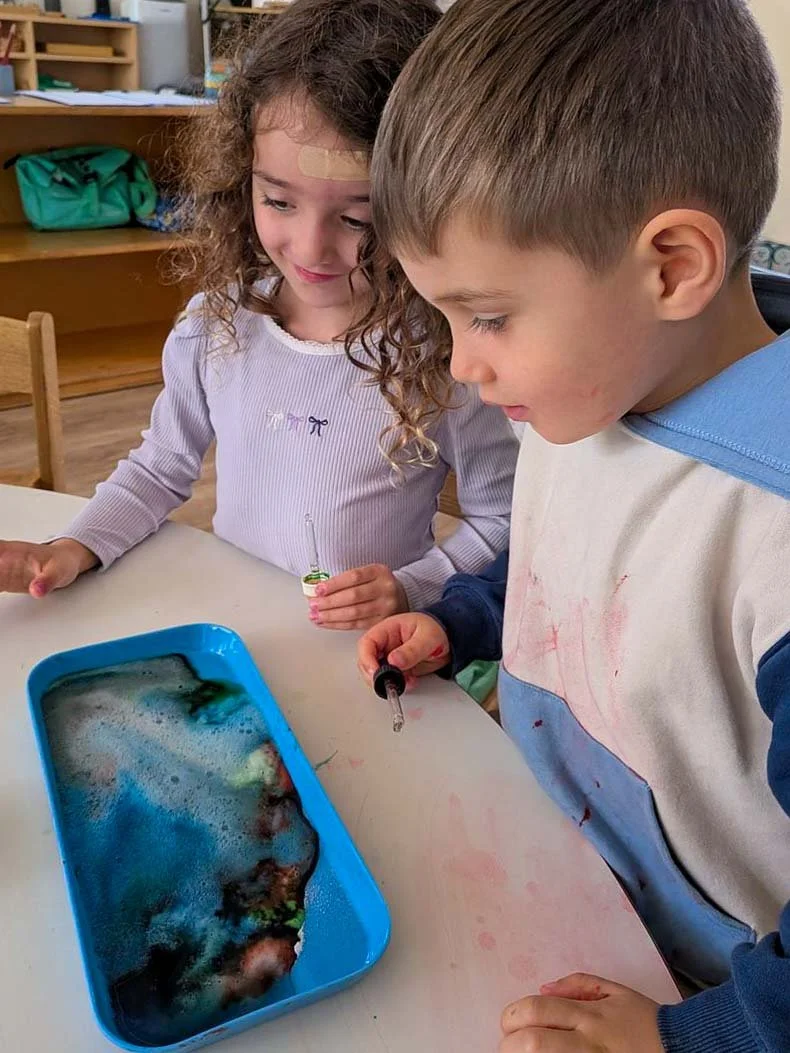
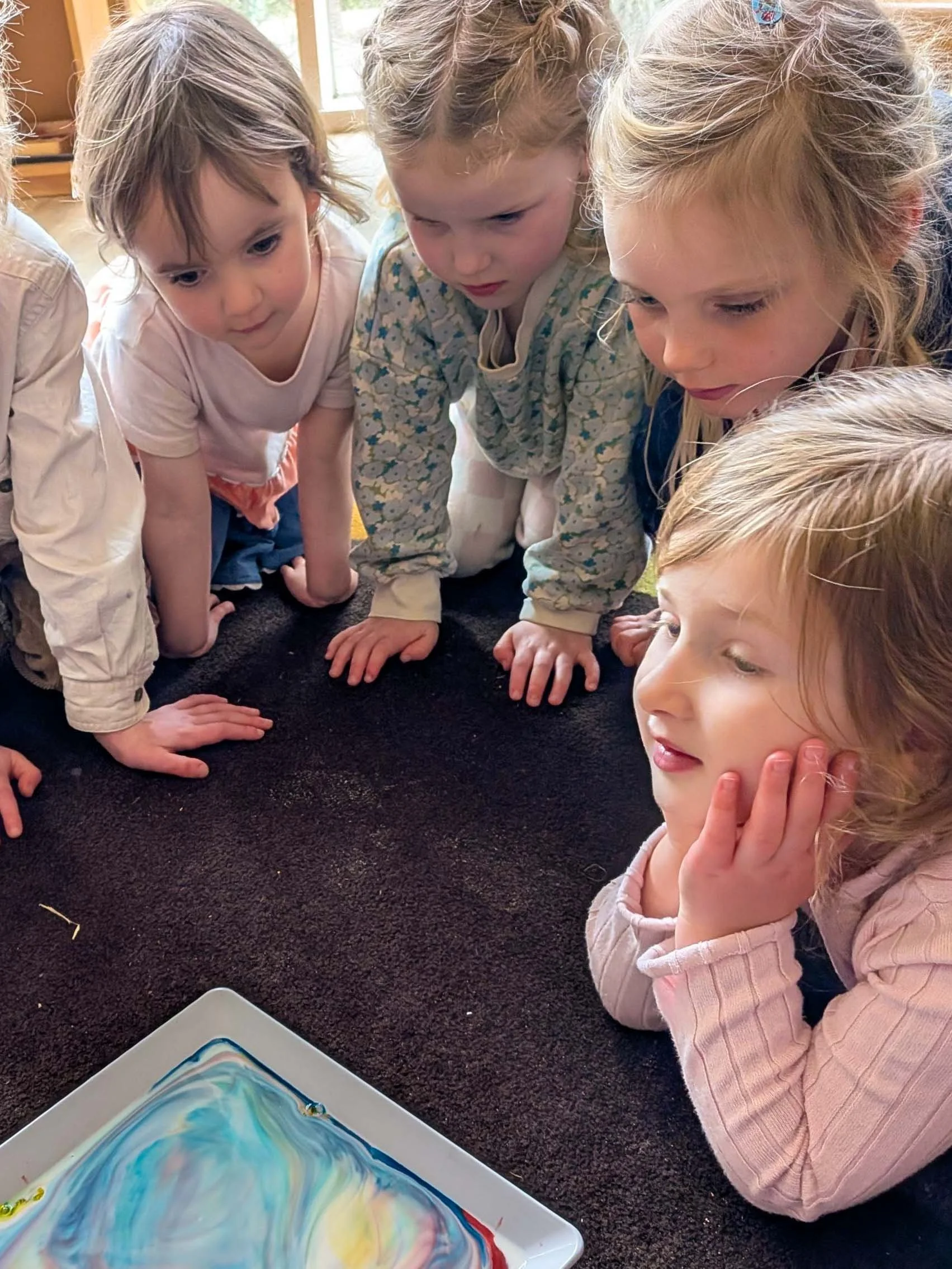
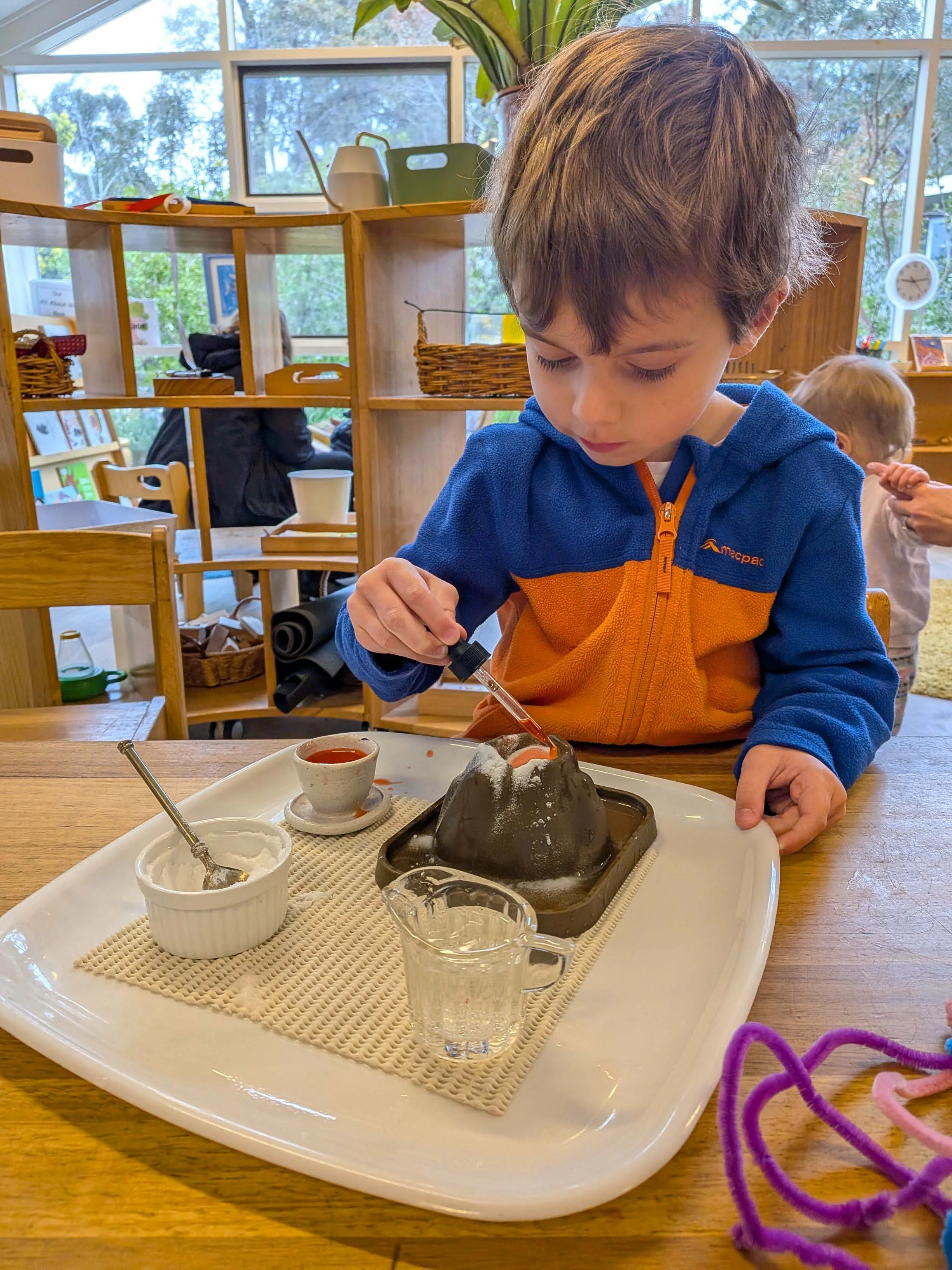
Science week has brought curiosity, excitement, experimentation and lots of hands-on learning. The children have watched primary ‘colours walking’ to make secondary ones, witnessed white flowers turn into coloured ones and skittles turn into rainbows that look like “coloured piano keys” according to Henry. Another experiment saw colours ‘fizzing’ and bubbling together to create new colours and patterns.
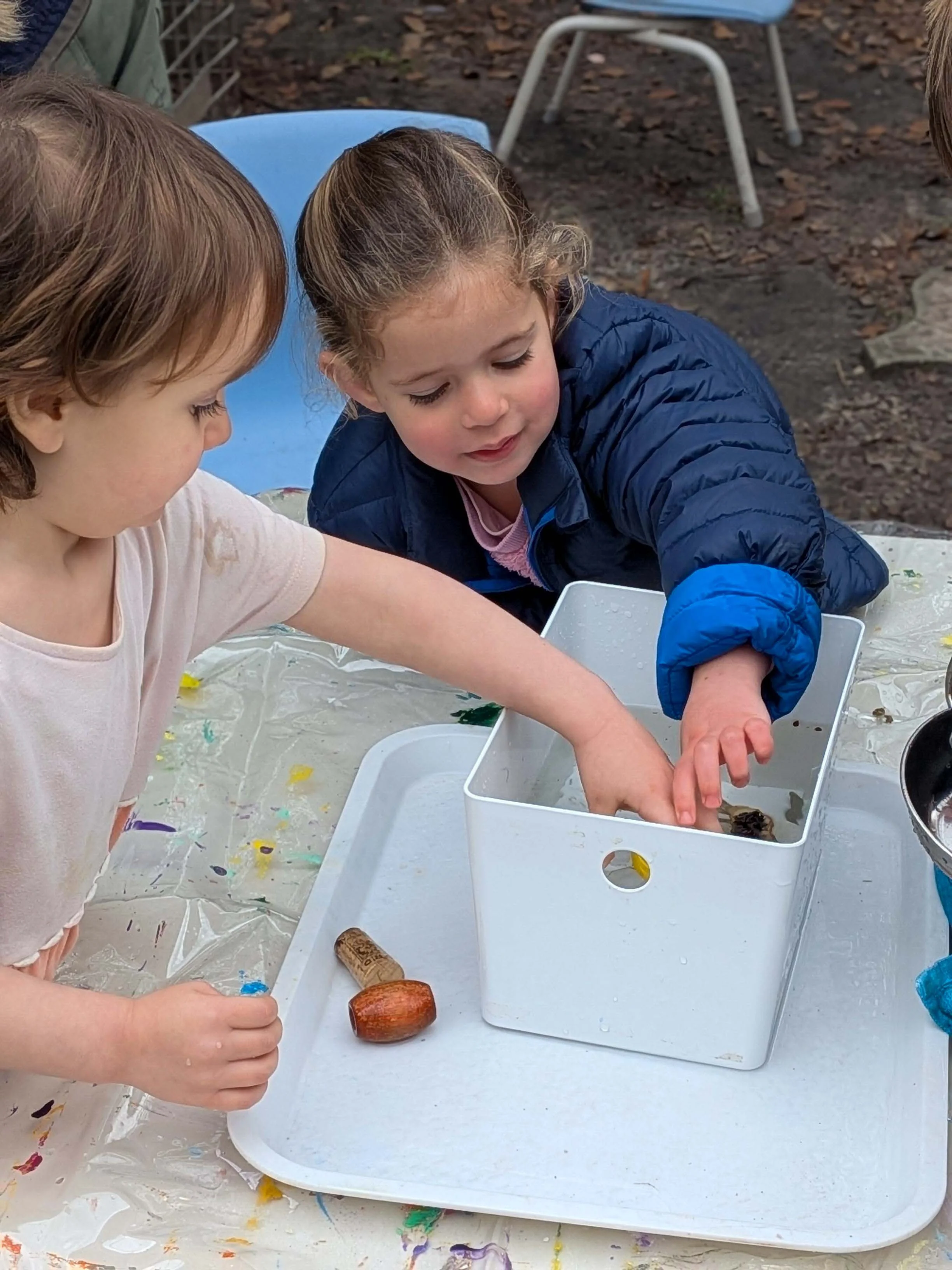
The children were asked questions about what they think might happen when we added dishwashing liquid to a tray of milk and colours and answers such as “it will mix together”, “it will sink to the bottom” and “it will be an explosion of colours” were shared. We have also taken the learning into the outdoor environment where discoveries about what items float and what sink were conducted and we sorted and classified different types of items that are magnetic and those that aren’t.
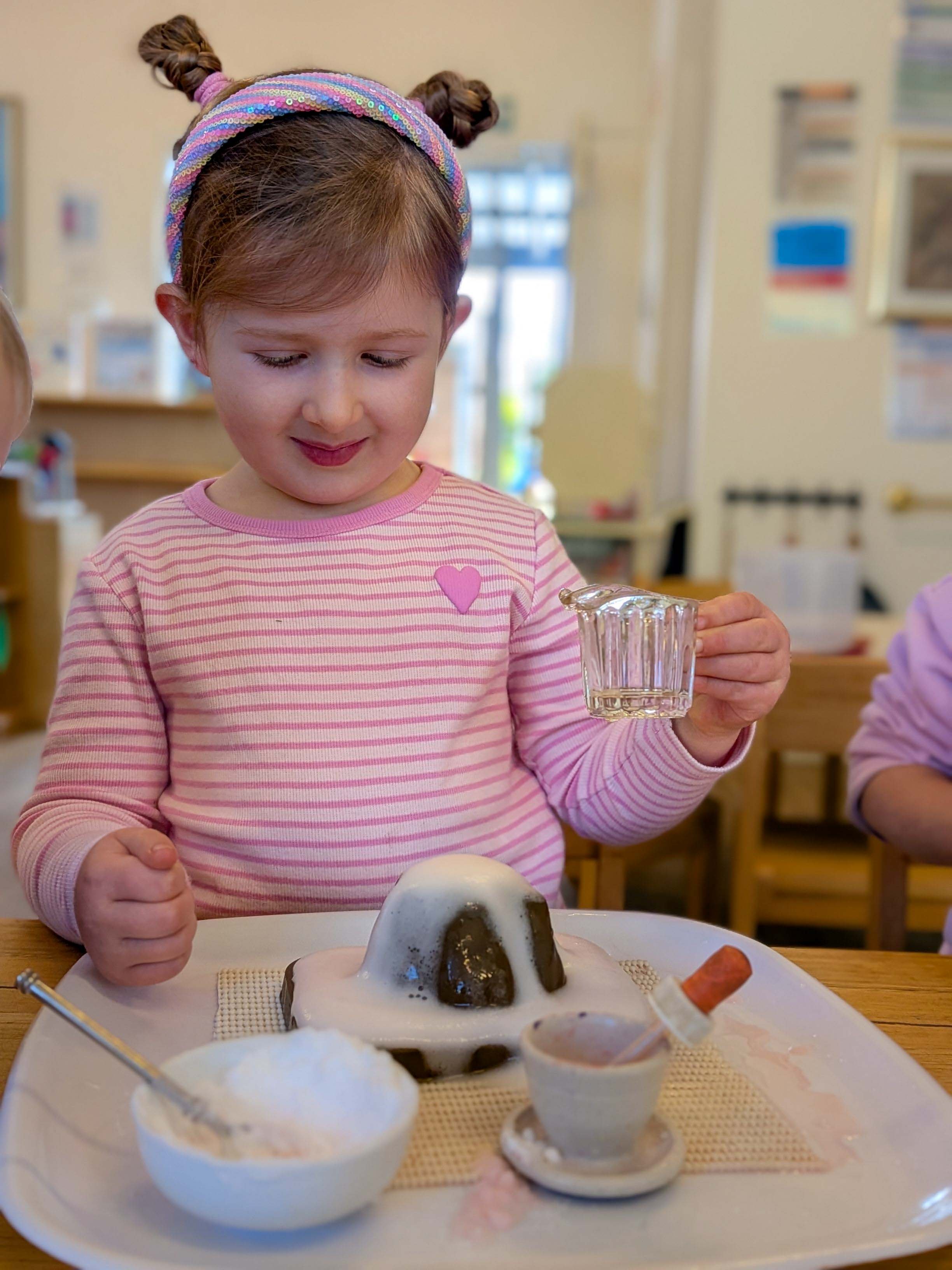
The physical science of learning about what makes a volcano erupt, questions about lava and where it comes from, how hot it can be and what happens afterwards when the eruption has finished created the most interest. The children saw firsthand how lava erupts from the model volcano after initially helping to make a mountain in the sandpit. They then had the opportunity to create their own smaller volcano on a tray by following the steps and pouring small amounts of vinegar into the crater.
It was wonderful to see the children ask questions, predict and share their thoughts around science and problem solve ways to extend the experiments or create new ones.
“We especially need imagination in science. It is not all mathematics, nor all logic, but it is somewhat beauty and poetry”
– Maria Montessori
Cycle 1 Preschool
Cycle 1 Primary
Correa & Ixodia Classrooms • Ages 5-6
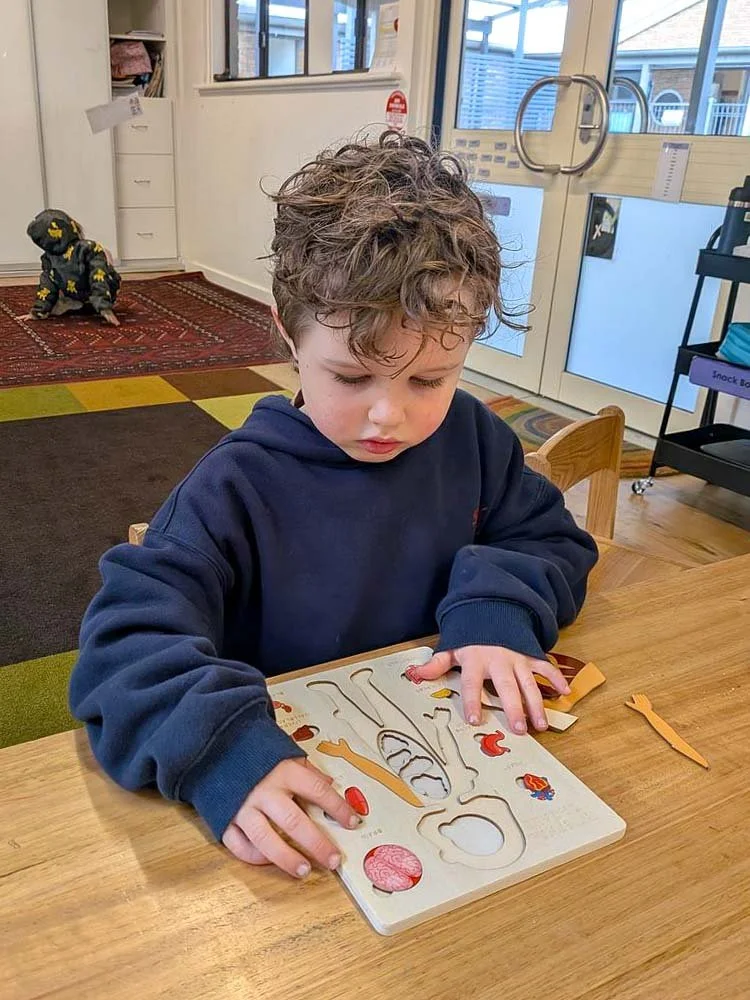
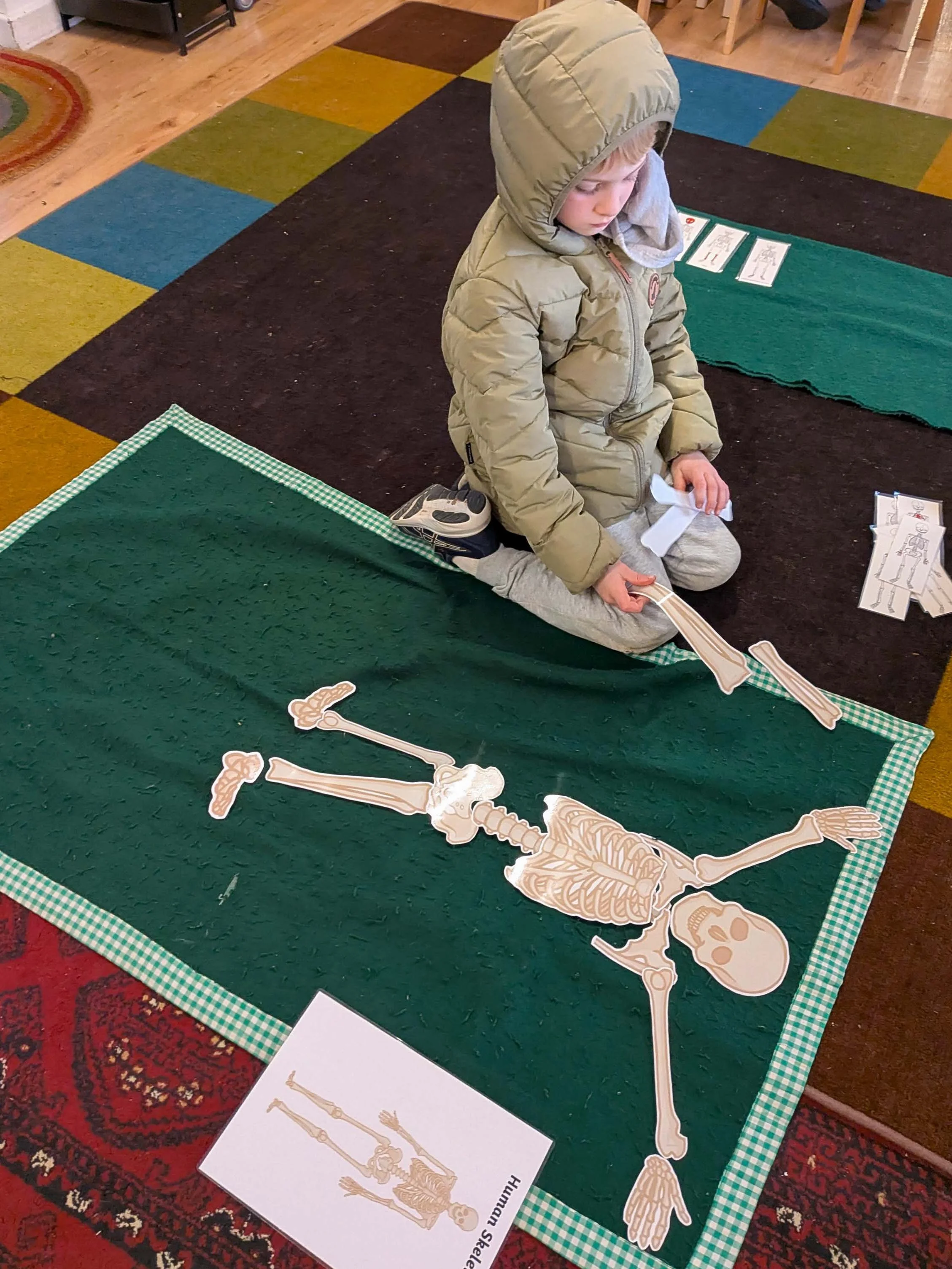
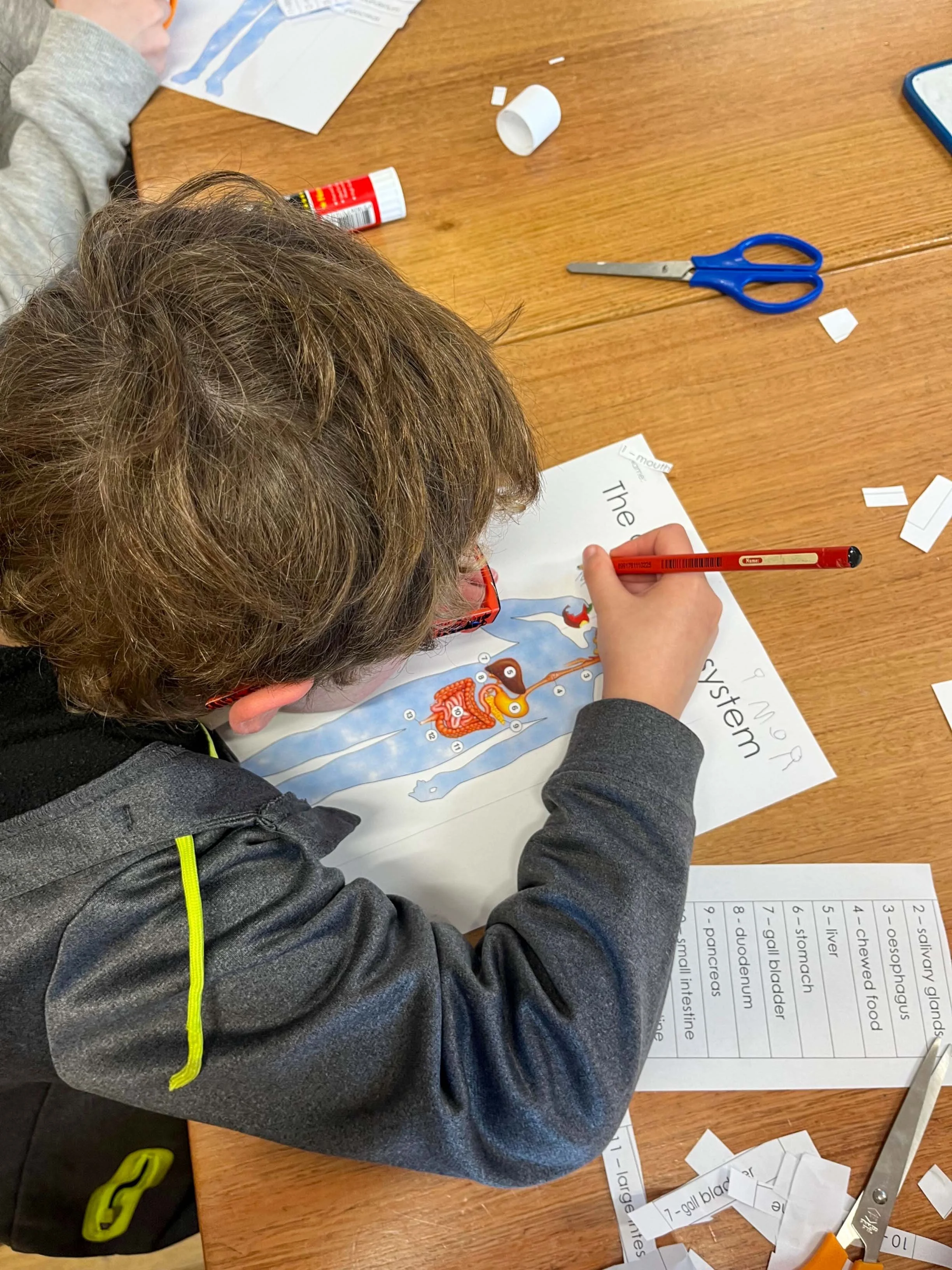
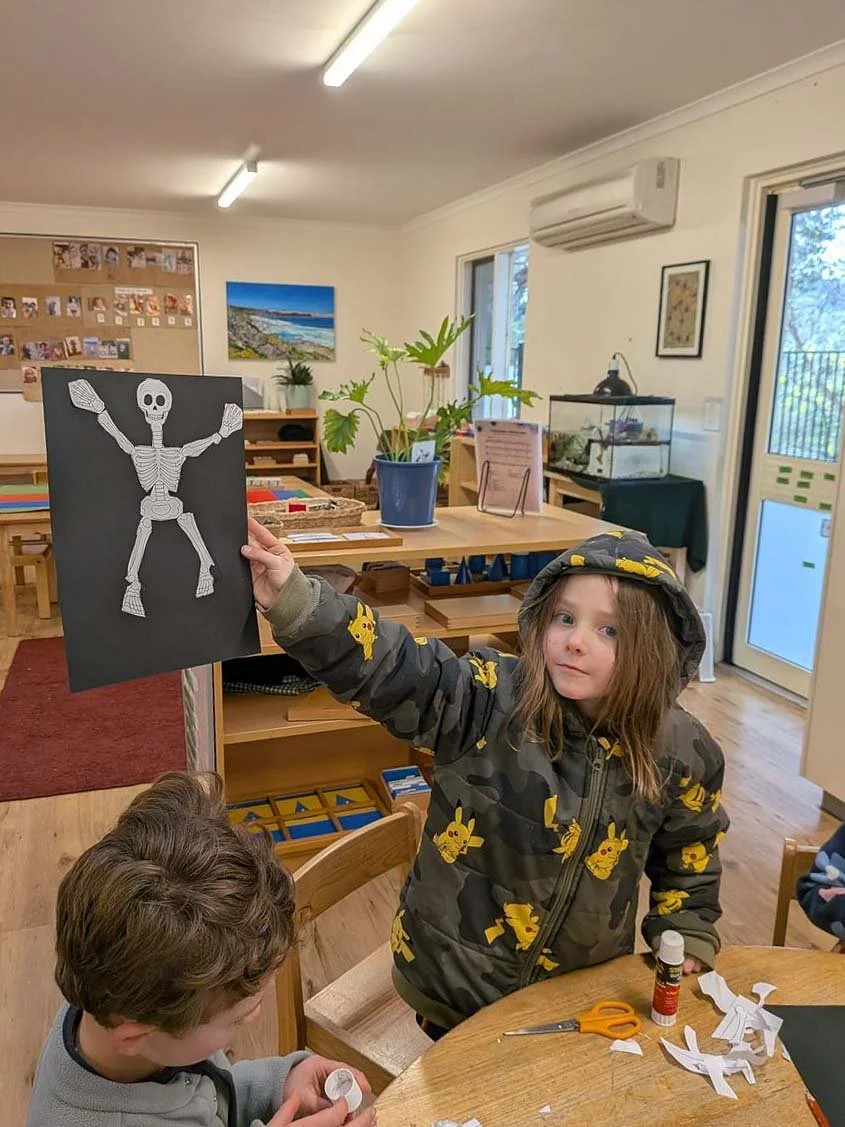
Students in Cycle 1 have been engaging with a range of materials and lessons to learn about the anatomy of a human being.
Through hands on craft activities, puzzles and labelling lifelike models they have been introduced to the names and basic functions for the skeletal, muscular, circulatory, respiratory and digestive systems.
For example, students learnt about the function of the heart with a circulatory system model utilising red died water (blood), plastic tubes (arteries and veins) and syringes (left and right ventricles of the heart). They have also really enjoyed learning external body part names in Kaurna with the song ‘Head, Shoulder’s, Knees and Toes’.
Cycle 1 Primary
“Human beings are a type of mammal.”
— Hitika
“Bones protect our internal organs.”
— Lenny
“If you didn’t have bones, you would be all floppy.”
— Will
“Your collarbone is called the clavicle bone.”
— Matilda
“Bones and muscles help our body move and stay upright.”
— Ziggy
“Lungs help you breath.”
— Bryn
“The funny bone isn’t actually a bone, it’s a nerve.”
— Jonty
“We have bones in our hands and feet called phalange bones.”
— Jeanie
Cycle 2 Primary
Dianella & Acacia Classrooms • Ages 6-9
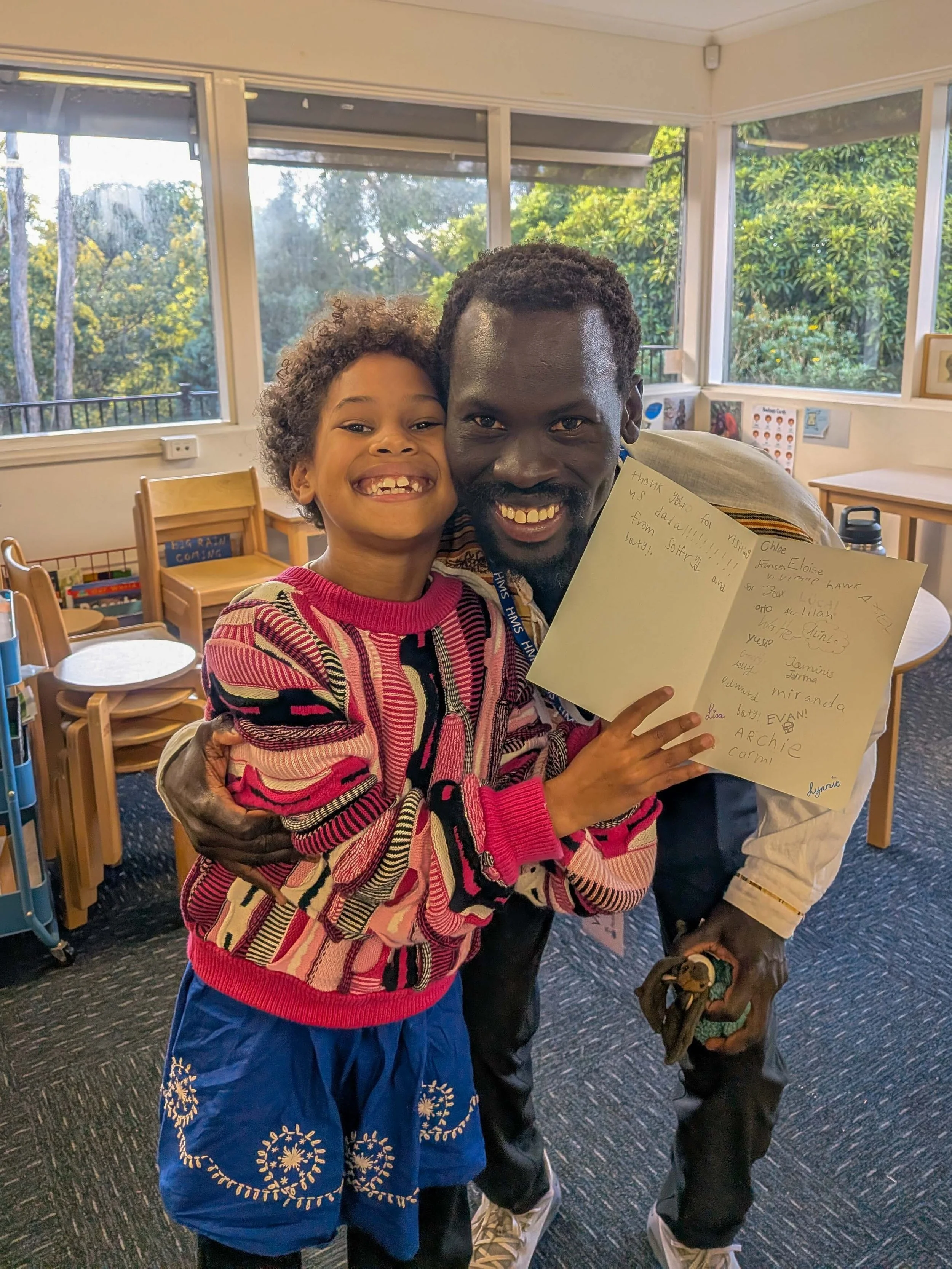
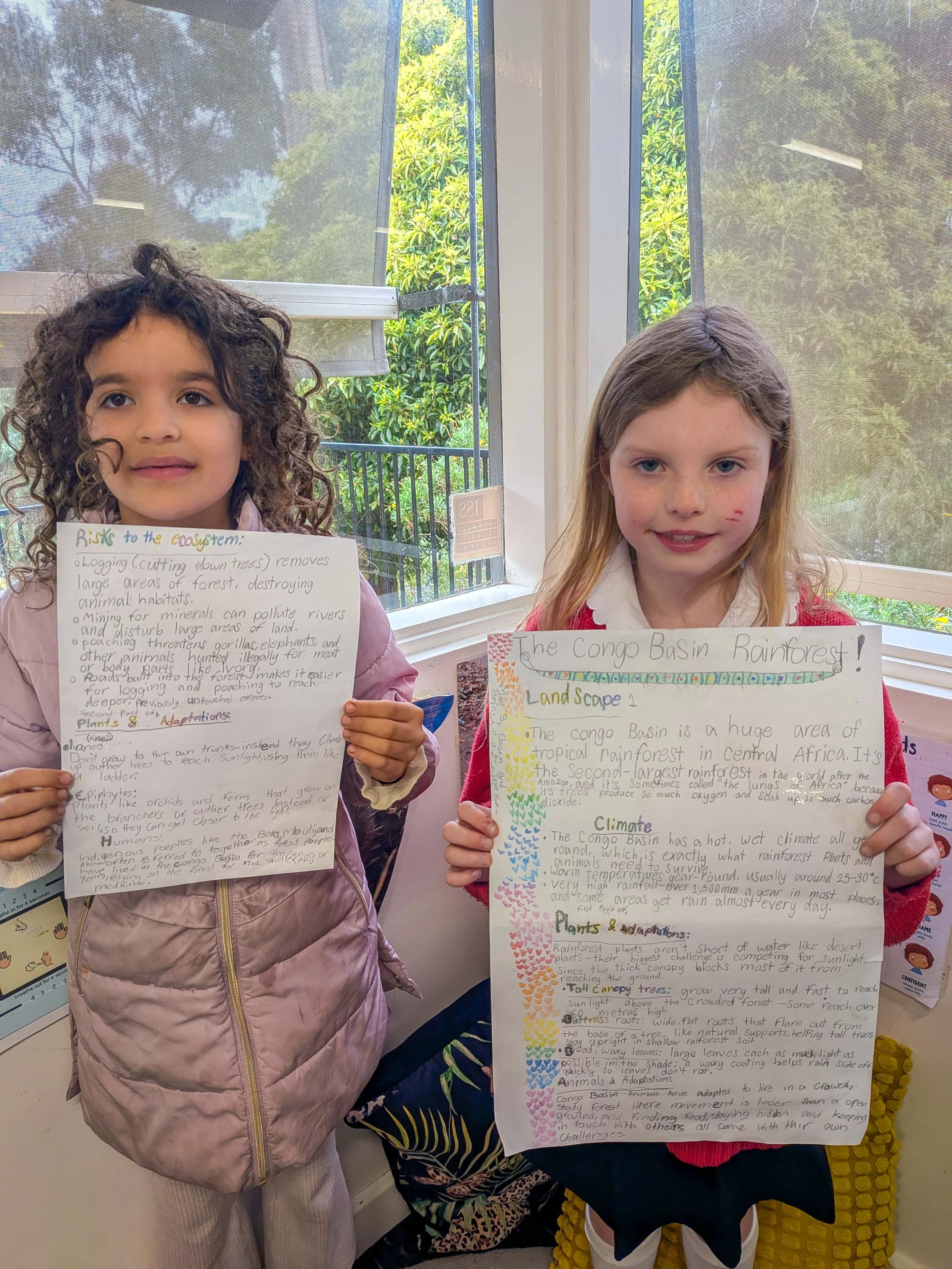
Our African continent study has continued to grow through rich experiences, conversations, research and creative work. We were very fortunate to welcome our class parent, Mayar, who shared stories and experiences from growing up in South Sudan.
Mayar spoke about moving from South Sudan, where he was born, to Egypt when he was a young child, learning a new language so that he could attend school, and then learning English when his family later moved to Australia. The children were fascinated to hear about Mayar's family, including their cows and farming, and the important status cows hold as a symbol of wealth and success in South Sudan.
Mayar also shared some wonderful family stories, including a tale about a lion creeping through the village one night and the story of his mother rescuing him from the Nile River when he was very young, after he accidentally tumbled into the water!
The children had time to ask Mayar questions and were so engaged by his stories and experiences. Mayar has also kindly offered to answer some of the children's other questions, which we will write down and share with him.
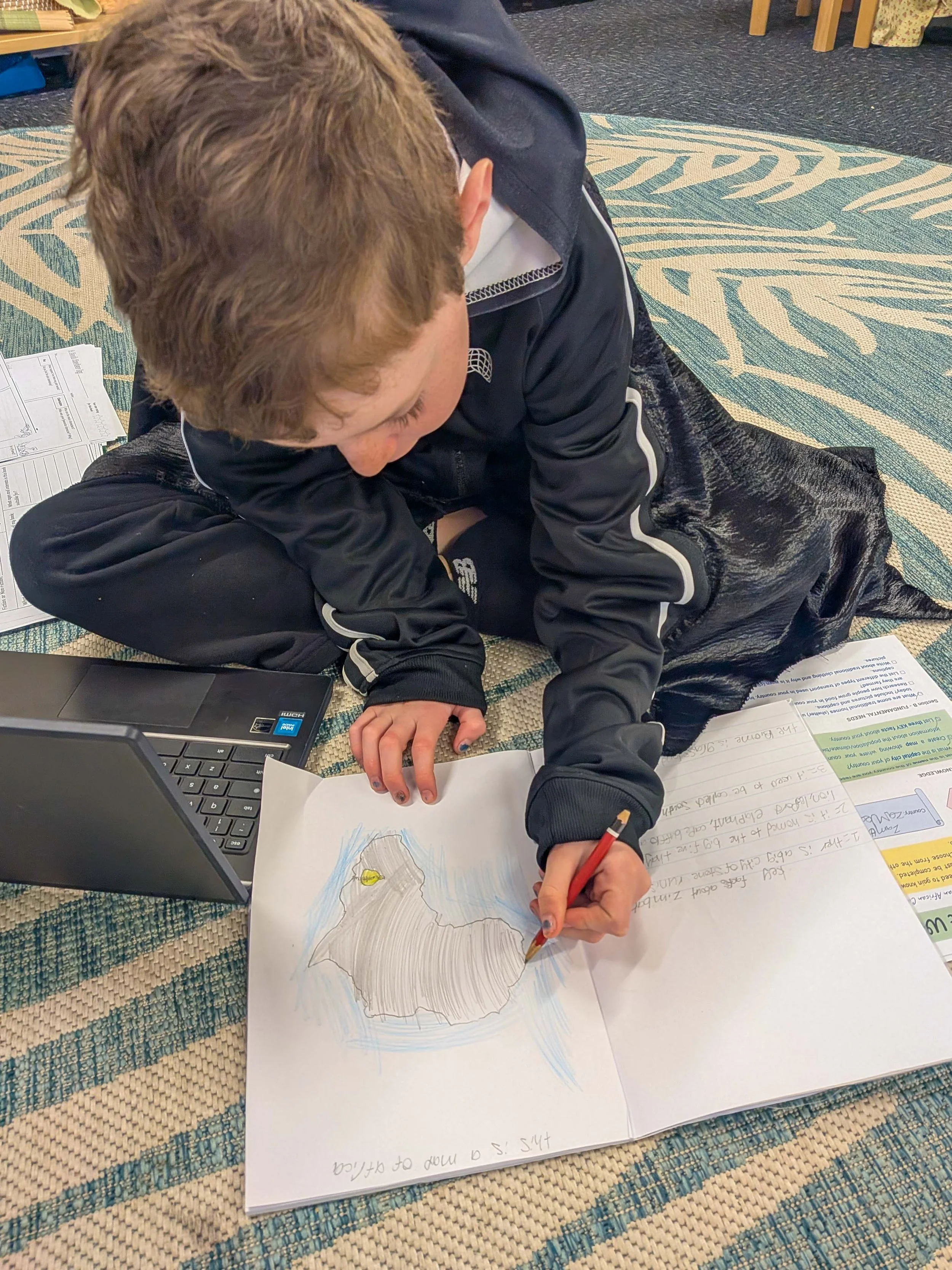
The class has now begun exploring individual African countries, researching and recording information in their project books. Students are developing their research skills as they investigate the geography, biomes, people, animals, culture, food, languages and unique features of their chosen country.
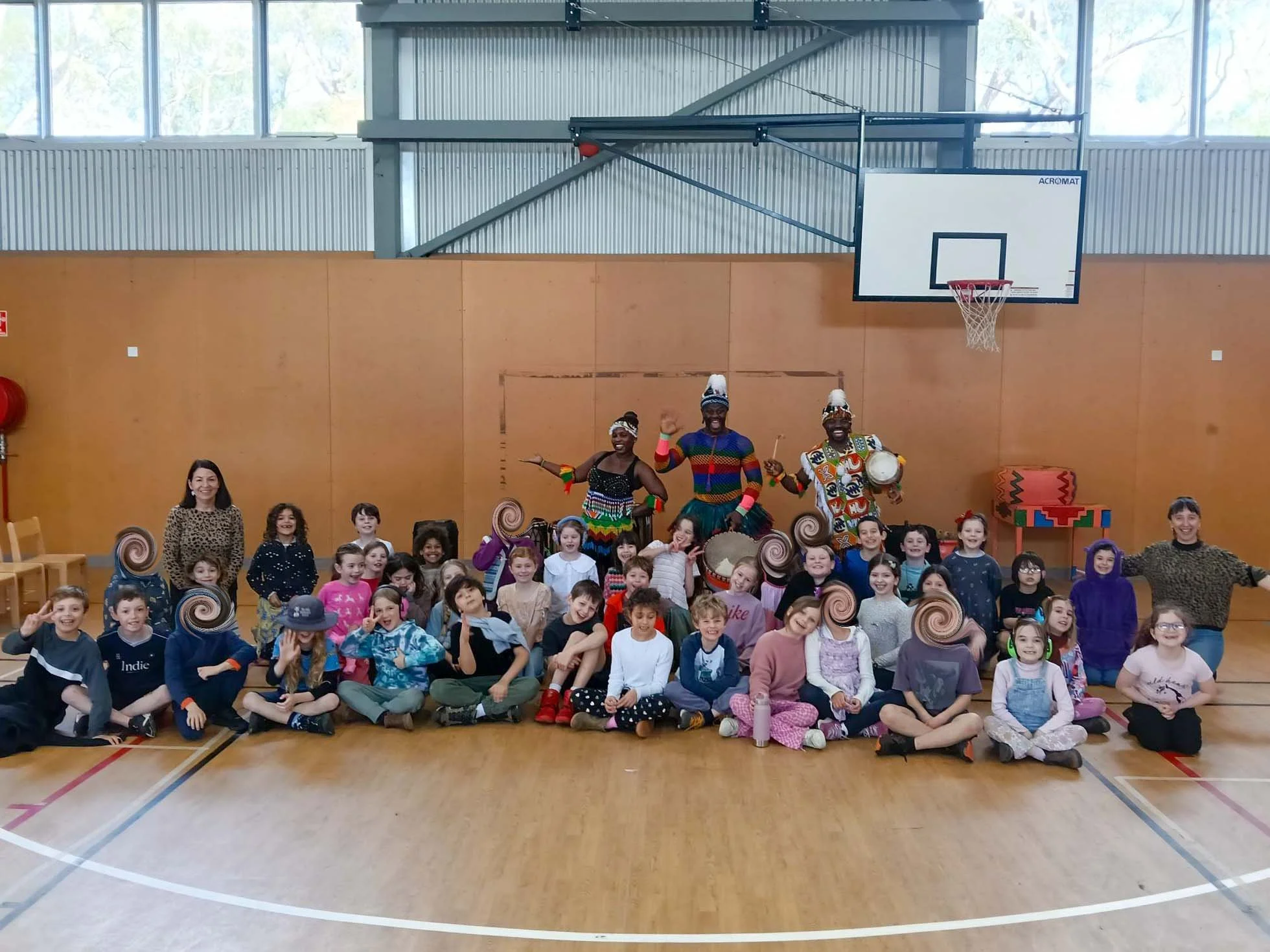
Earlier in the term, we also enjoyed an interactive African dance and drumming performance and workshop, giving students the opportunity to experience music and movement as another way of connecting with African cultures.
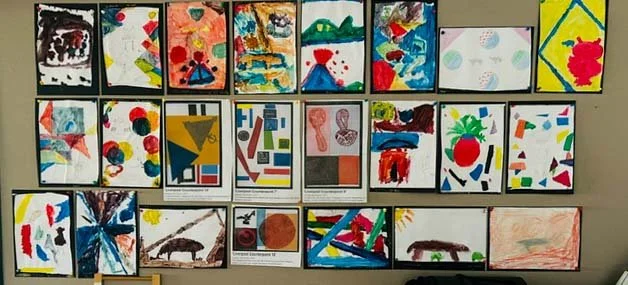
Our African studies have also inspired our Art learning. Students have been exploring colour mixing and complementary colours, drawing inspiration from African artist Atta Kwami. After observing and sketching artefacts during a museum visit, Atta used his observations to create his own painted artworks. A still life display of artefacts was set up in the classroom for students to sketch and paint. These artworks have now been framed and displayed in our classroom.
There has been so much curiosity, creativity and learning throughout this continent study, and the students are excited to continue developing their projects. They look forward to sharing their African research and learning at our upcoming Exhibition of Learning.
Cycle 2 Primary
Cycle 3 Primary
Callistemon & Grevillea Classrooms • Ages 9-12
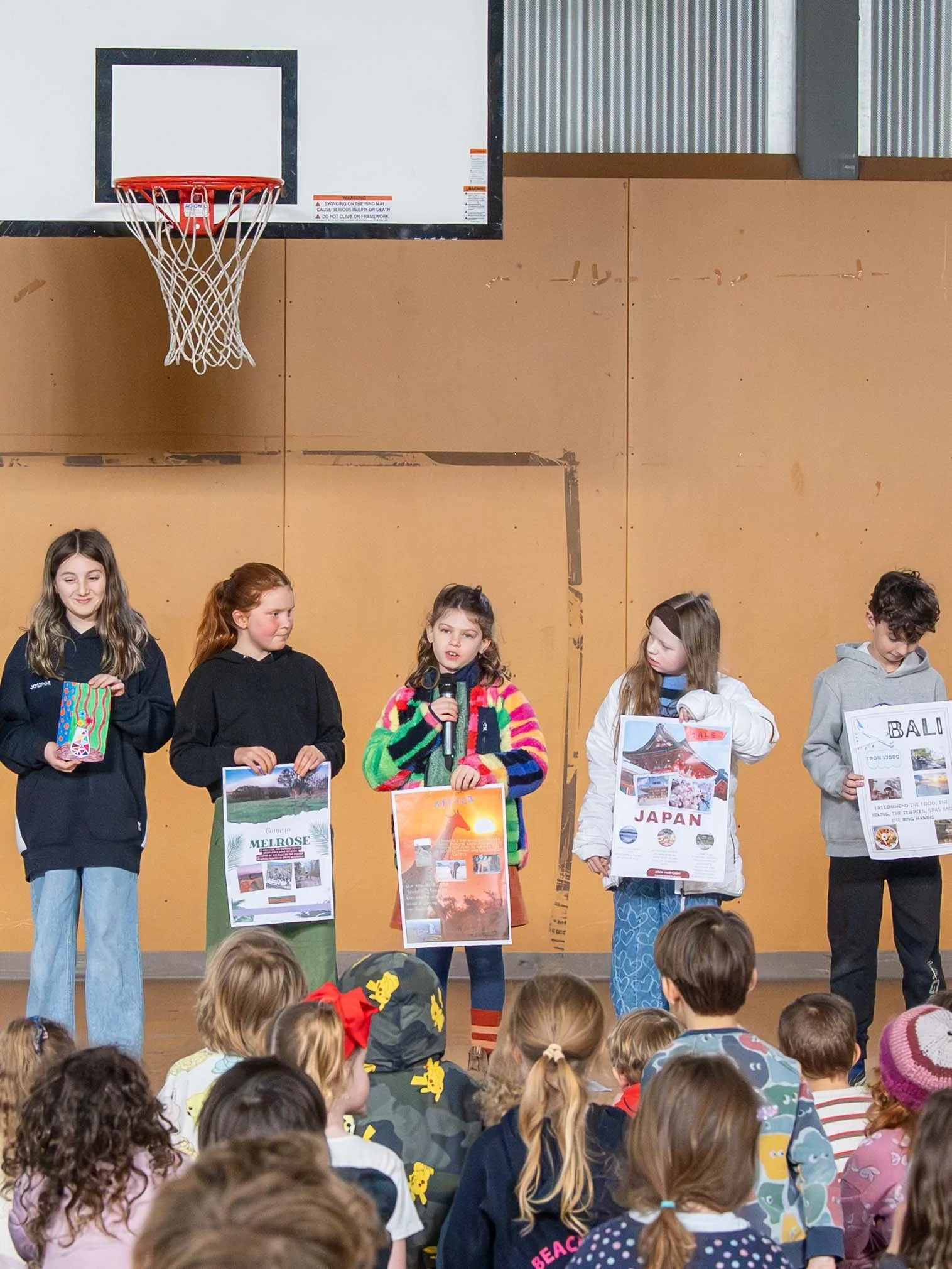
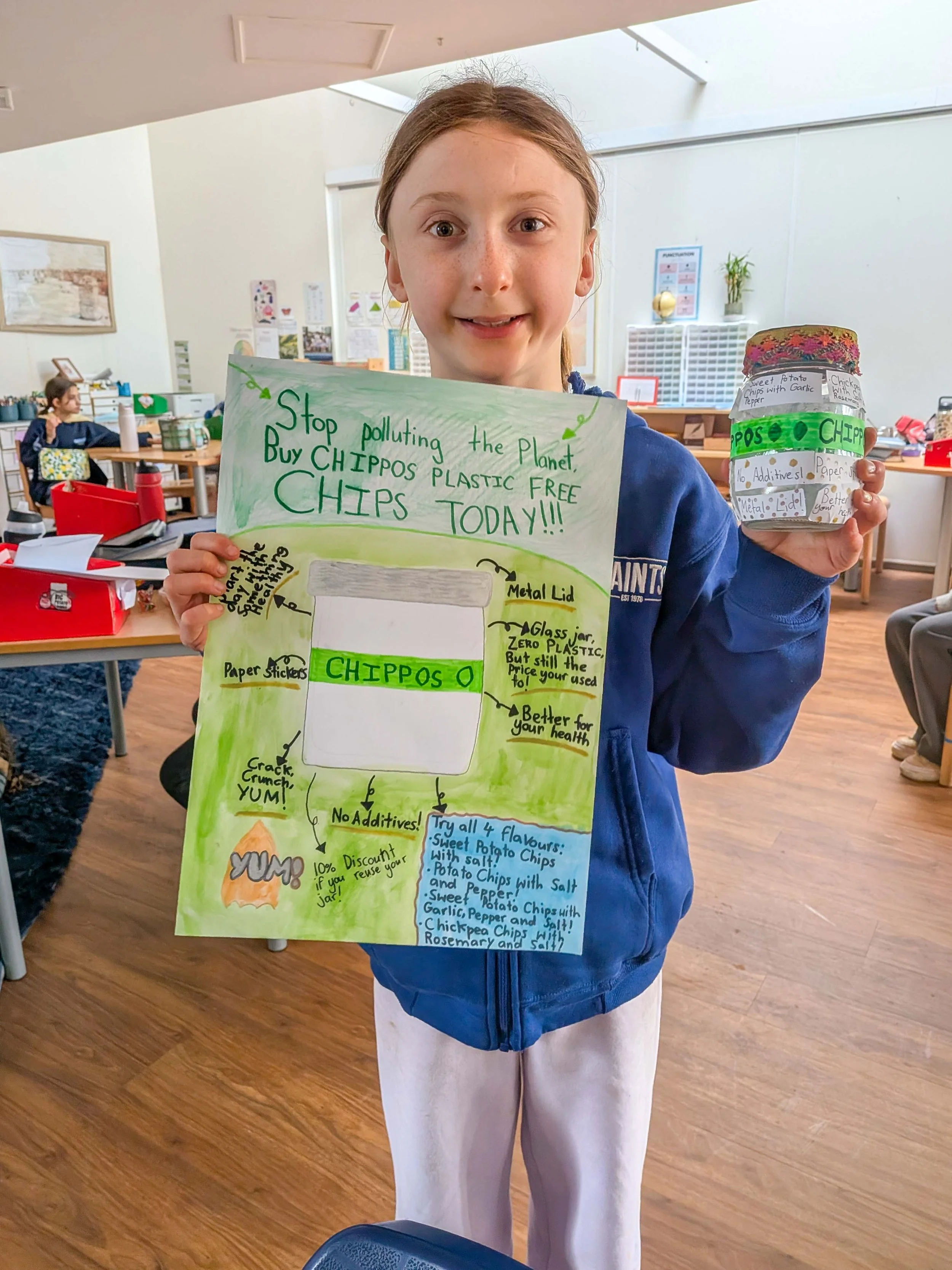
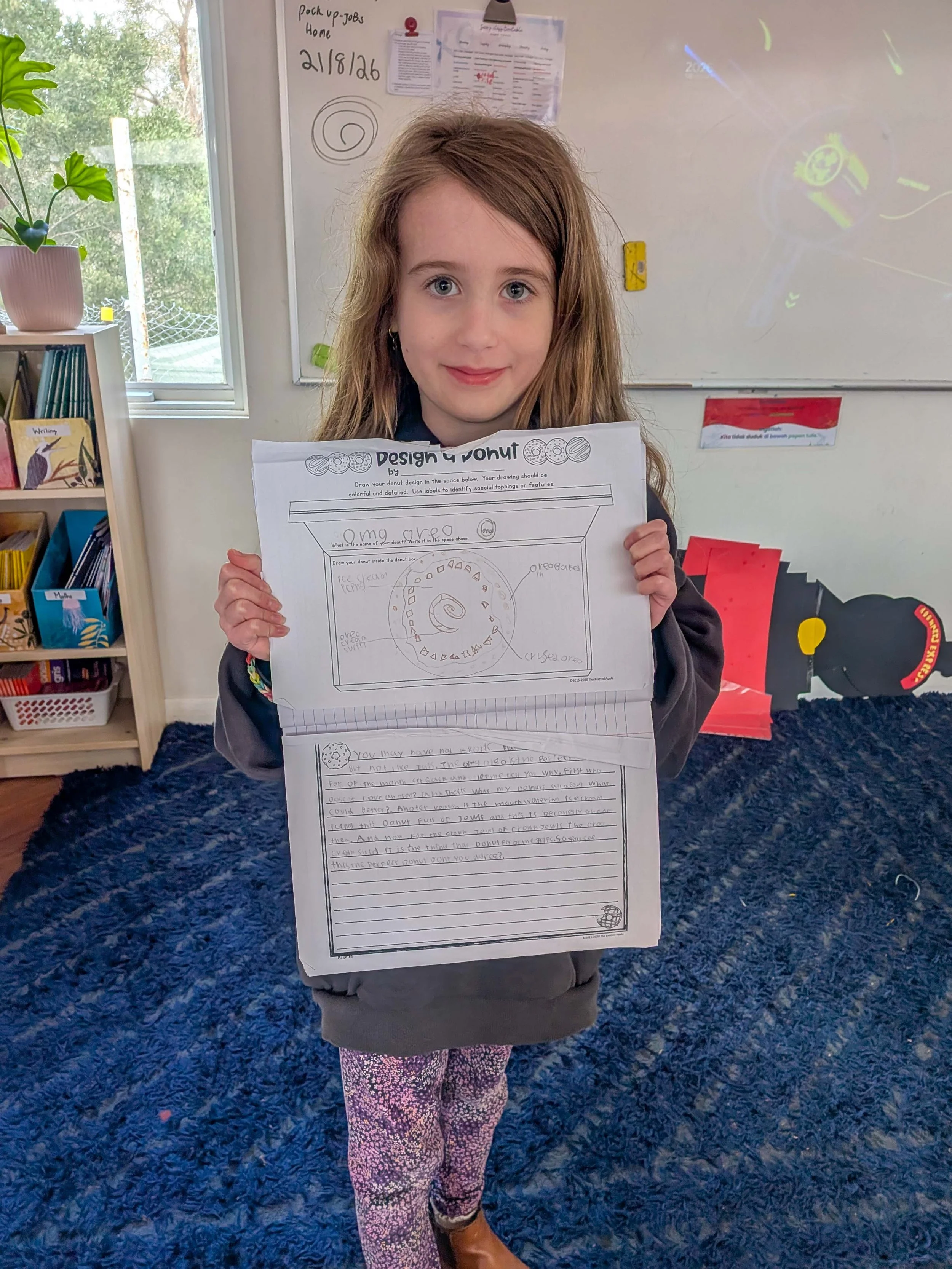
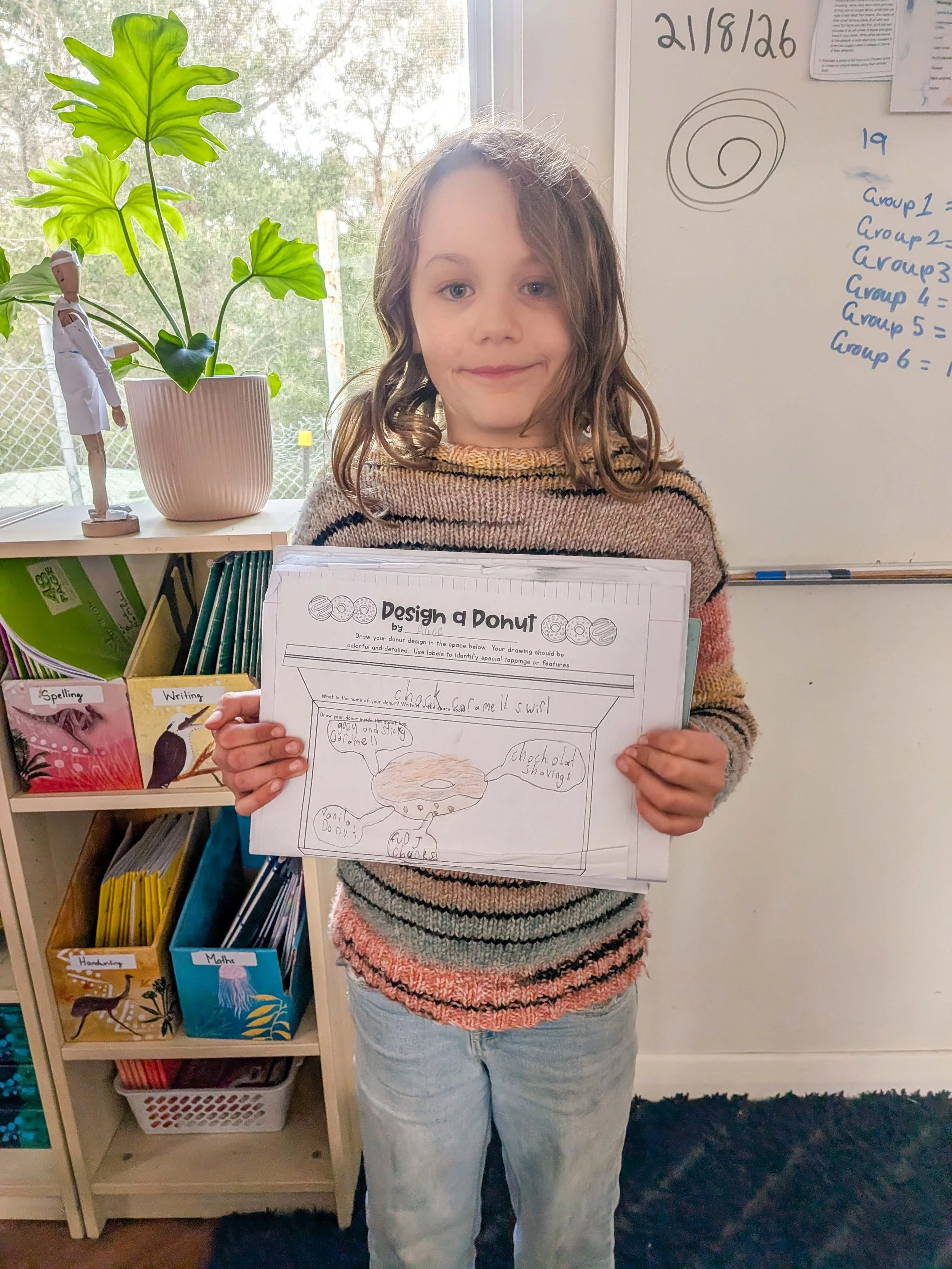
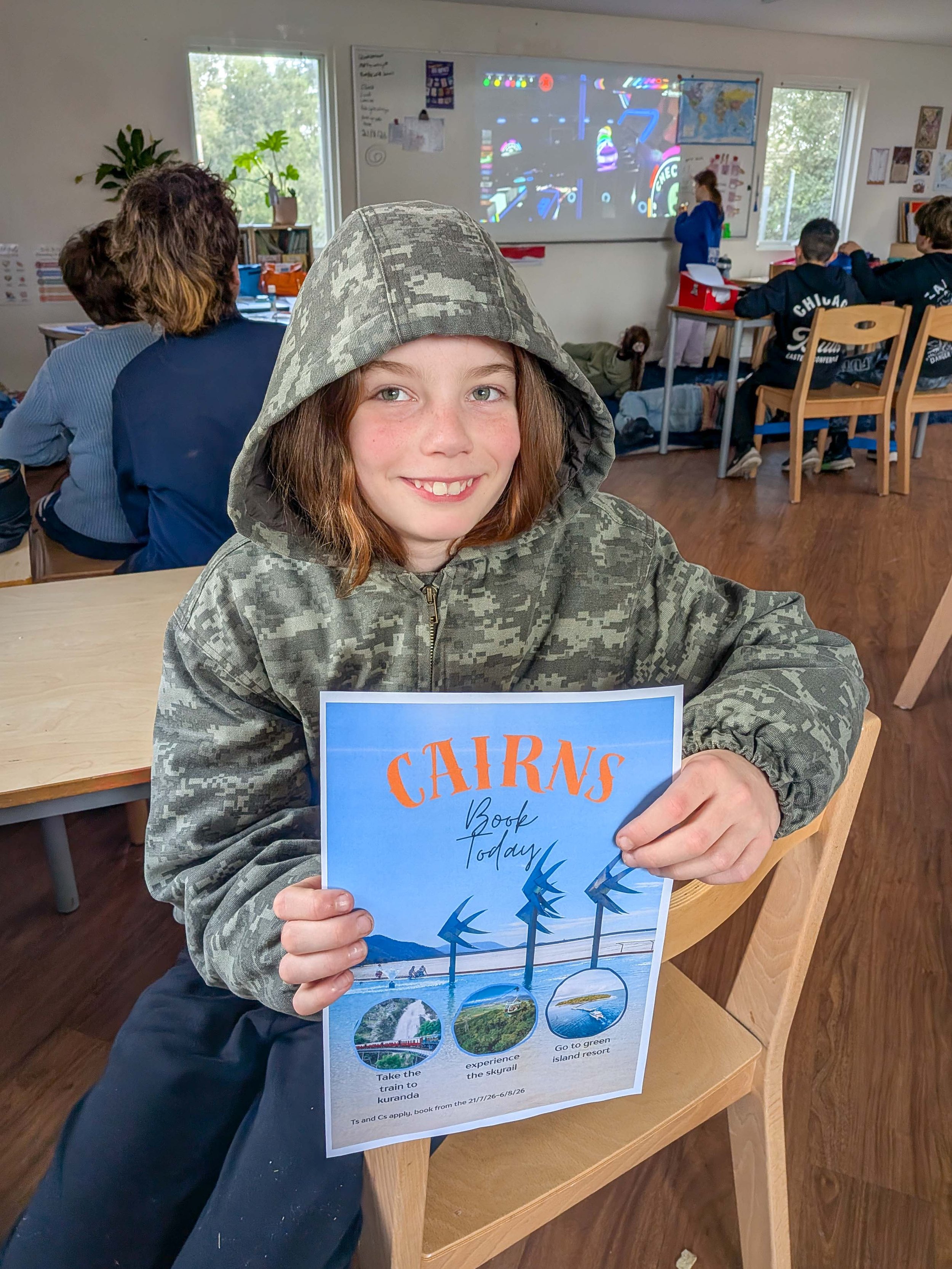
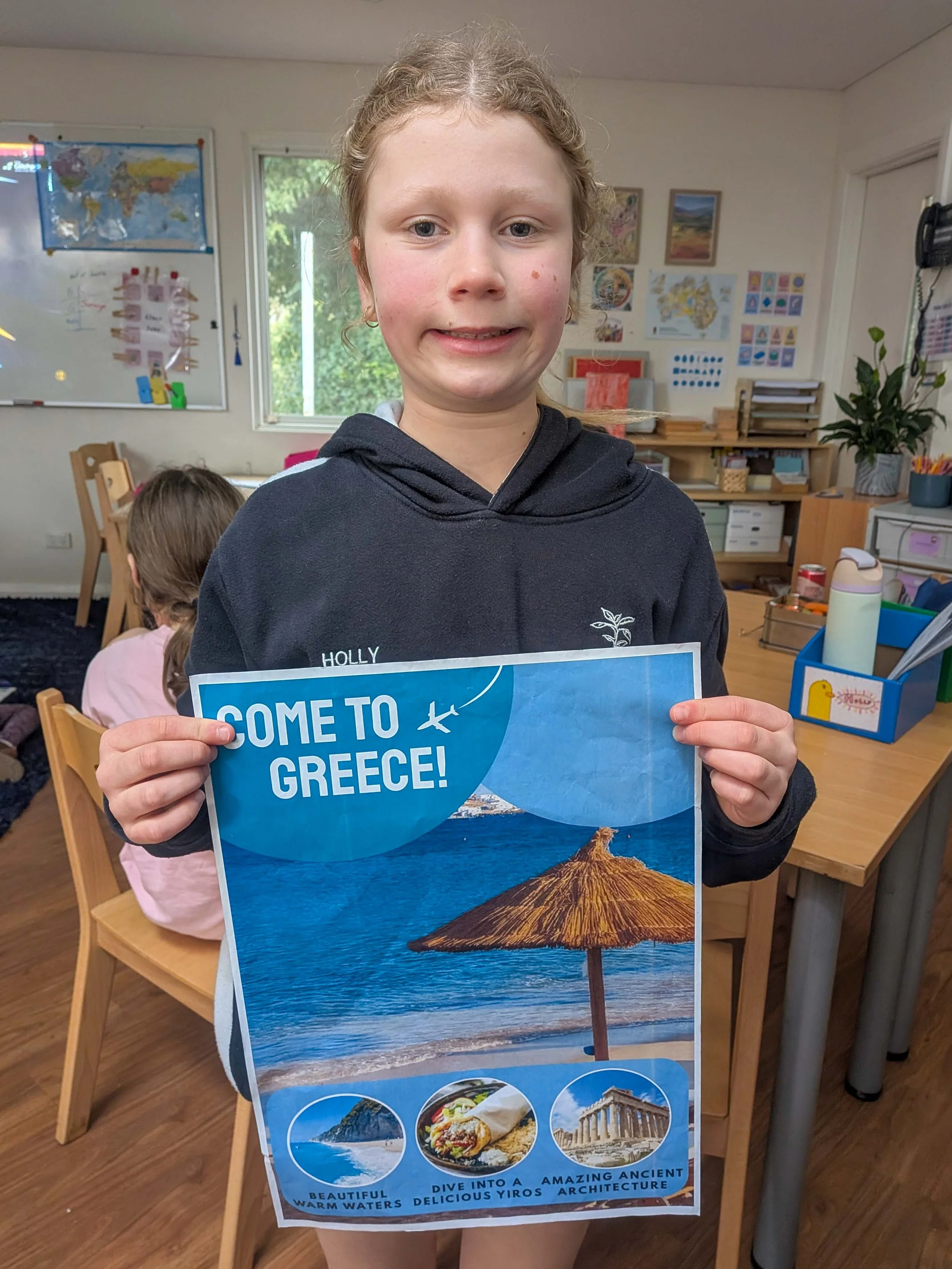
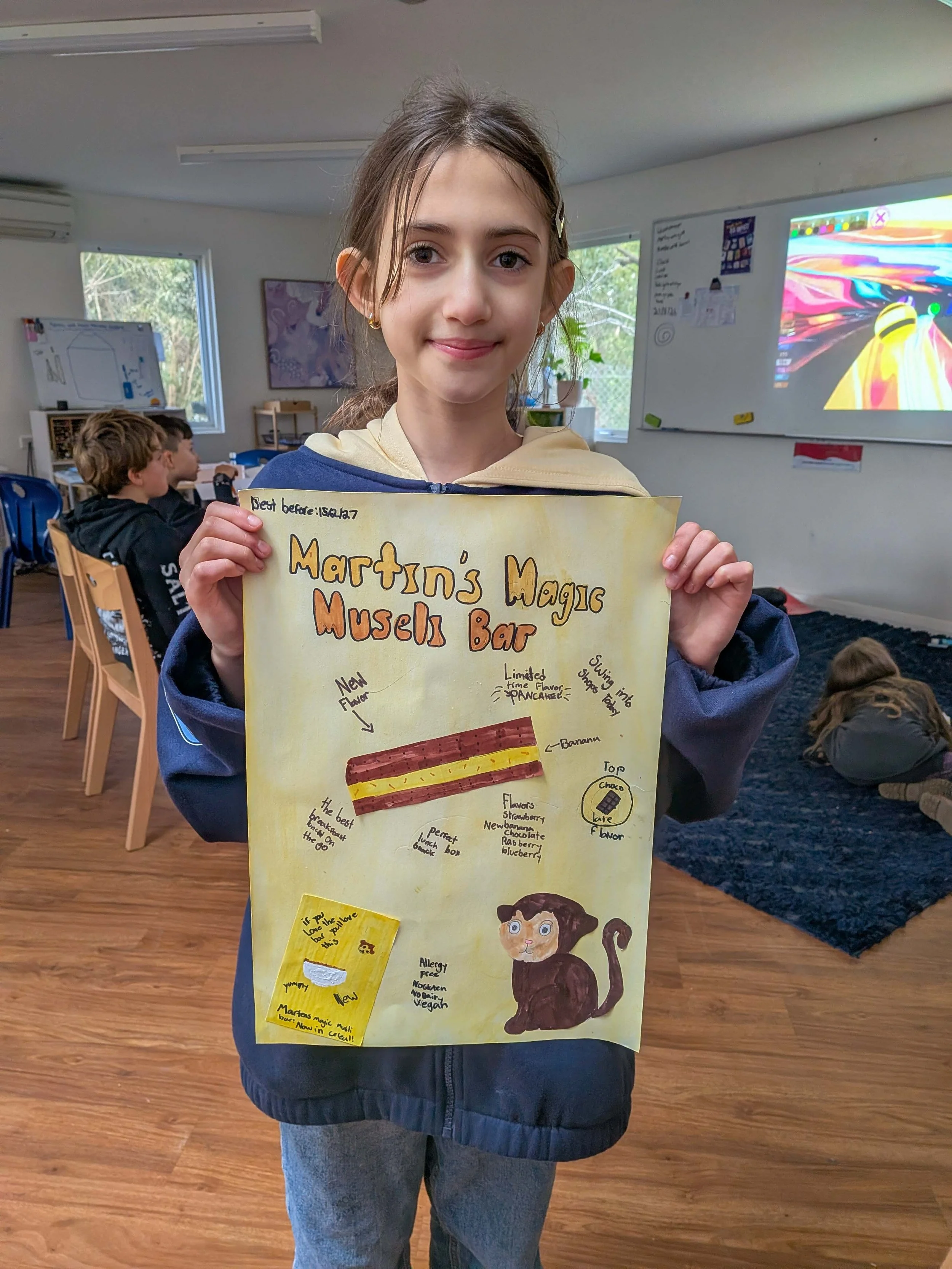
This term in Cycle 3, students have been investigating persuasive texts in advertising. They were introduced to the topic by watching video advertisements and identifying the target audience and the purpose of each advertisement. Together, we discovered the three main reasons for advertising: to inform, to persuade and to remind.
Students were then challenged to create advertisements for specific purposes, including tourism campaigns and product advertisements. In designing their own advertisements, they explored persuasive techniques such as imagery, alliteration, catchy slogans, rhetorical questions, compelling offers, calls to action and emotive language. Through learning about these techniques, students became better equipped to identify the motives behind advertisements and understand how they influence different audiences.
This deeper understanding of persuasive strategies has further developed students' critical thinking skills, enabling them to analyse and interpret the messages they encounter in various forms of media in their everyday lives.
We also enjoyed the opportunity to share some of our persuasive writing with the school community at our recent Sharing Assembly.
Cycle 3 Primary
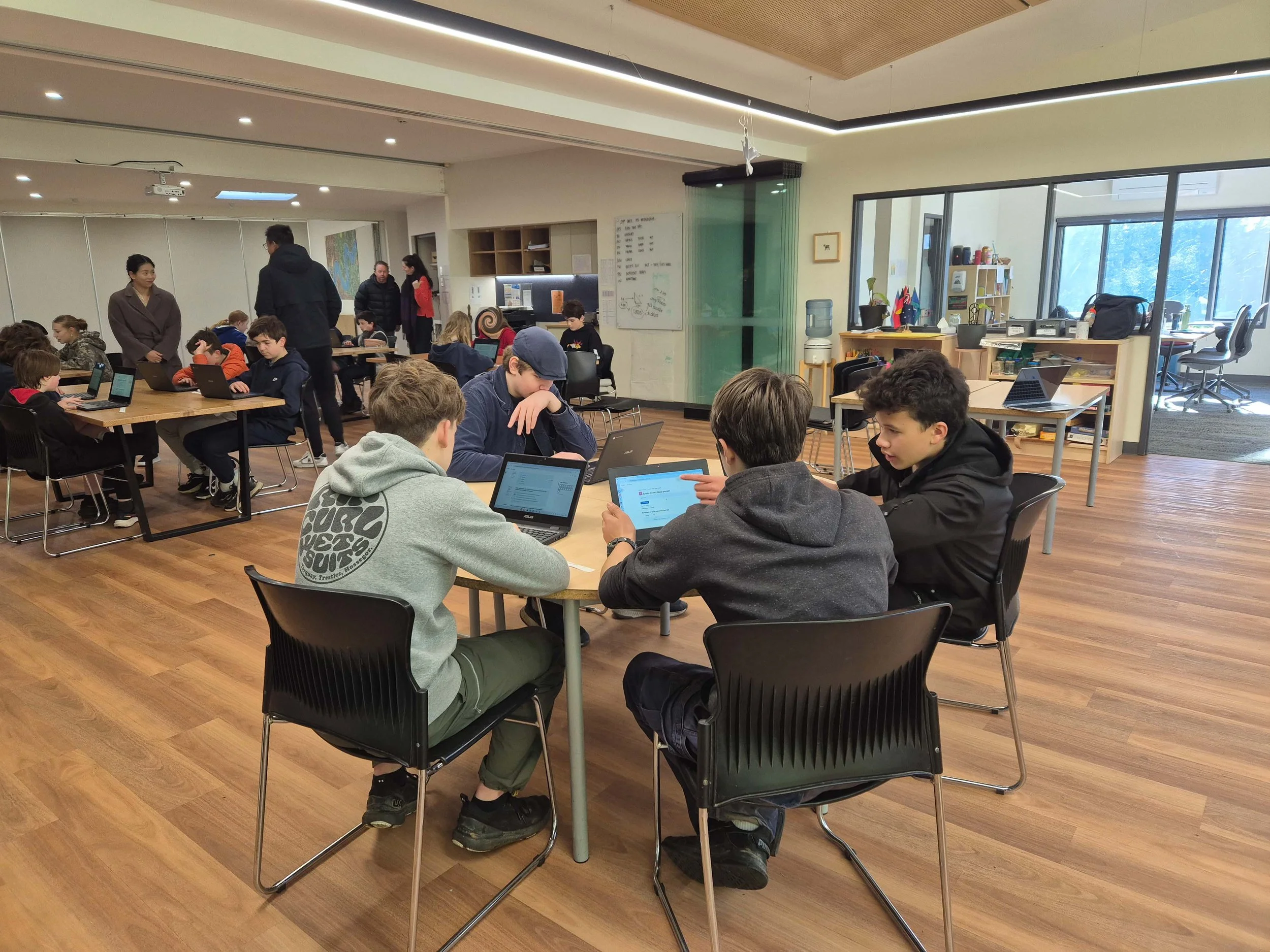
Cycle 4 Middle School
Wairoa Campus • Ages 12-15
In Term 3, we emphasise the cultural curriculum, culminating in our Cultural Studies Expo in Week 10.
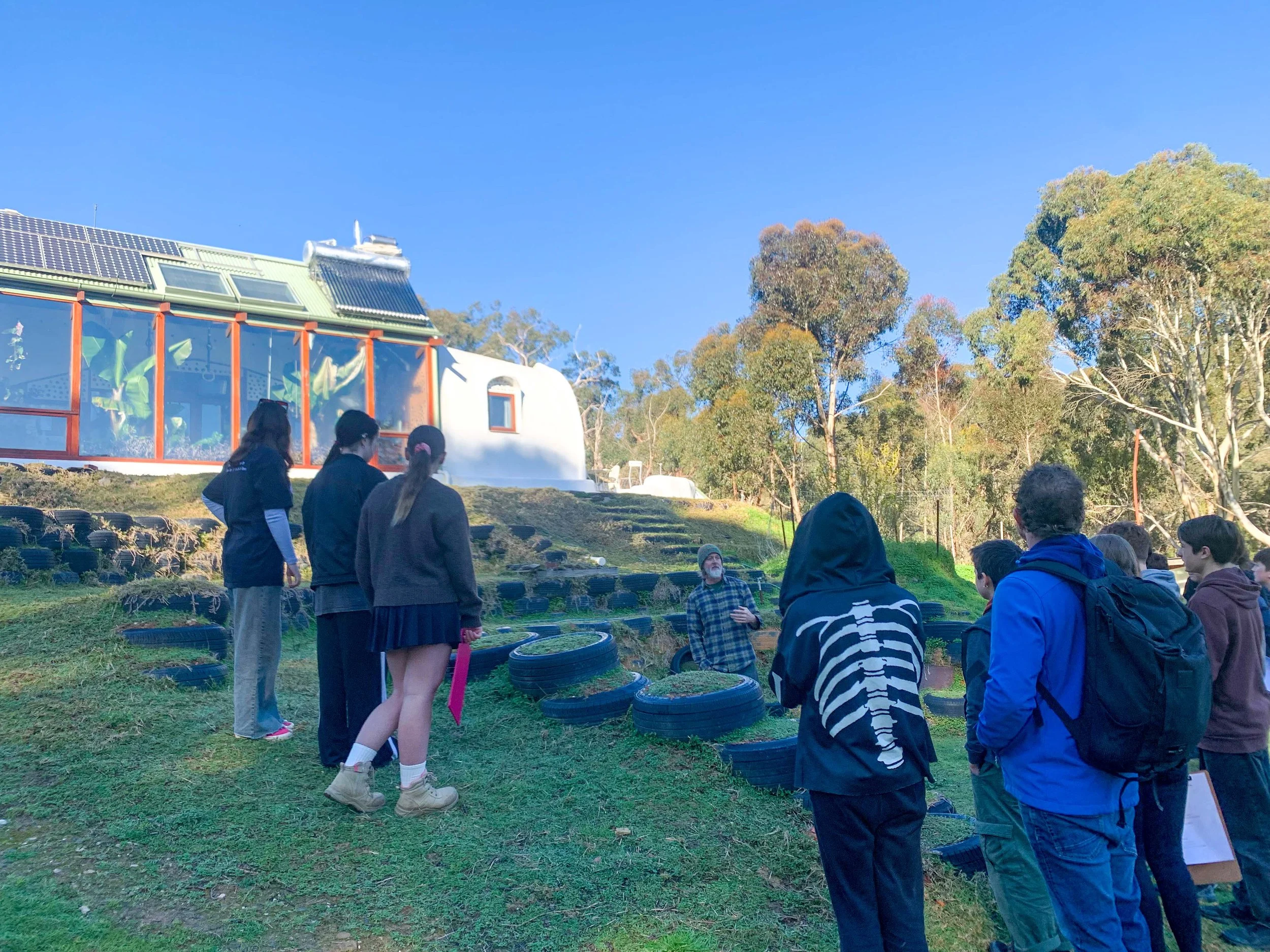
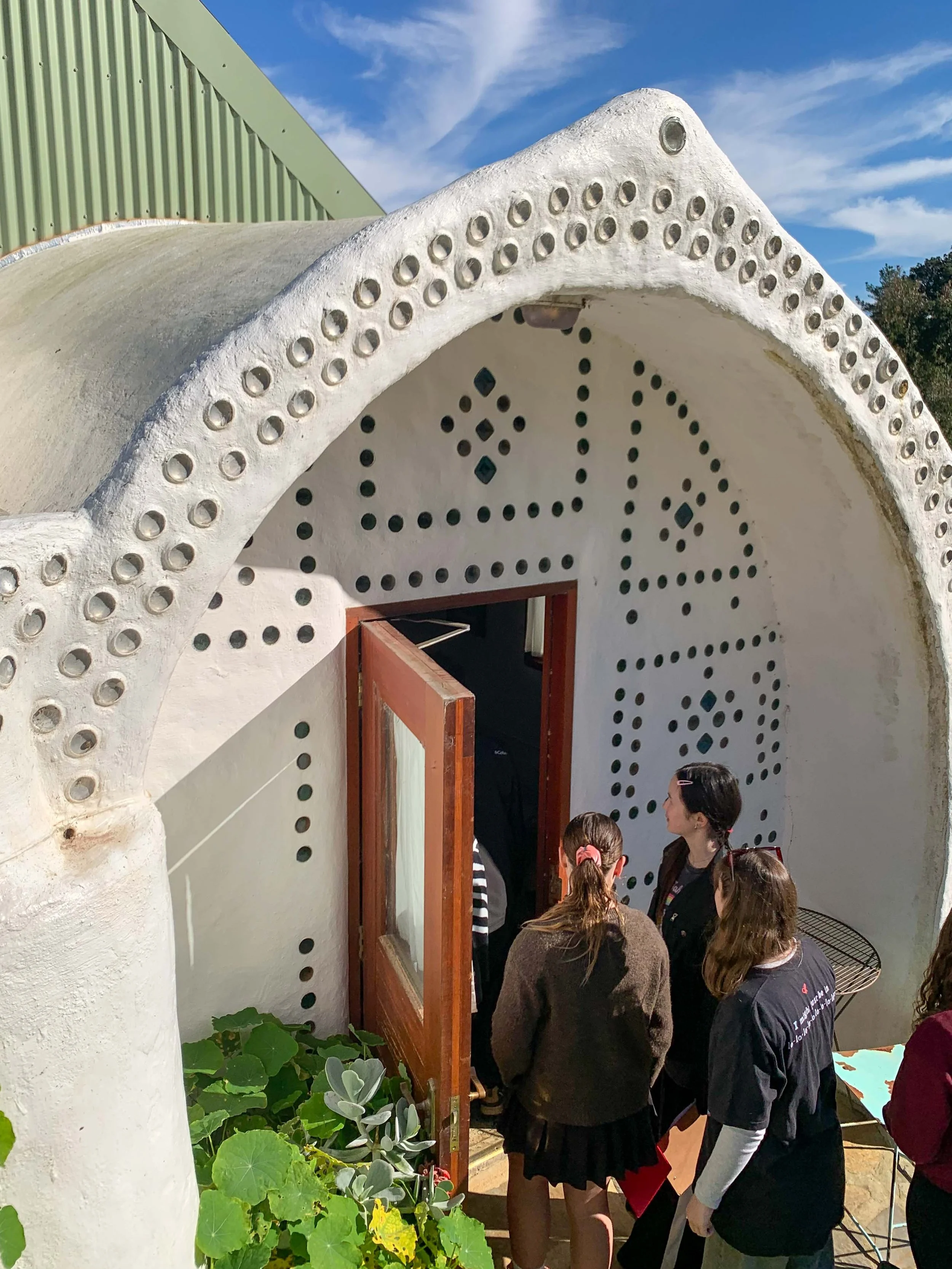
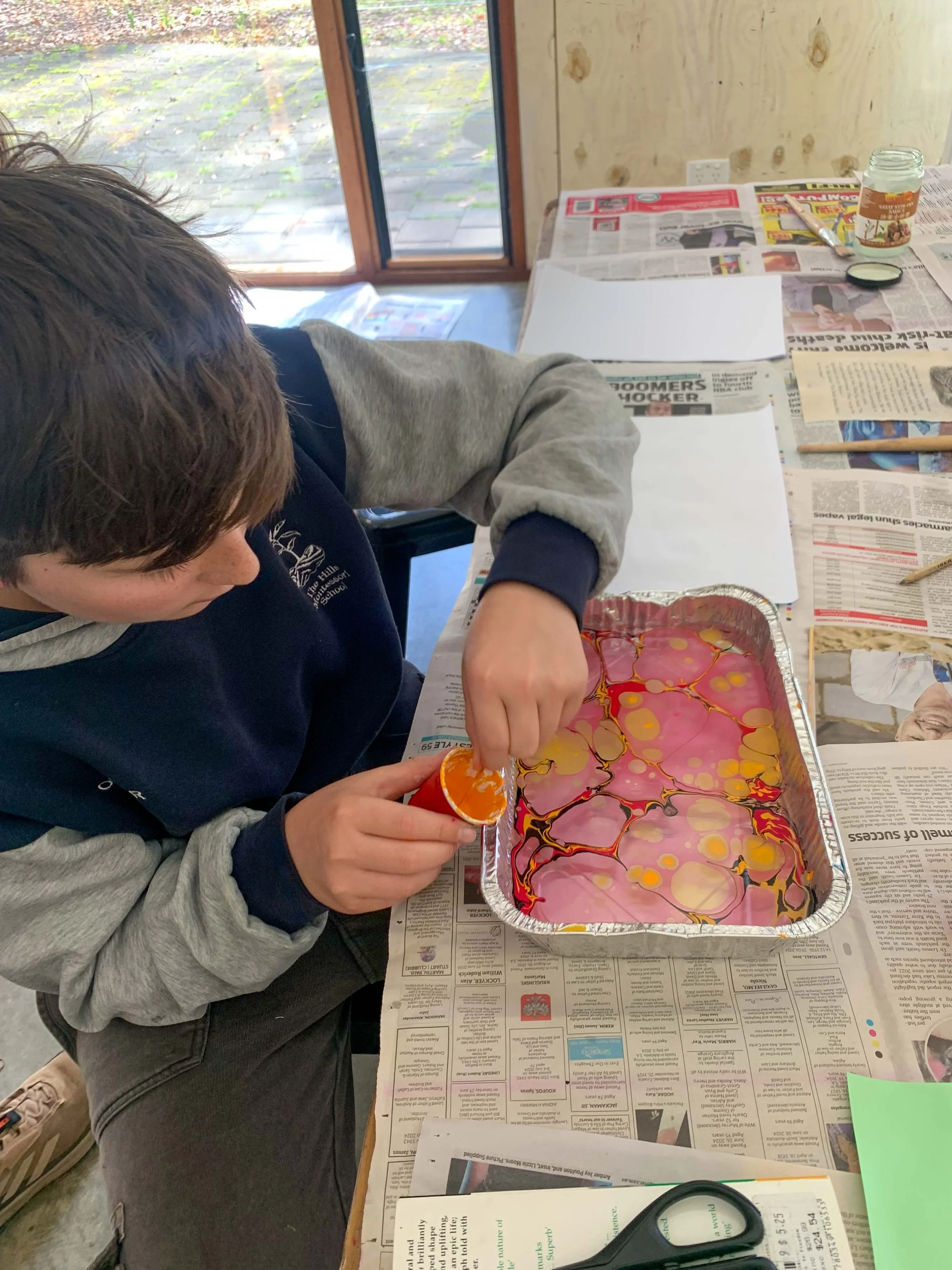
In Montessori education, the cultural curriculum encompasses science, geometry, geography, history, music, art and craft. This term, our cultural curriculum has included astronomy, liveability, sustainable architecture, marbling, perspective art, and Pythagorean theorem - just to name a few! Featuring many goings-out and much hands-on work, we have had plenty of chances to see our learning concepts made concrete. Student work from these subjects, as well as other undertakings from previous terms, will be available for viewing and discussion at the Cultural Studies Expo.
This is also the term for RICH projects, where students undertake an independent research project. The RICH project involves Research, is Interactive, is well-Communicated, and is substantially done from Home. This year, some of our projects include: the evolutionary link between birds and dinosaurs, building a bike frame, the social and scientific history of milk, and film-making. Many of these will be presented as part of the Cultural Studies Expo, and we encourage families from across the school to join us.
Please stand by for more information and know that Wairoa Kitchen will be operating a pop-up food stall on the night, selling delicious home-made food, so be sure to get here early!
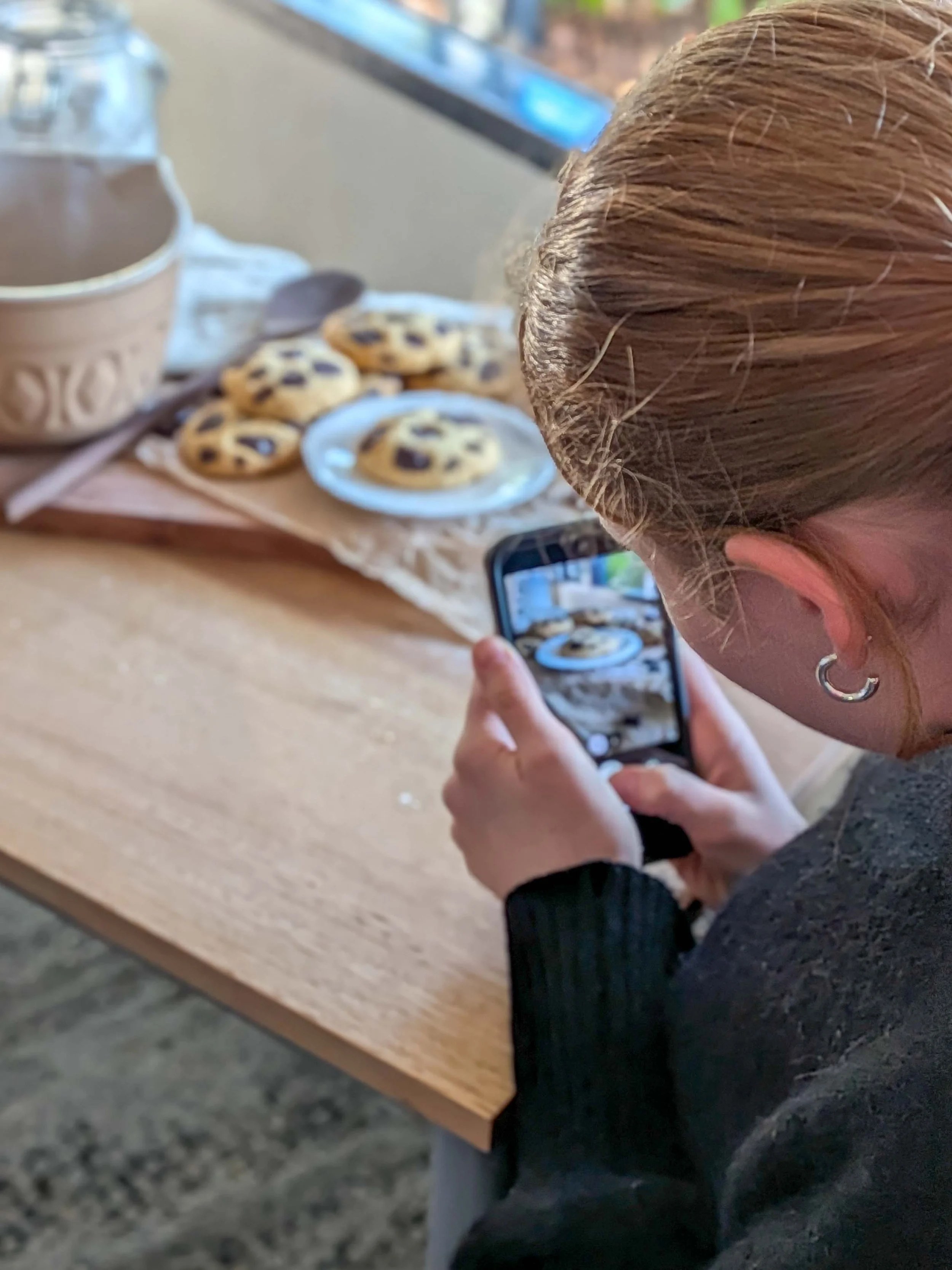
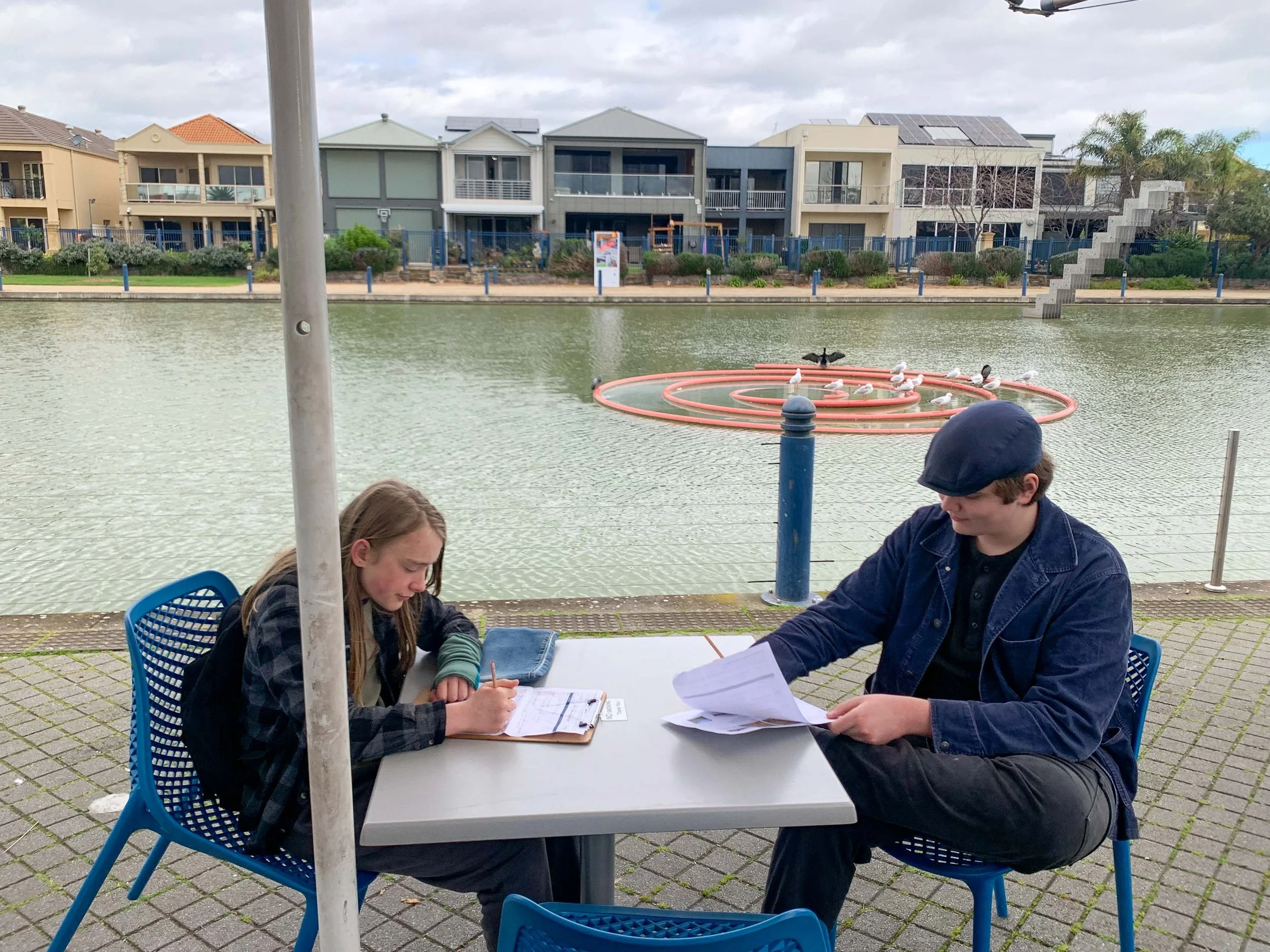
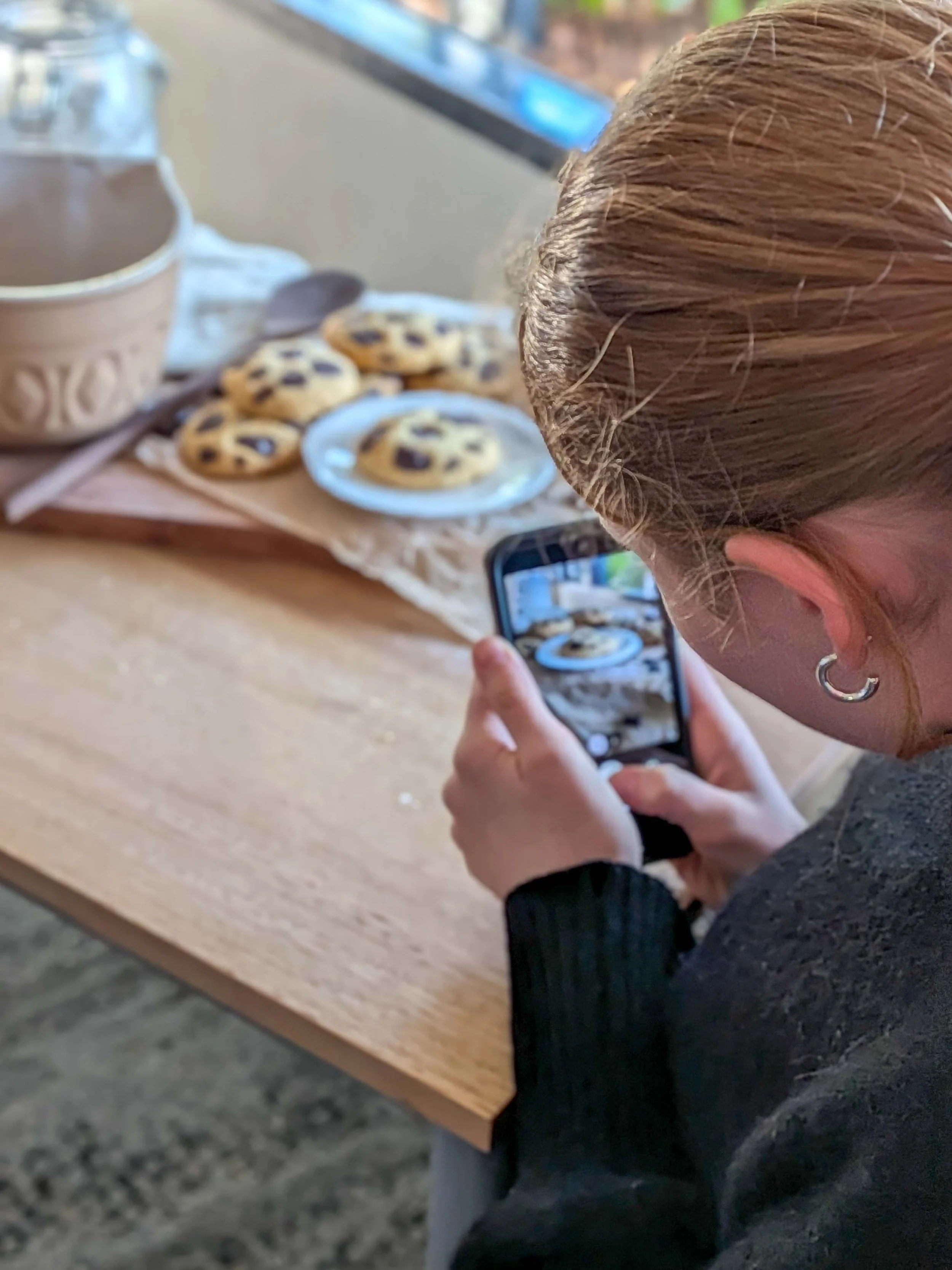
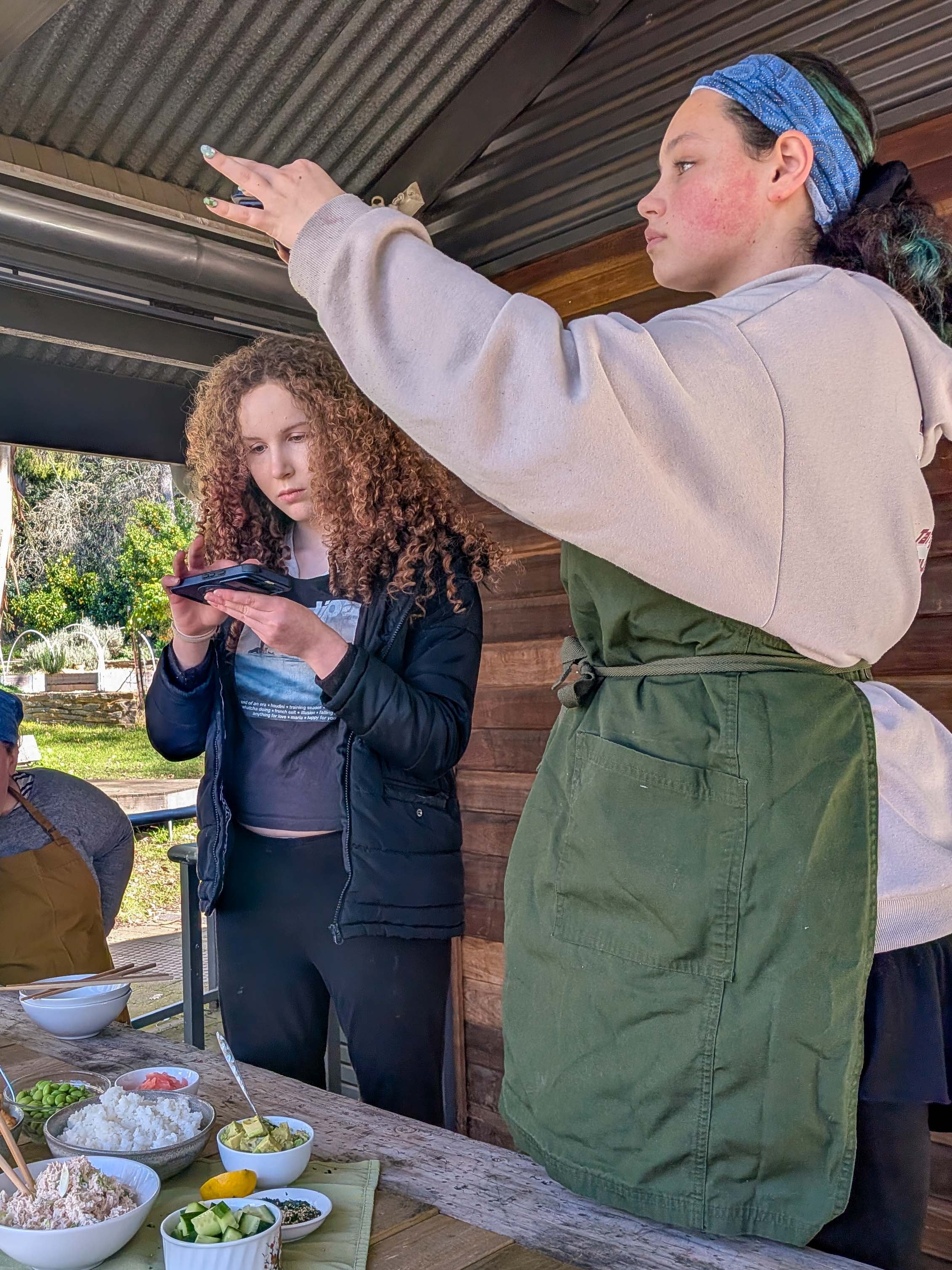
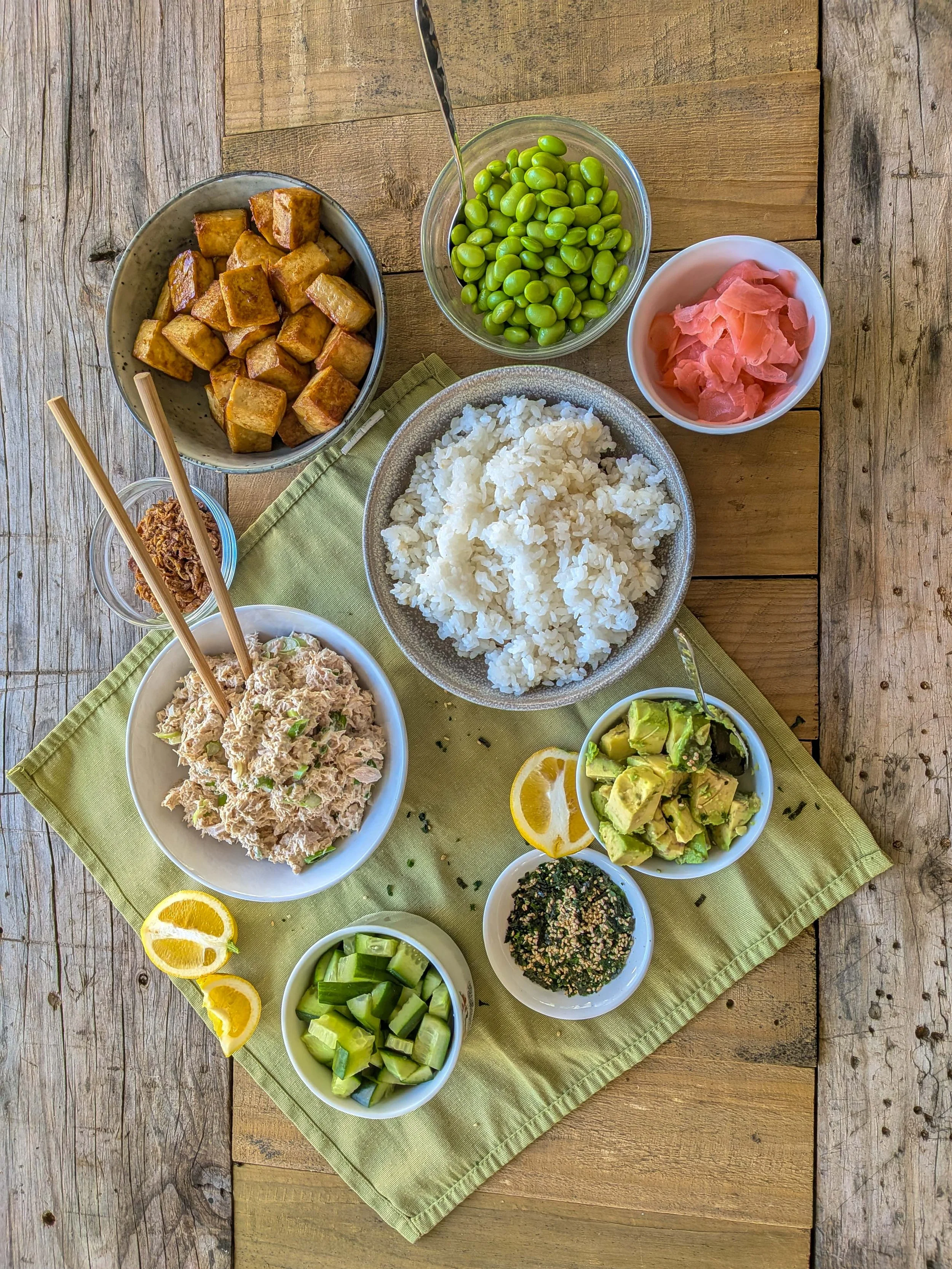
Below are some photos from: the Sustainable Architecture group’s visit to Earthship in Ironbank; the Recipe Book Occupation’s food photography session with Danielle Symes; the Humanities visit to Mawson Lakes; the Marbling CE.
Wairoa Cultural Studies Expo
Wairoa Campus (142 Mount Barker Road, Stirling)
Thursday, Week 10 (September 24th)
Time: 4pm - 6.30pm
Cycle 4 Middle School
“I liked learning about camera angles and lighting in film… I feel like I can take a real portrait now!”
— Spencer
““My RICH project is on The Gateway Theory for Pain Management. I’ve enjoyed the freedom of choosing an outcome at the end.”
— Aila
“I really liked our session on food photography - I didn’t know anything about it, and Danielle’s session was so interesting.”
— Matilda
“In Heating and Burning, I enjoyed learning about which insulation was best, and I’m looking forward to cooking steak!”
— Miller
Specialist Teachers
Music with David
Music in and for the classroom
When I’m choosing music for the children to learn, I move through a series of criteria which, unfortunately (or perhaps not), excludes 95% of the musical repertoire that currently exists.
The key area for me revolves around lyrical sensibilities and their fit for the children who will be learning them. The songs’ language has long been a focus because, after all, isn’t it the story, spun in literary terms, that the music is attempting to deliver?
Neurological research around the power of music loosely touches on this external force, as language engagement is a powerful tool in the synthesis of meaningful music-making.
An example is the song Country Roads by John Denver, which tells a somewhat typical story of longing for home - a theme of Ulysses’ Odyssey that recurs across many genres of music.
Its theme follows a macro-to-micro linearity, where origins, geography, history, industry and natural beauty are all clearly and poetically identified. That is Verse One, with Verse Two continuing this rich theme, but associating it with personal memory, societal systems and anthropological object assignment.
The bridge then gets personal, as the writer is in the region they’ve been talking about, and the emotional longing takes over, with even a hint of intuitive melancholy creeping in.
Each week, I’ve brought a new aspect for the children to ponder as they explore these themes, and they sing it like they own it.
I’ve appreciated parents’ suggestions of songs, as some of these are now embedded into the music classroom’s repertoire. The meanings within these songs can become hearable truths that stay with children through the peaks and valleys of life.
Cycle 1
Throughout term 3, the Cycle 1 learning community will be focusing more on musical concepts that will involve melodic and harmonic ideas and activities. Students will continue to build their Rhythmic understanding, and they will further develop their application of those learned skills within musical frameworks. Students will develop some new repertoire and activities around these new songs, that will include body percussion, auxiliary use of percussion and its application in ensemble scenarios.
Cycle 2
Throughout term 3, the Cycle 2 classes will be primarily focusing on melodic and harmonic ideas and activities. These concepts, married with their Semester One work with Rhythm, Form and Texture, will help students develop ideas around chord construction, chord and song tonalities and melodic undulation. Students will continue to build more deeply their Rhythmic comprehension, within musical frameworks of form and structure. Students will develop some new repertoire and activities, developing their understanding around the practice of ensemble playing.
Cycle 3
Throughout term 3, Cycle 3 classes will be focusing more intently on the musical concepts of melody and harmony, including developing soloing techniques on tuned percussion. These concepts, when used with their Semester One work with Rhythm, Form, Texture and dynamics, will assist with students developing ideas around chord construction, chord and song tonalities and melodic fragments and undulation. Students will continue to build their Rhythmic comprehension, within musical frameworks of form and structure, and will form small ensembles for performance opportunities. We will begin work on ukulele’s, playing charts of repertoire that is already known to them.
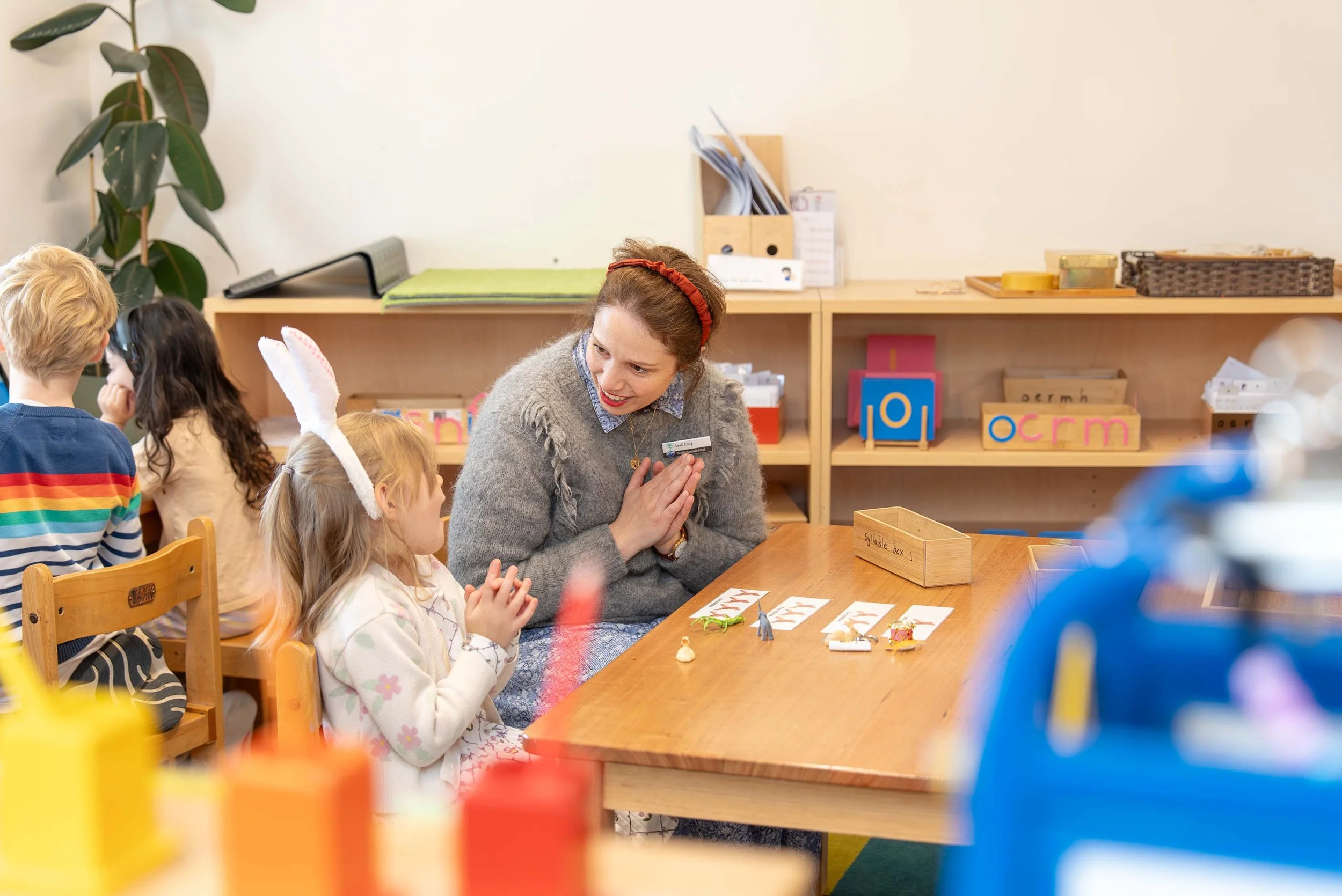
Primary School
Yultiwirra Open Day
Join a guided group tour led by staff and parent guides, with opportunities to speak with the Principal and teachers, observe Montessori in action, and gain insight into the Infant Program, Preschool and Primary years.
Sunday 30th August
2:00pm
Meet us in the Hall @ 12 Anderson Rd, Aldgate SA
For prospective families & families interested in exploring different learning cycles
Community News
Stay Connected
Following us on social media is a great way to keep up with our school community events, activities and Montessori insights — and to share our stories with grandparents and friends.

““The senses, being explorers of the world, open the way to knowledge.”