School Newsletter
Number 9
Scroll through for all important Term 3 & start of Term 4 events. Events can also be viewed and added to your personal calendar via the Events tab in the Audiri app. Please contact Reception if you need assistance.
Term 4: 13 October – 9 December
Important Dates
From our Principal
A
Cathy France
Principal

Community Lottery
Fundraising Opportunity
Support our school while giving yourself the chance to win! We're once again taking part in the People First Community Lottery, with 100% of every $2 ticket sold going directly to our school. Our goal is to raise $1,500 to support improvements at both Yultiwirra and Wairoa.
There are 41 prizes to be won, with a total prize pool of more than $300,000.
School photos are being taken in Week 2, Term 4 on Wednesday 21st and Thursday 22nd October as follows:
Wednesday 21st - Sibling photos, *Preschool, Cycles 1, 2 and 3
Thursday 22nd - Cycle 4 and *Preschool
There are 2 easy ways to purchase photos:
Visa, MasterCard or PayPal - purchase online via the link below
Cash – complete the envelope available from the Office and return it to the Office.
Click here to order and purchase school photos or visit: www.advancedlife.com.au and enter online order code: FX8 VH5 G3W
School photography information:
*Families of Preschool students - The Preschool staff will advise you which day your child/ren will be having their photos taken. Please contact Preschool staff directly before ordering, if you have not received this information.
Online orders - Do not require an envelope returned to your school.
Sibling Photos - Don’t forget to pre-order your sibling photos online up to 24 hours before photo day. Sibling photographs only apply to children enrolled at the school. If you have siblings across both campuses you will need to bring your Cycle 4 student to Yultiwirra at 8.30am on the Wednesday morning for the sibling photo.
Late fees - A late fee will be applied to each package purchased after photo day due to the additional cost of producing these packages separately.
Package delivery - School photographs will be returned approximately 6 weeks after the day of photography.
Previous Years’ photos - Past years’ photographs are also available to order under the “previous years" or "group photo" tabs on the advancelife site as above.
Questions, comments or feedback relating to your advancedlife experience please contact : www.advancedlife.com.au/contact
School Photos
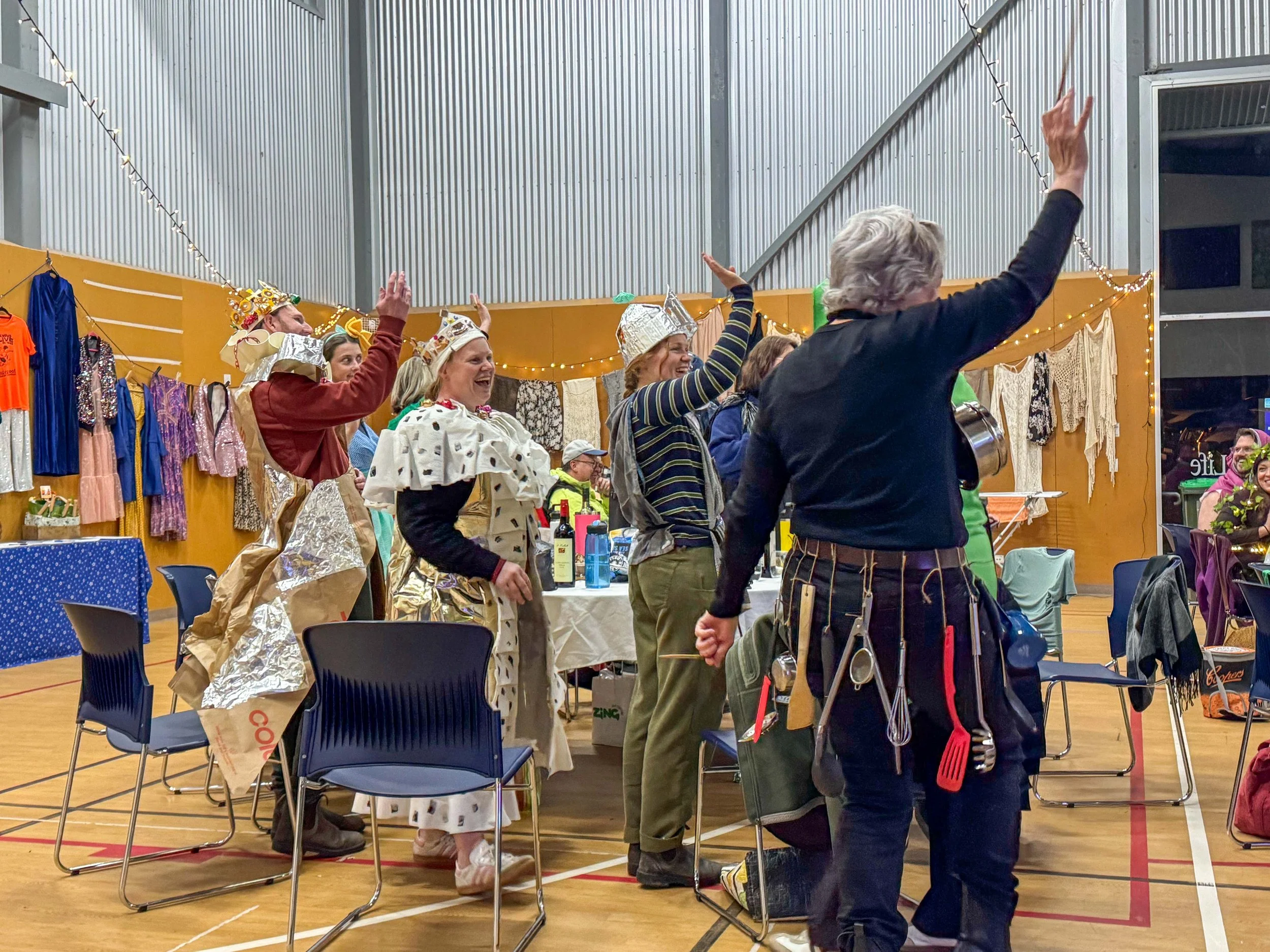
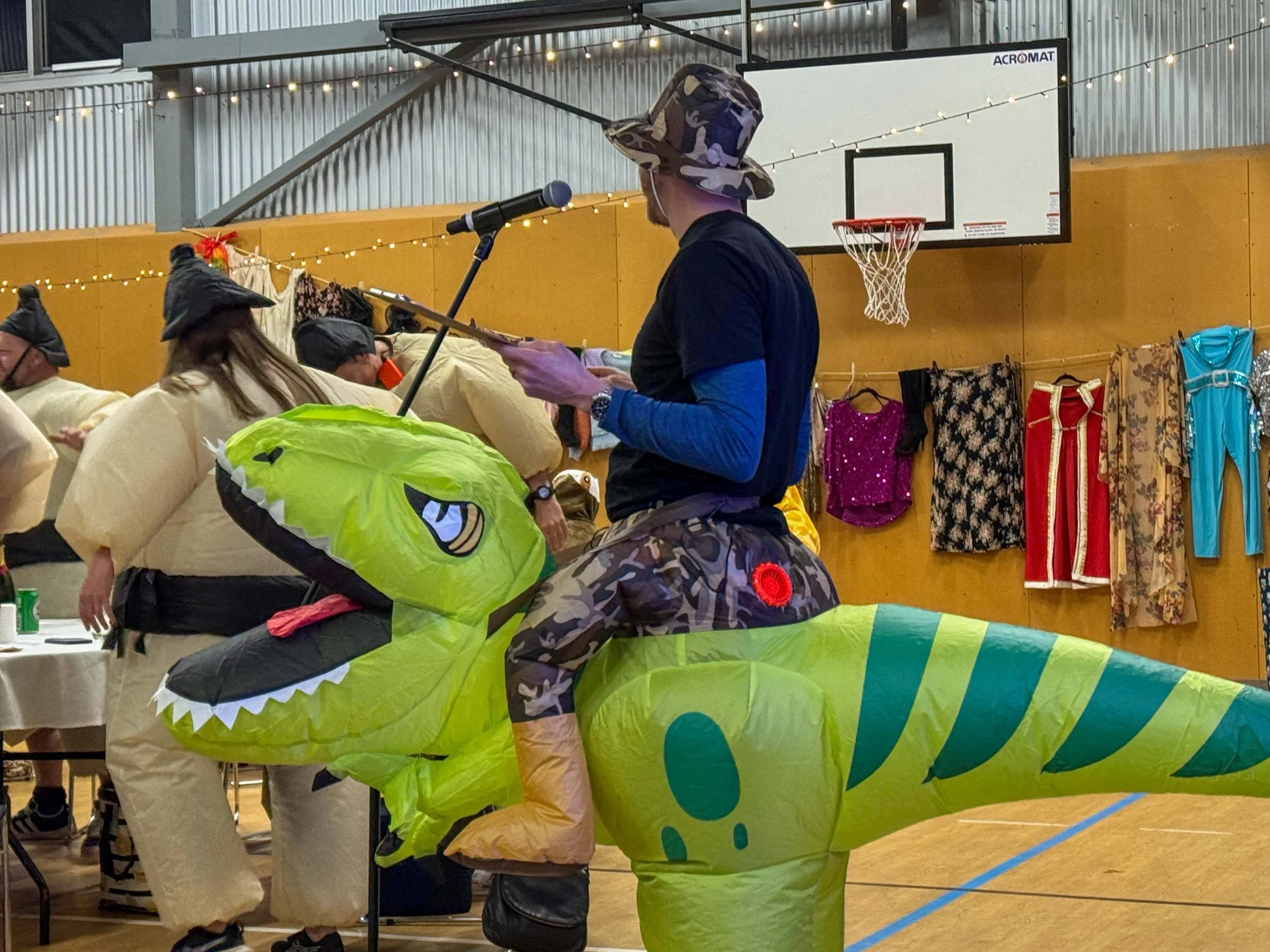
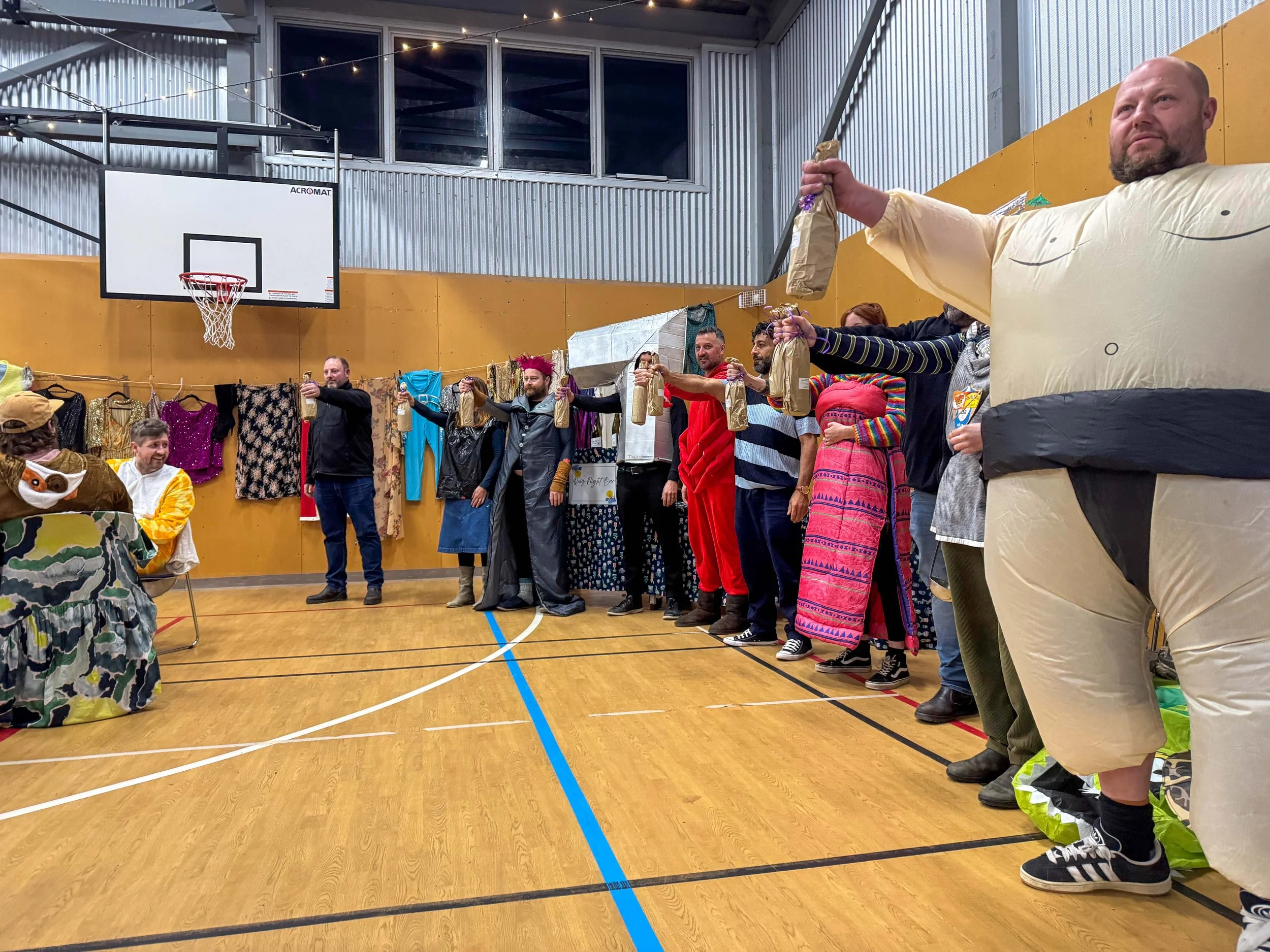
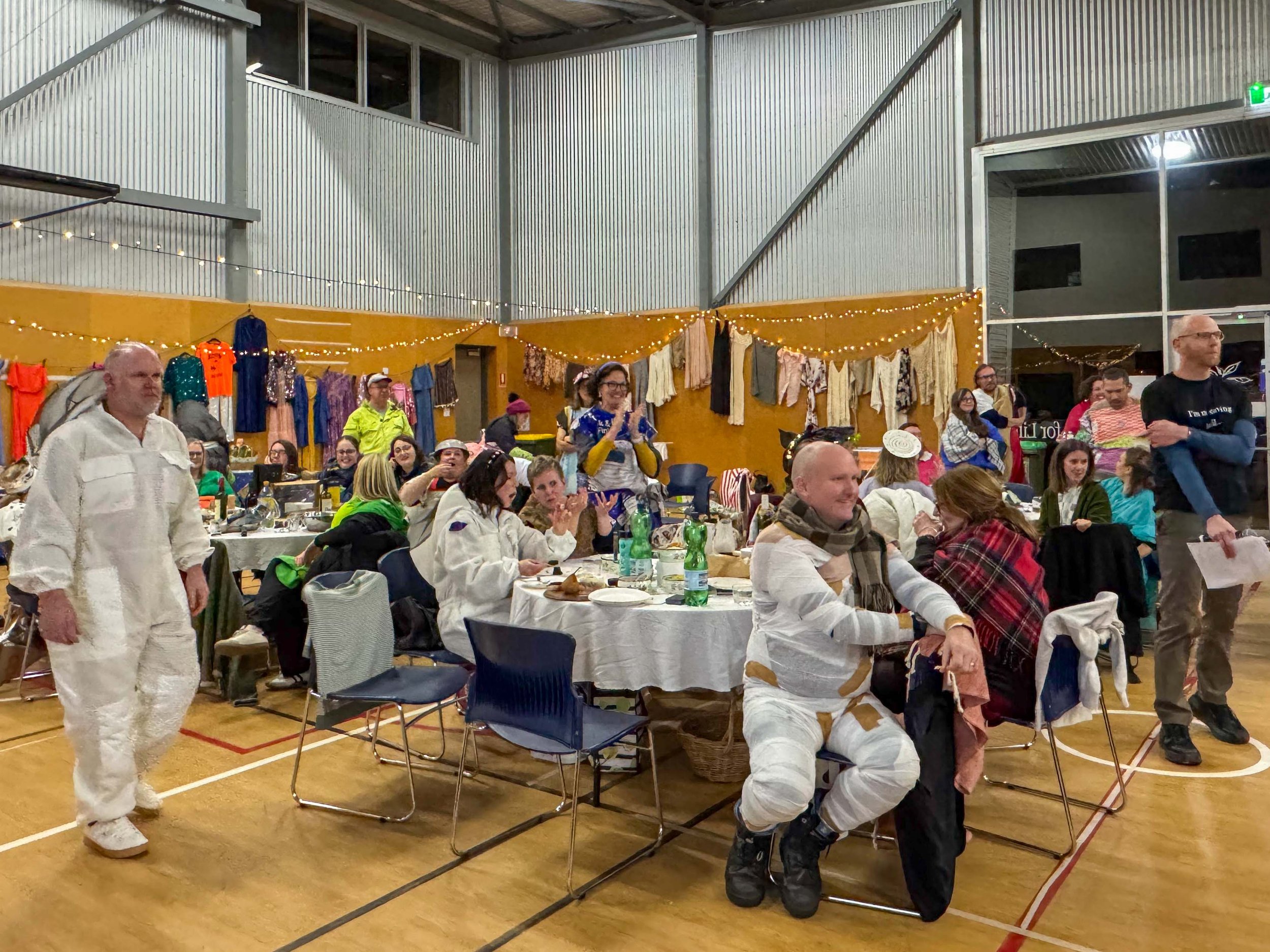
Quiz Night
Fundraising Opportunity
$6,999 Raised!
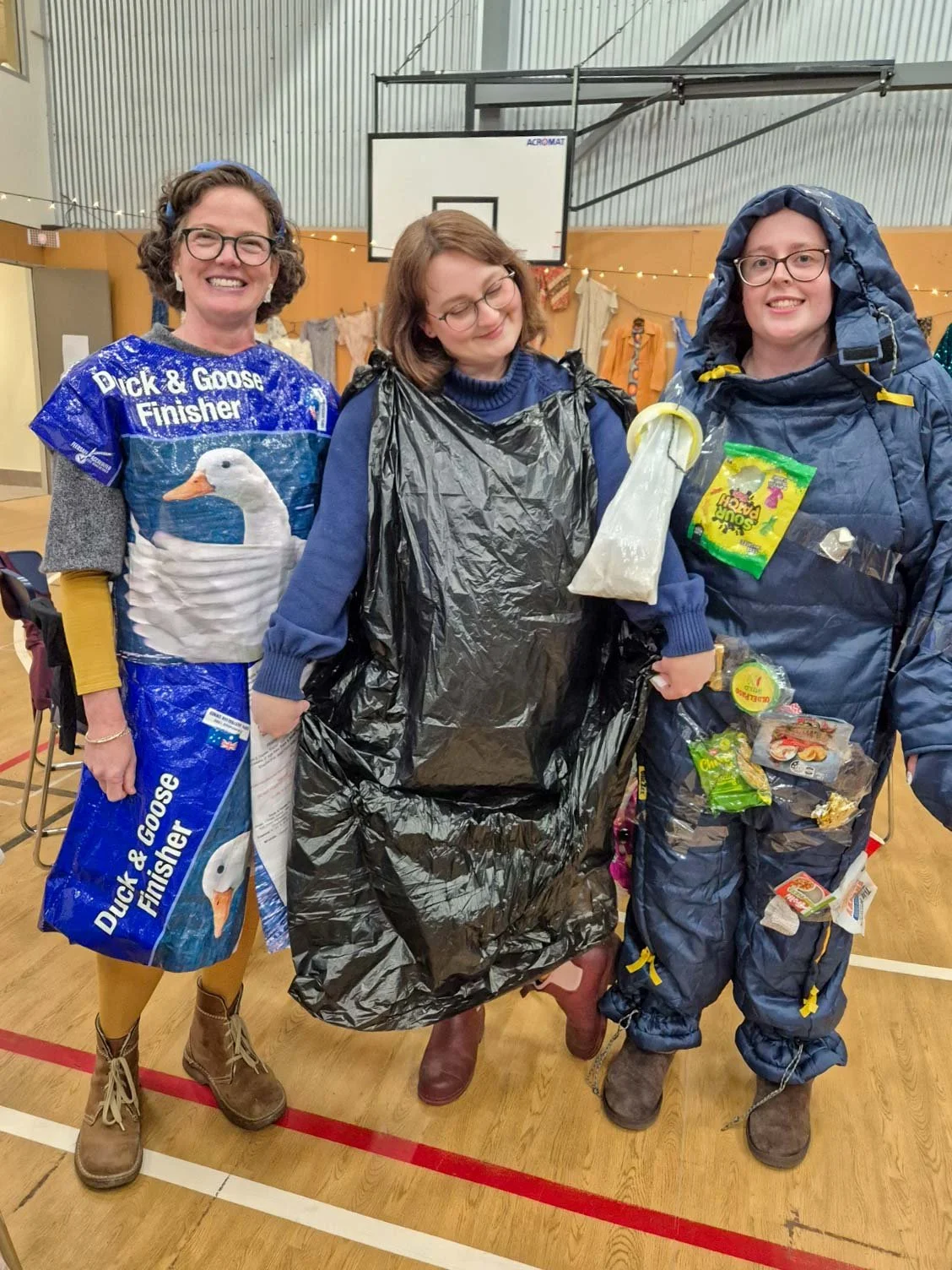
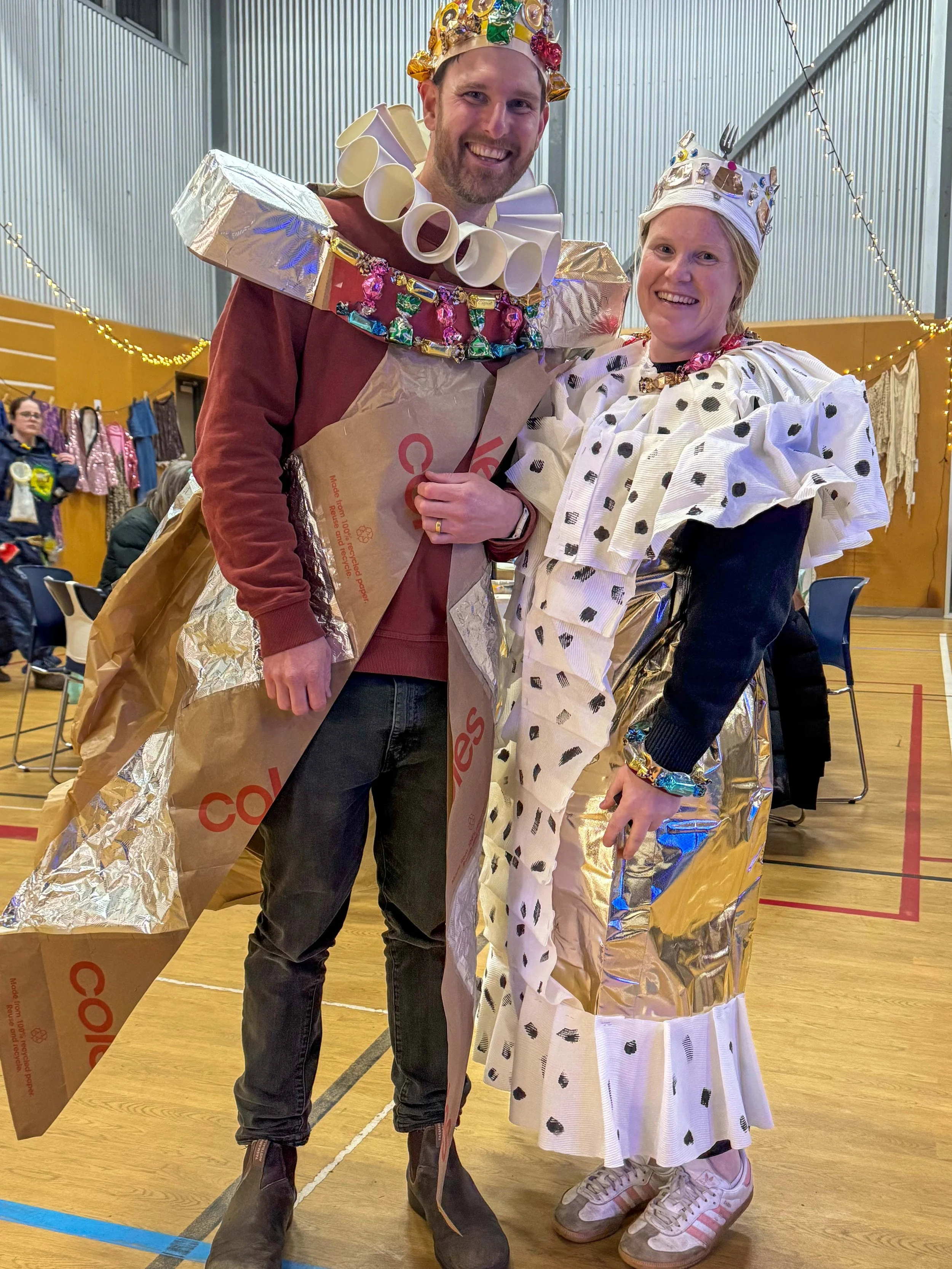
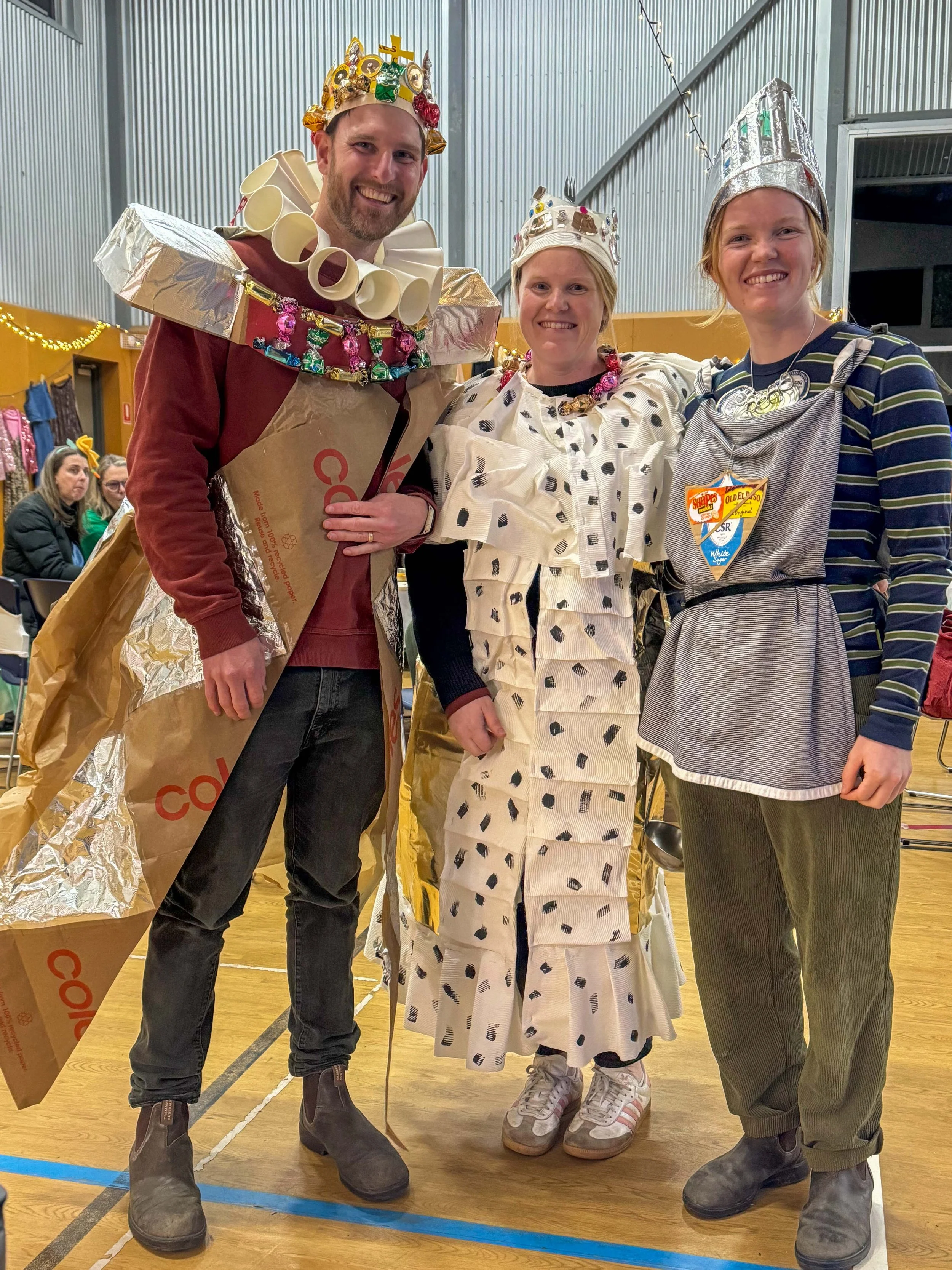
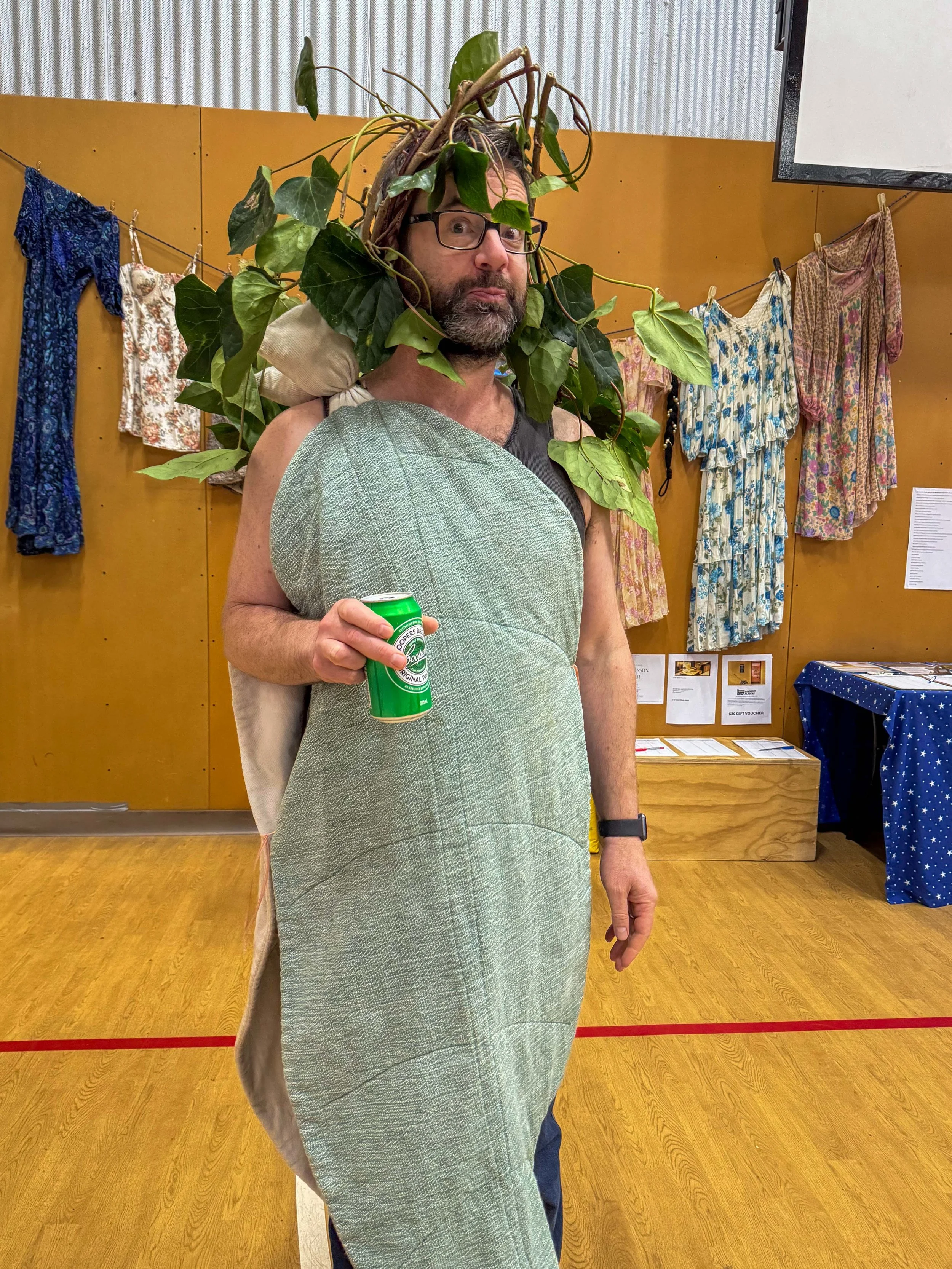
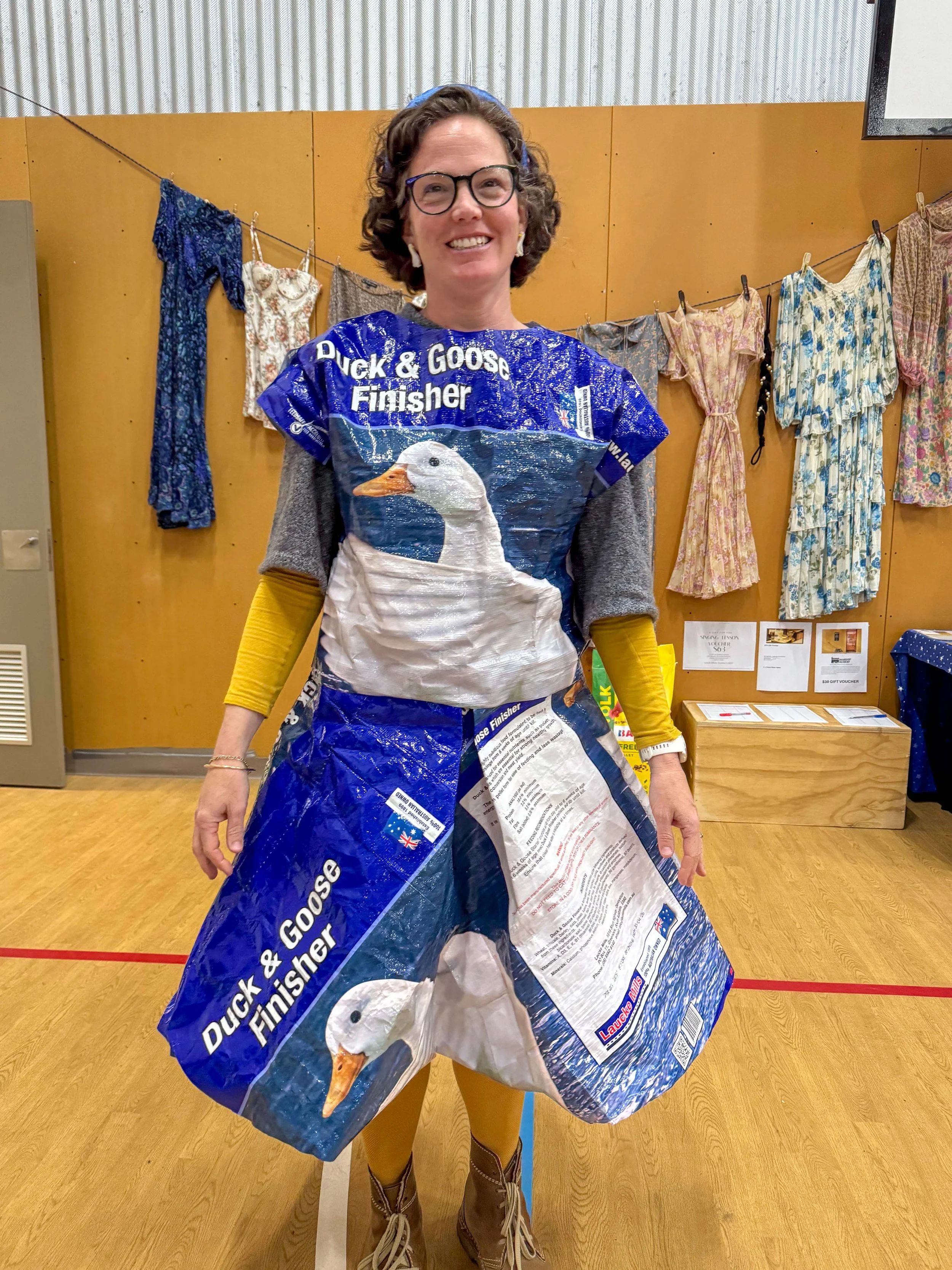
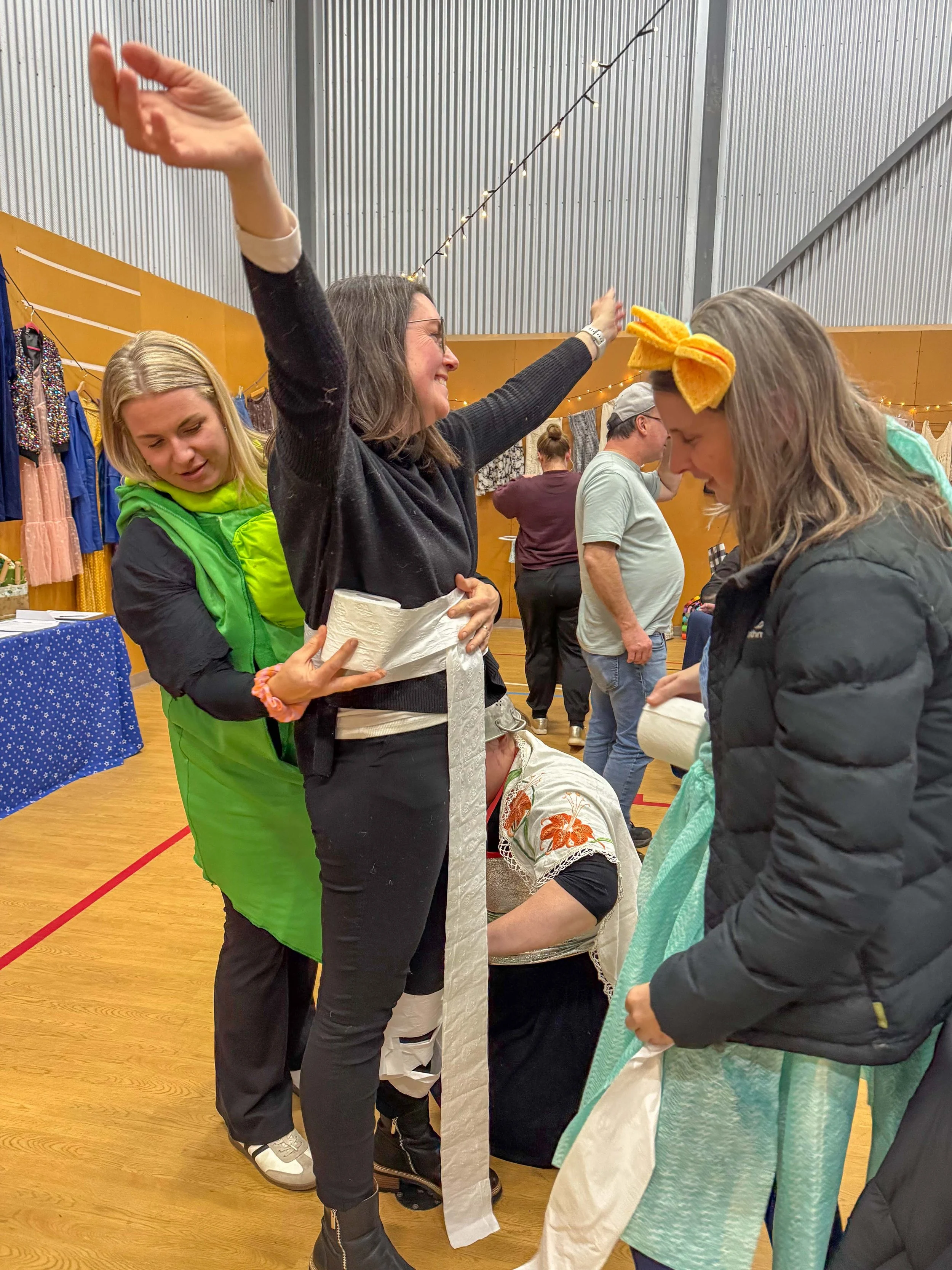
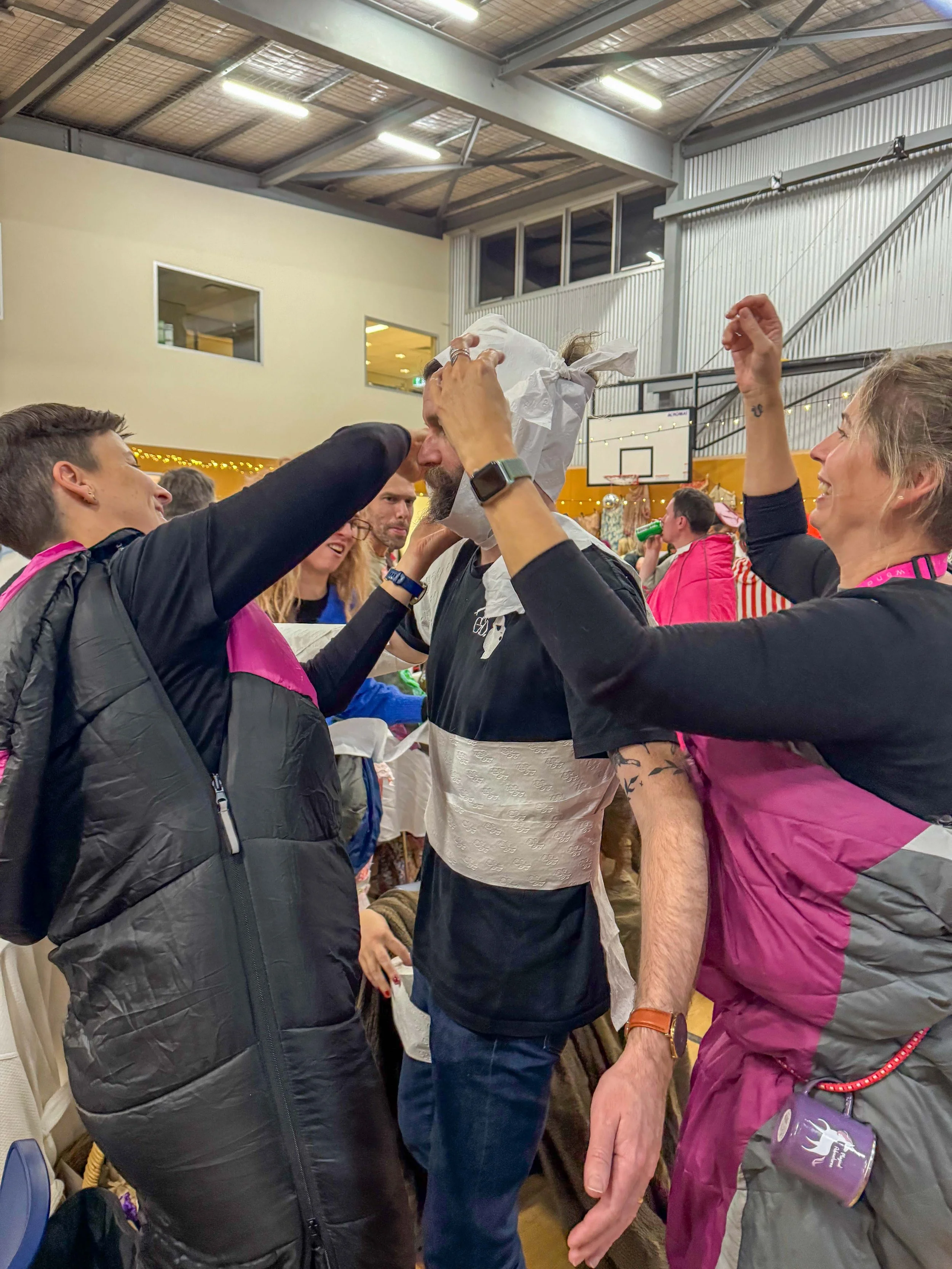
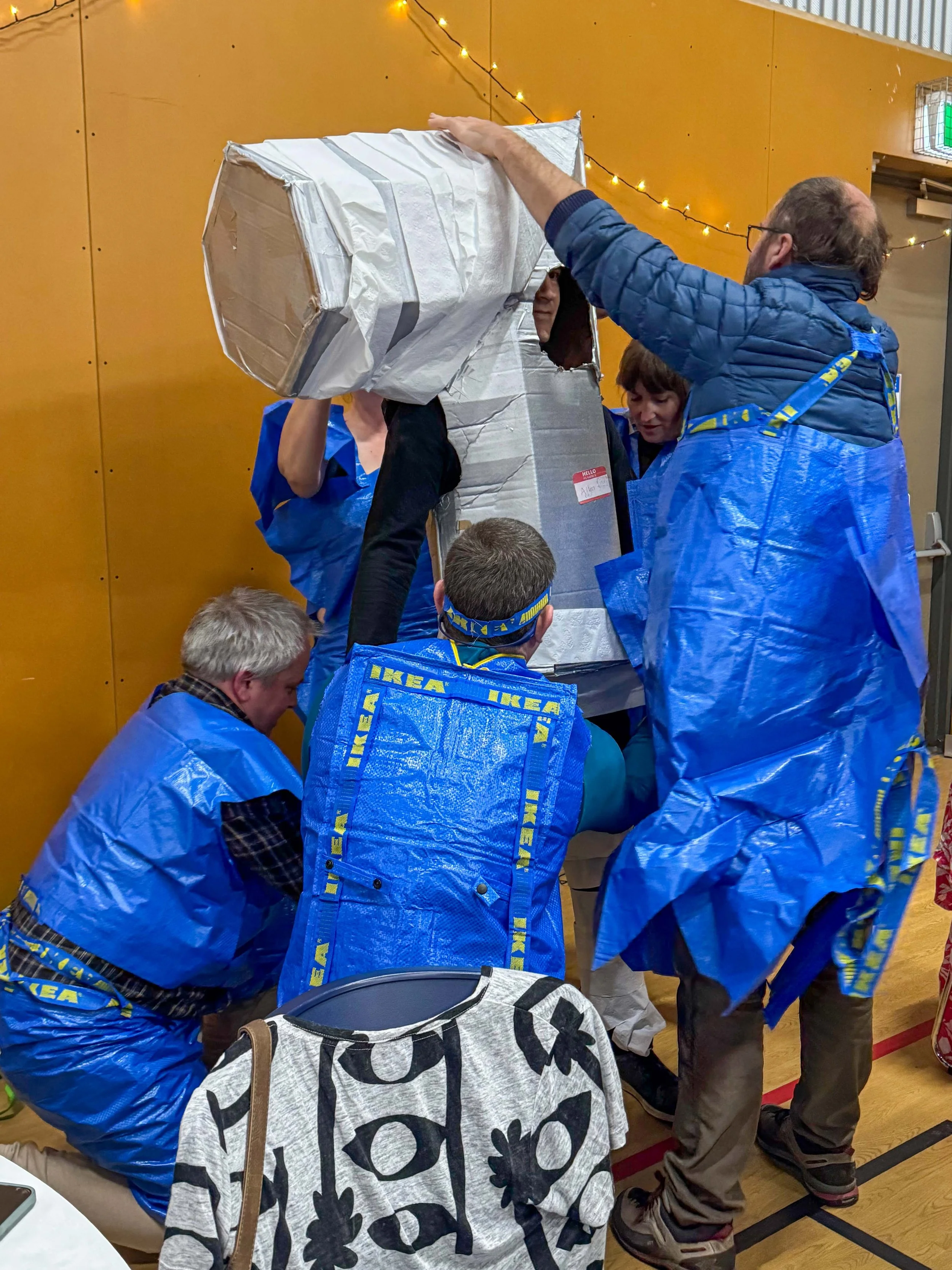
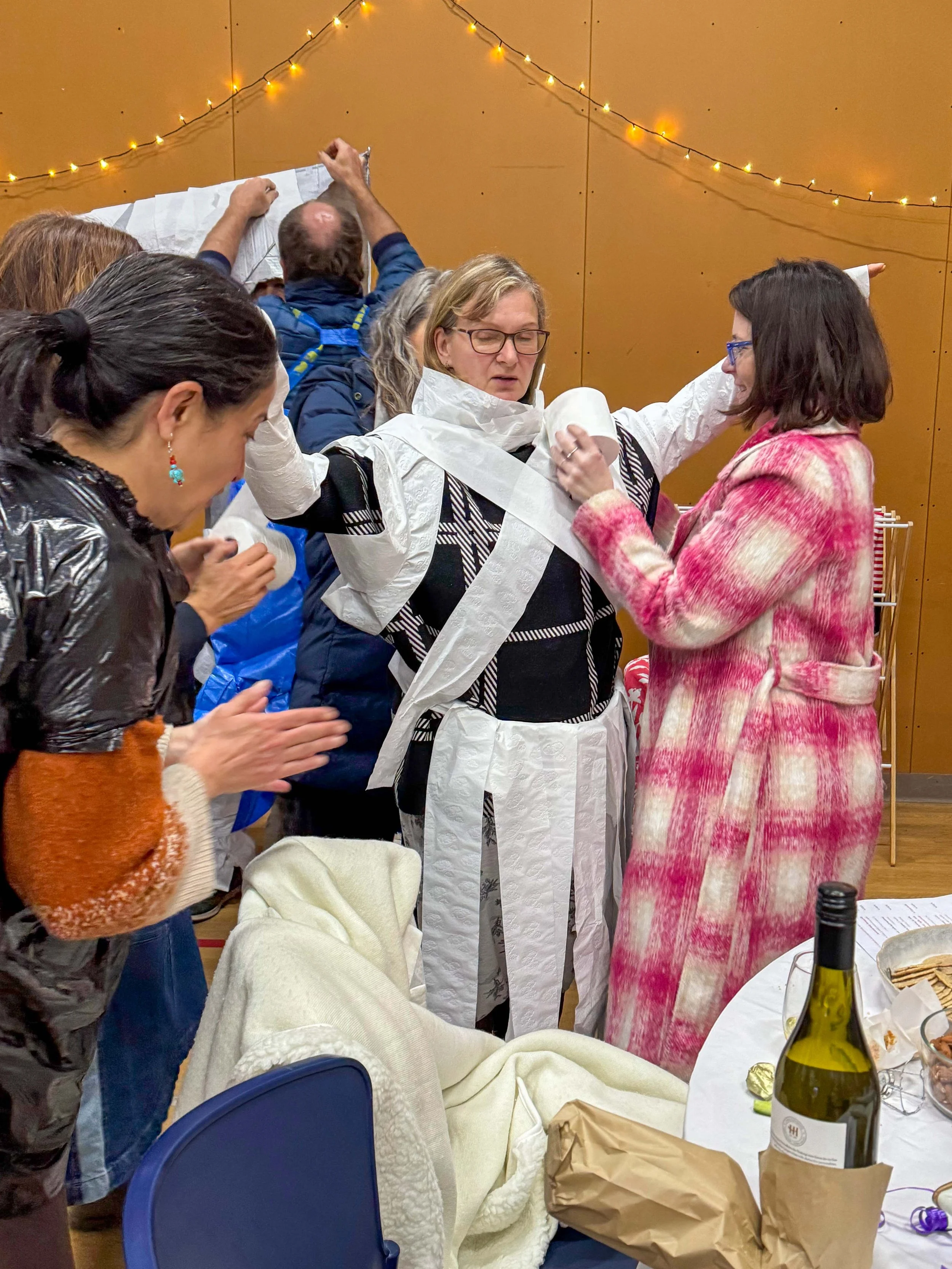
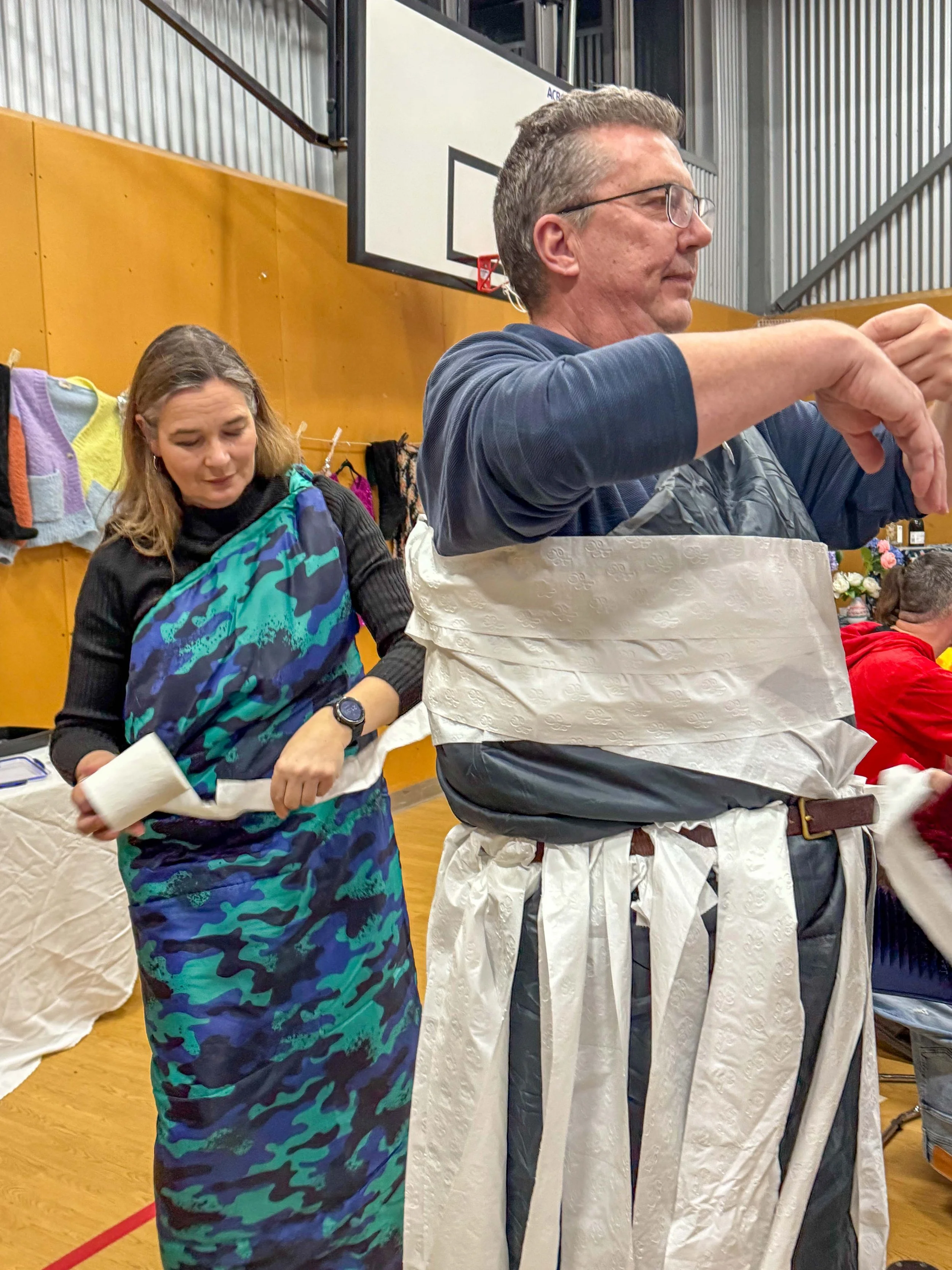
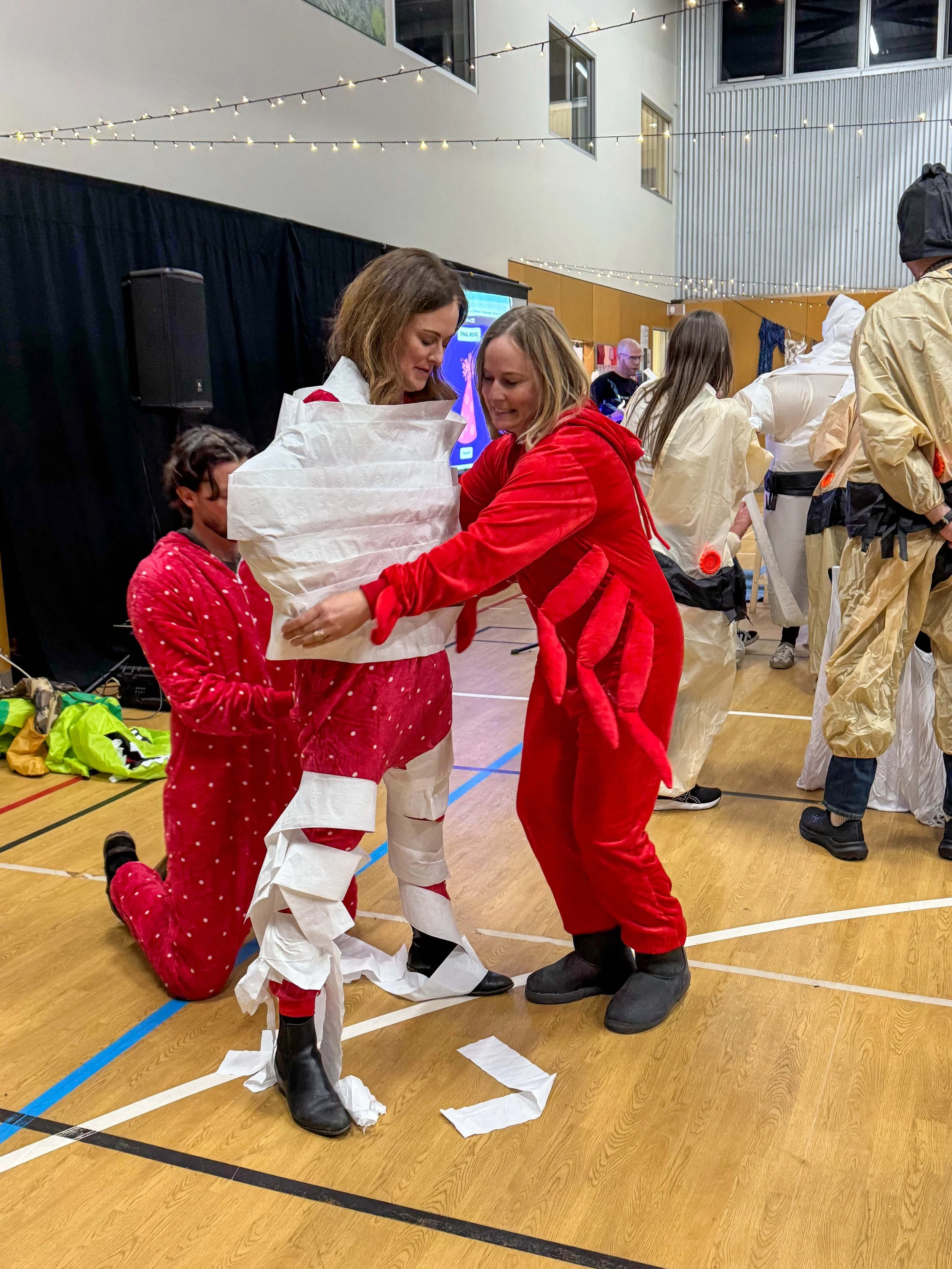
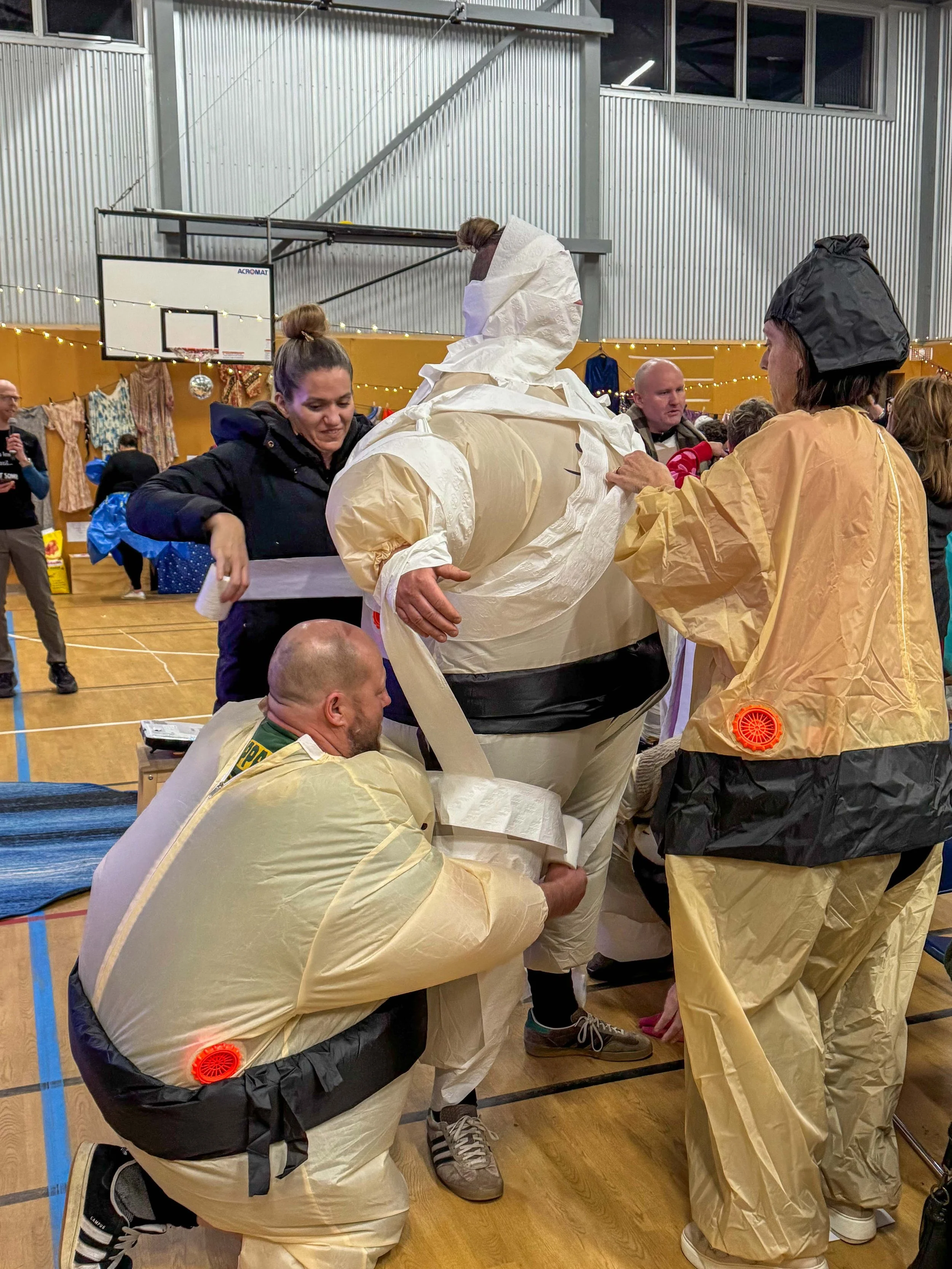
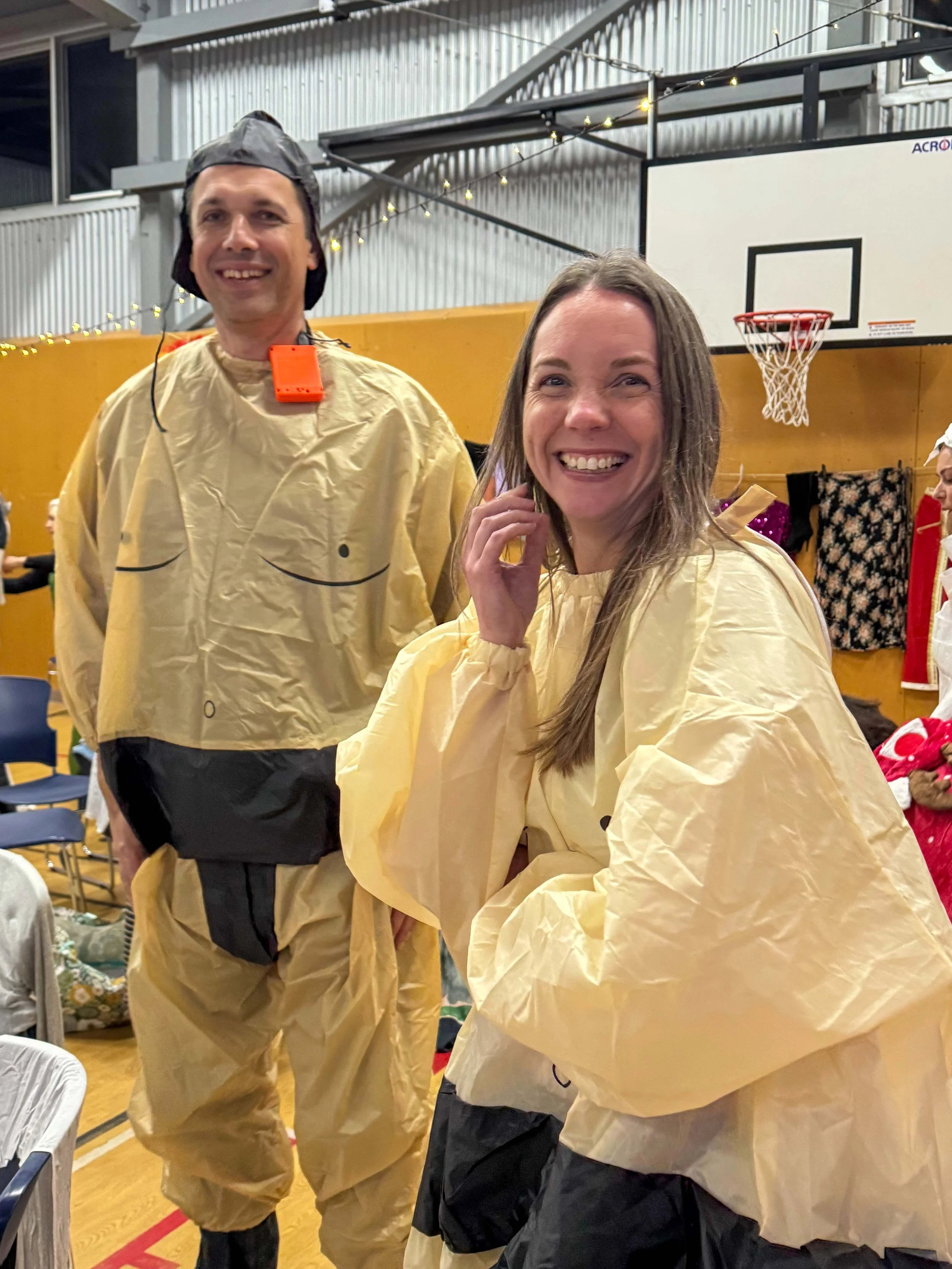
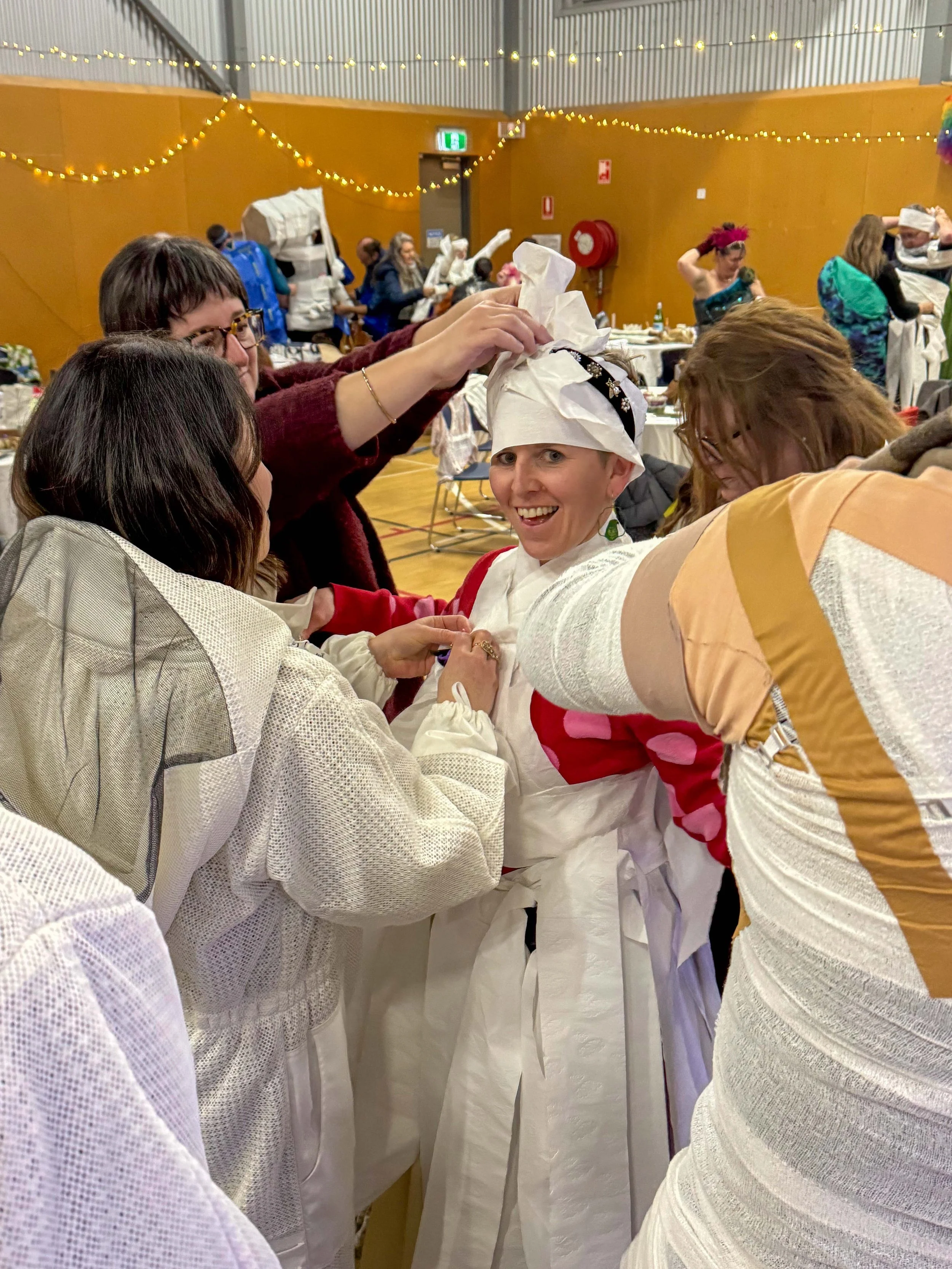
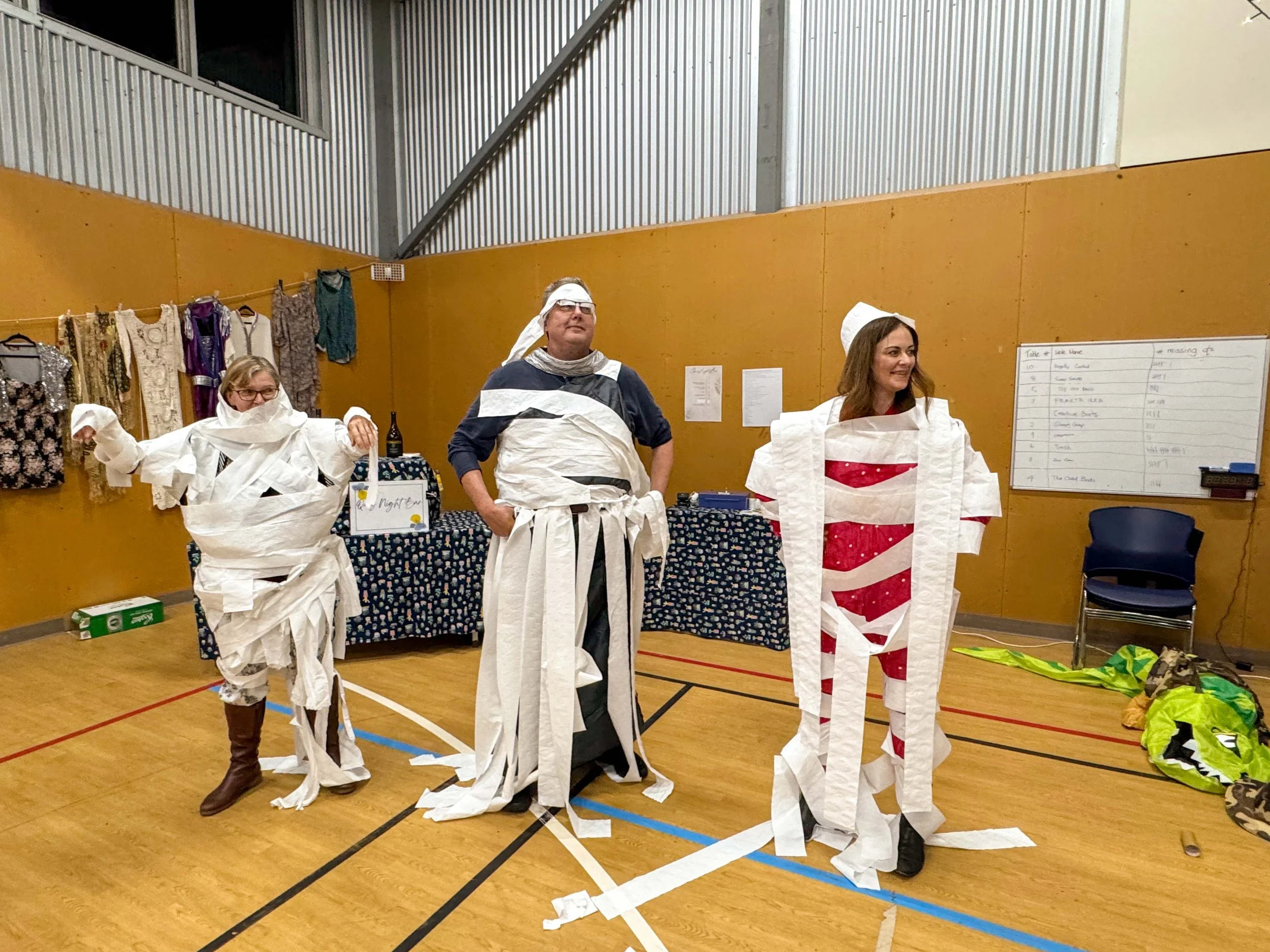
Anything but Clothes
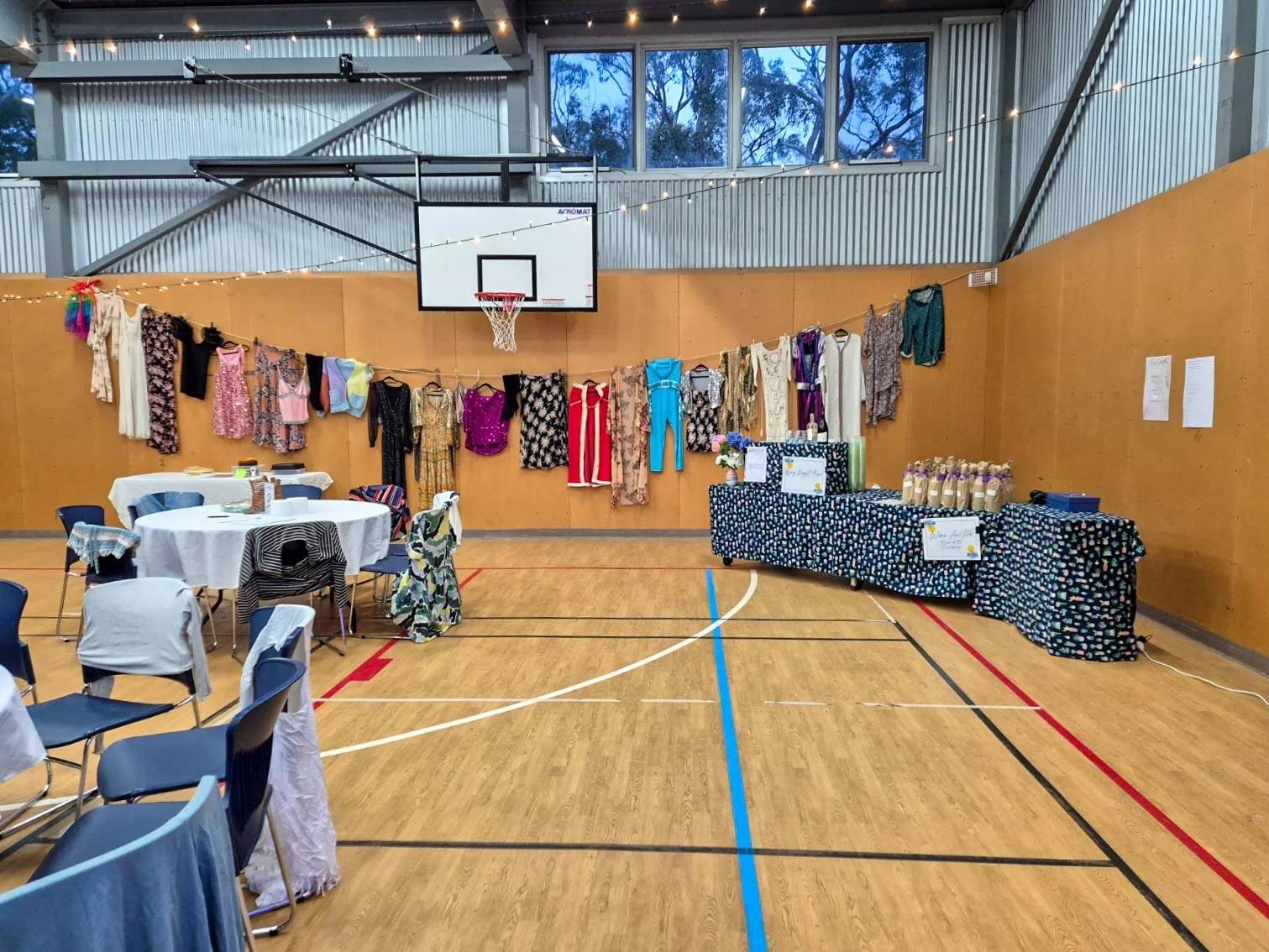
Our volunteers began the day by rescuing a drenched & lifeless baby plover from the carpark whose mum was intent on swooping and screeching at those coming and going bringing food, ice and speakers. Tea towels, a strategically placed heat pack in a small box on it's side enabled a little baby bird to recover, flap it's little tiny wings and return to the safety of its happily screeching mumma bird.
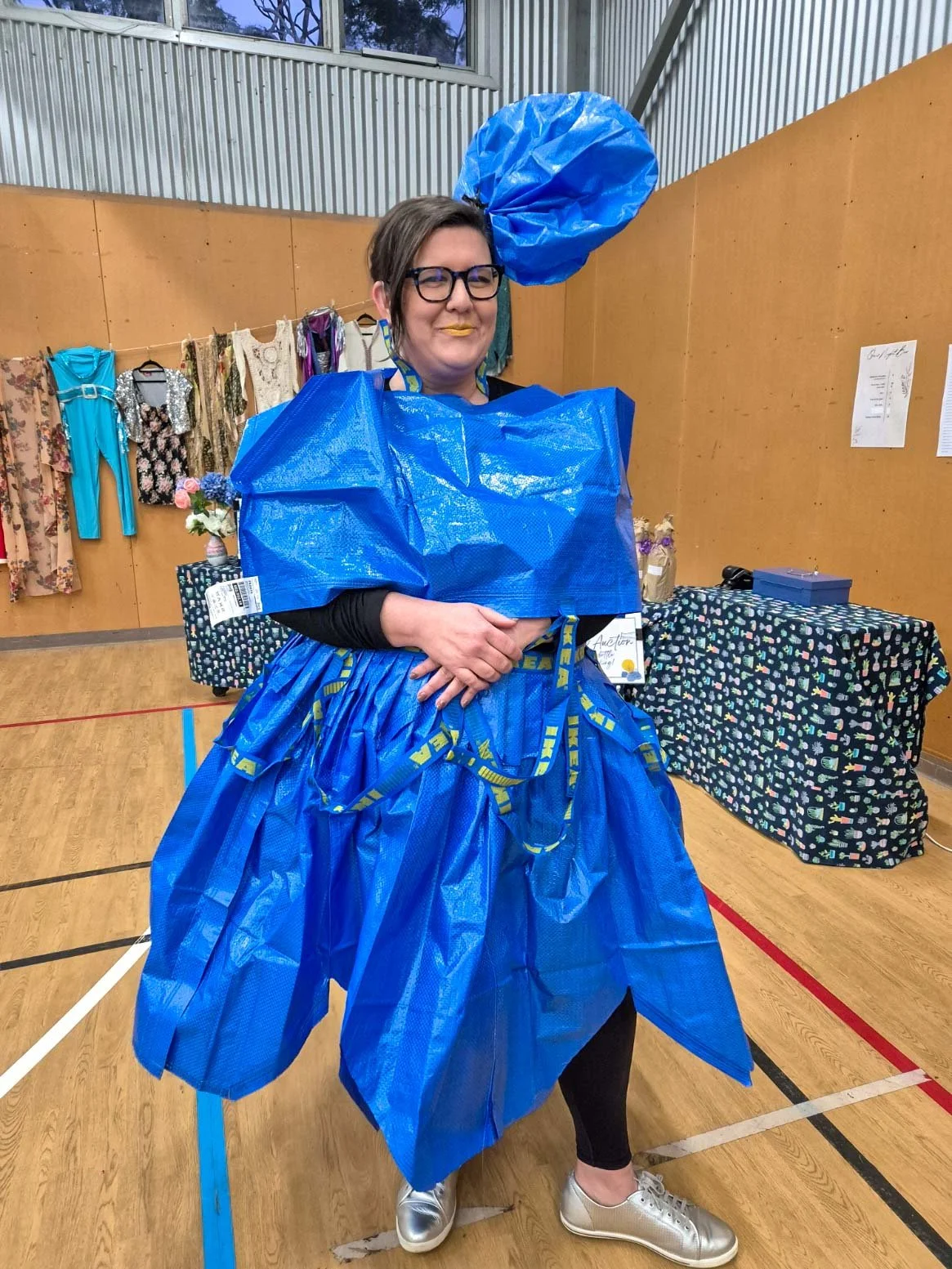
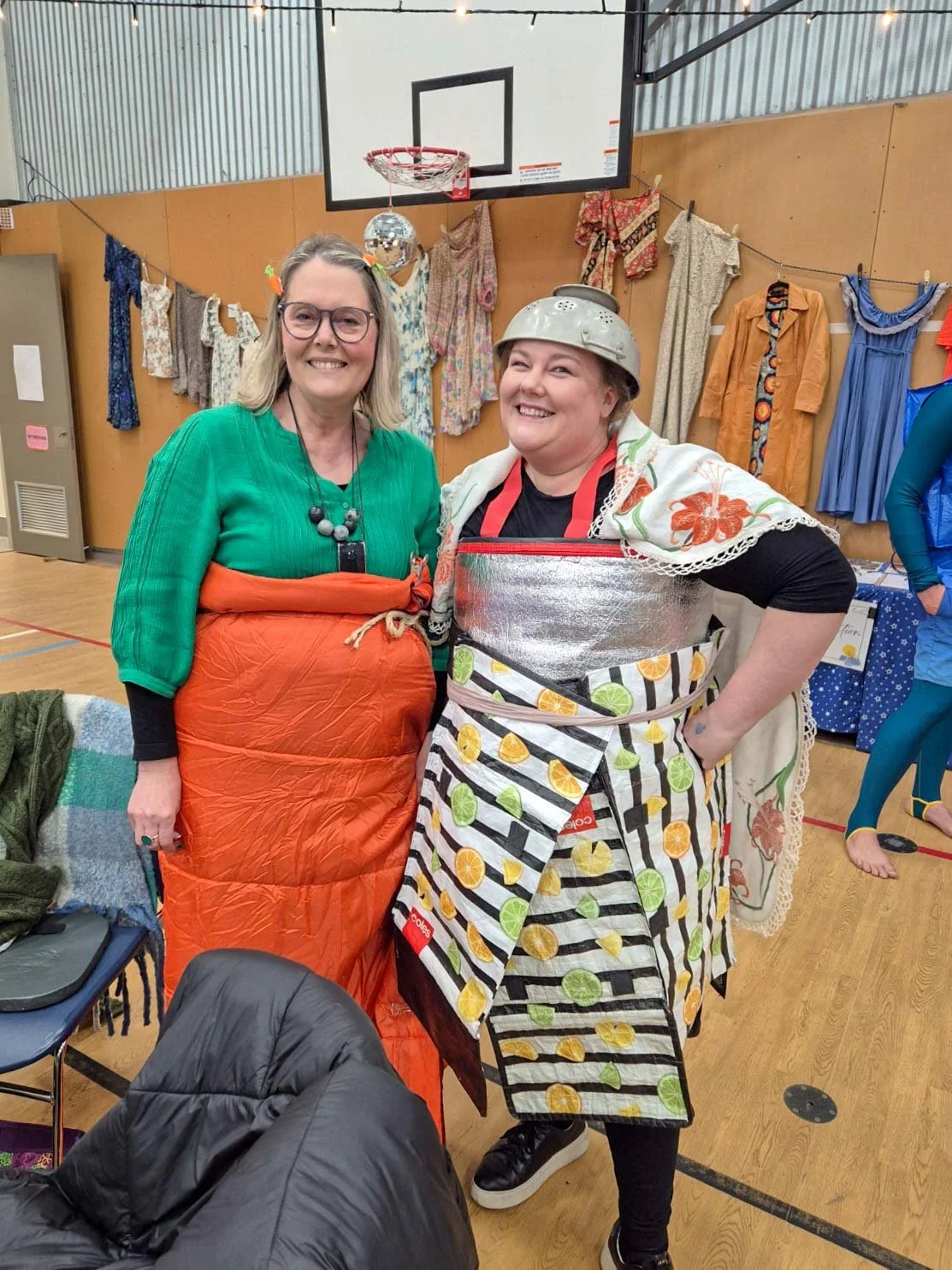
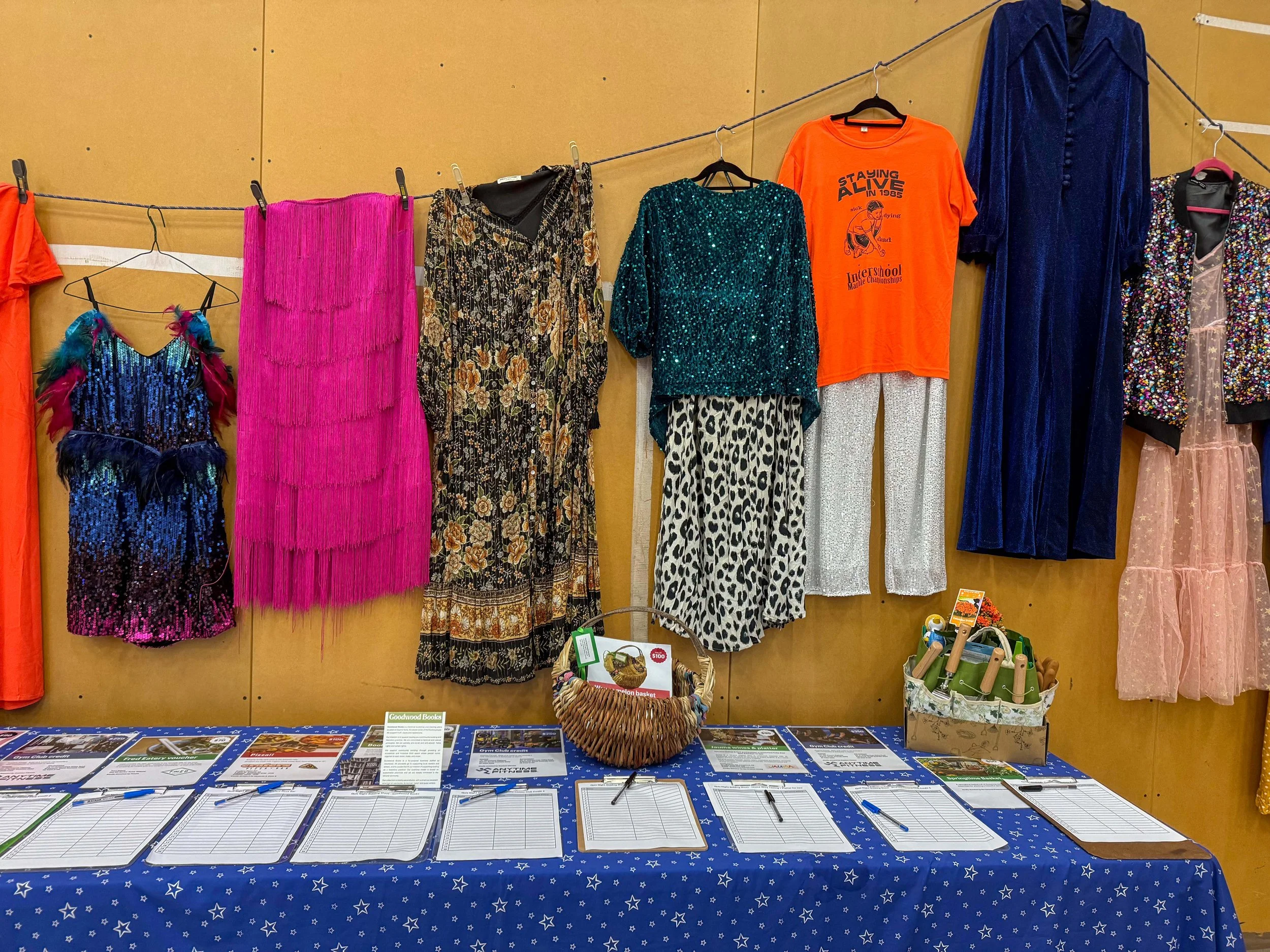
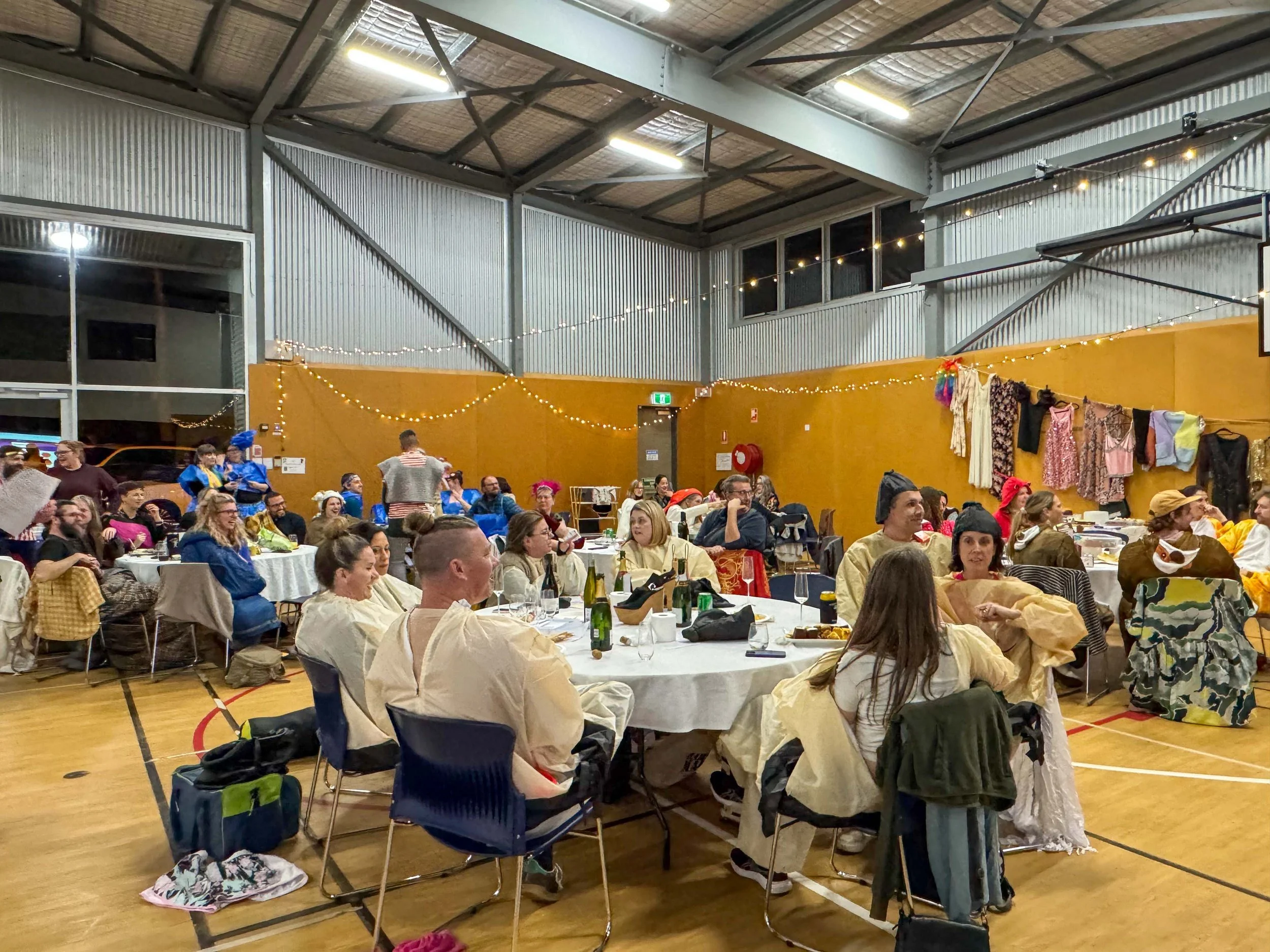
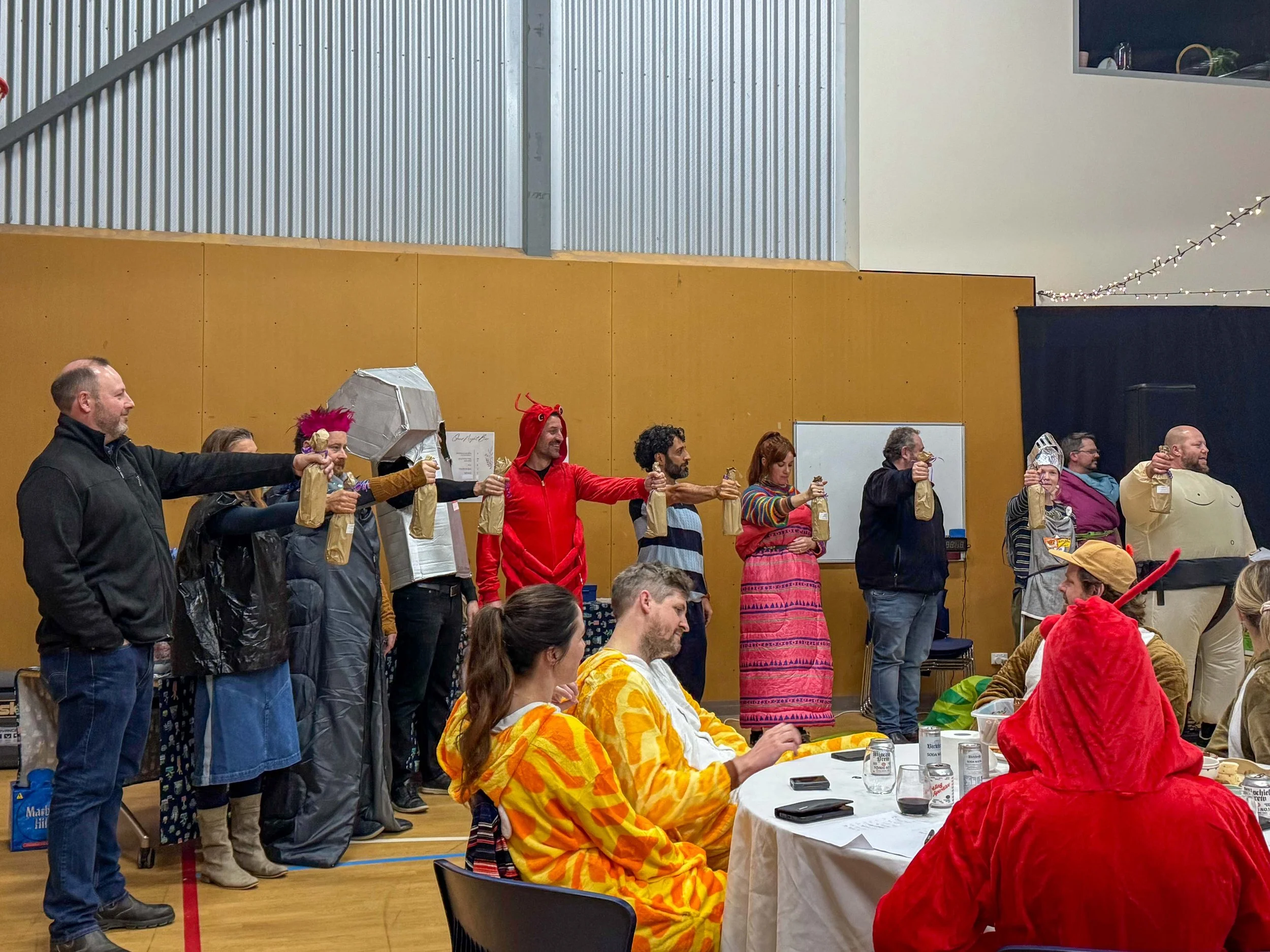
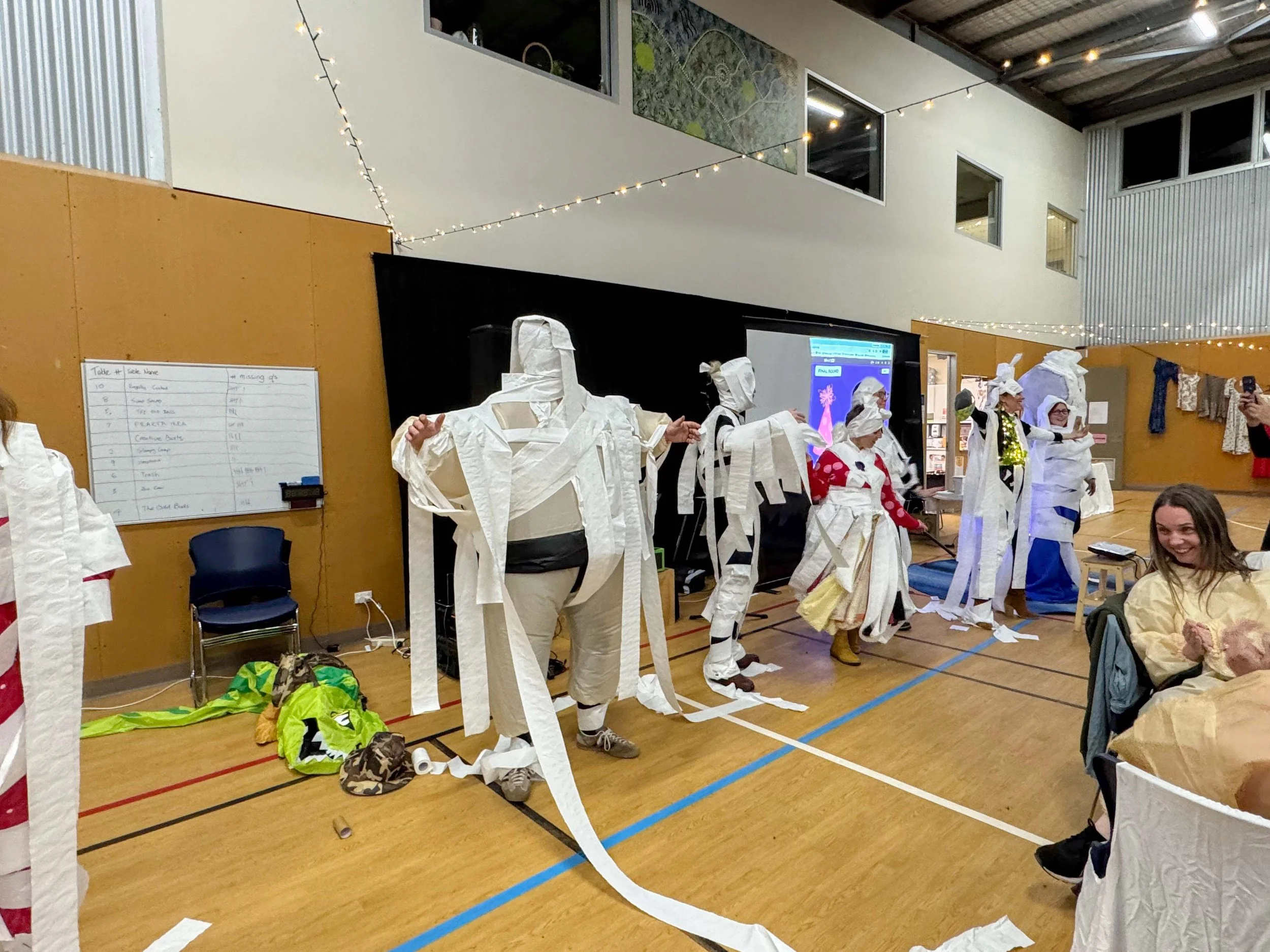
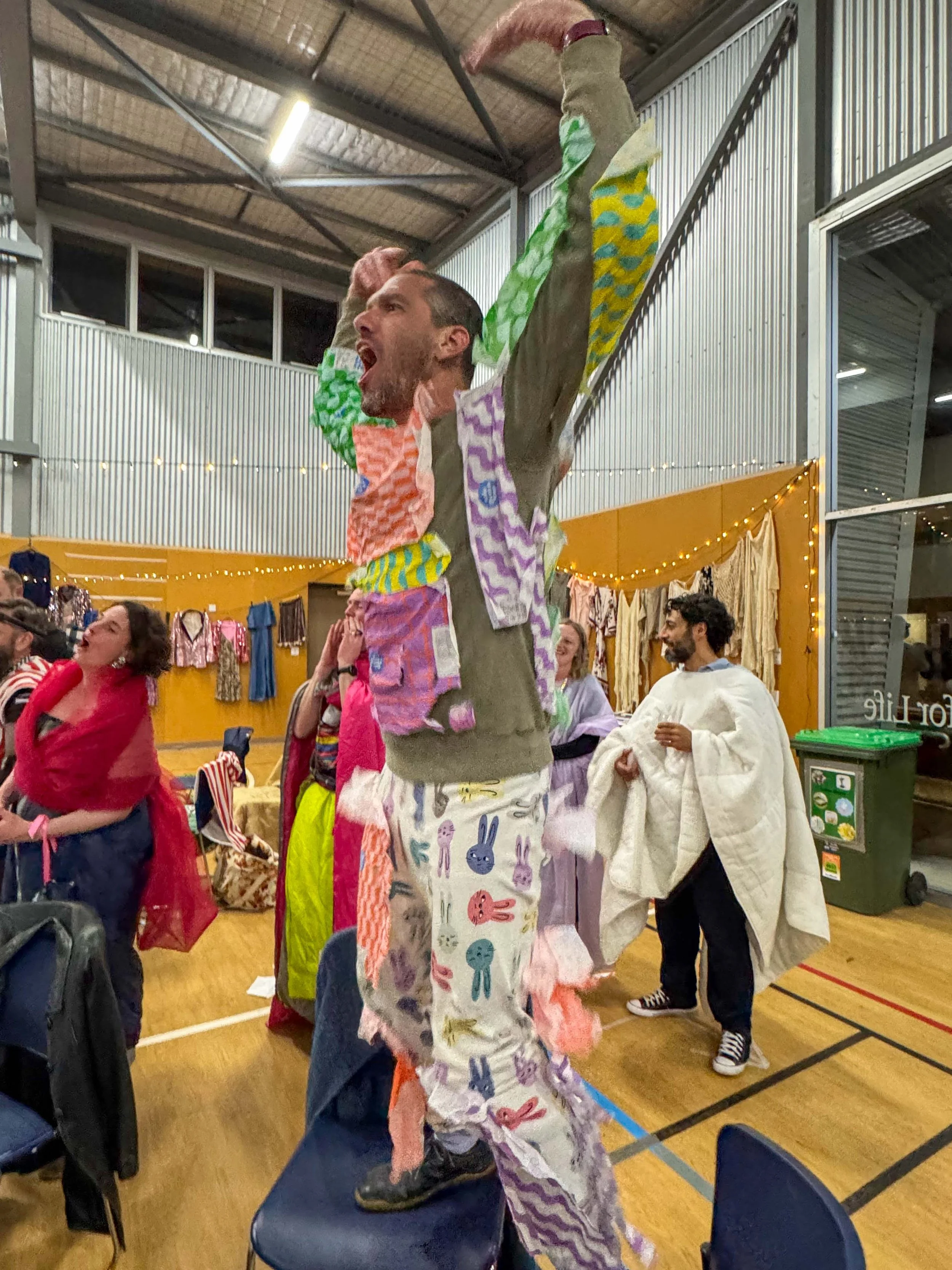
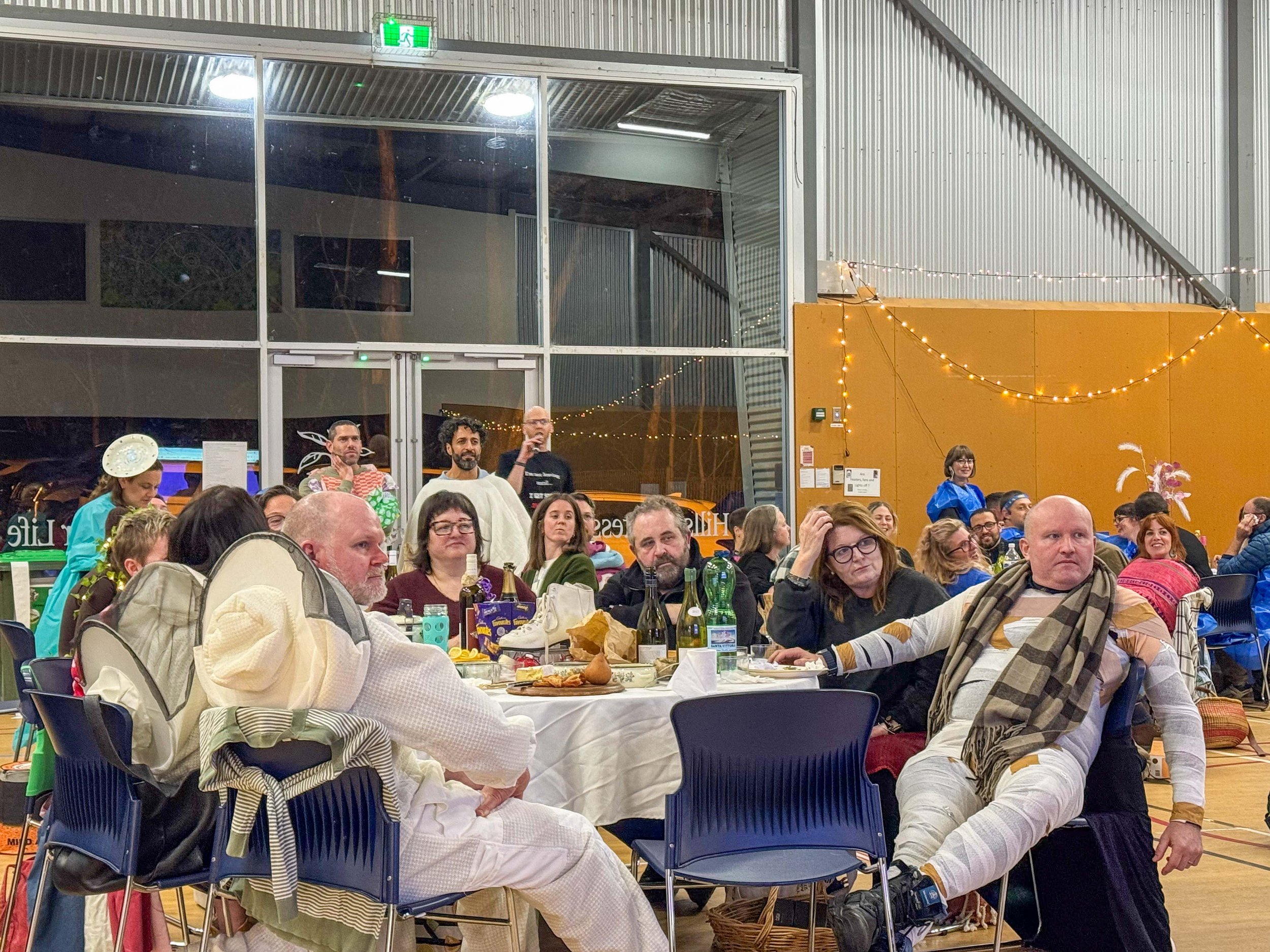
Delicious Indian cuisine was had by (almost) all attendees, lovingly heated and served by a crew of volunteers, kicked off the night. The creativity and ingenuity of costumes were hilarious, inventive and (on occasion) slightly precarious! Andy was warm, welcoming, humble and handled the numerous technical hitches with charm and humour. Our attendees equally wonderful - patient, kind and forgiving - and managed to laugh and joy their way throughout the evening. Despite no clinker game to be seen, everyone seemed happy to roll with the morphing program and bring joyful spirit to all the games we could play.
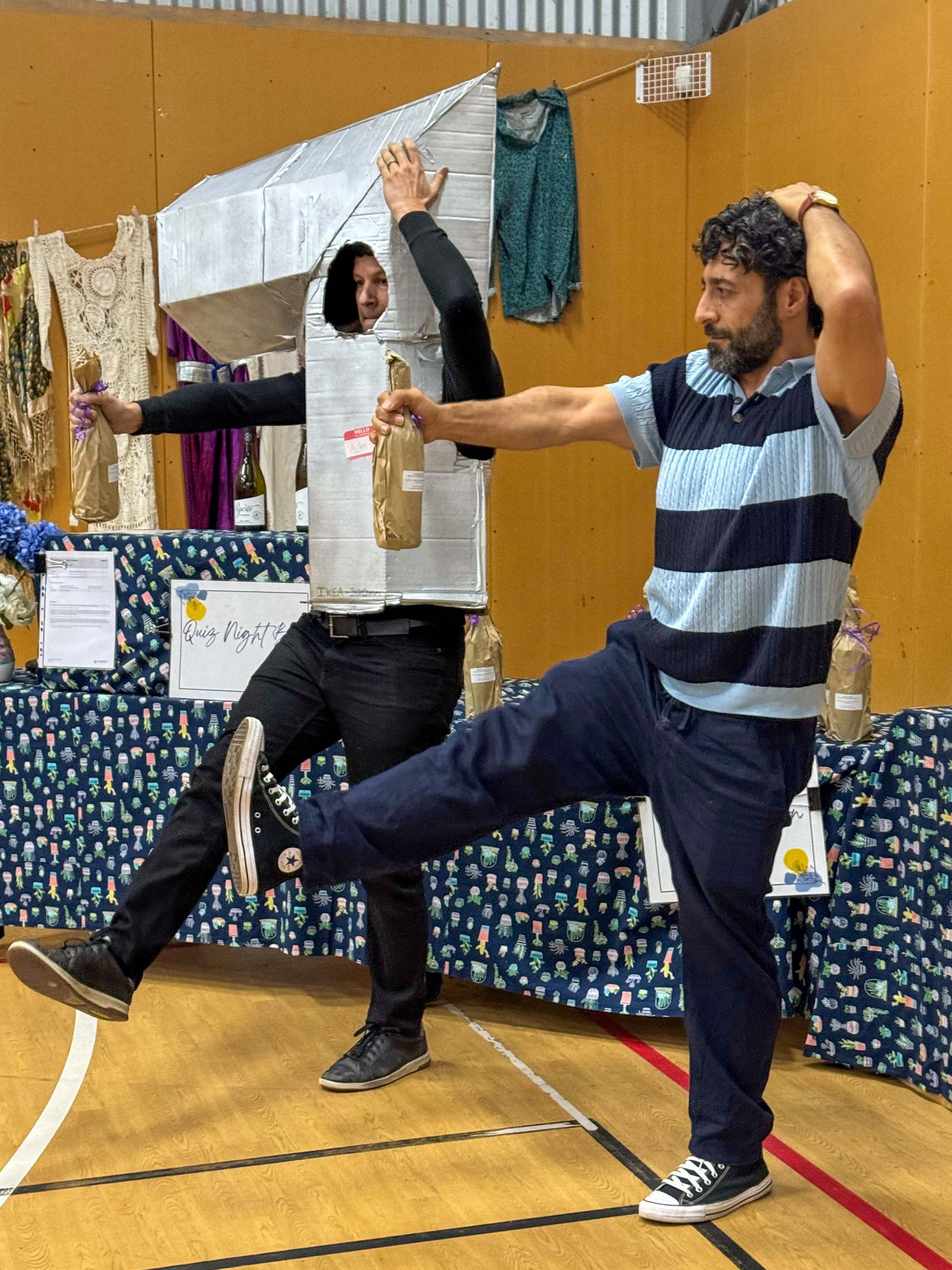
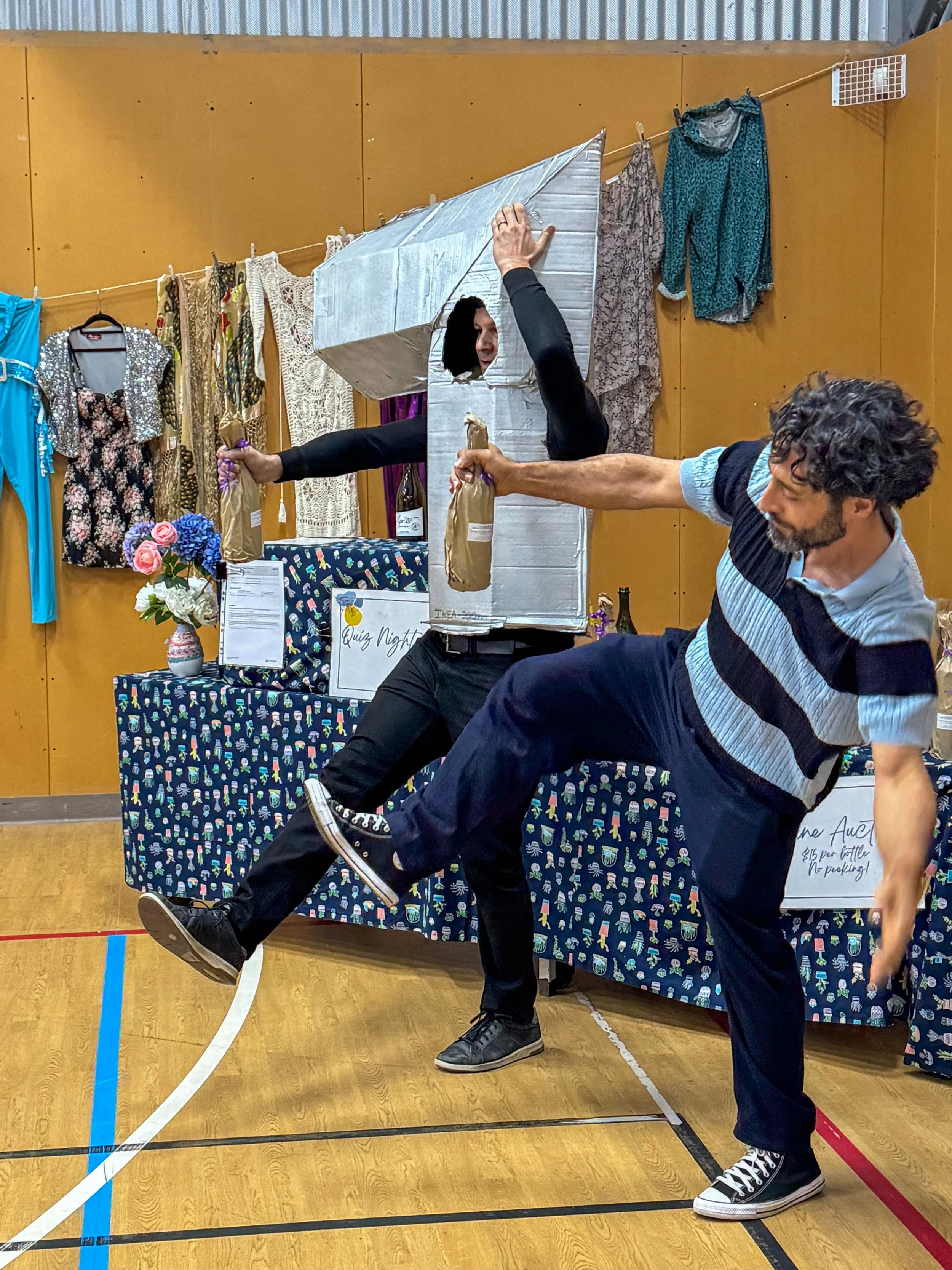
The Moet Hold managed to bring out the very best in show, and so required the addition of increasingly difficult movements to identify a winner.
The prizes were outstanding, there ended up being 25 silent auction items, and the winners happy with their basket of treats.
In the end Quiz Night made $6,999 in fundraising for our school.
We are so deeply grateful to our Community Connection Reps for their enthusiasm, donation collections, clever ideas, creativity and willingness to get involved in such a significant event. We are very thankful for those who donated cakes, wine, silent auction items, prizes, clothes, and most especially their time and energy.
A particular thank you to the Zahra family for donating the bar supplies, Tyler-Ryan family for supplying the sound and music, Churchman family for donating Andy's time to be our MC.
It may not have gone exactly to plan, but the laughter, generosity of spirit and sense of community made it a night to remember.
A massive thank you to the generous supporters of our 2026 Quiz Night!
Anne Winter
Erskine Family
Fels/Noble Family
Kupniewski/Hagar Family
Melinda & Elsie Smith
Prosek Family
Stewart/Rooney Family
Saffin Family
Susan Harris Evans
Tyler/Ryan Family
Varsani/Pindoria Family
Zahra Family
Yultiwirra
Sharing Assembly
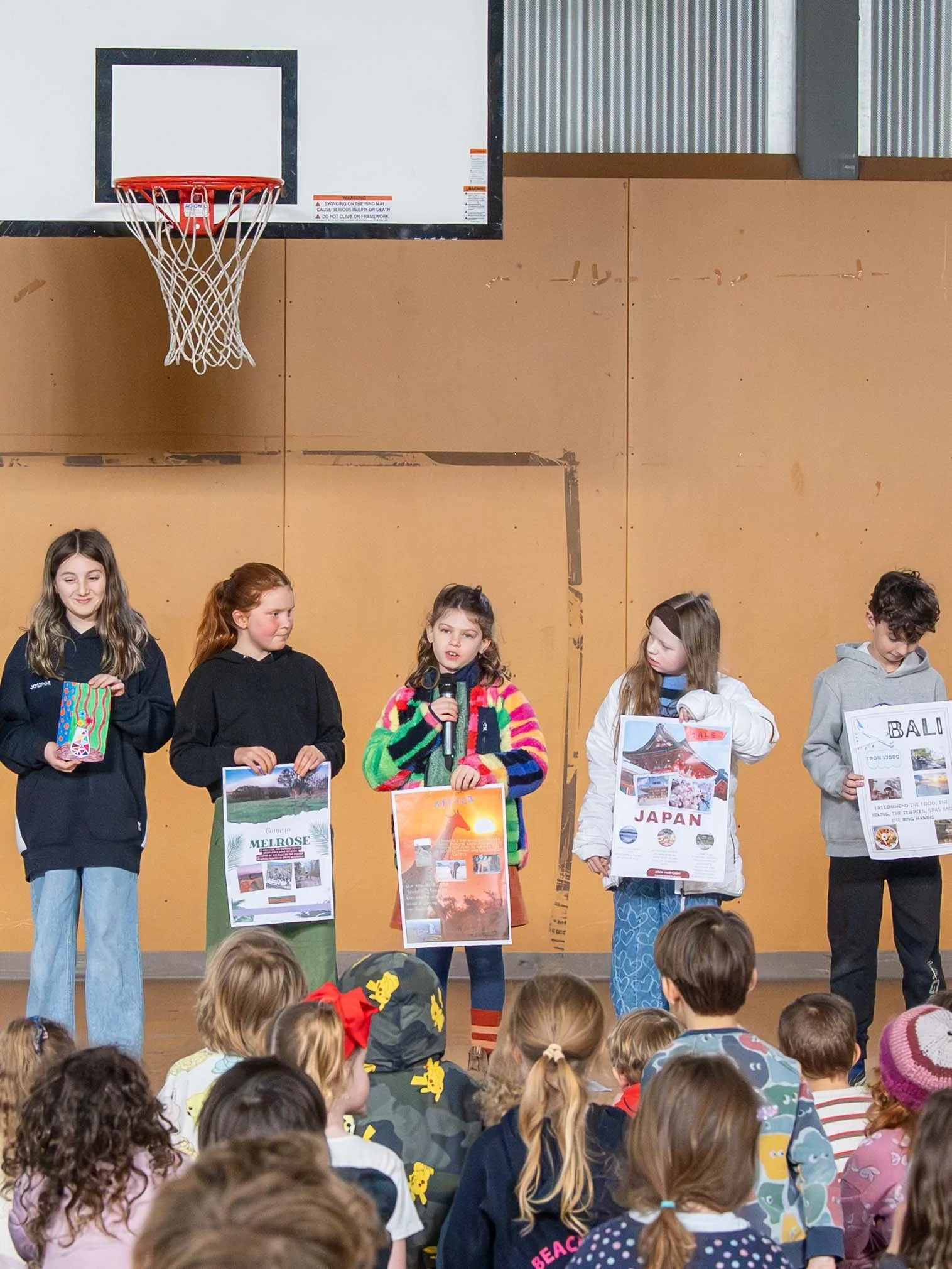
Come along to the Yultiwirra Hall to hear from our Cycle 2 and Cycle 4 students as they share their learning, projects and experiences with our community.
A chance to hear directly from the students and celebrate the work they have been exploring throughout the term.
All welcome!
Friday 18th September
9:30am
Wairoa
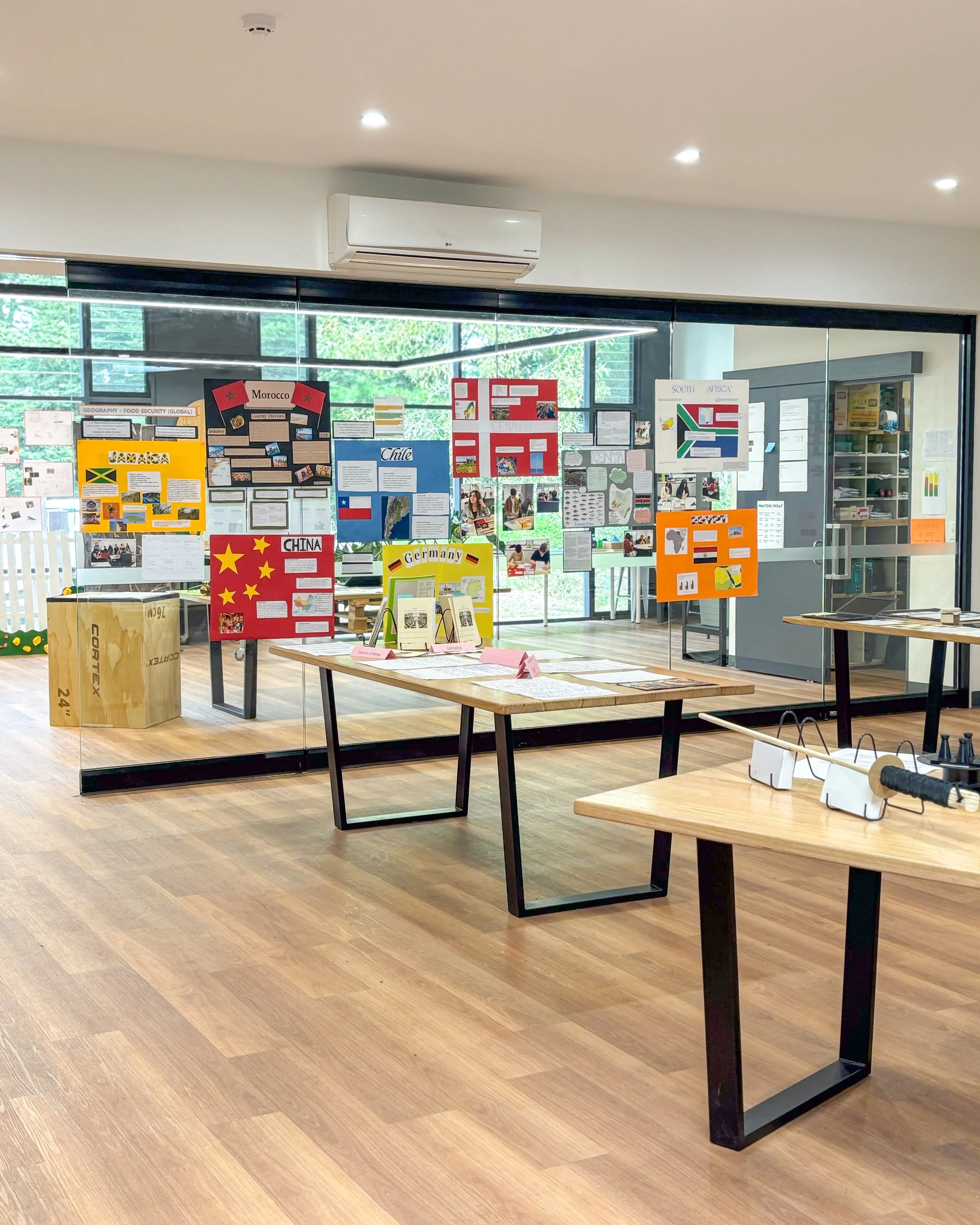
Wairoa Cultural Studies Expo
Join us for this late afternoon–early evening event at Wairoa, featuring open displays of student work and learning from a range of cultural subjects and Occupations. Some students will also share short presentations about their individual RICH projects.
Thursday 24th September
4:00pm
Whole School
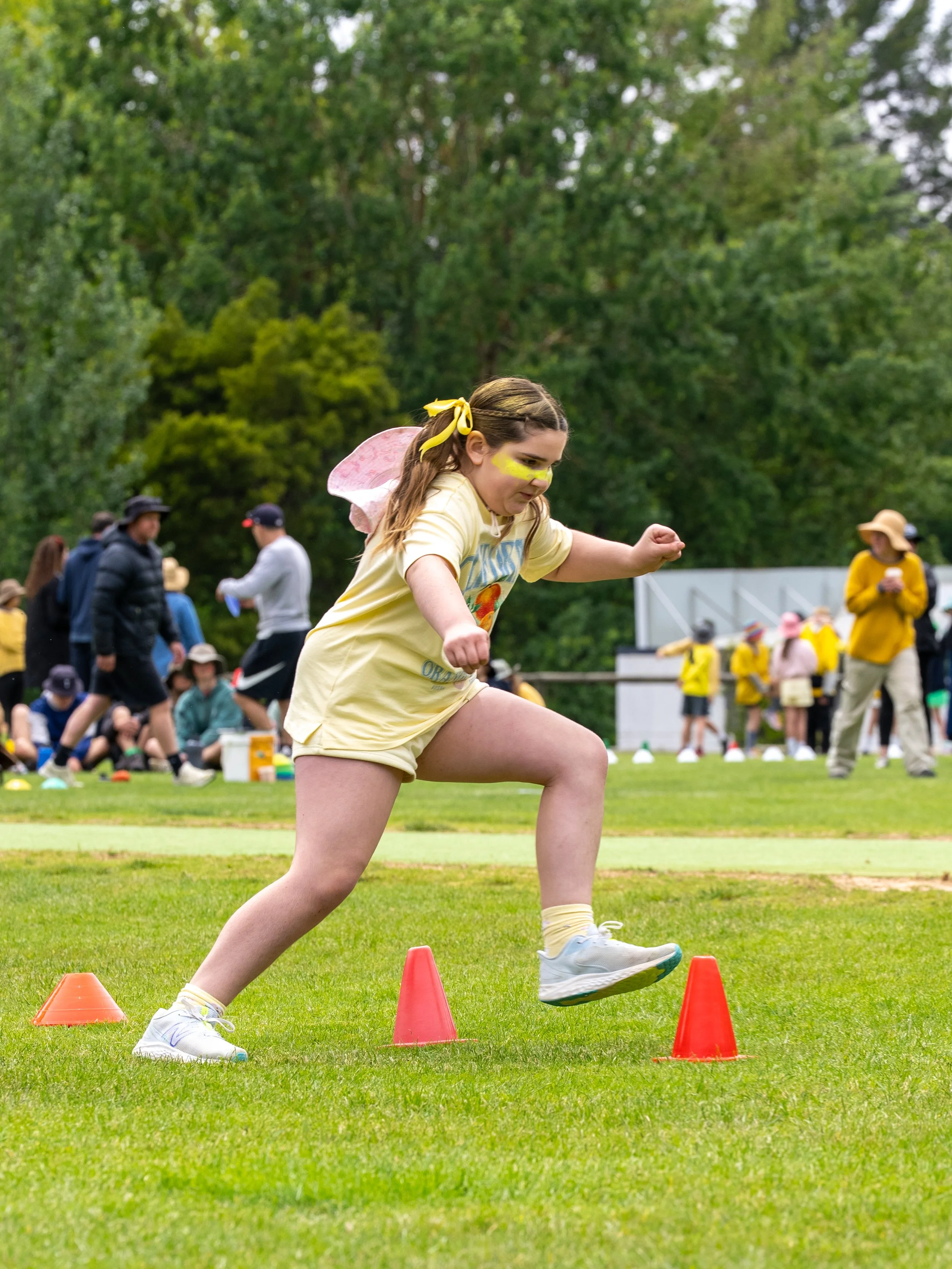
Spring Sports Carnival
Mark your calendars for Friday, 23 October for our Spring Sports Carnival!
An opportunity for our community to come together, get active and enjoy a day of participation, teamwork and fun.
HELP WANTED: We’re looking for volunteers to help with athletic events, and someone with access to a line-marking machine we could borrow the day before.
More details coming soon!
Friday 23rd October
Conversations
Conversations
Conversations Conversations
Conversations About Learning
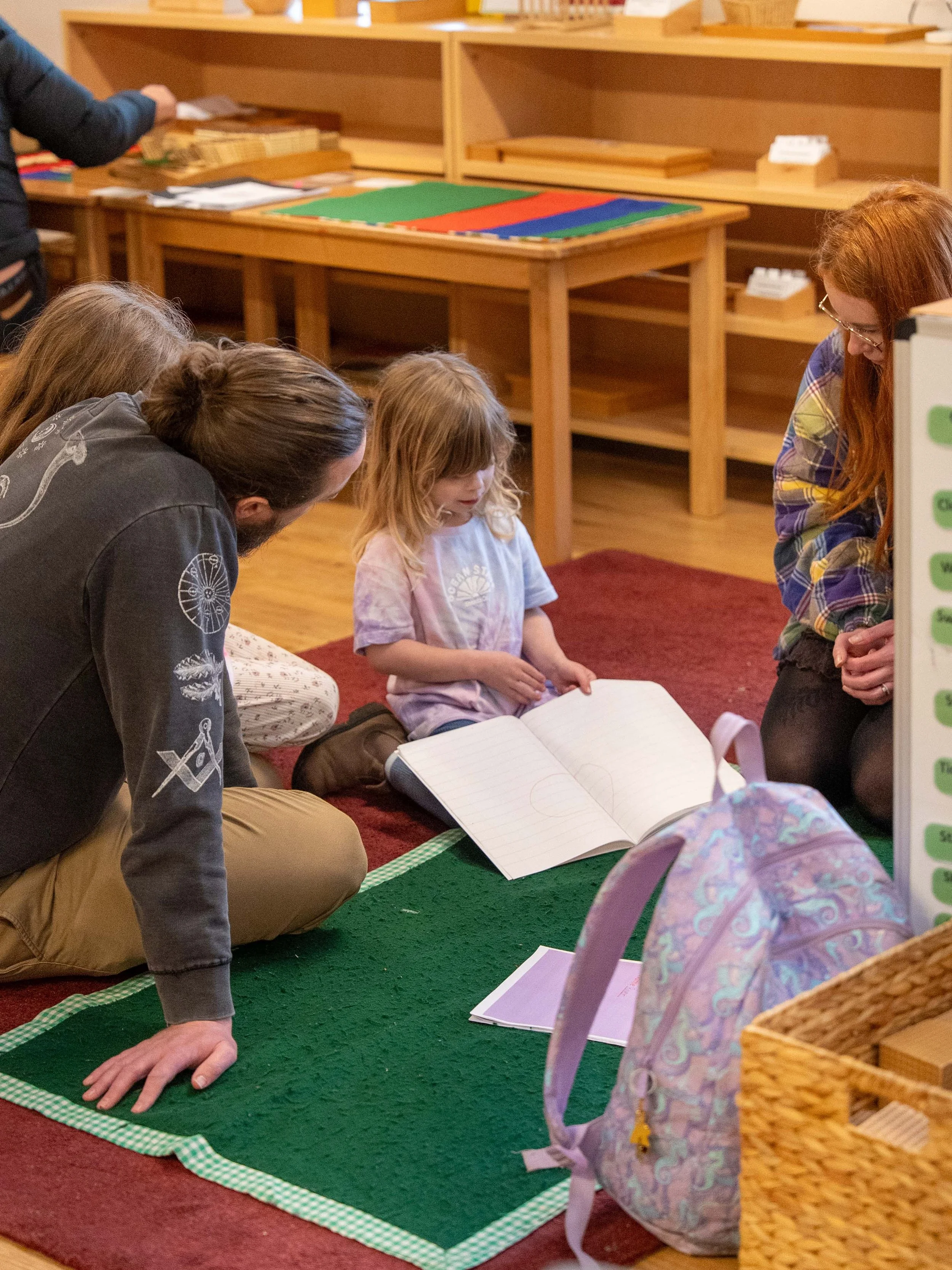
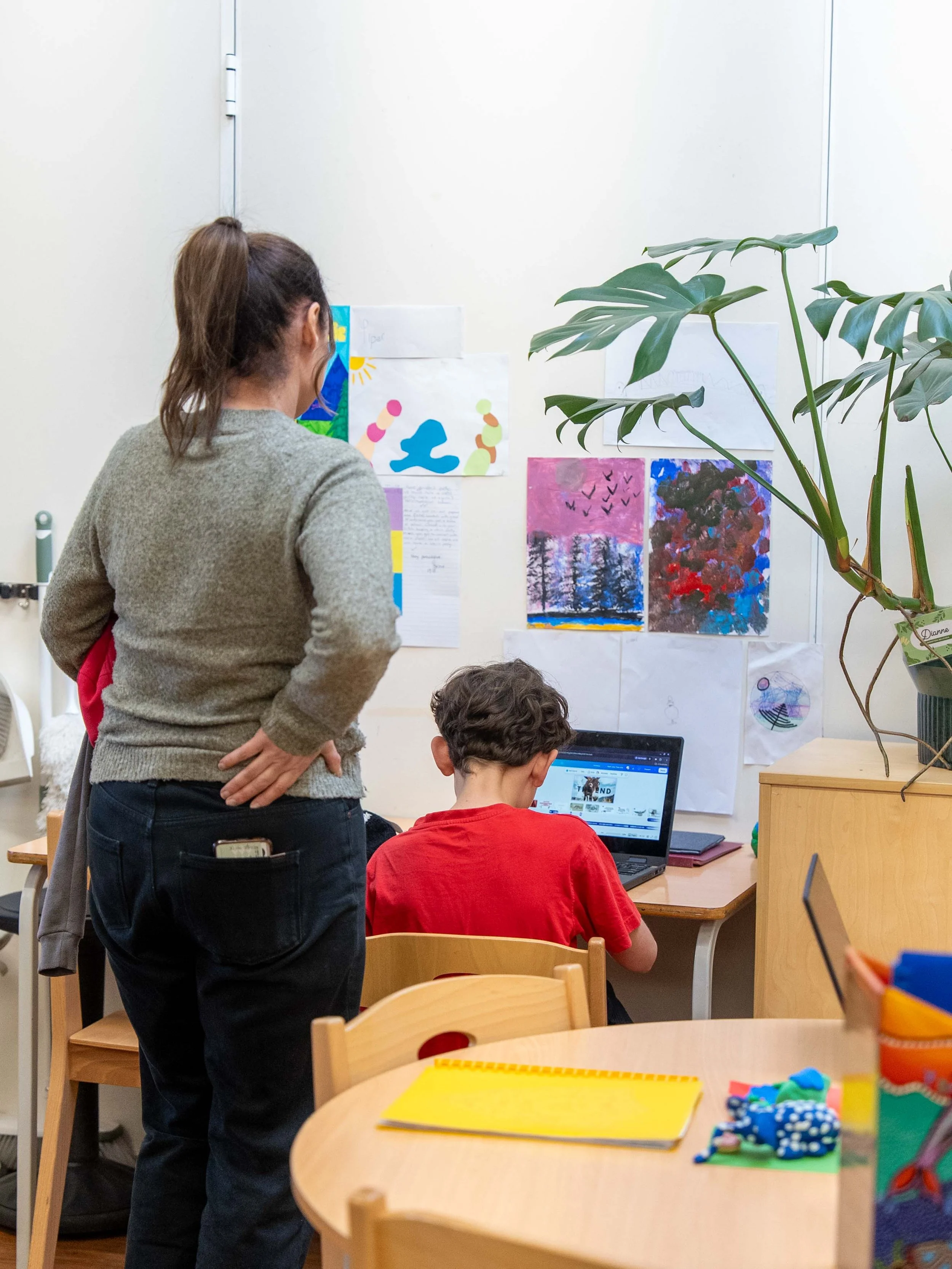
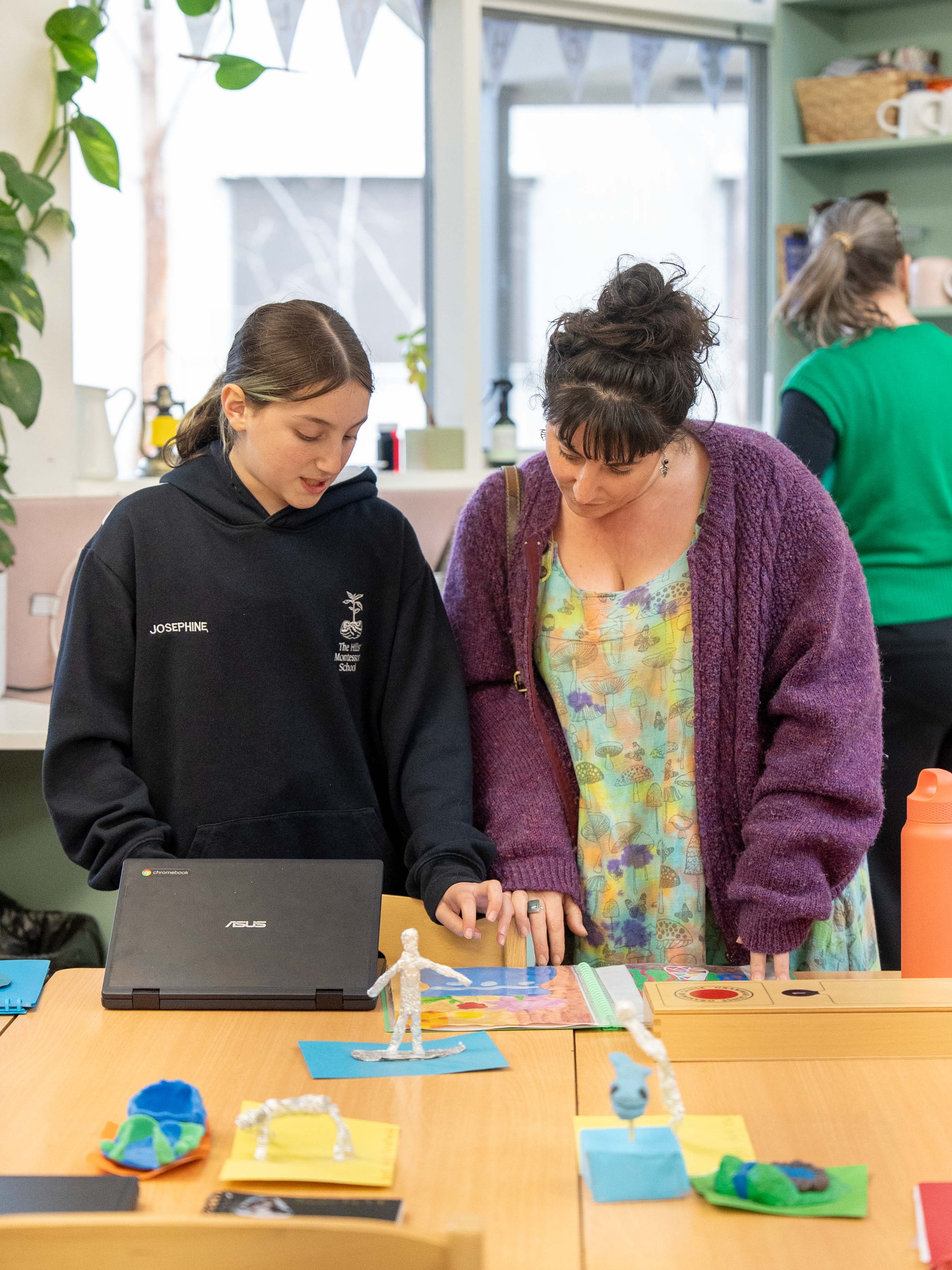
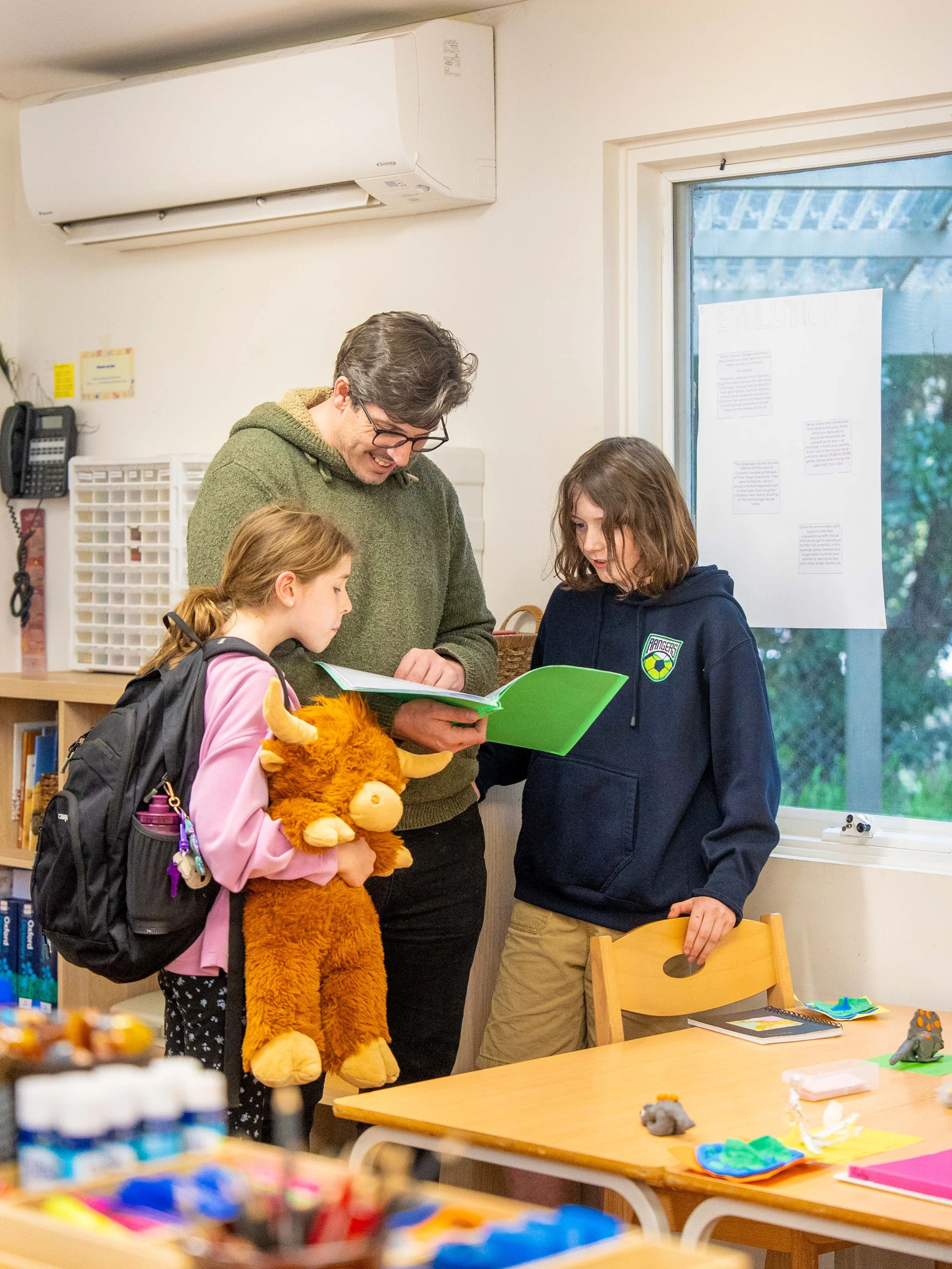
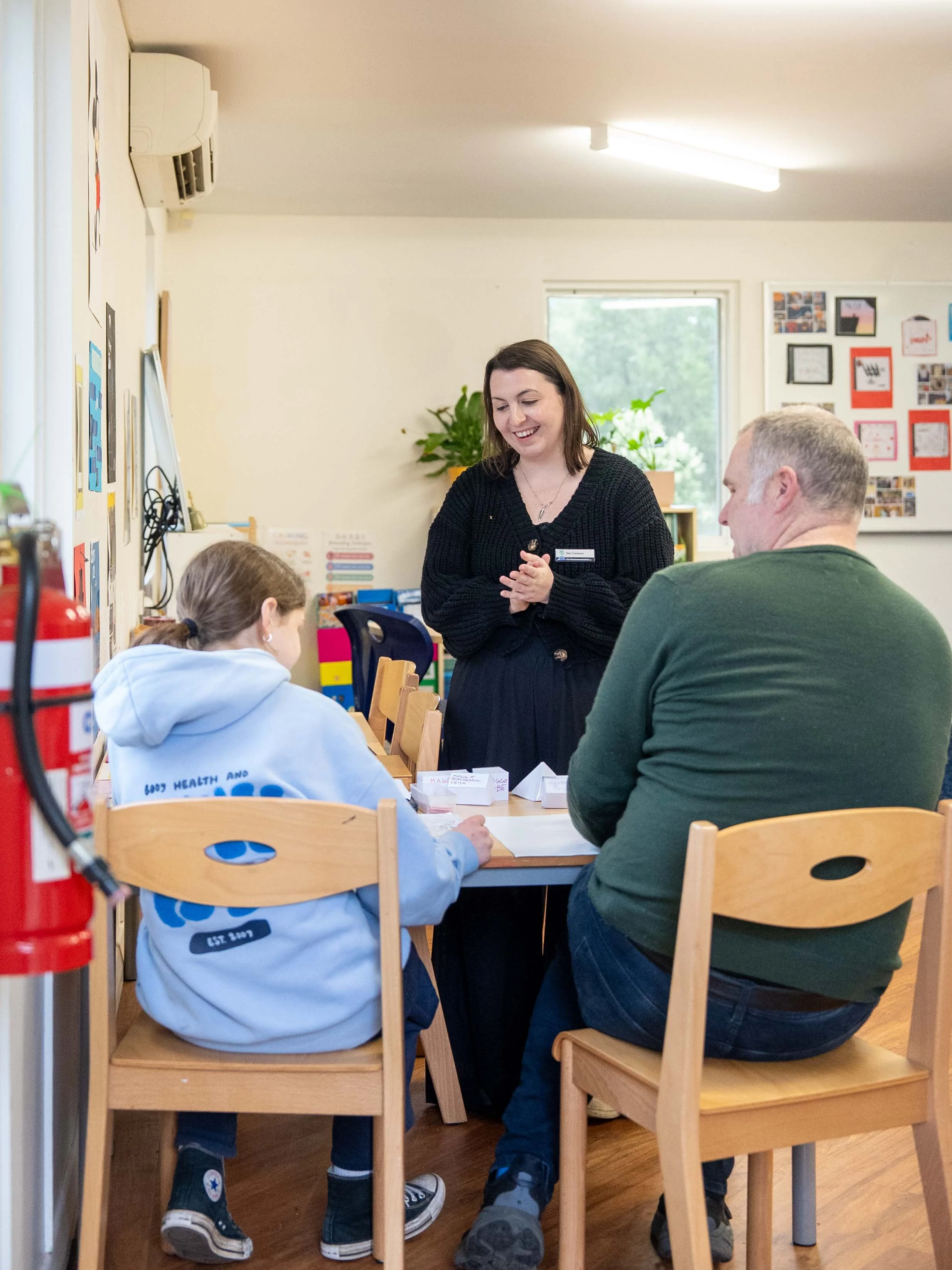
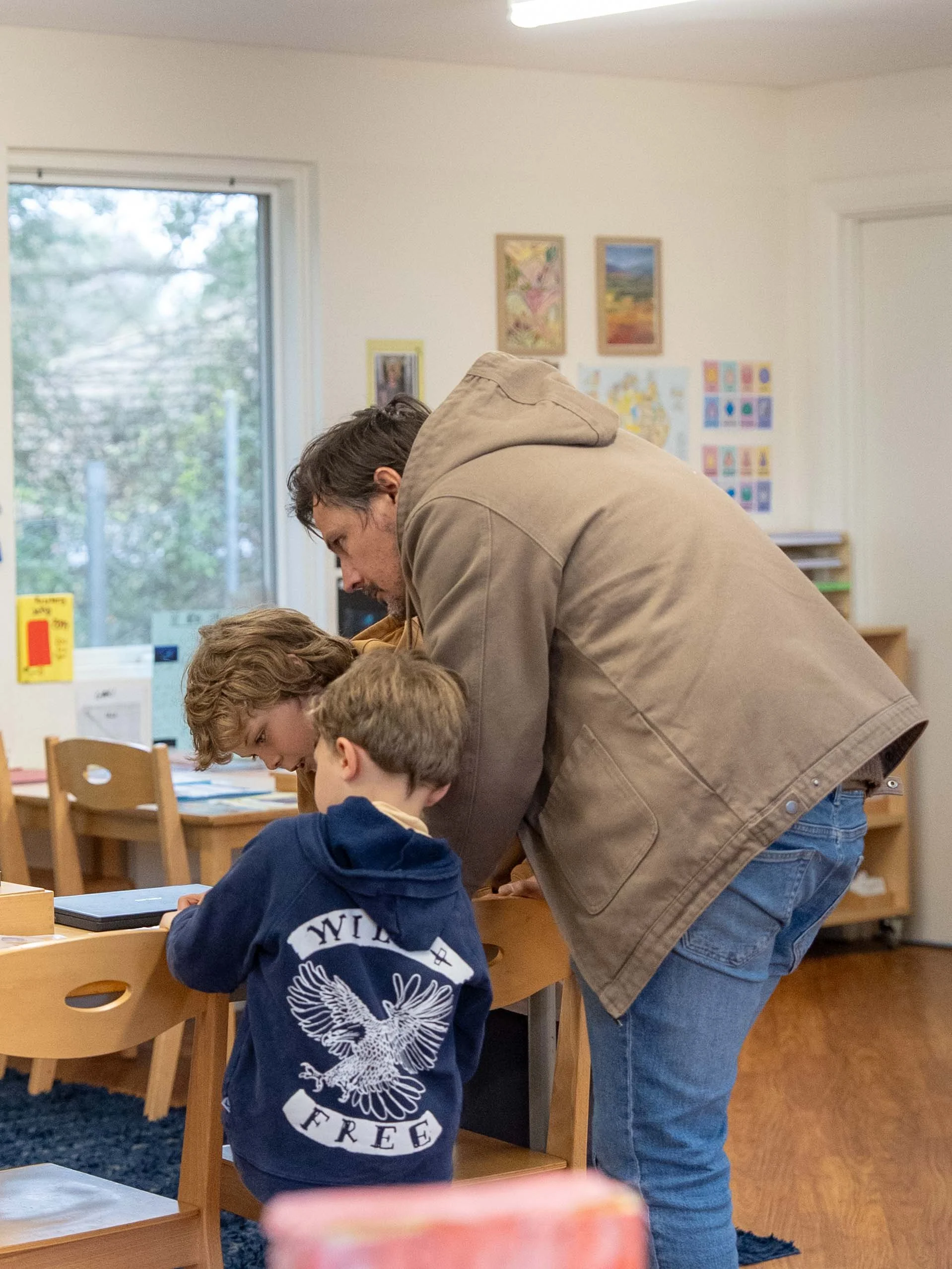
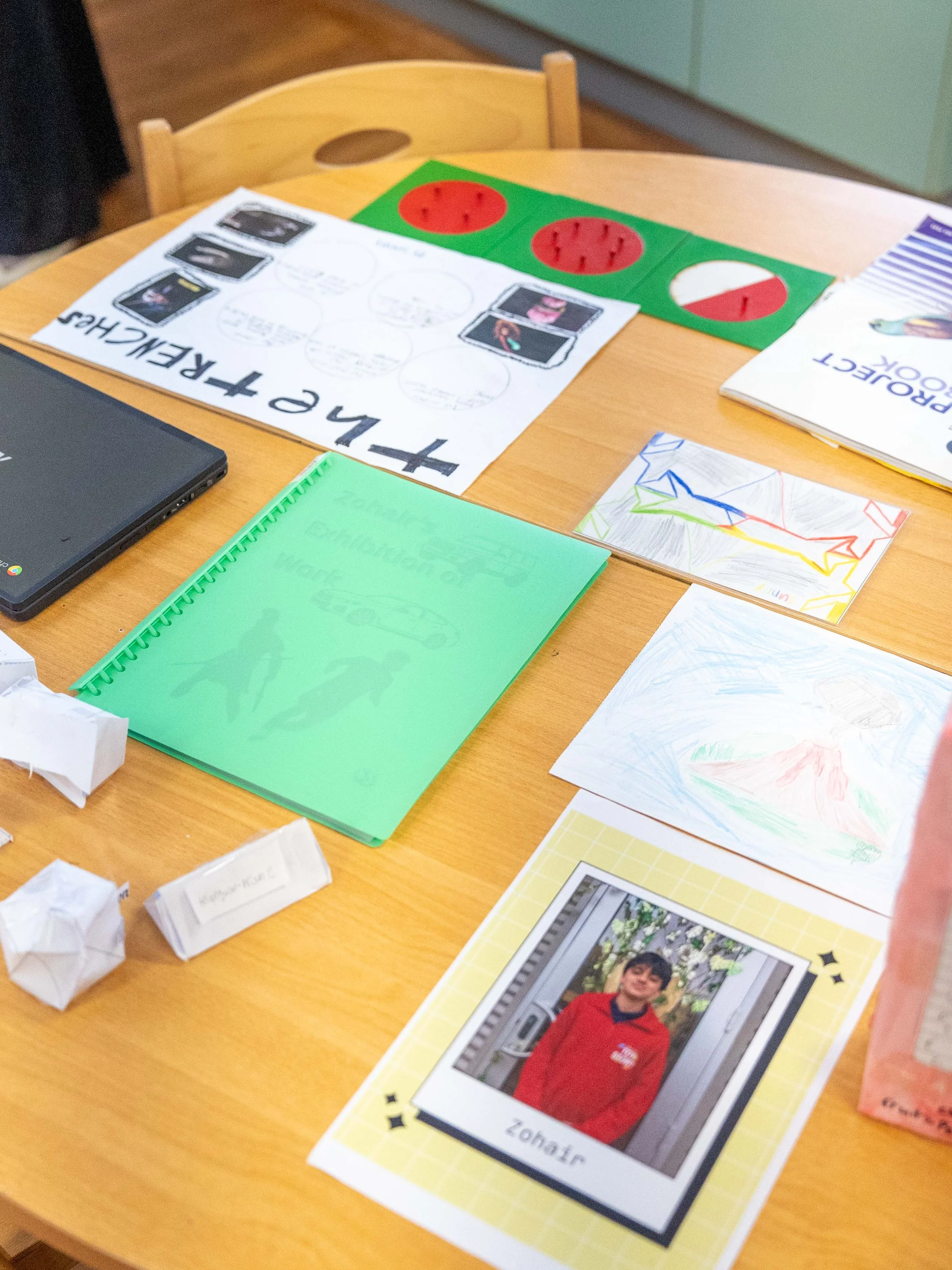
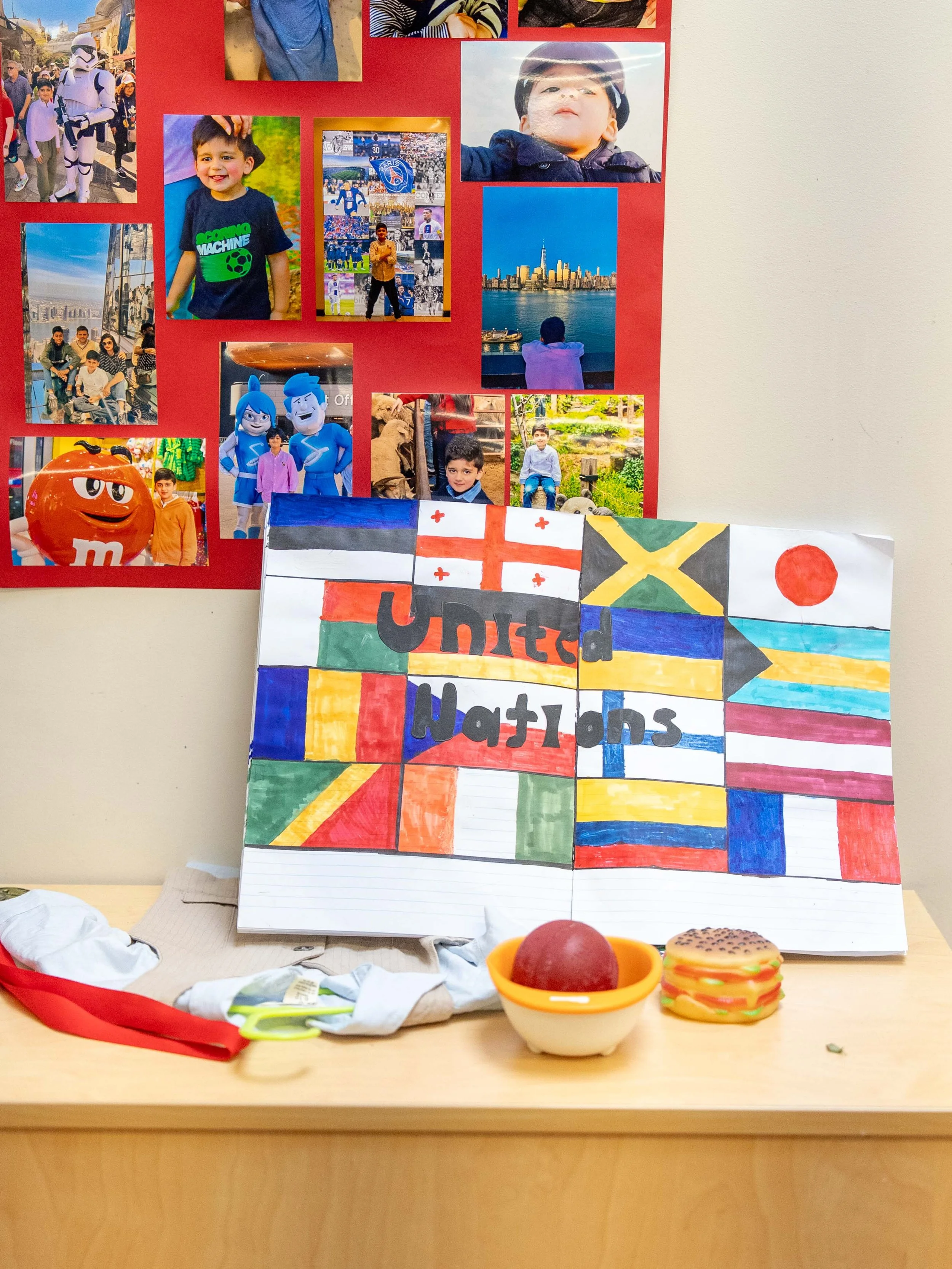
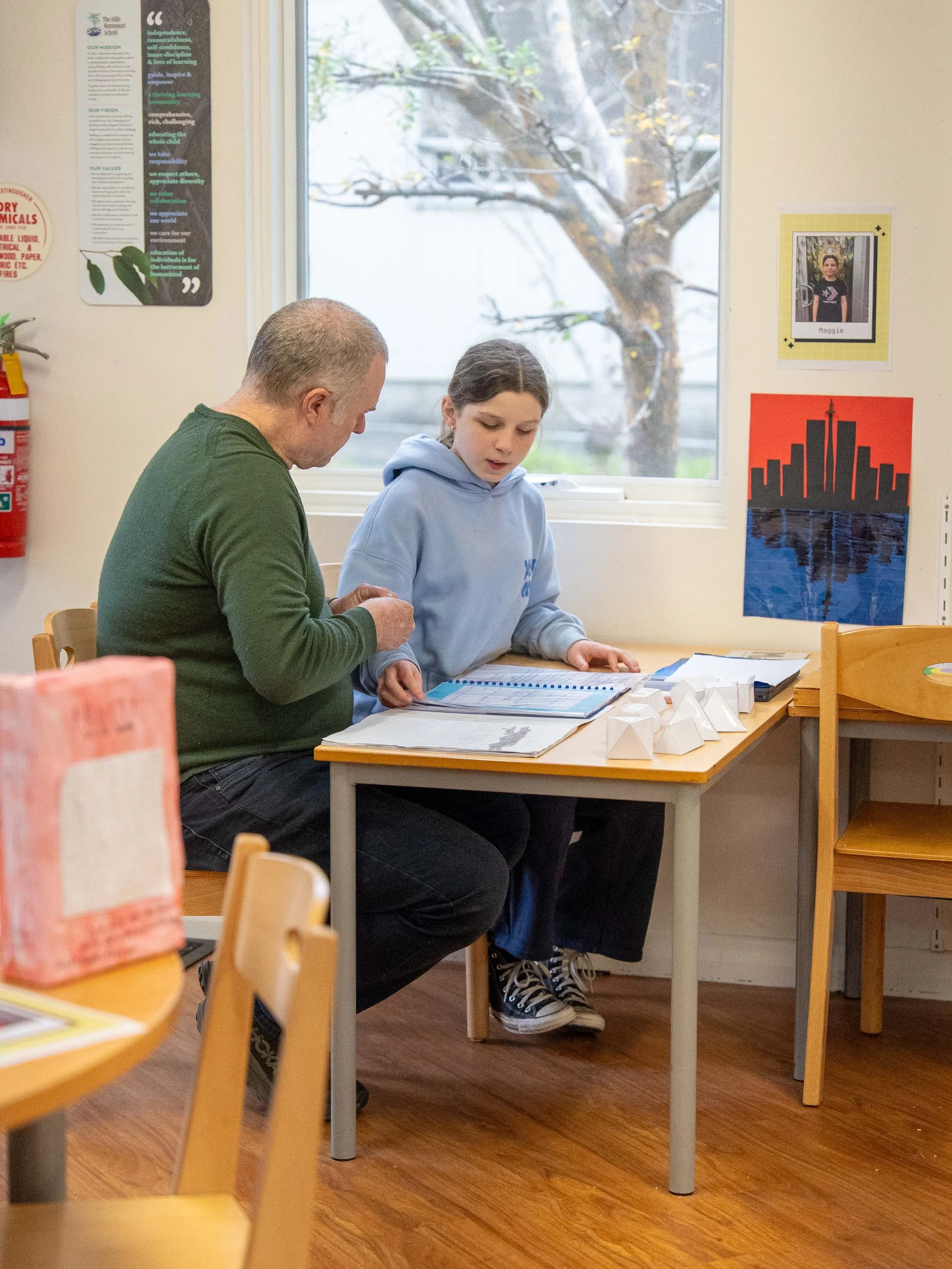
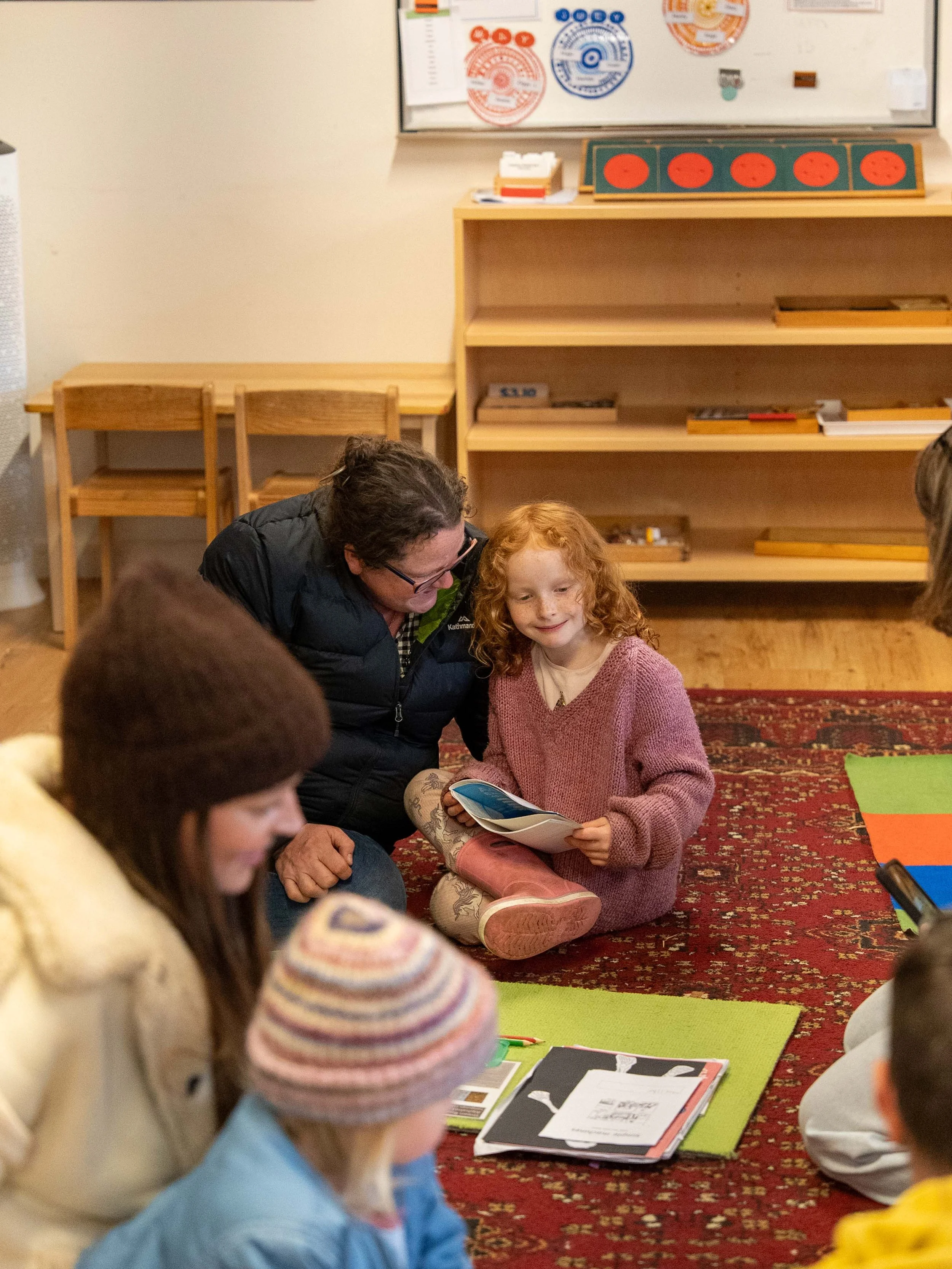
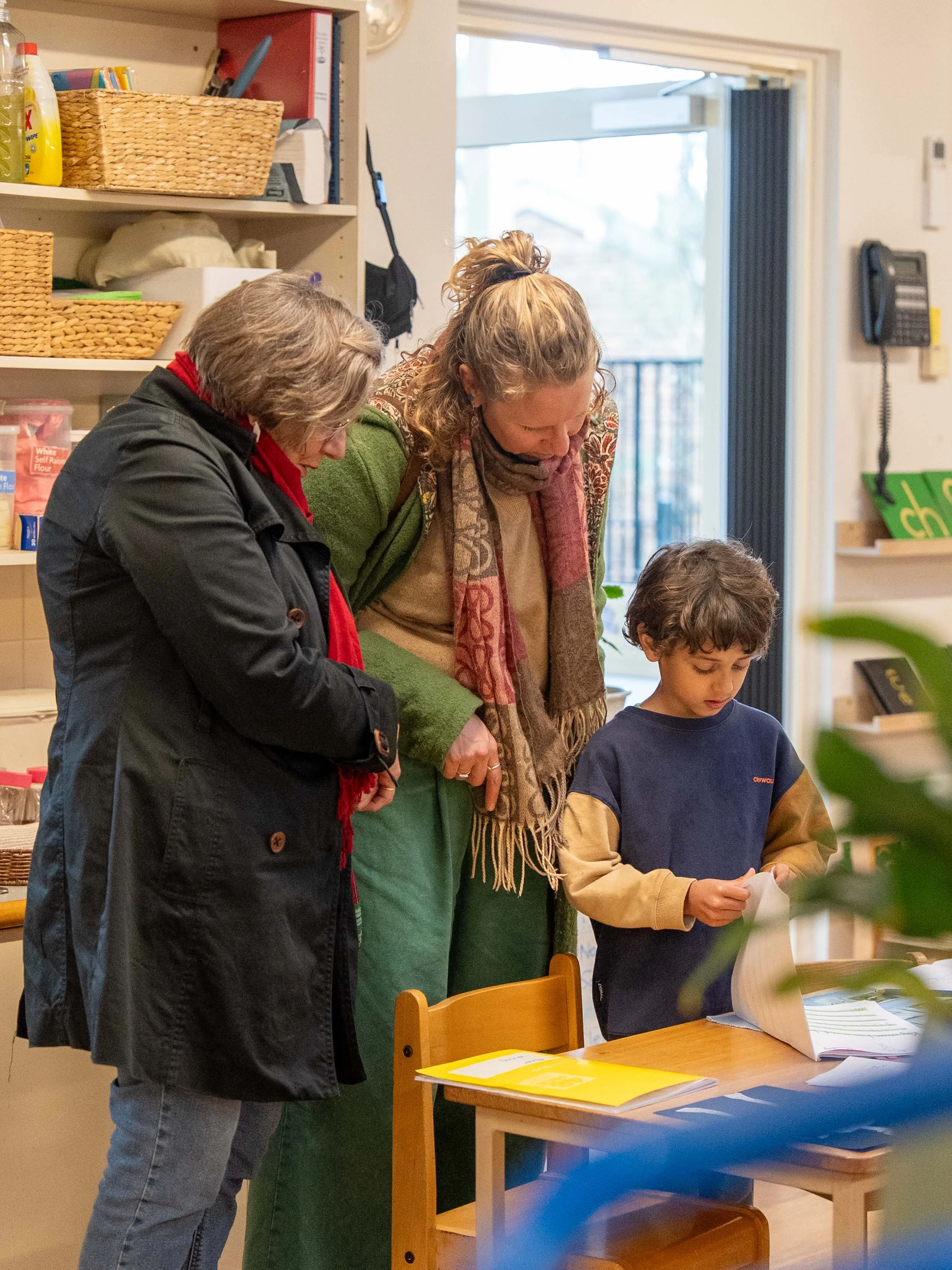
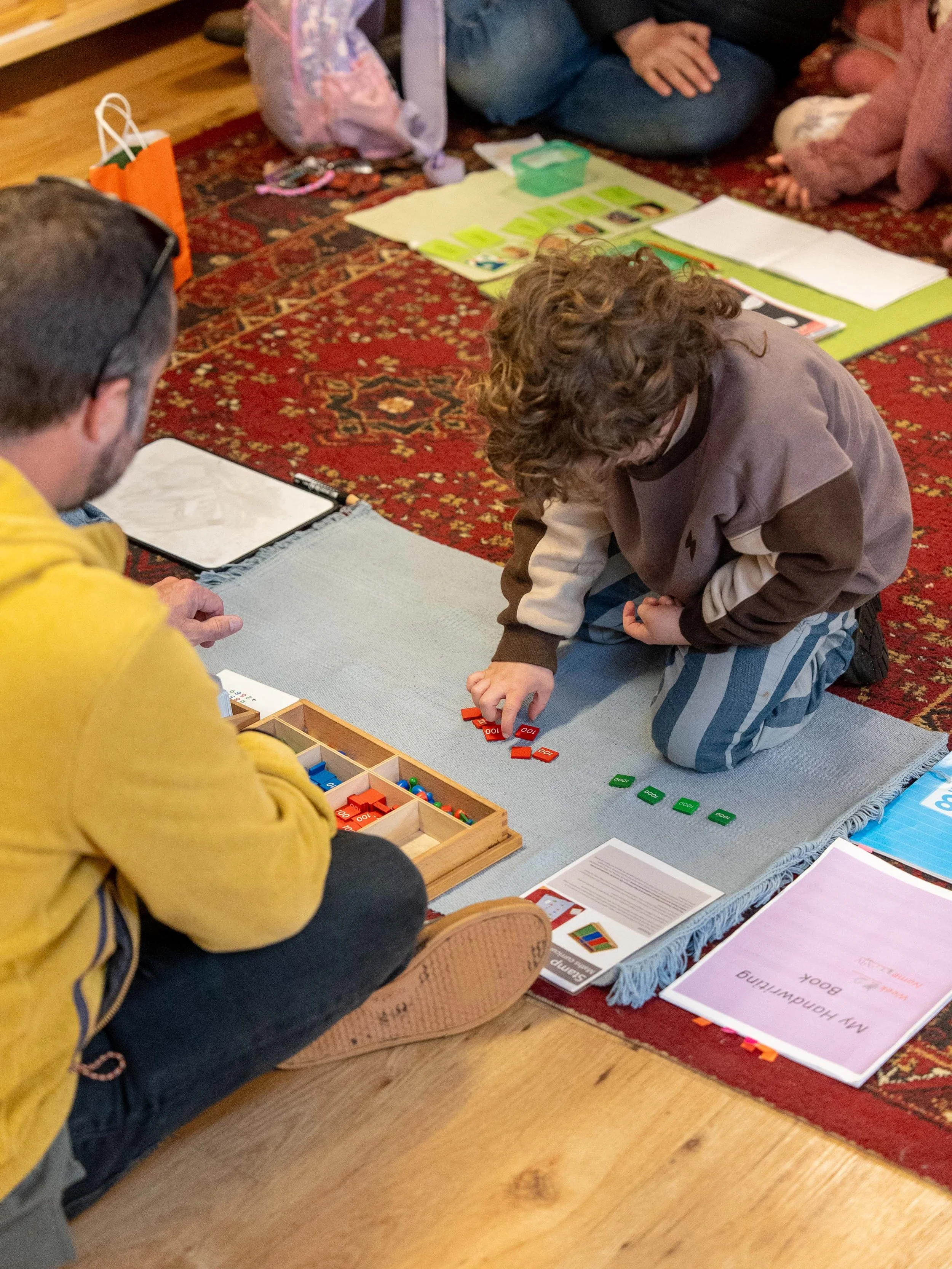
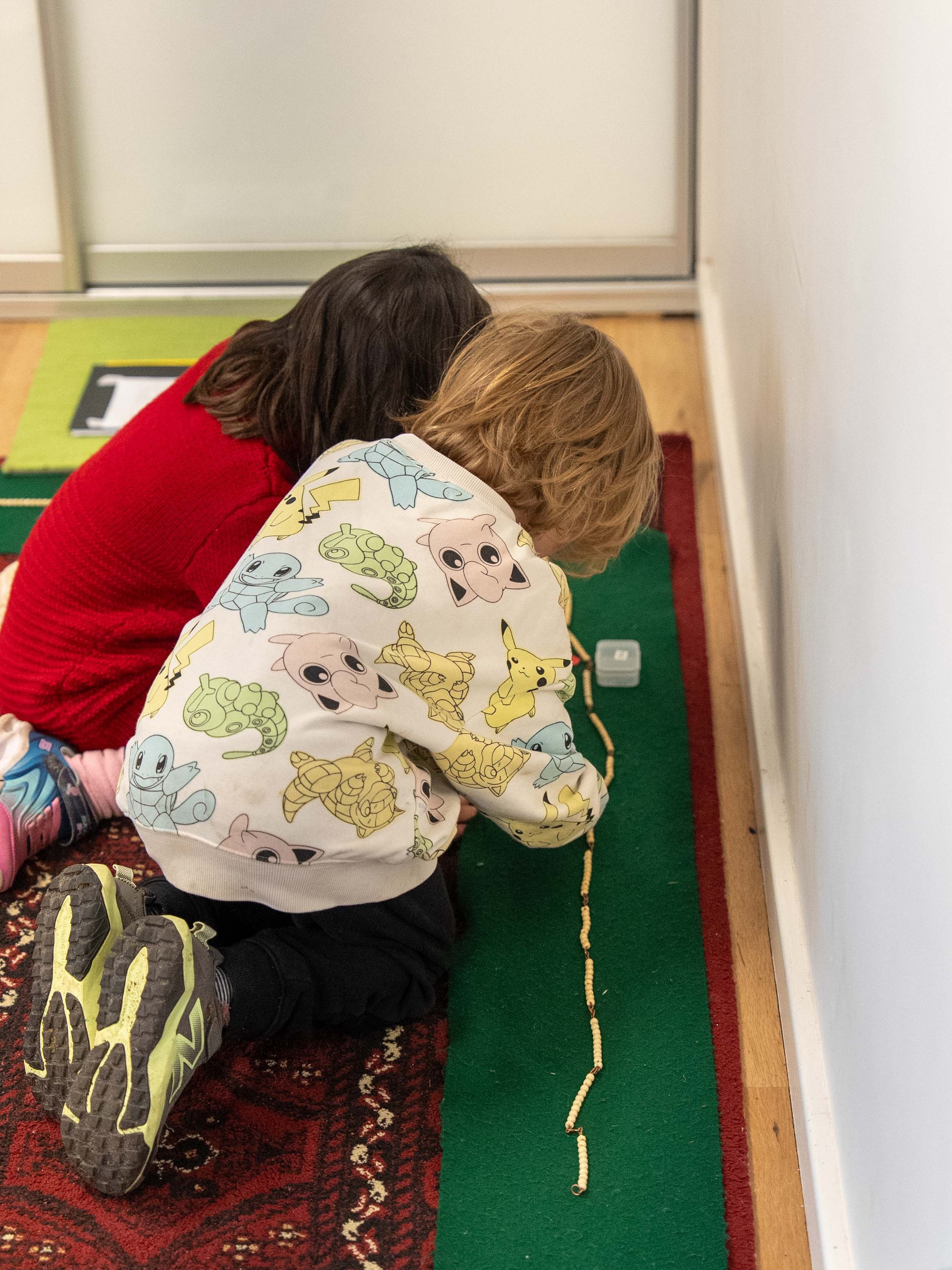
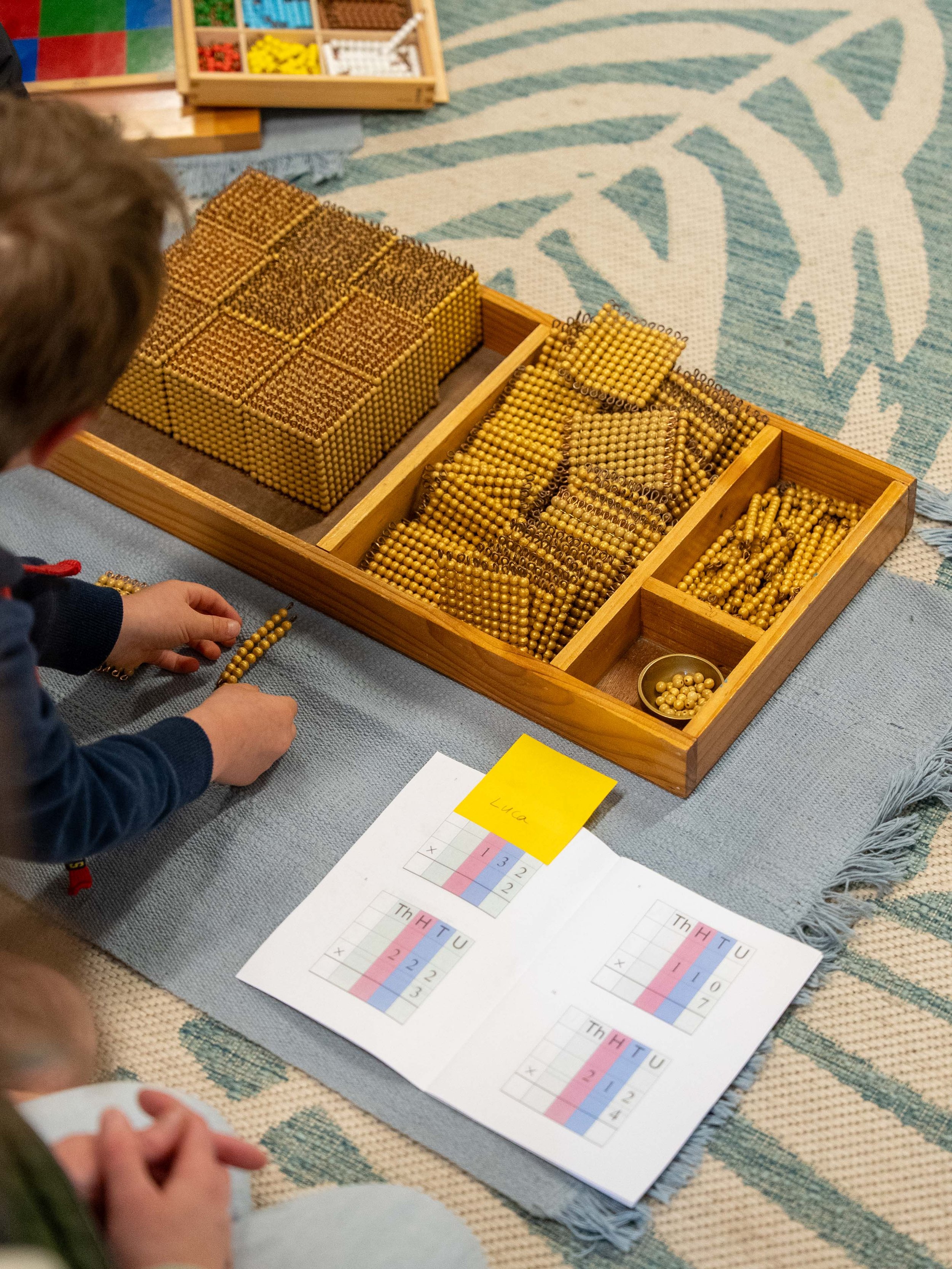
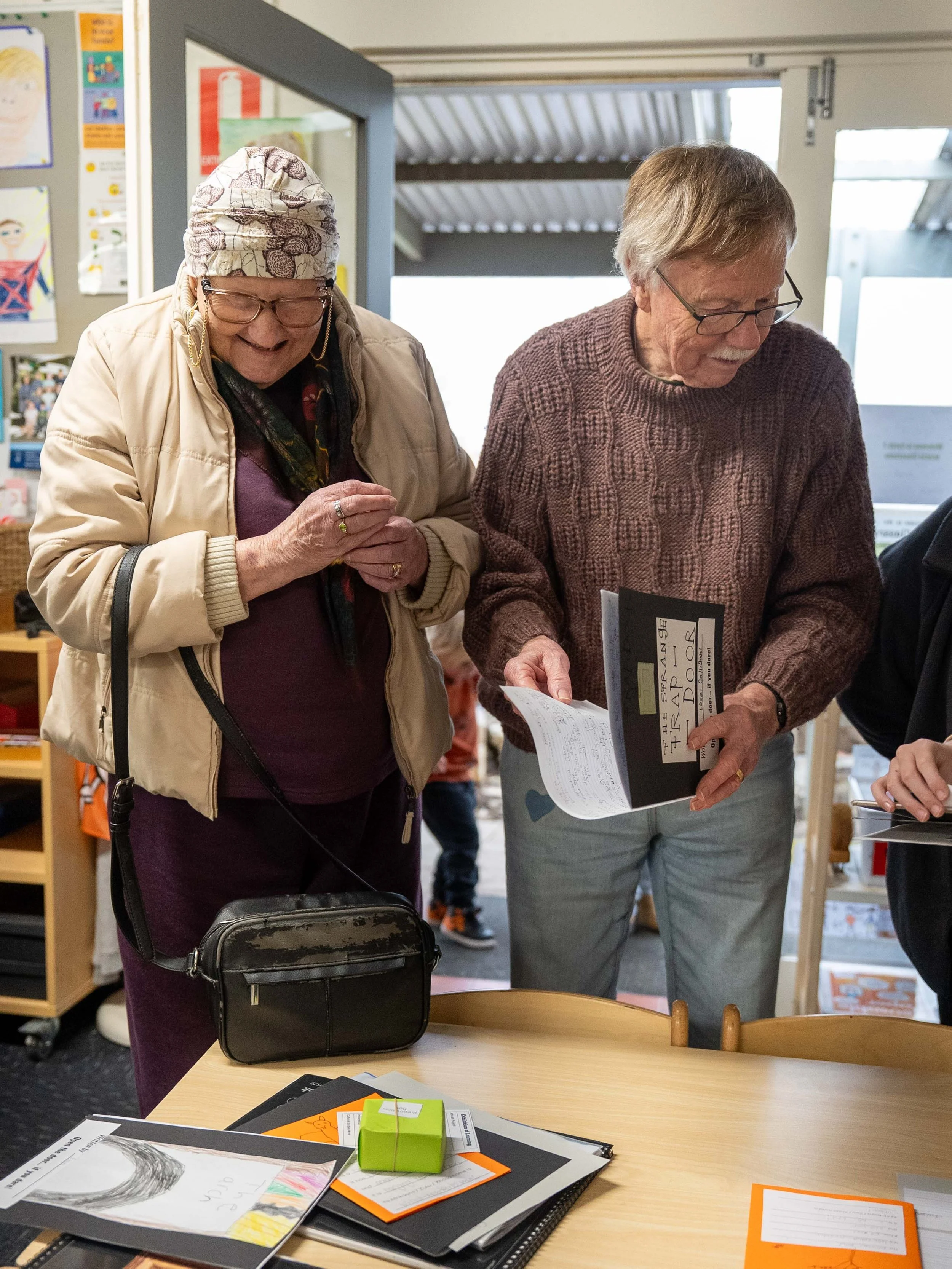
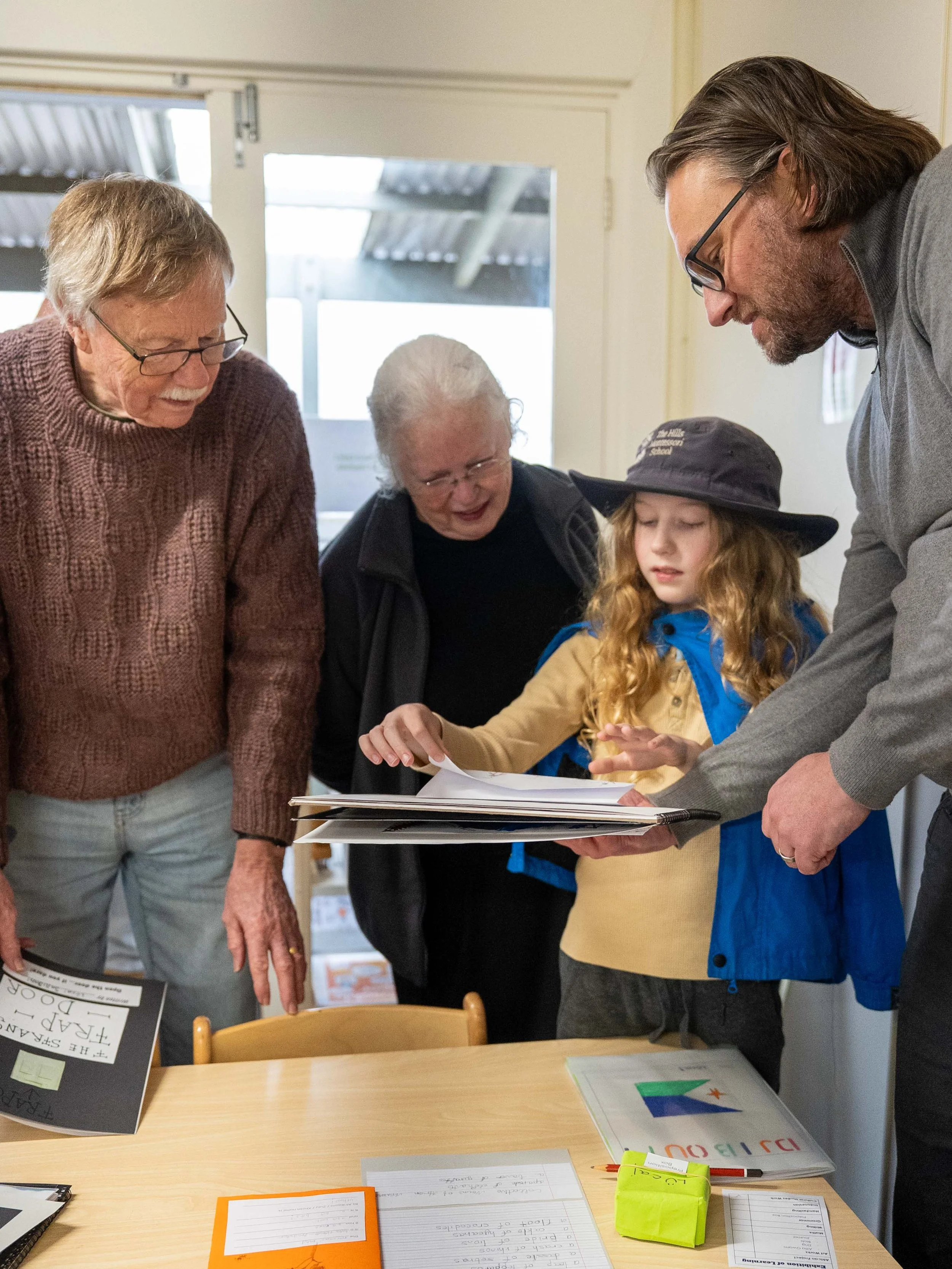
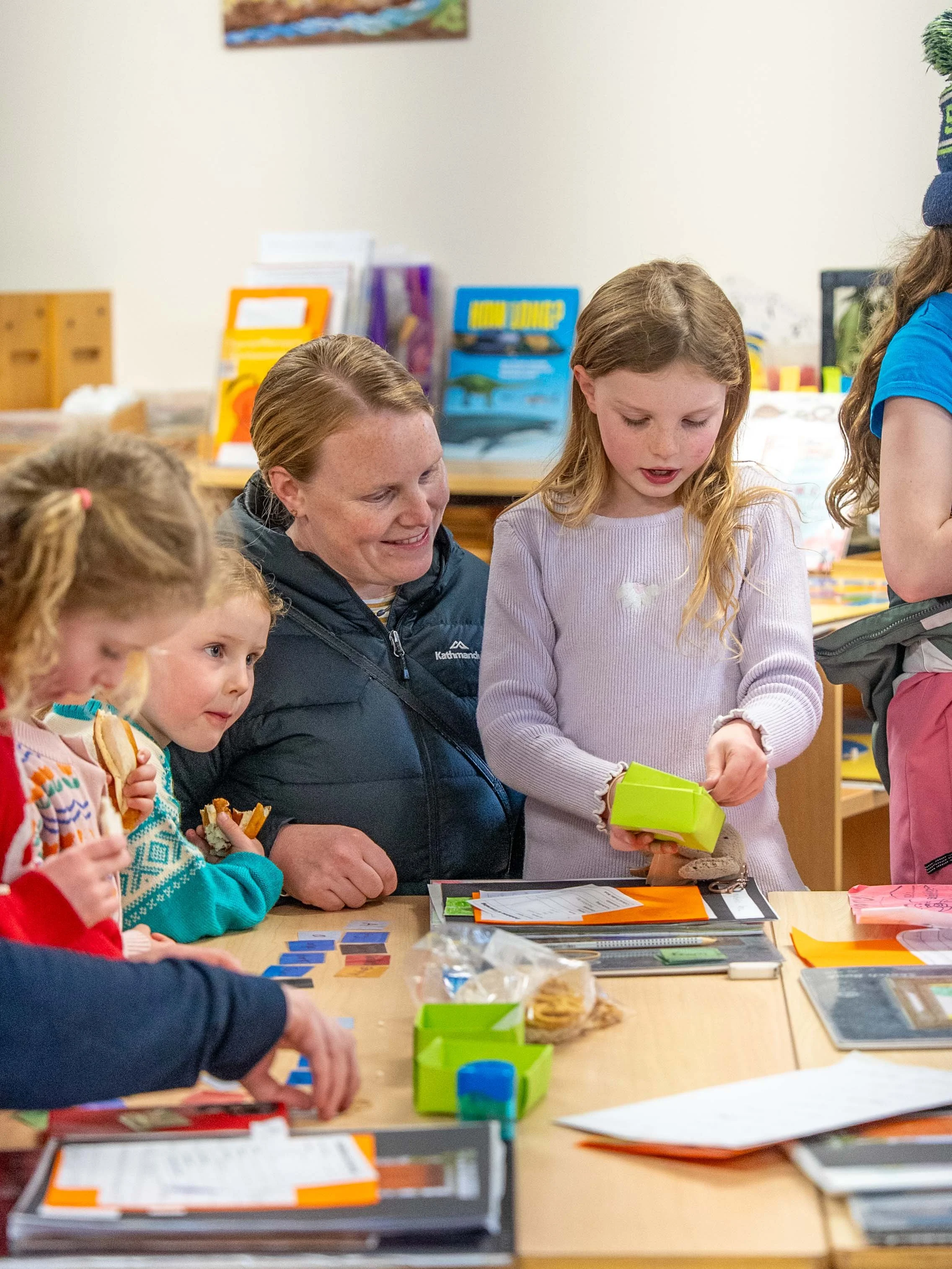
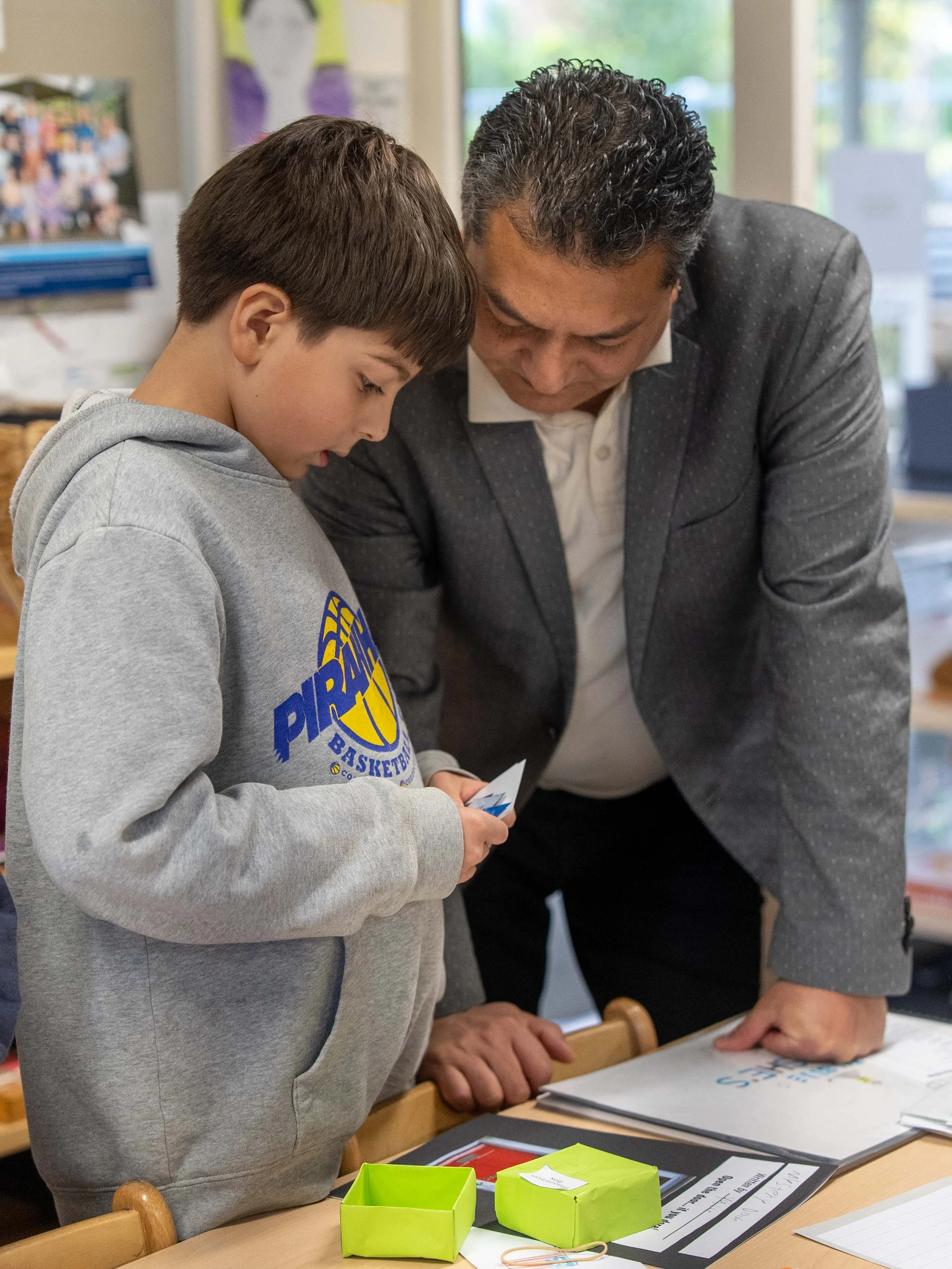
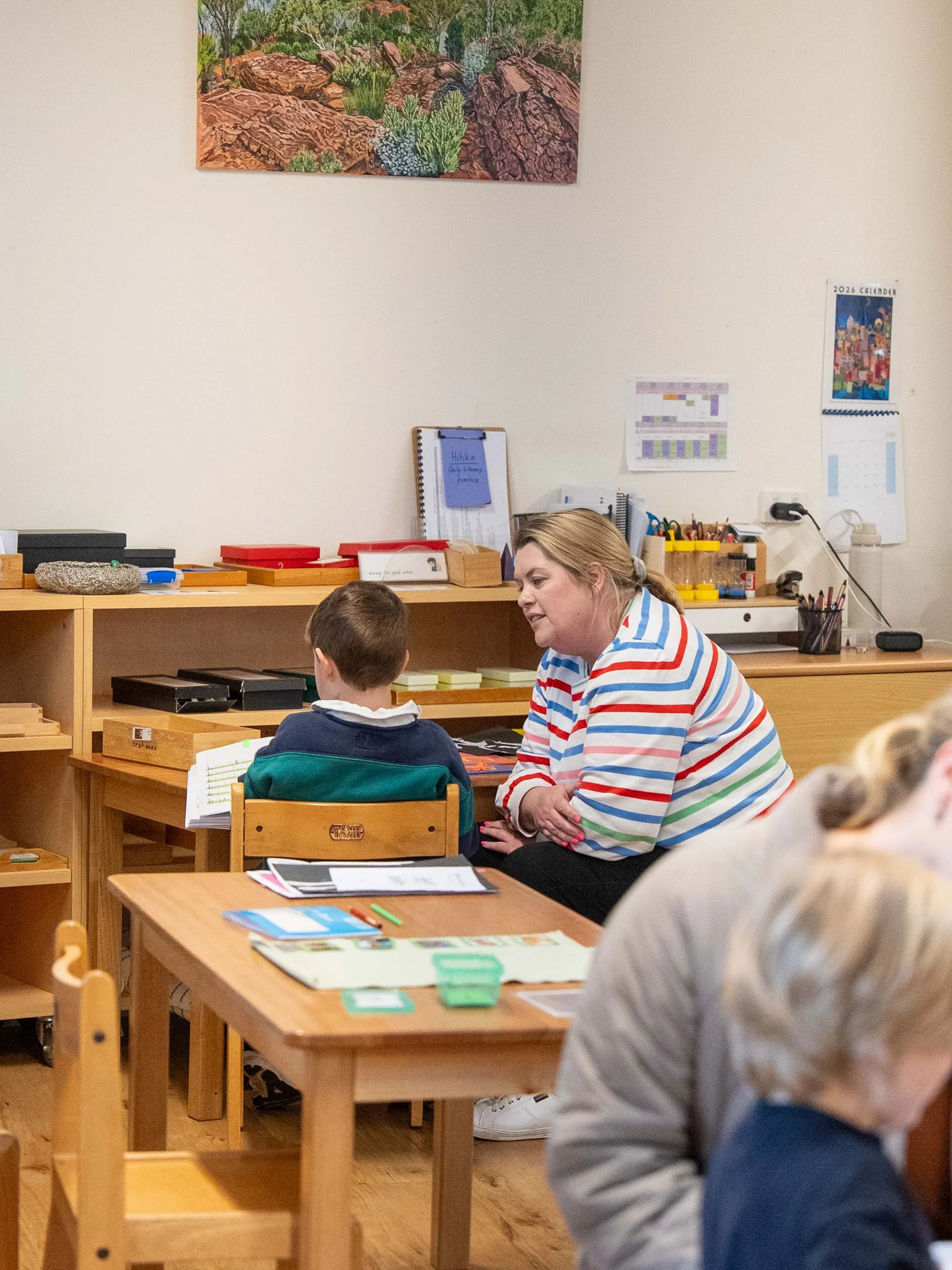
There is a difference between completing a piece of work and understanding the learning behind it.
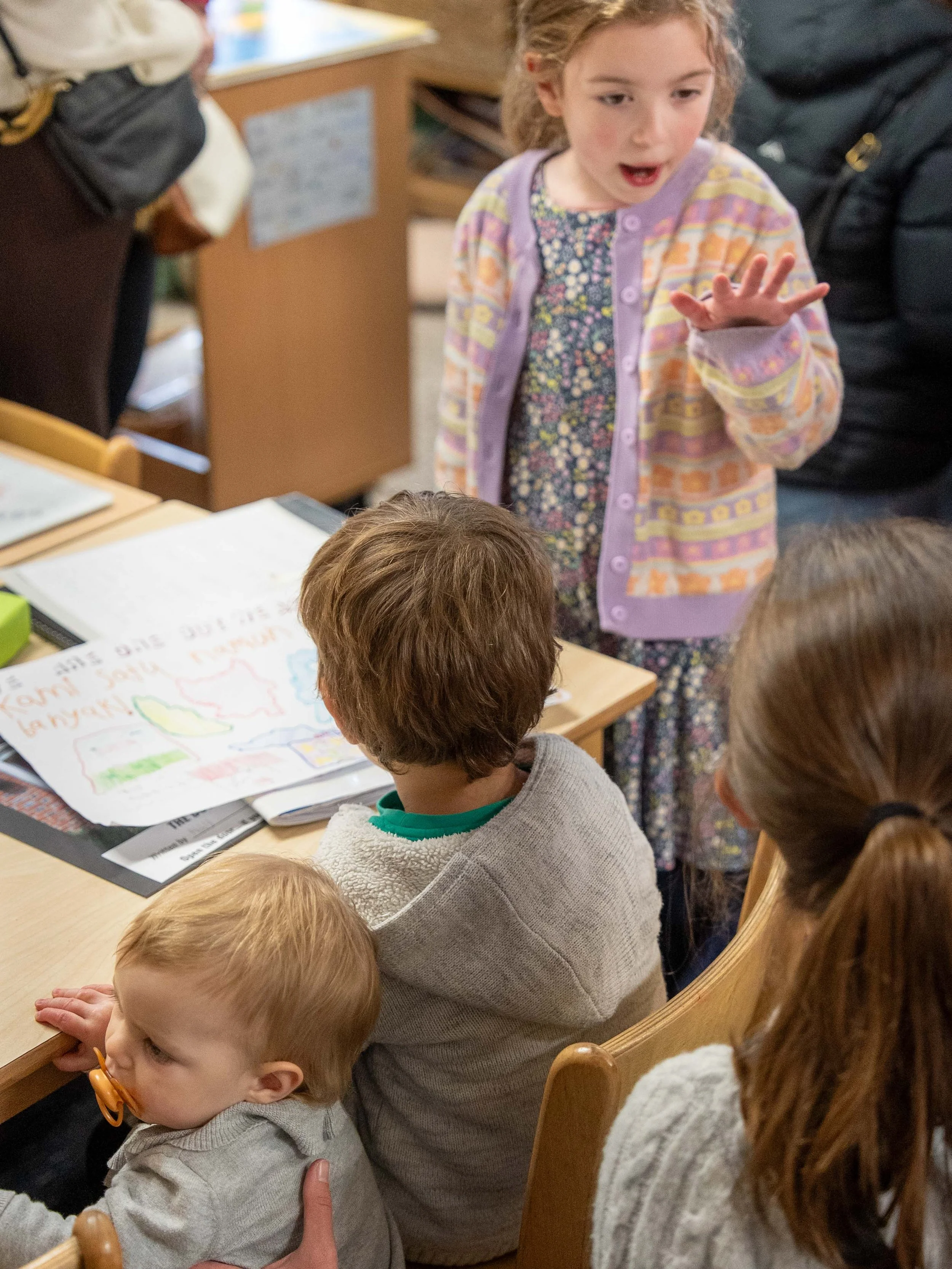
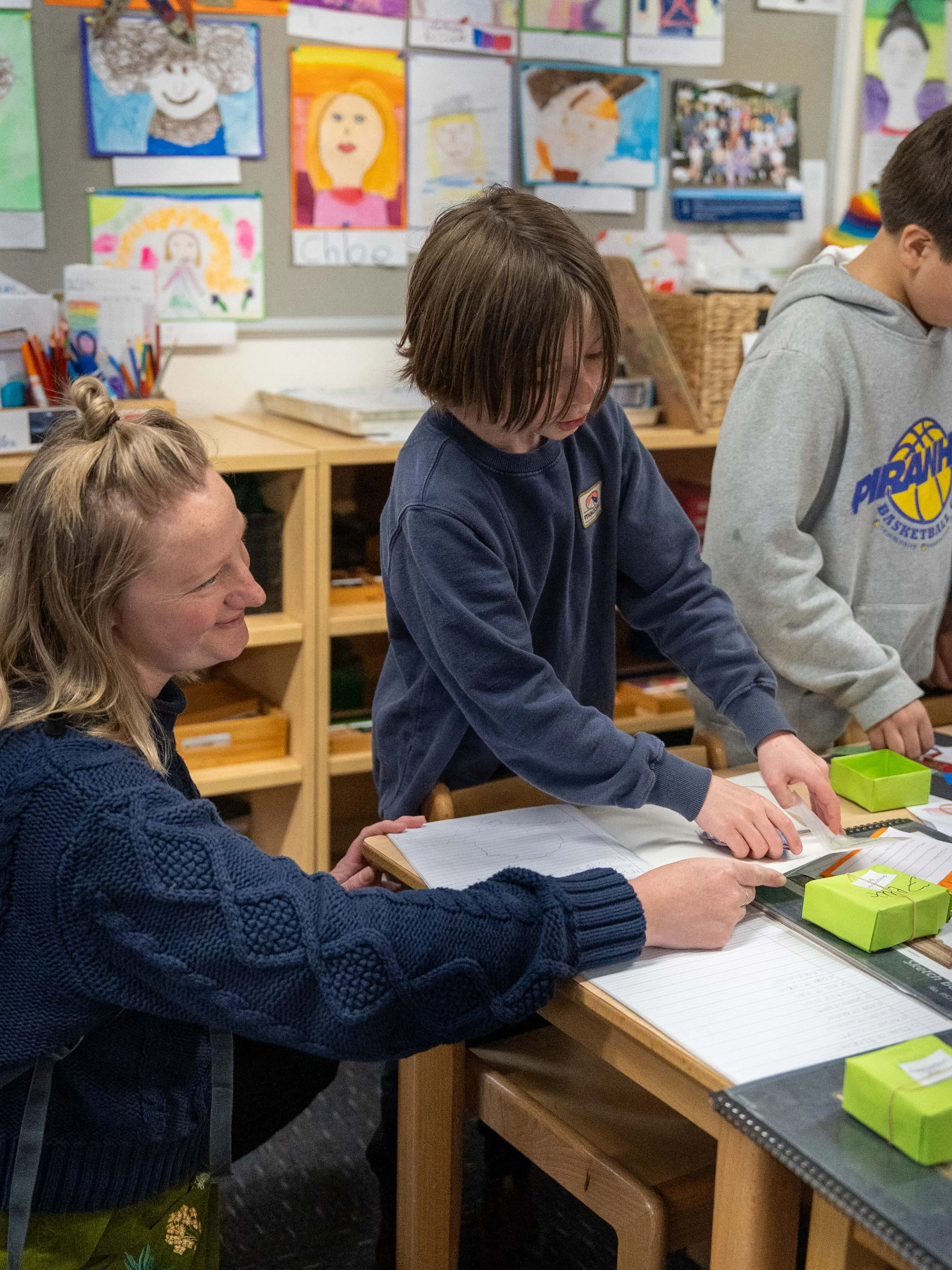
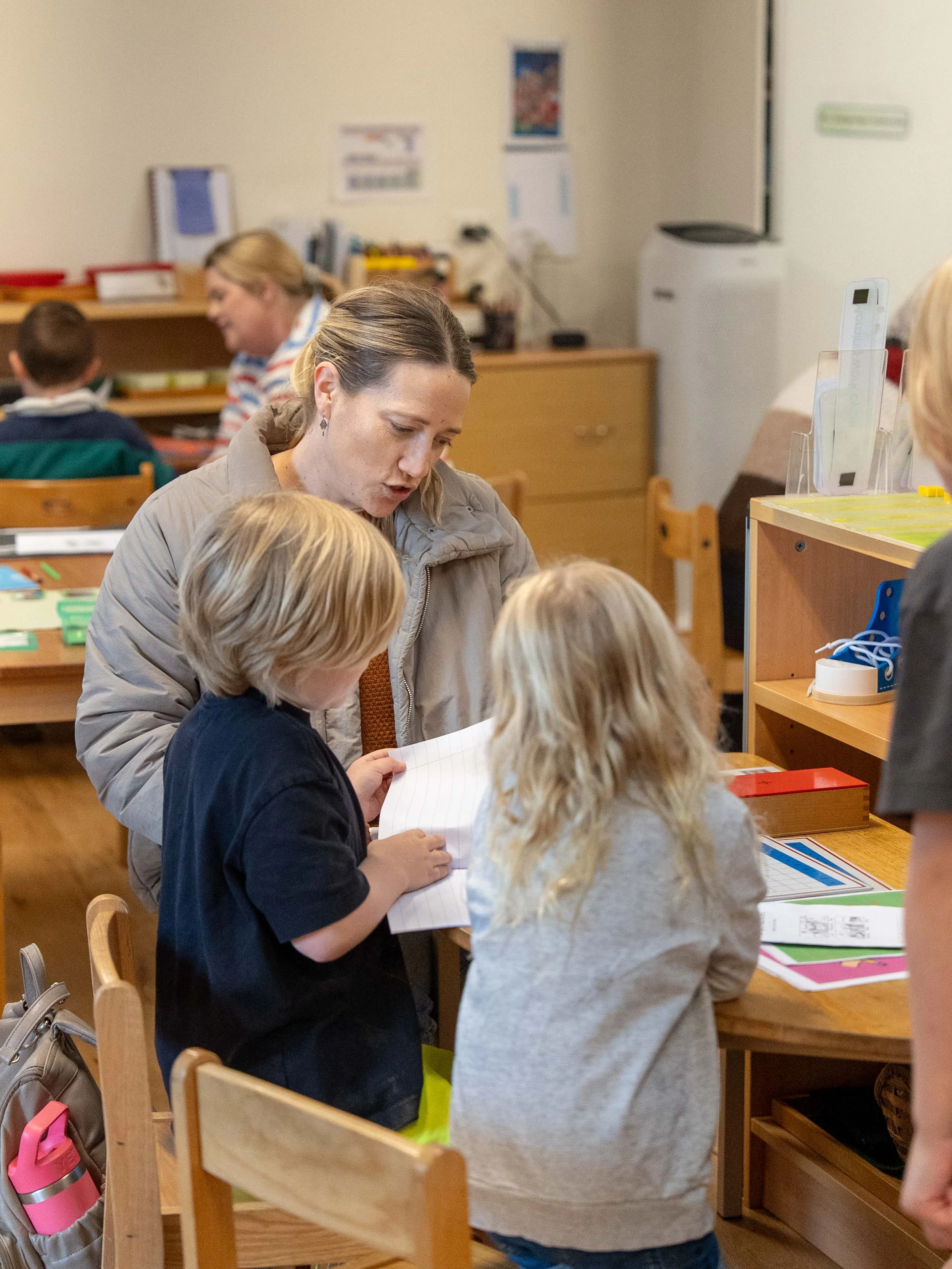
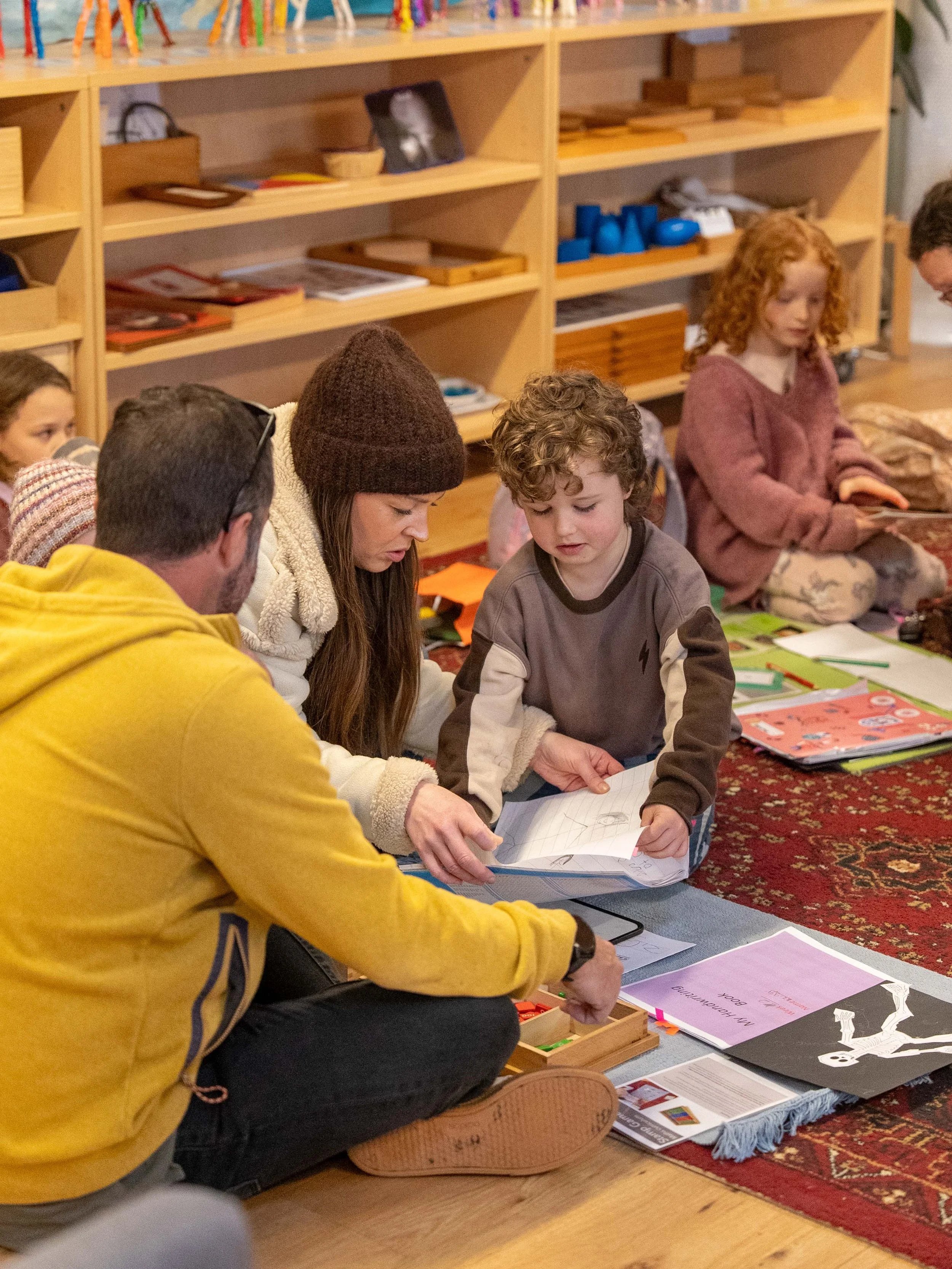
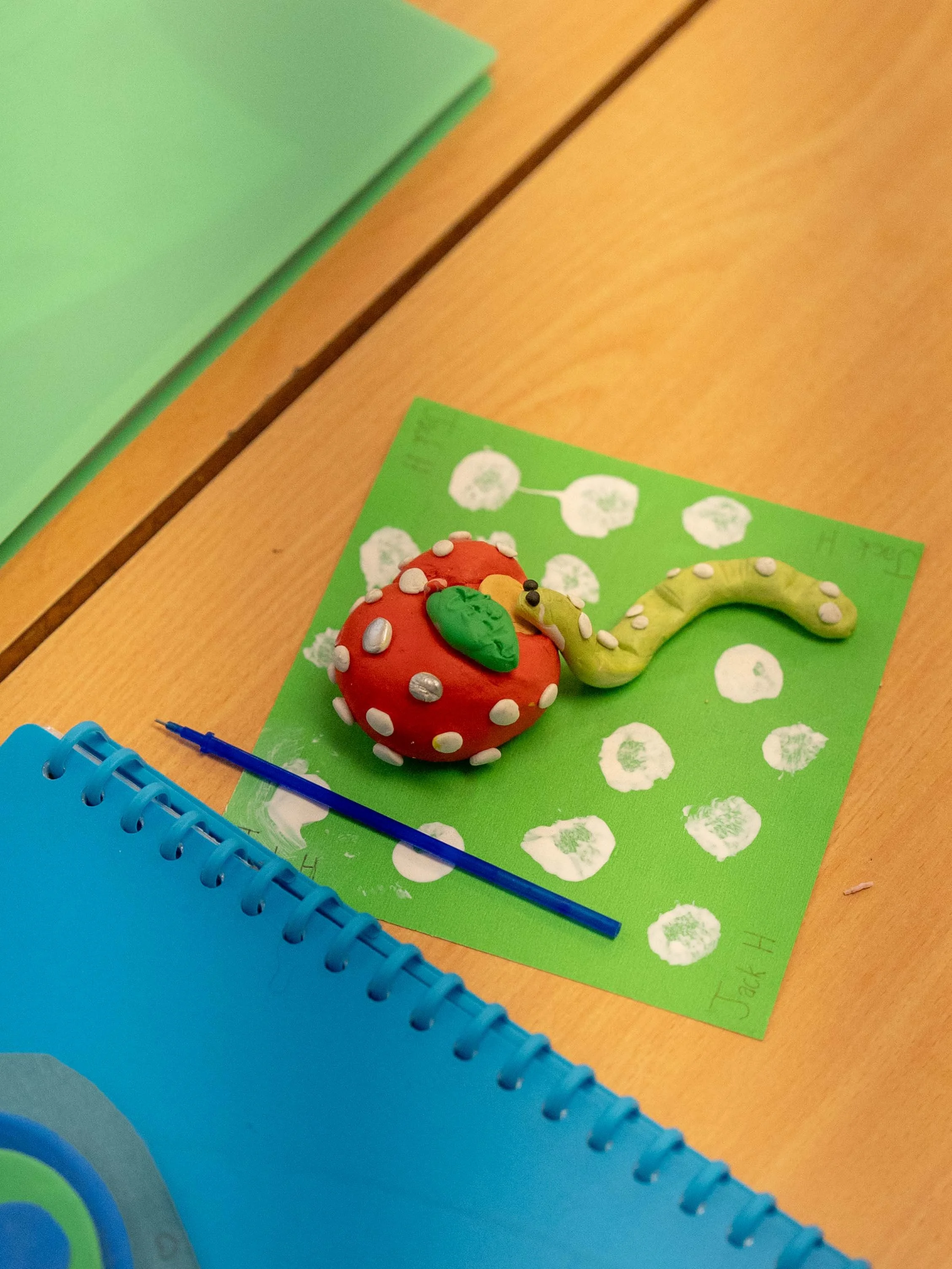
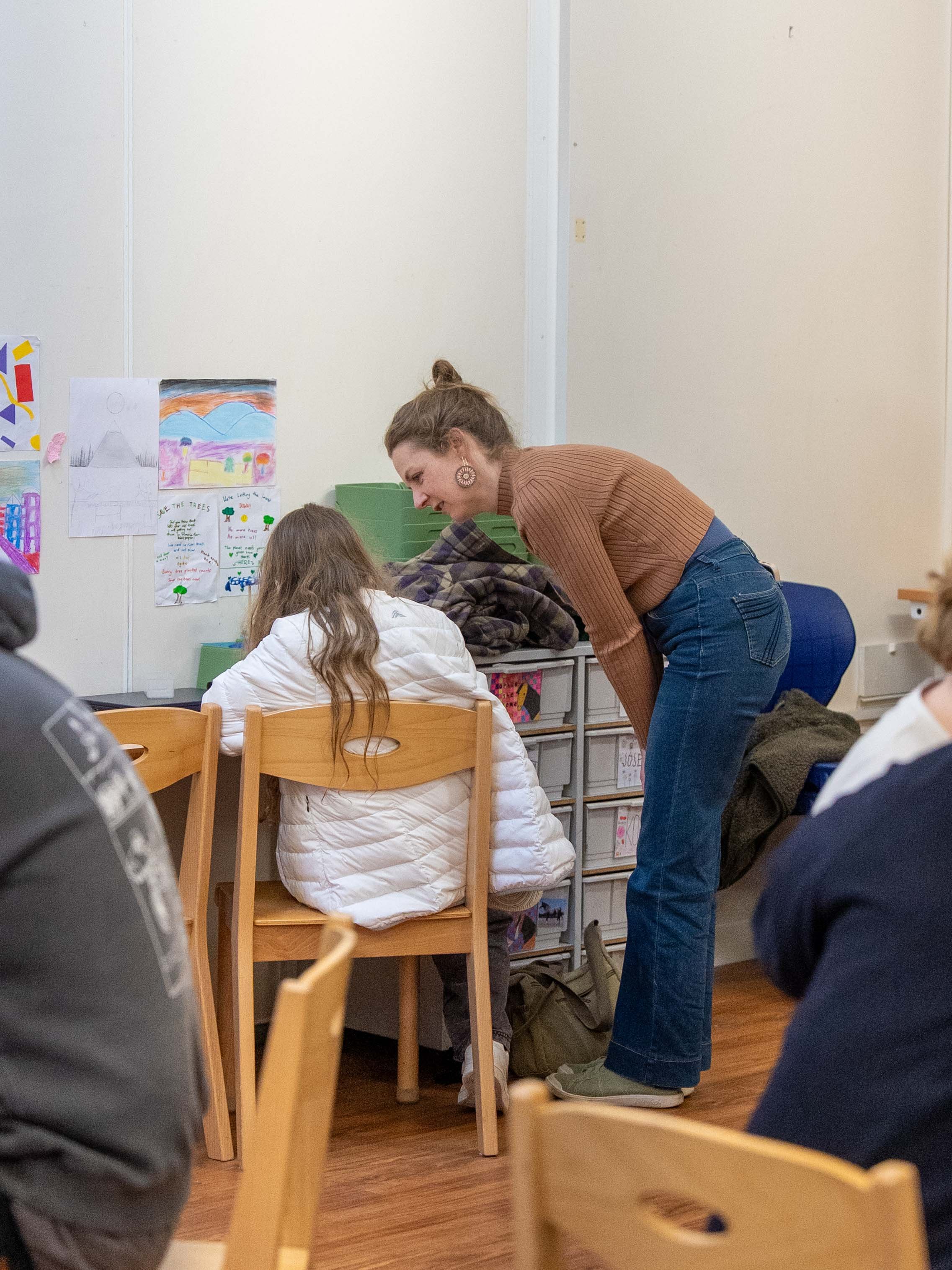
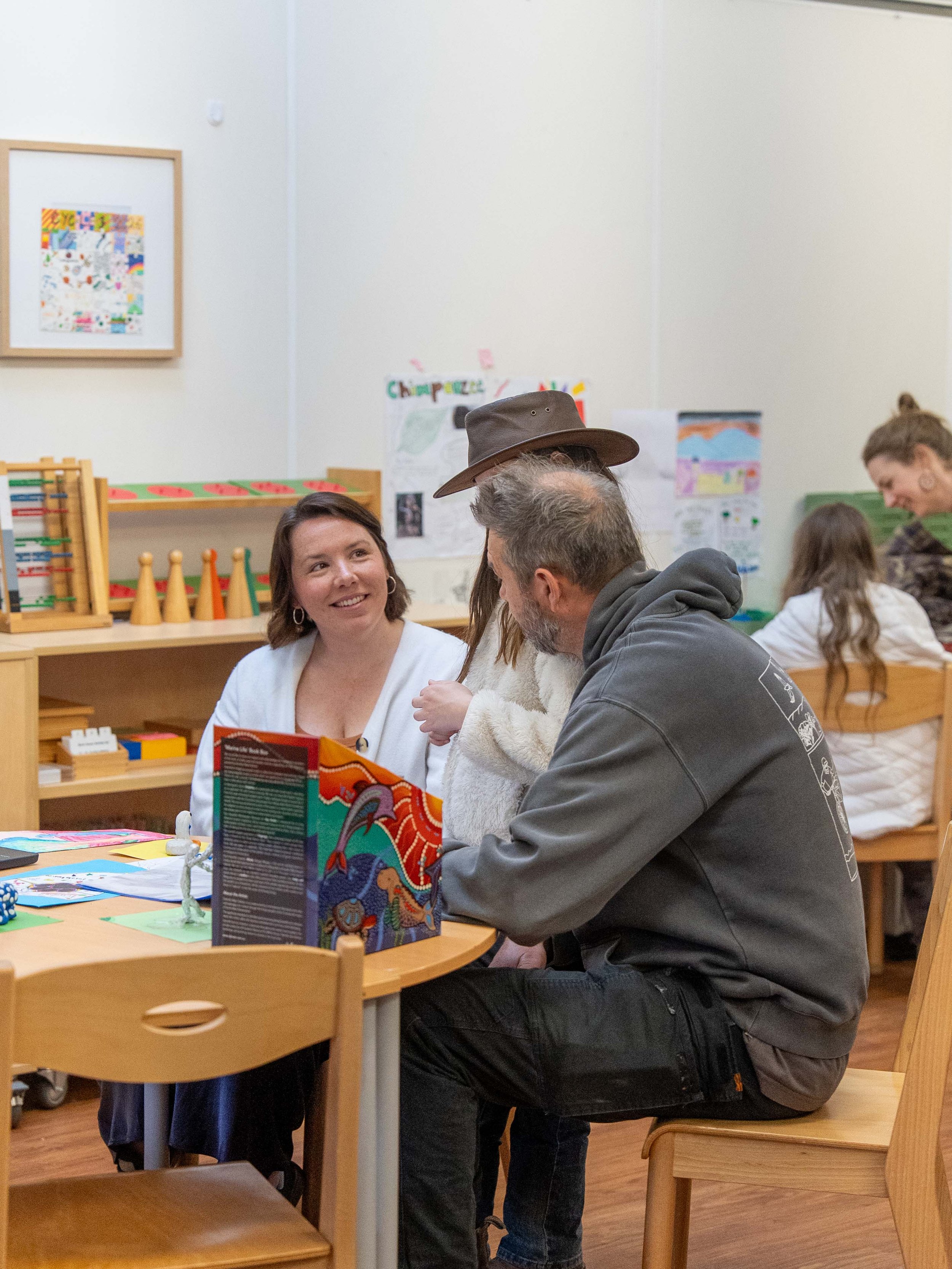
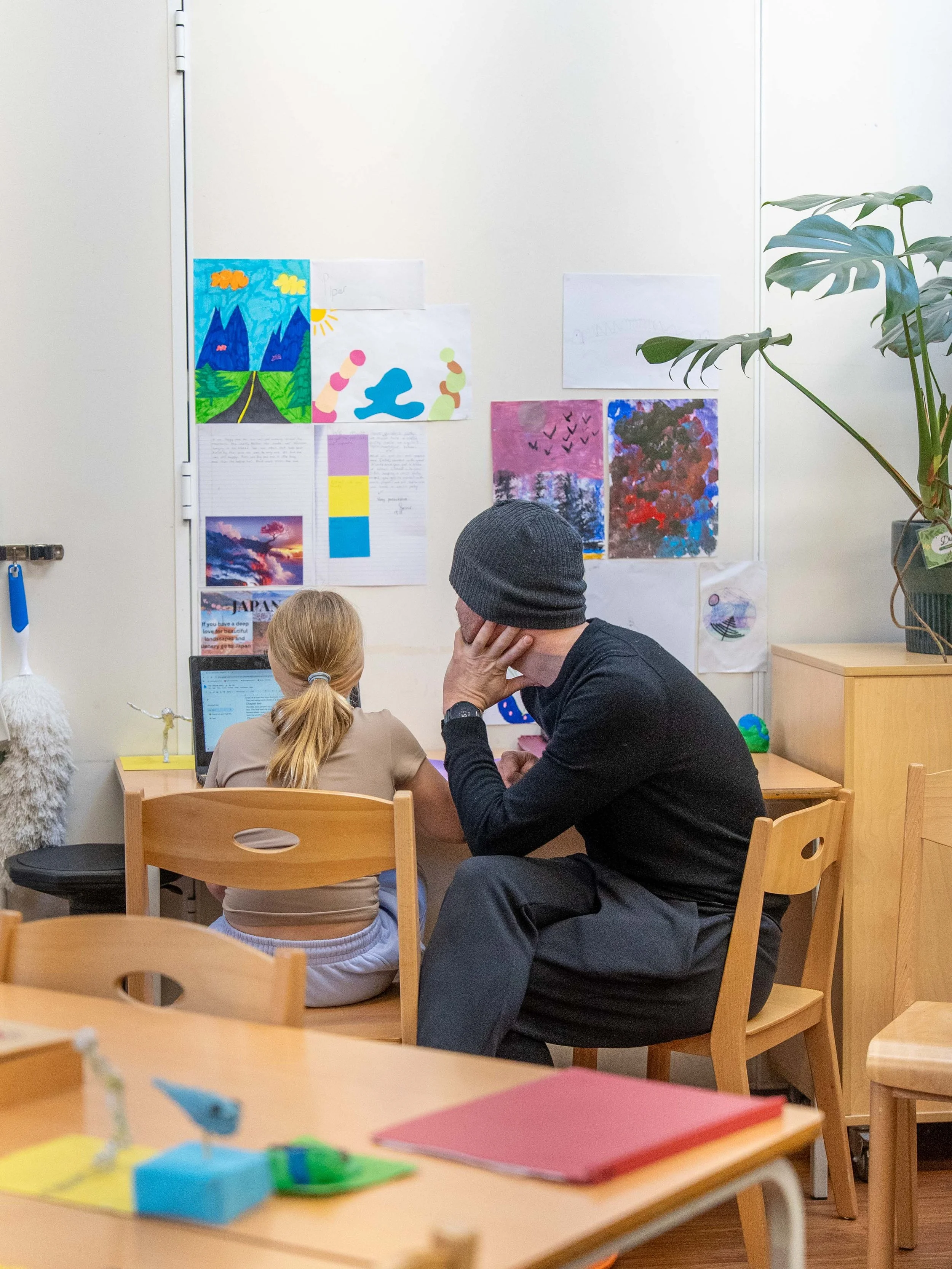
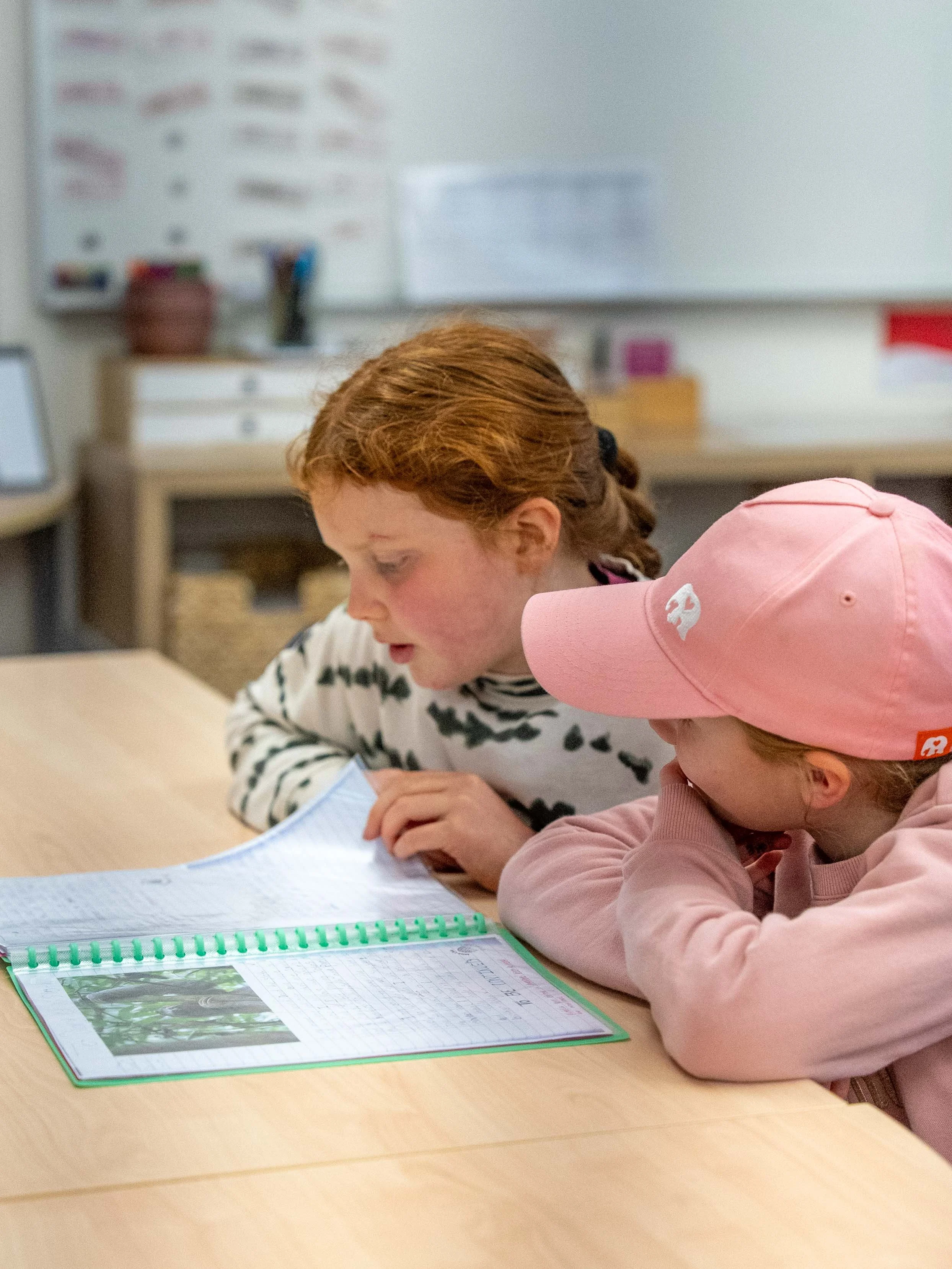
When children are given the opportunity to explain their thinking, demonstrate a material or share a discovery, they begin to form language around their own learning. They can reflect on what they know, recognise what they are still working towards and communicate their ideas to others.
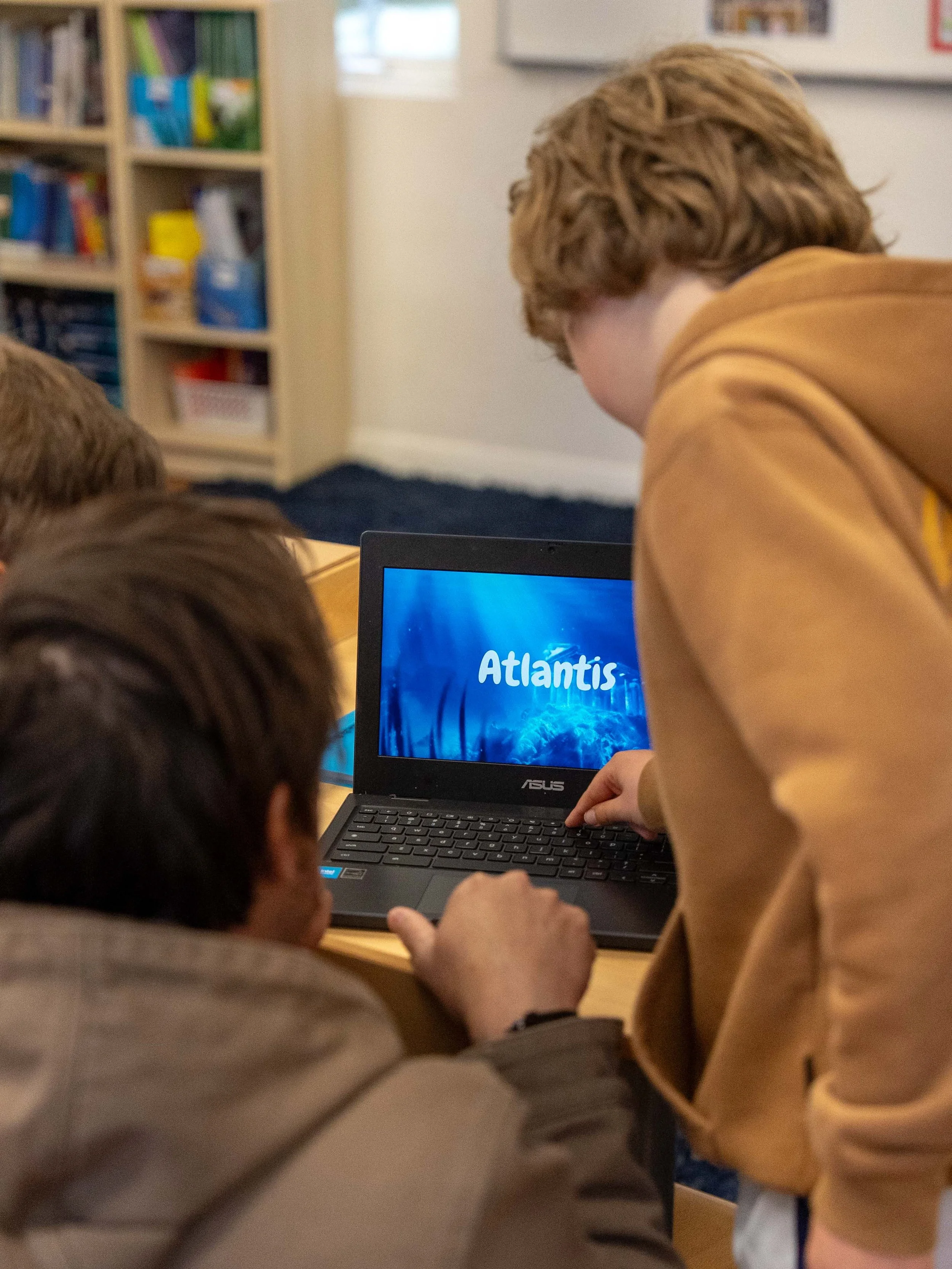
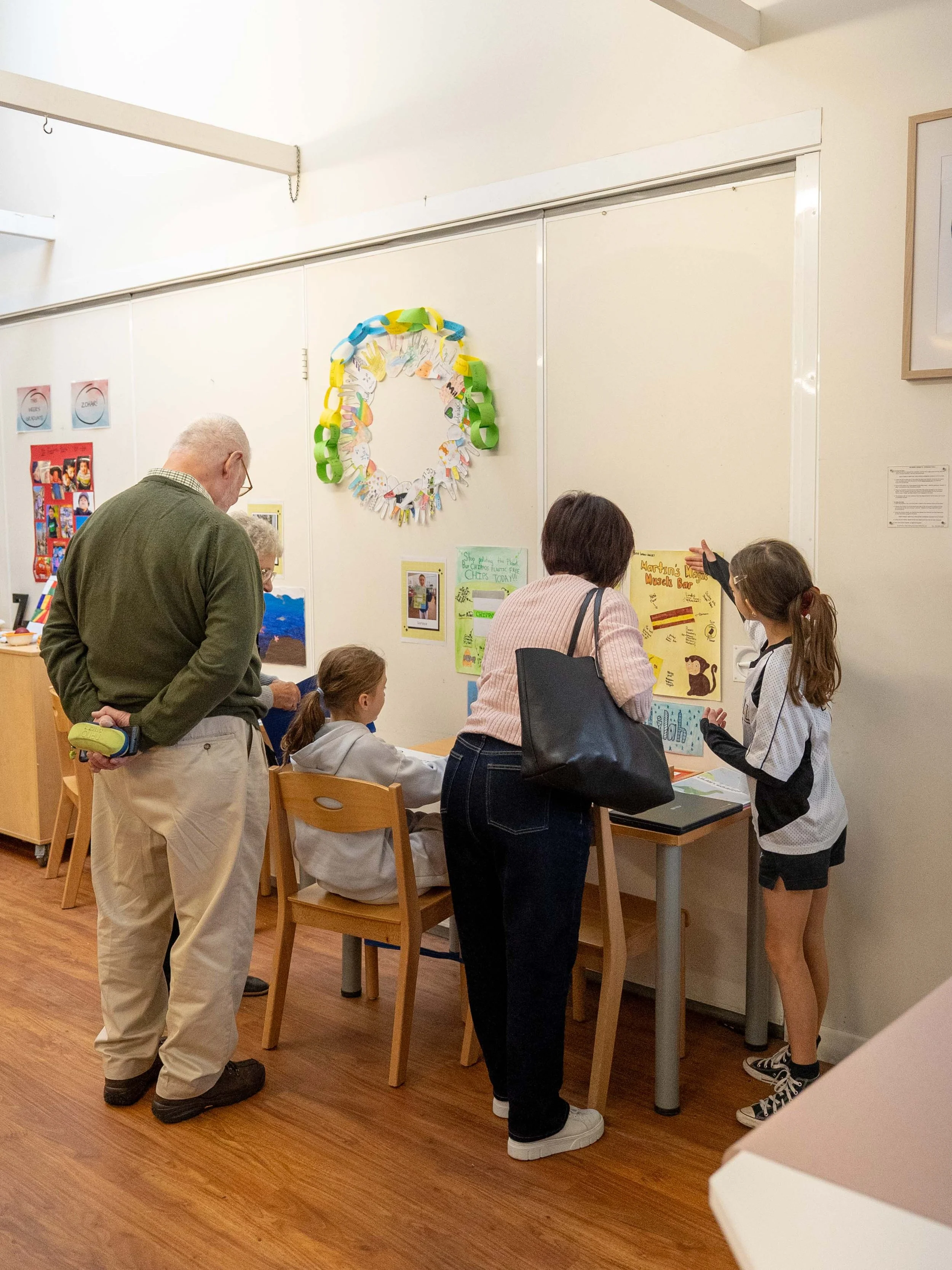
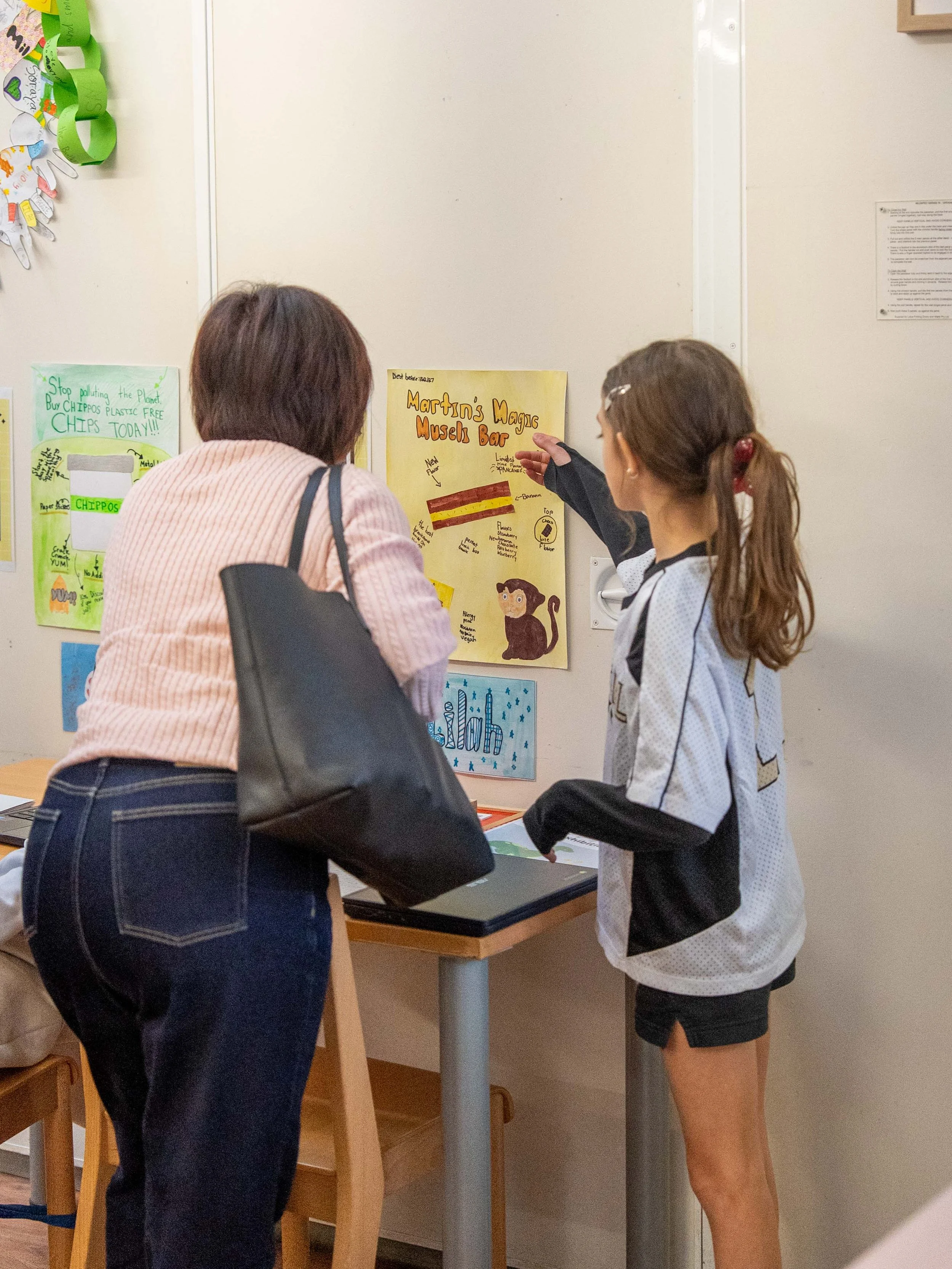
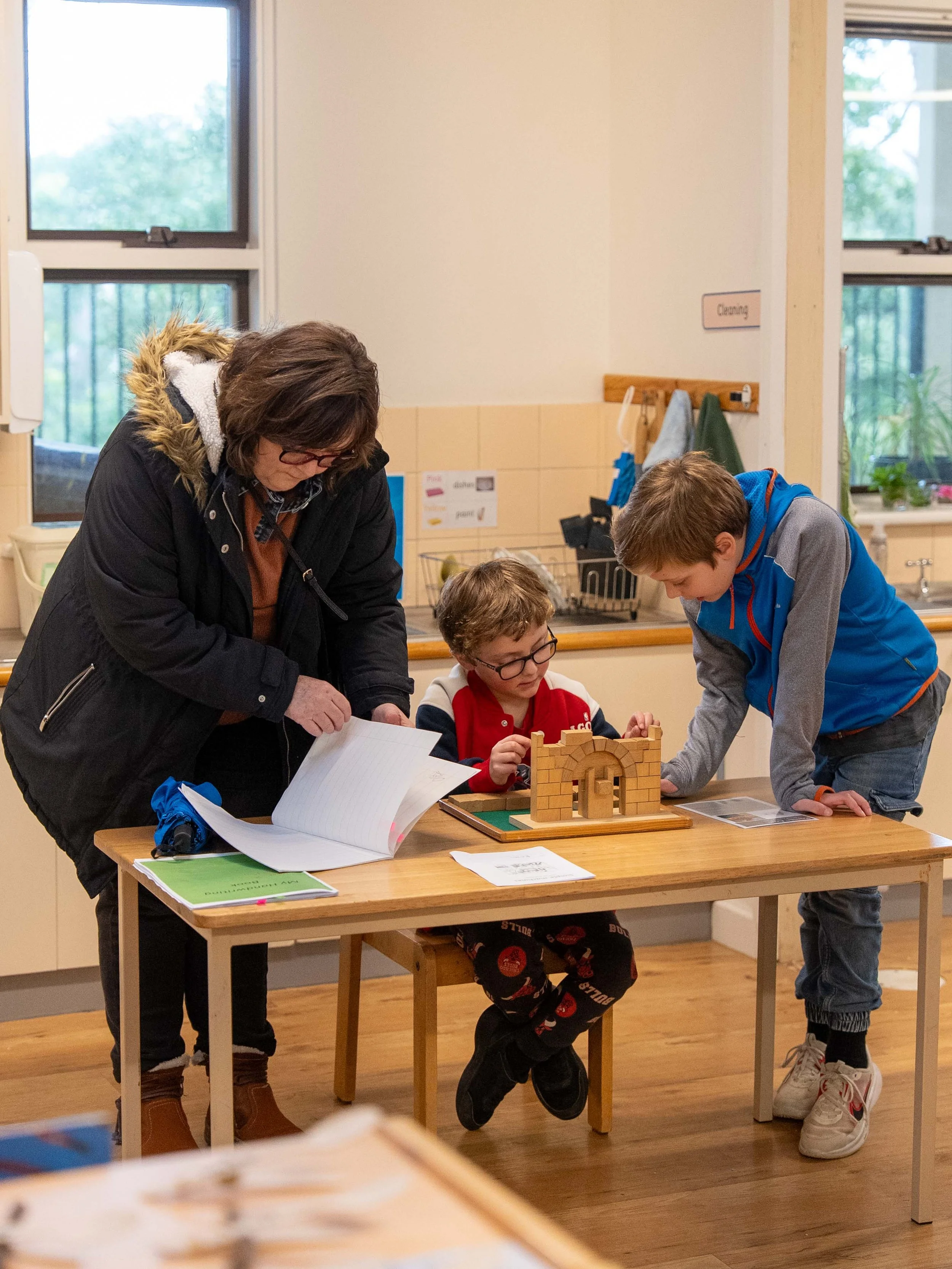
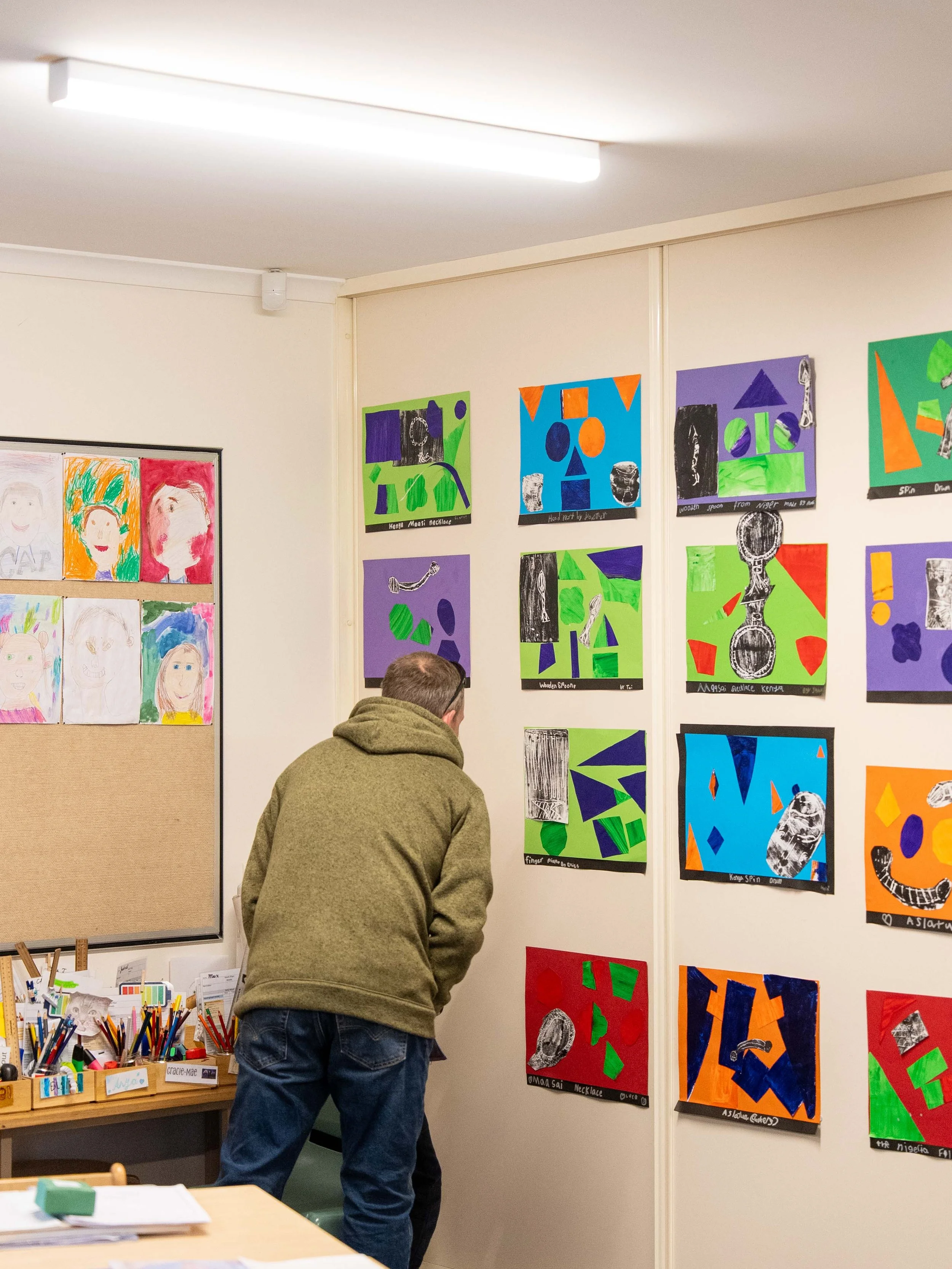
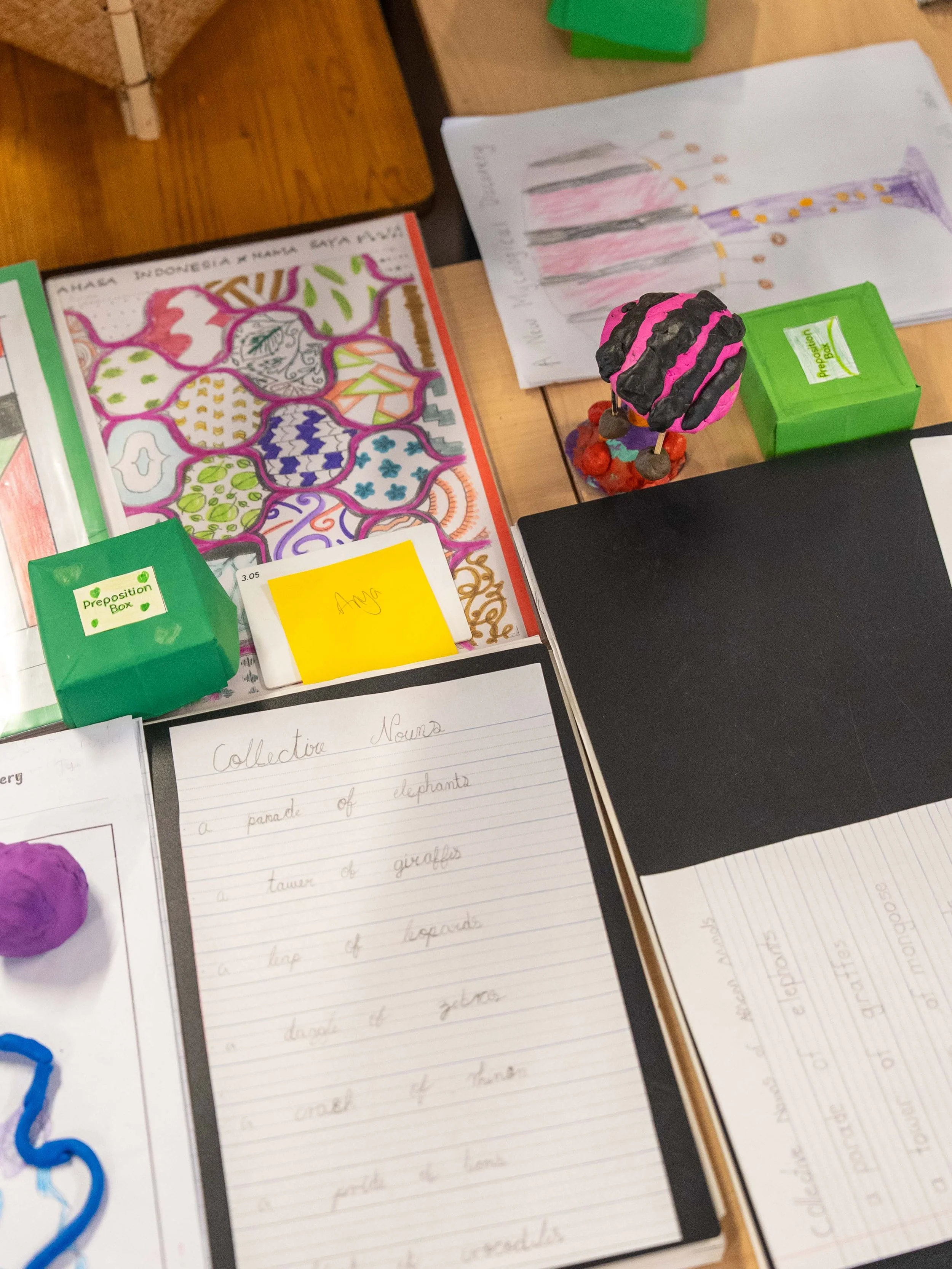
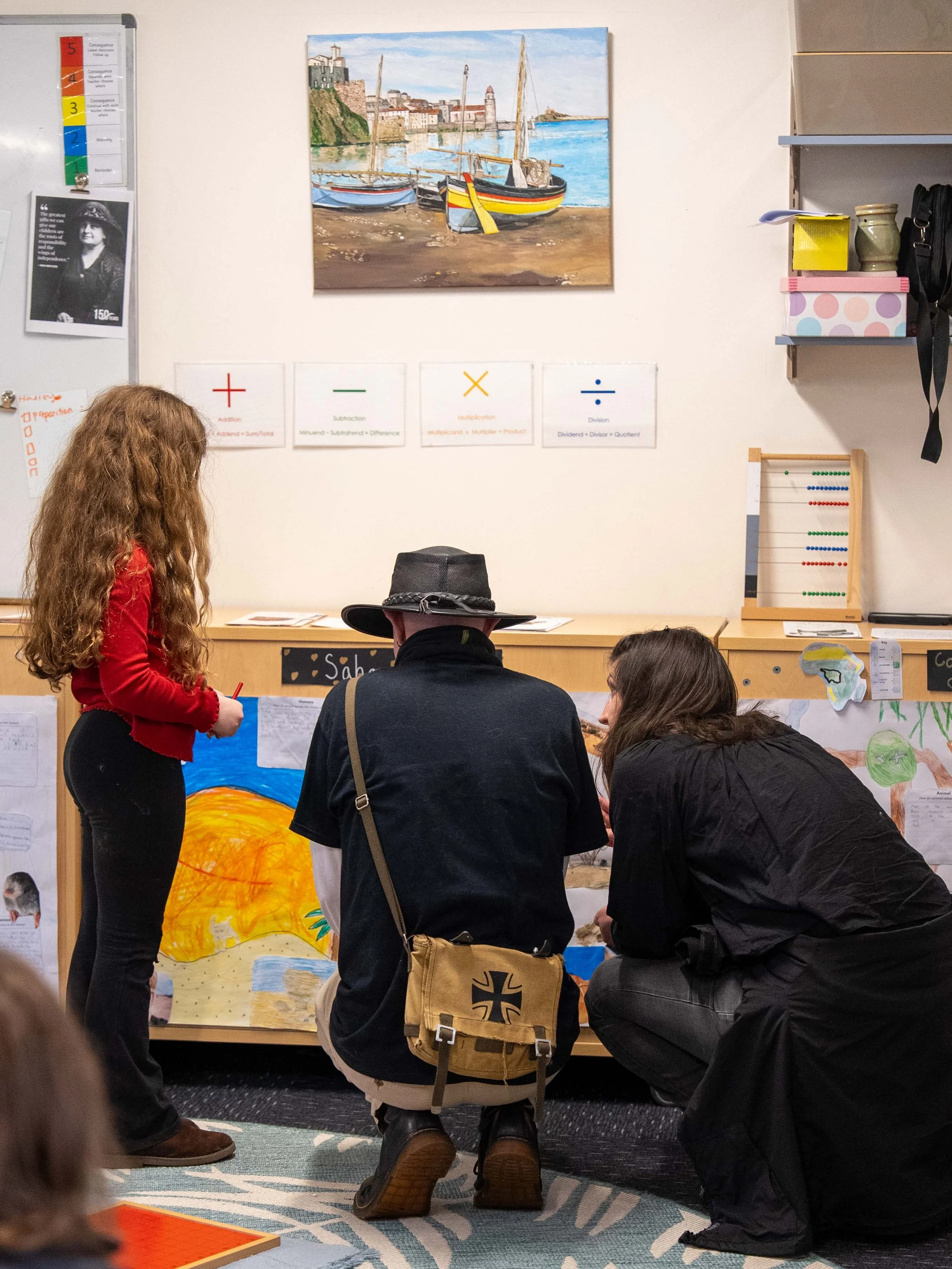
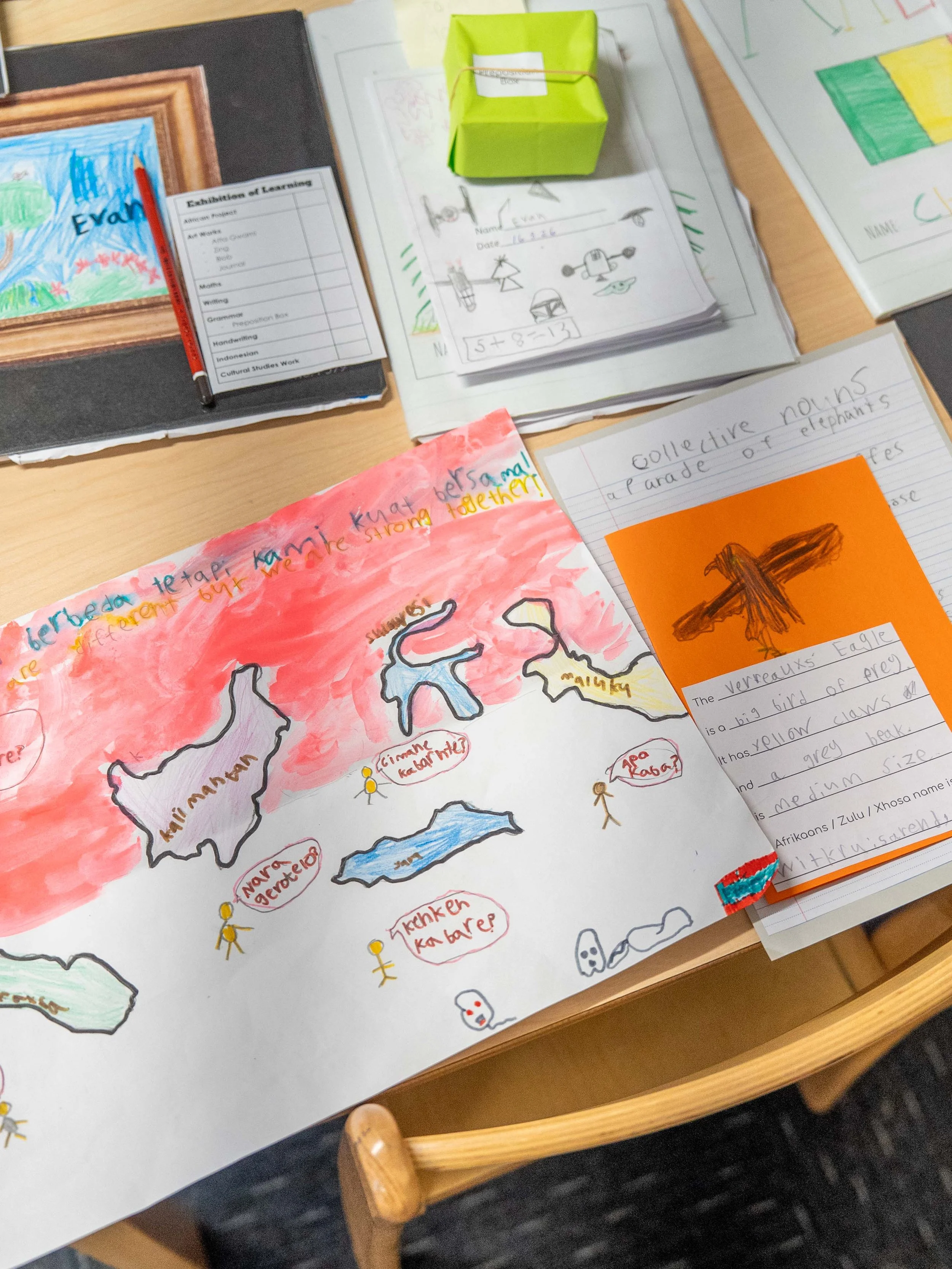
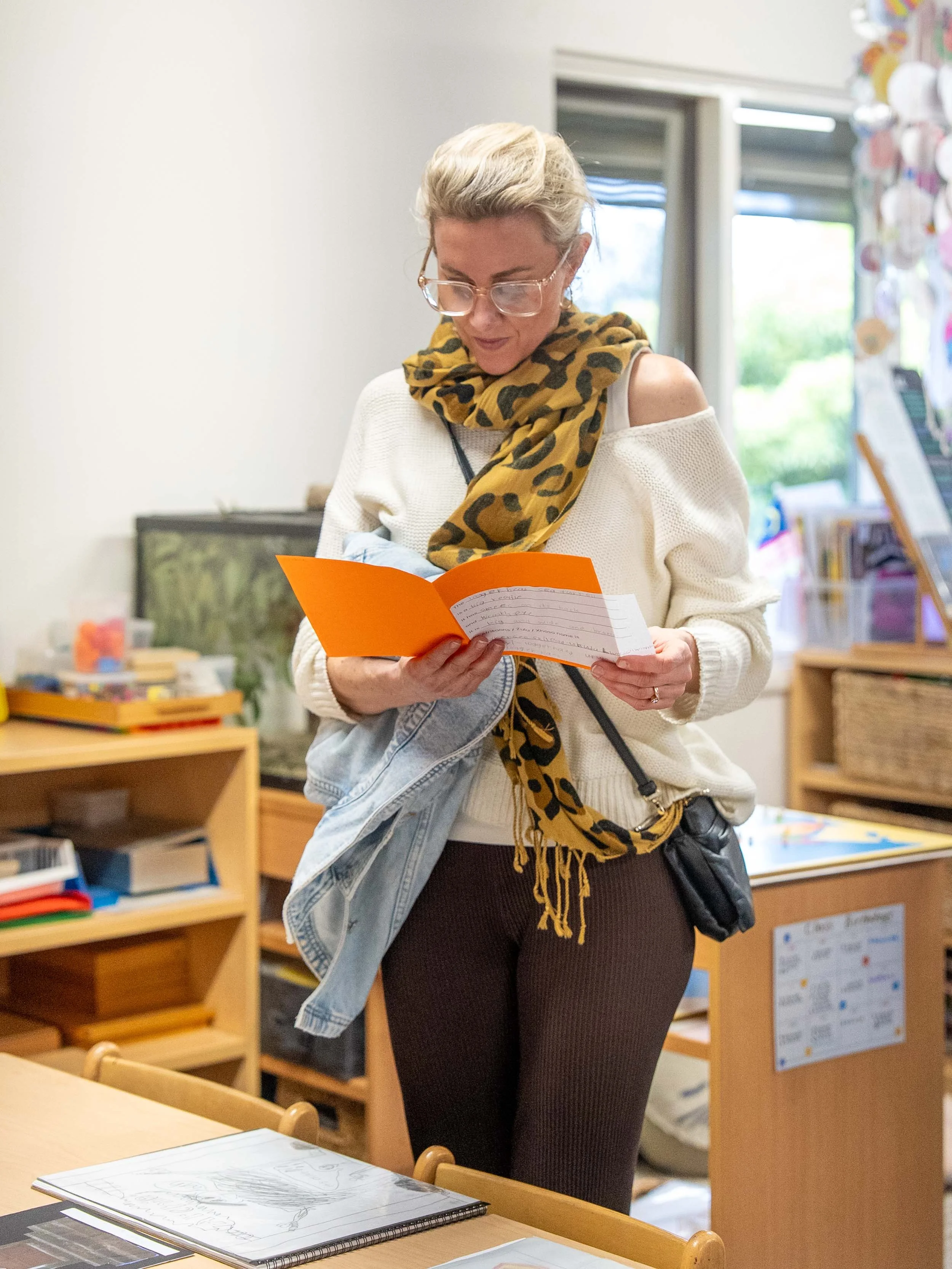
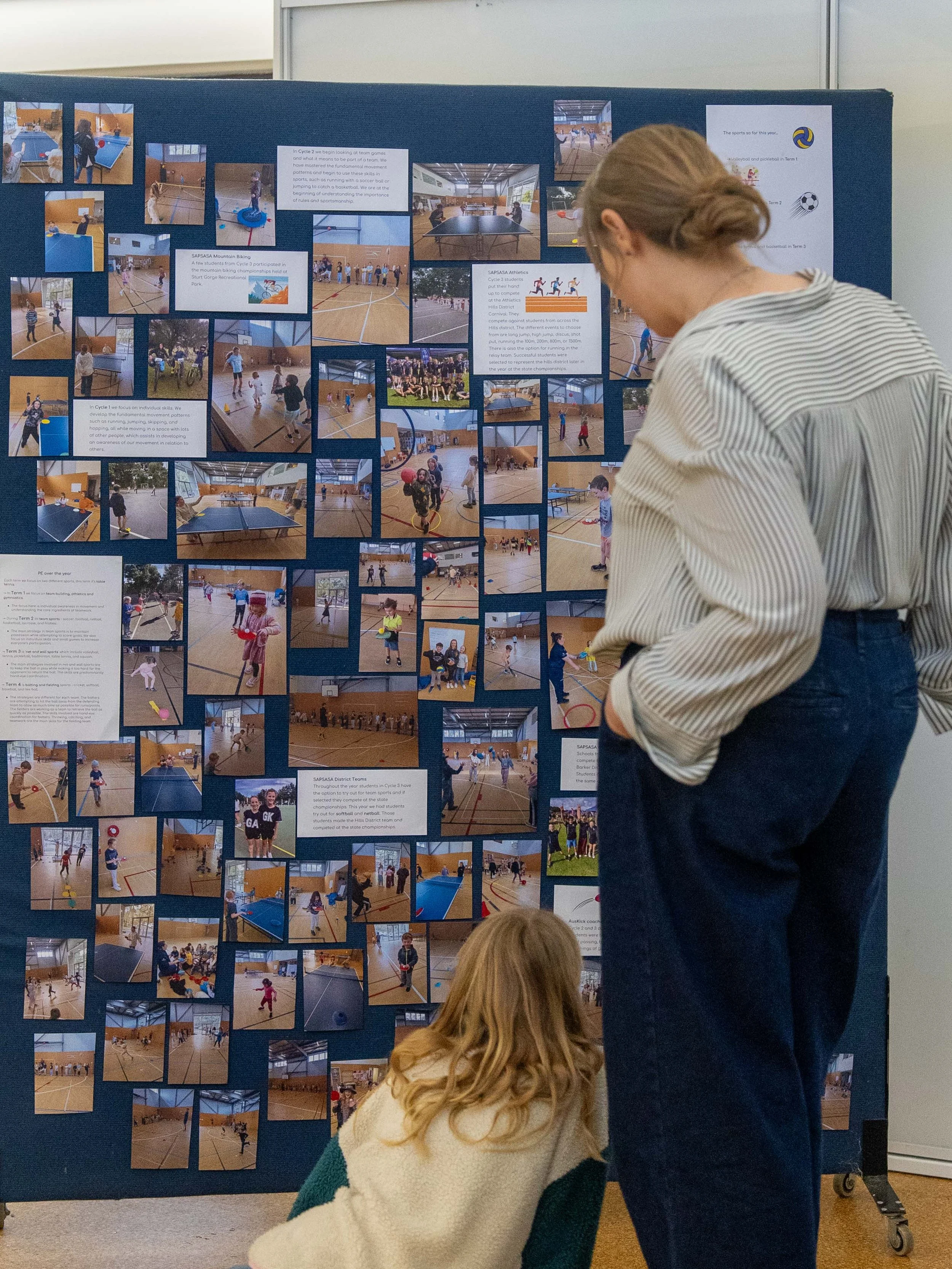
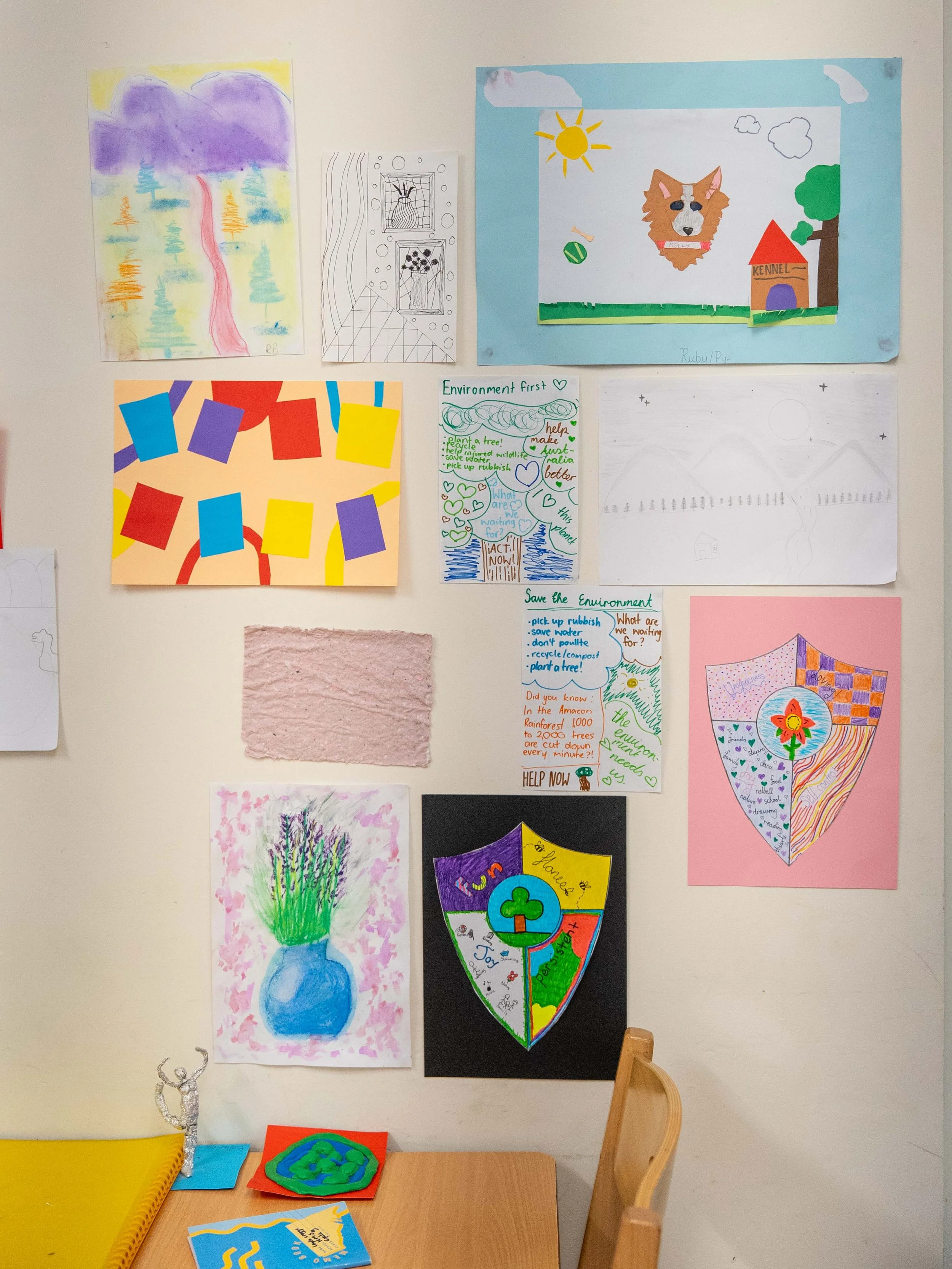
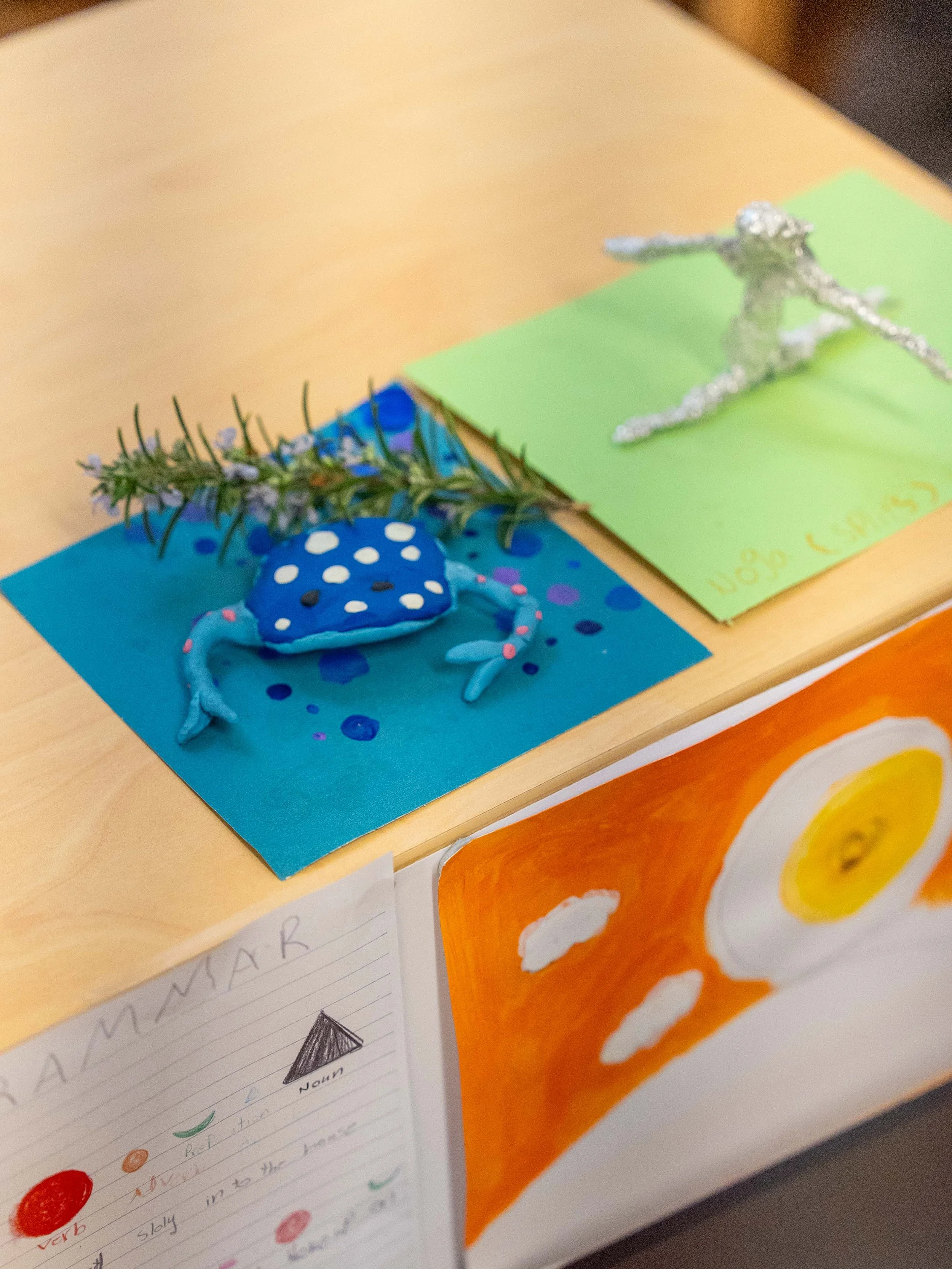
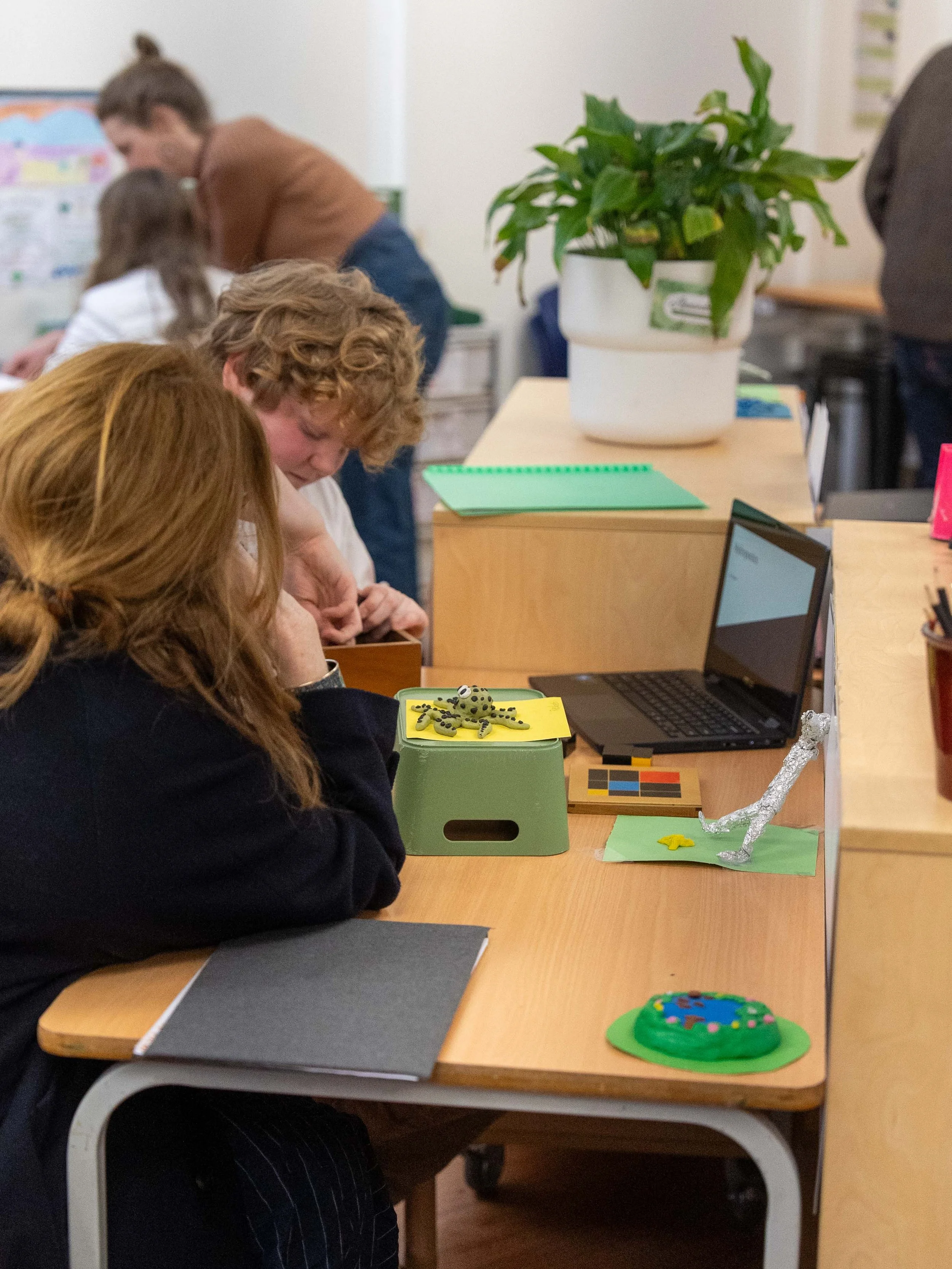
This is one of the reasons opportunities such as our Exhibition of Work and Learning are so valuable. They create a space where children can take the lead in sharing their learning, while families have the opportunity to listen, ask questions and gain insight into the experiences that shape each child's individual development.
These exchanges remind us that learning is not only something we can see on a page or in a finished project. It also lives in the ideas children are developing, the questions they are exploring and the words they find to make sense of them.
Cycle News
Infant Program
Drosera Classroom • Ages 0-3
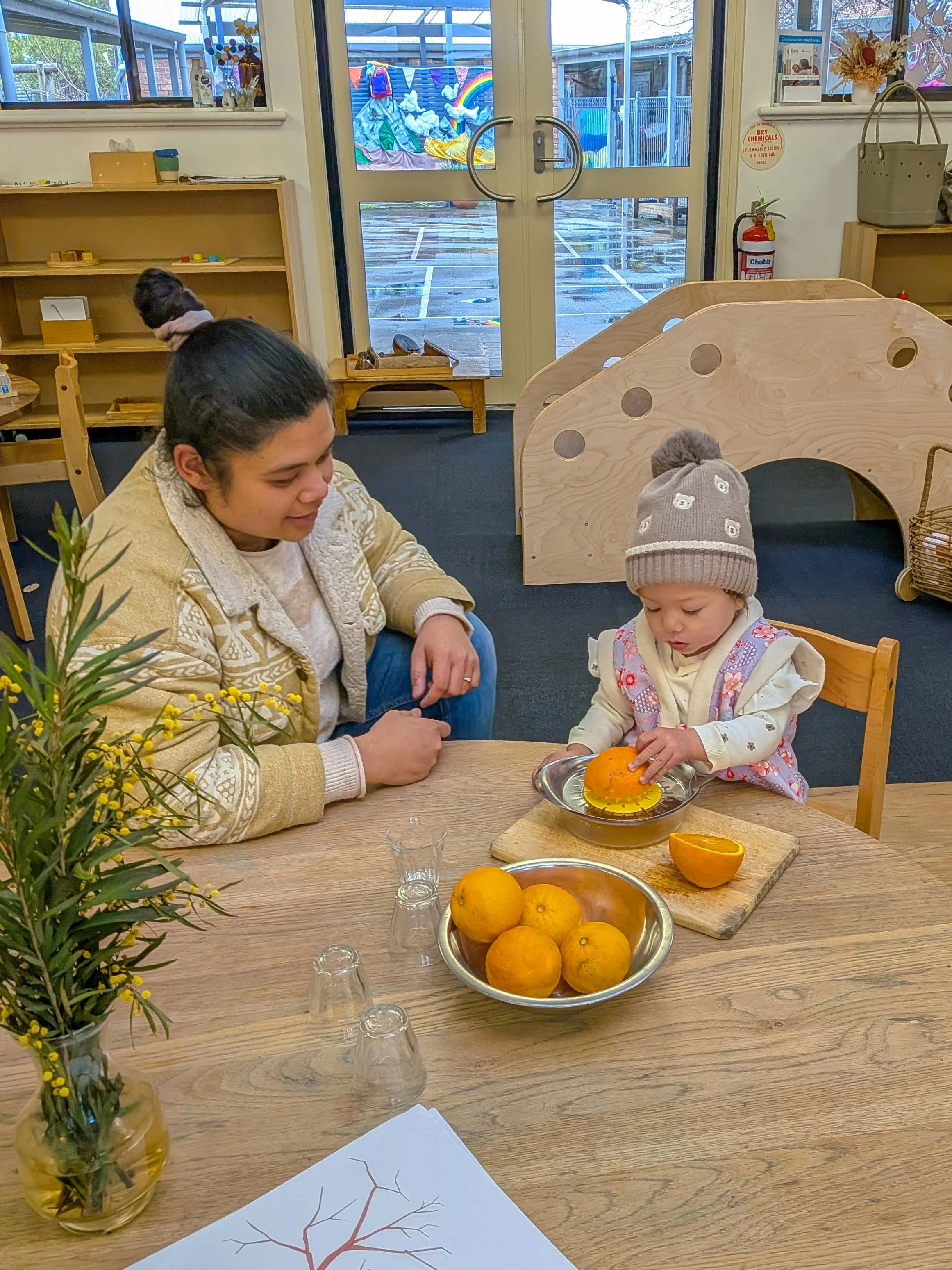
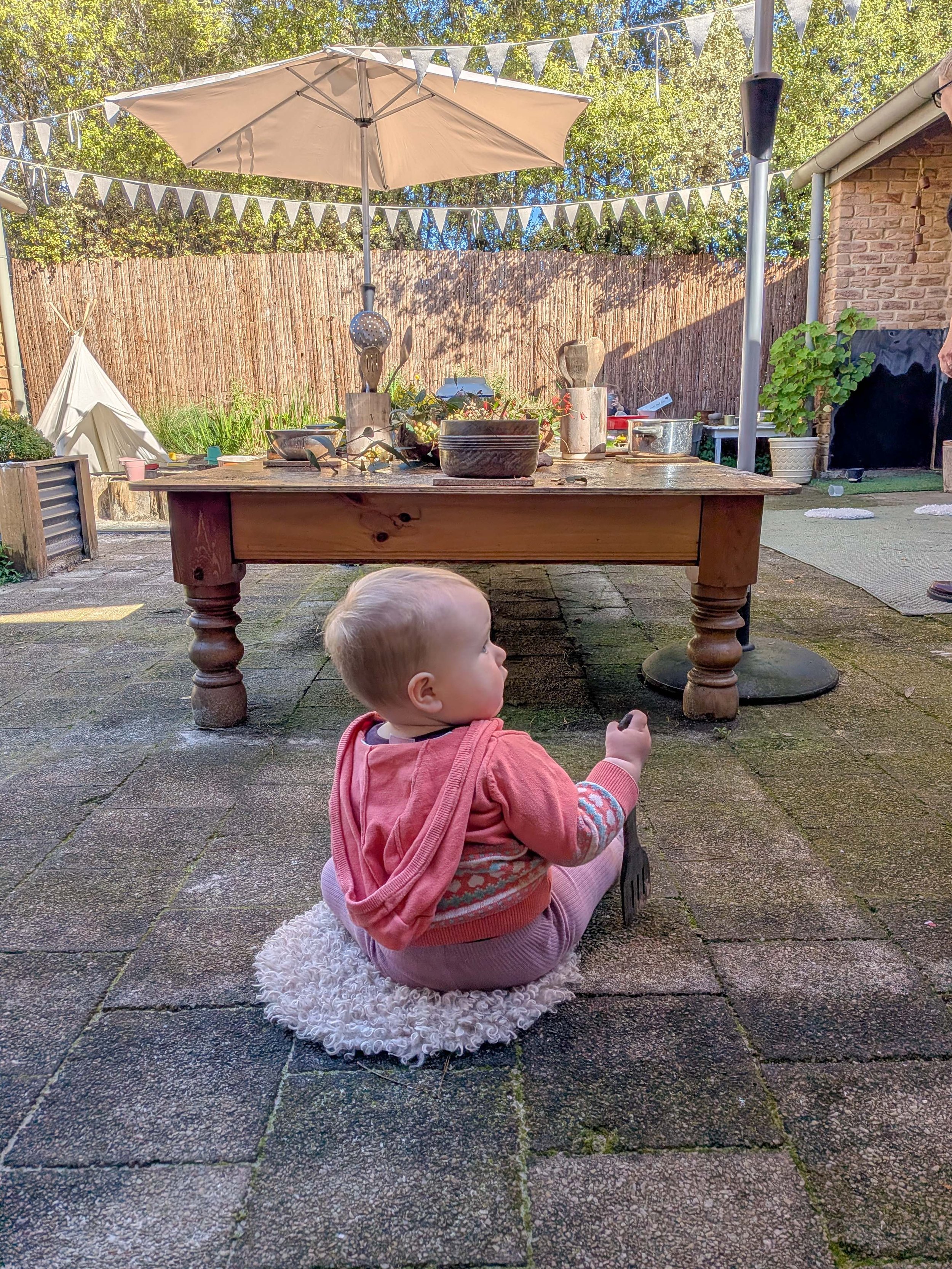
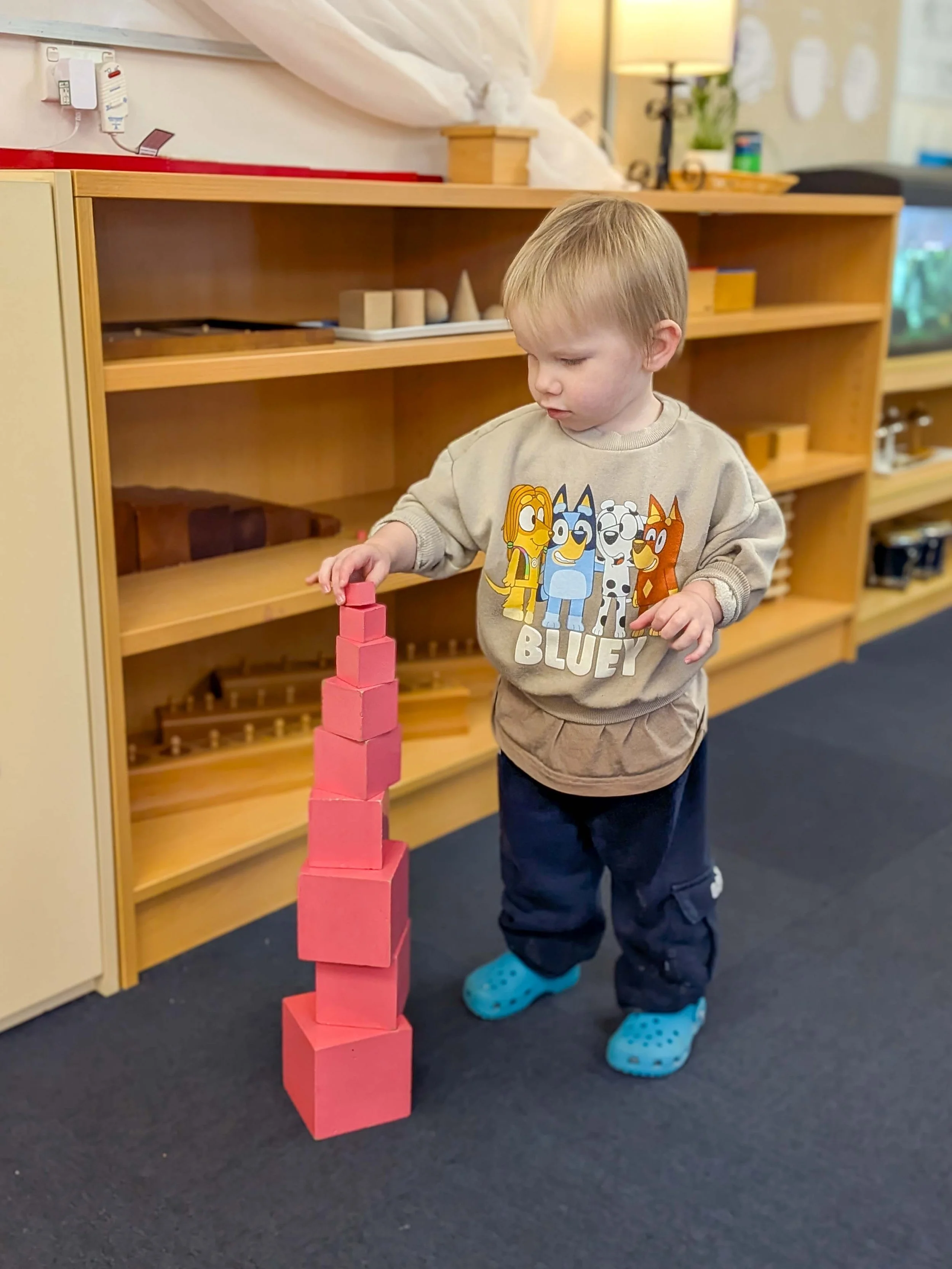
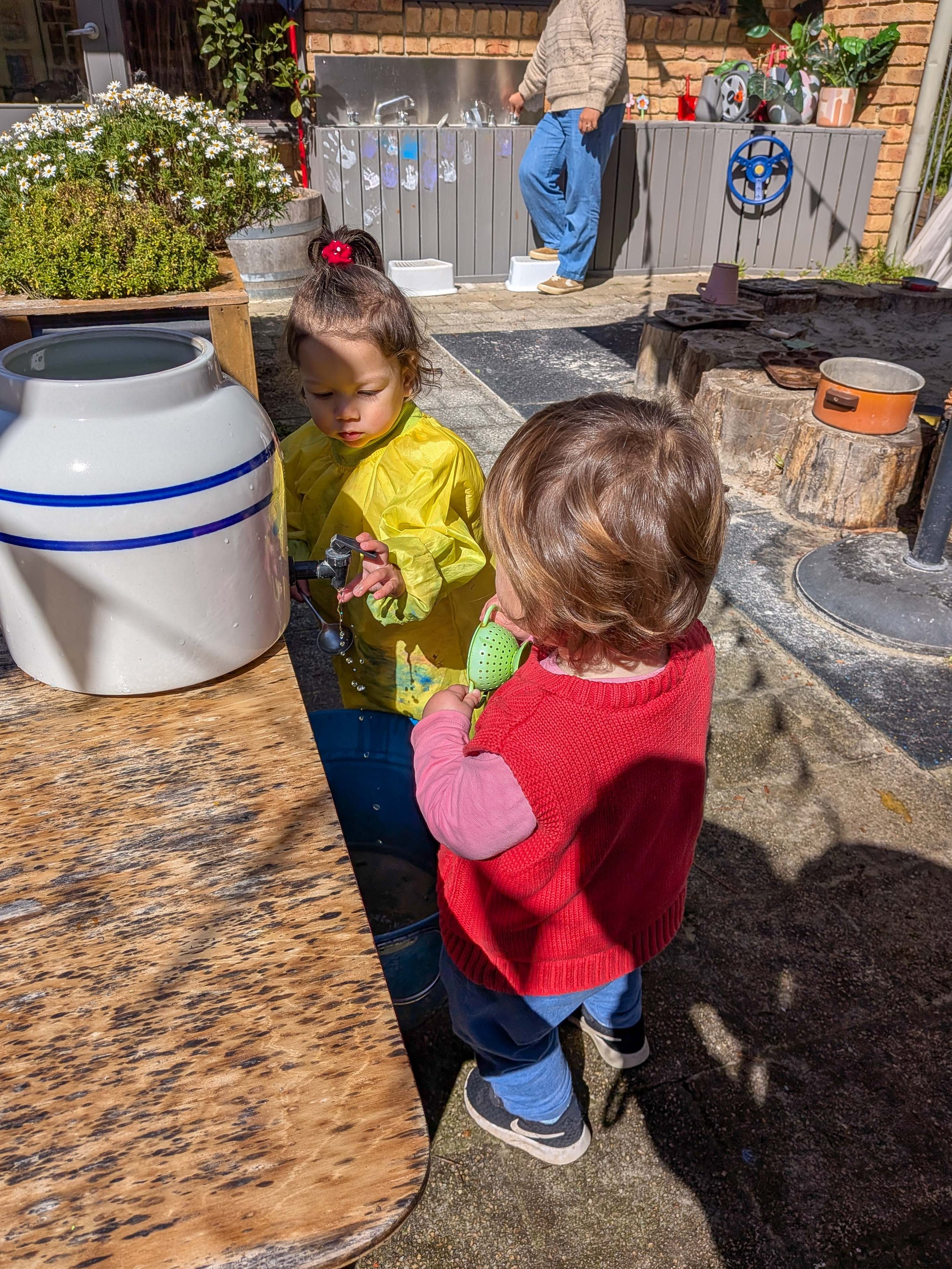
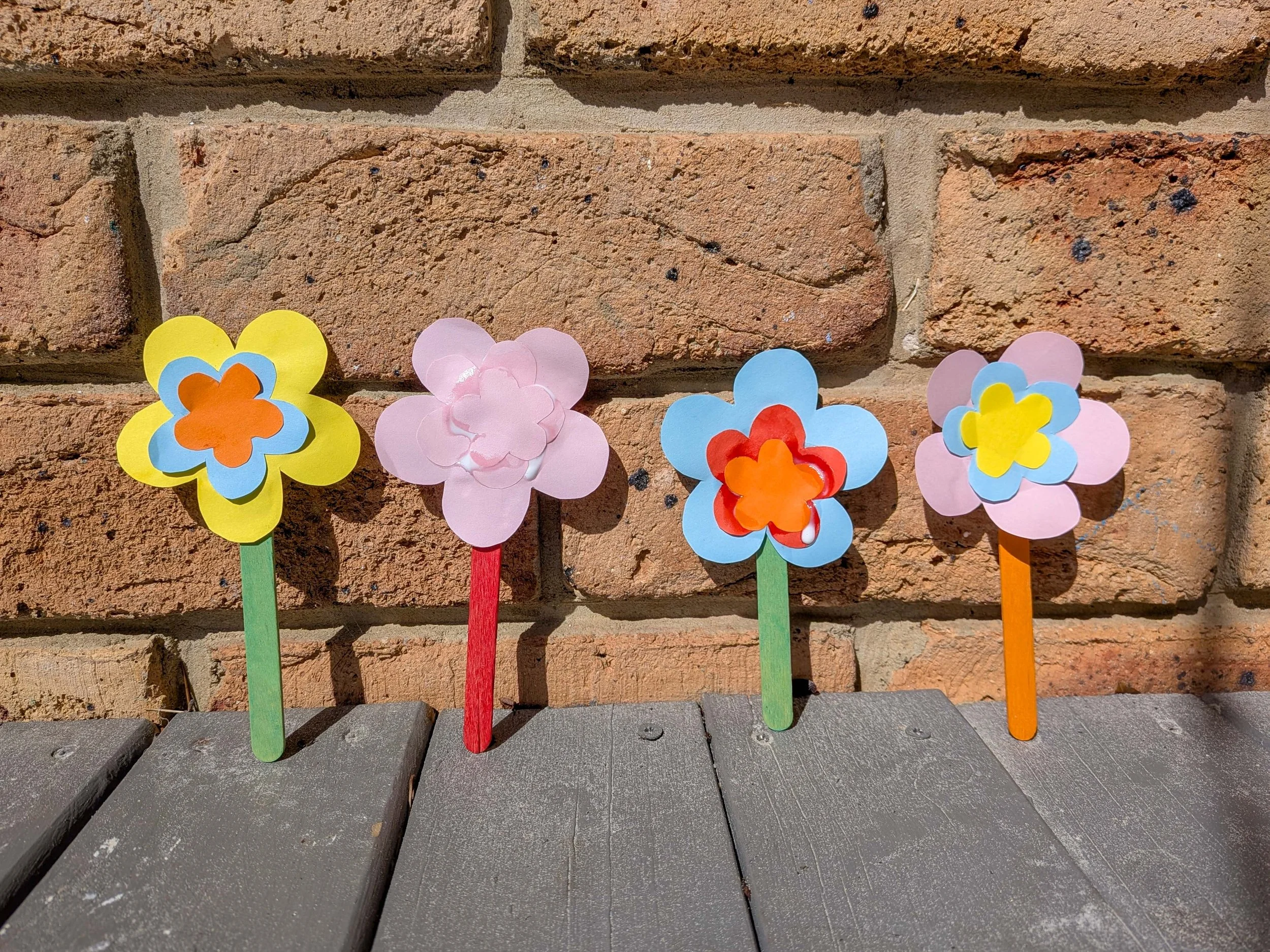
We have been so excited about the beautiful spring weather in the Infant Program. We welcomed spring with blossom crafts, flower making and planting seeds in our garden too.
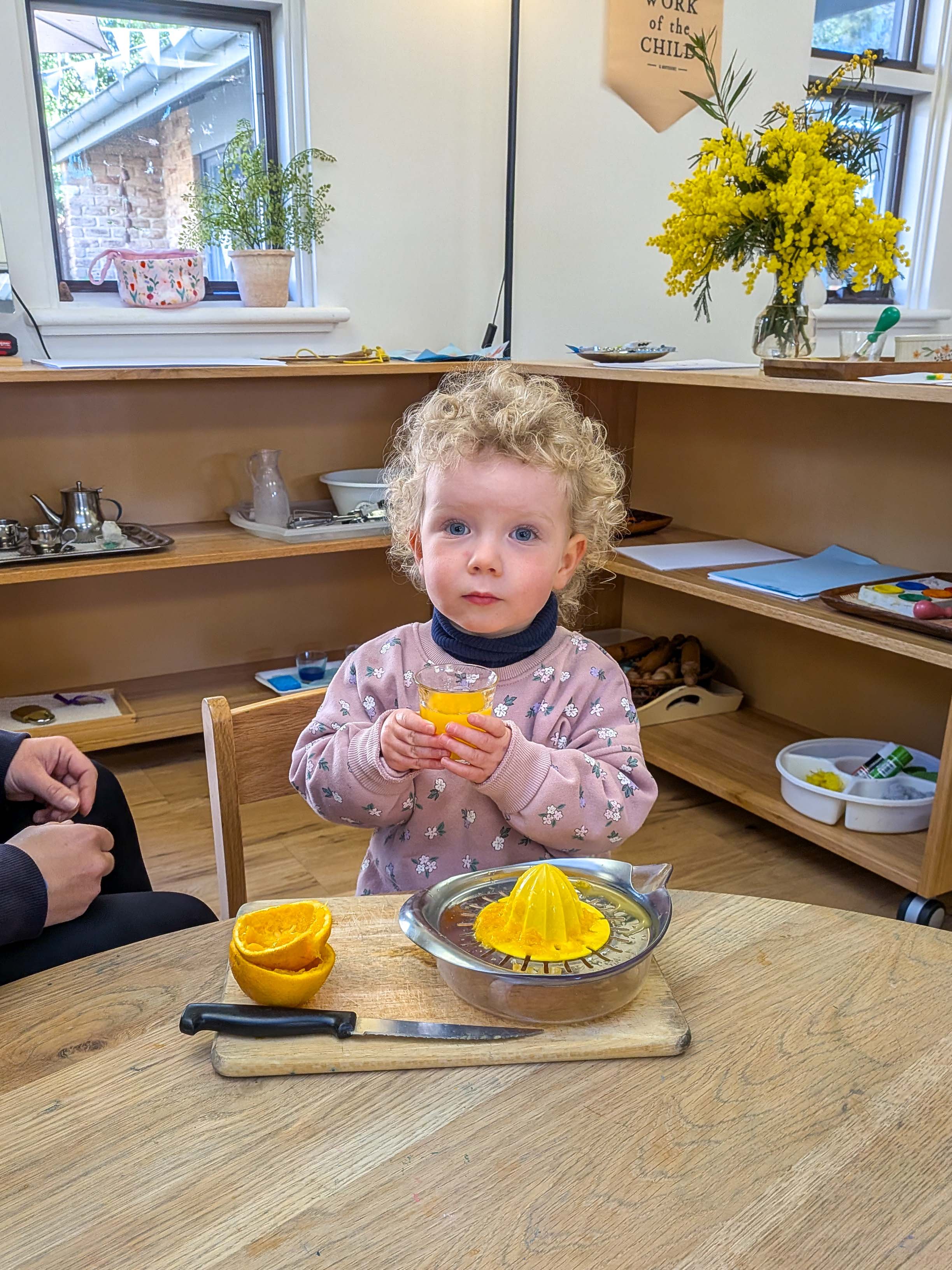
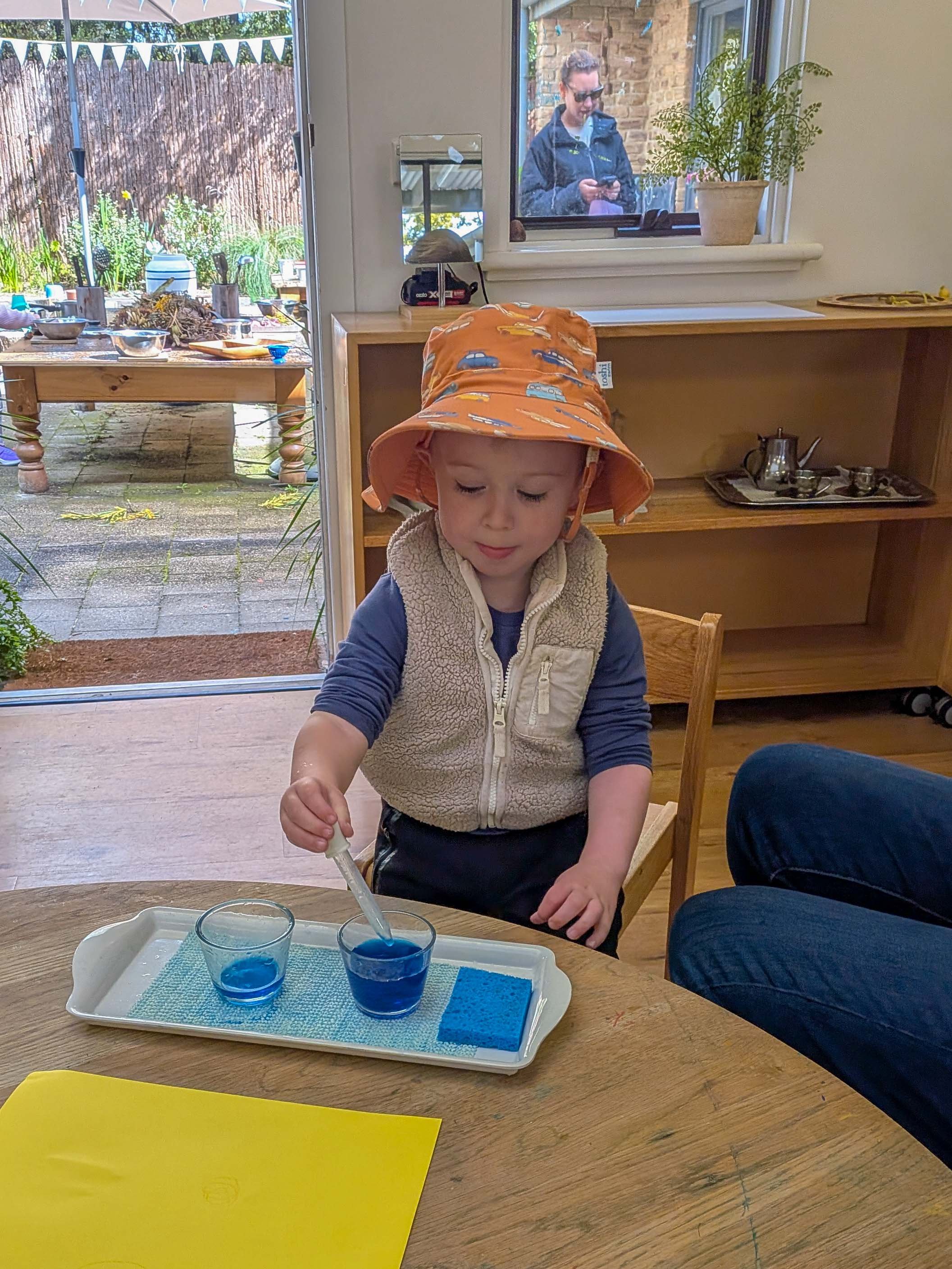
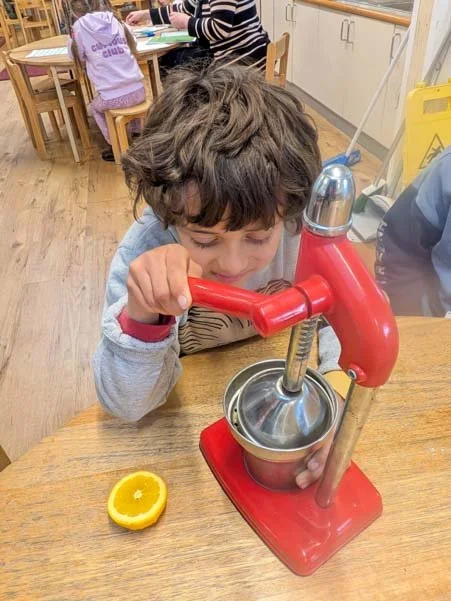
We have also enjoyed making delicious fresh orange juice from Nan and Pop’s tree, as well as mixing primary colours to see which secondary colours we can create.
Another exciting addition to the Infant Program is our little frog, who has come to stay. Each day, we find him in a new place in our garden, and we really enjoy looking for him.
Infant Program
Cycle 1 Preschool
Banksia & Goodenia Community • Ages 3-5
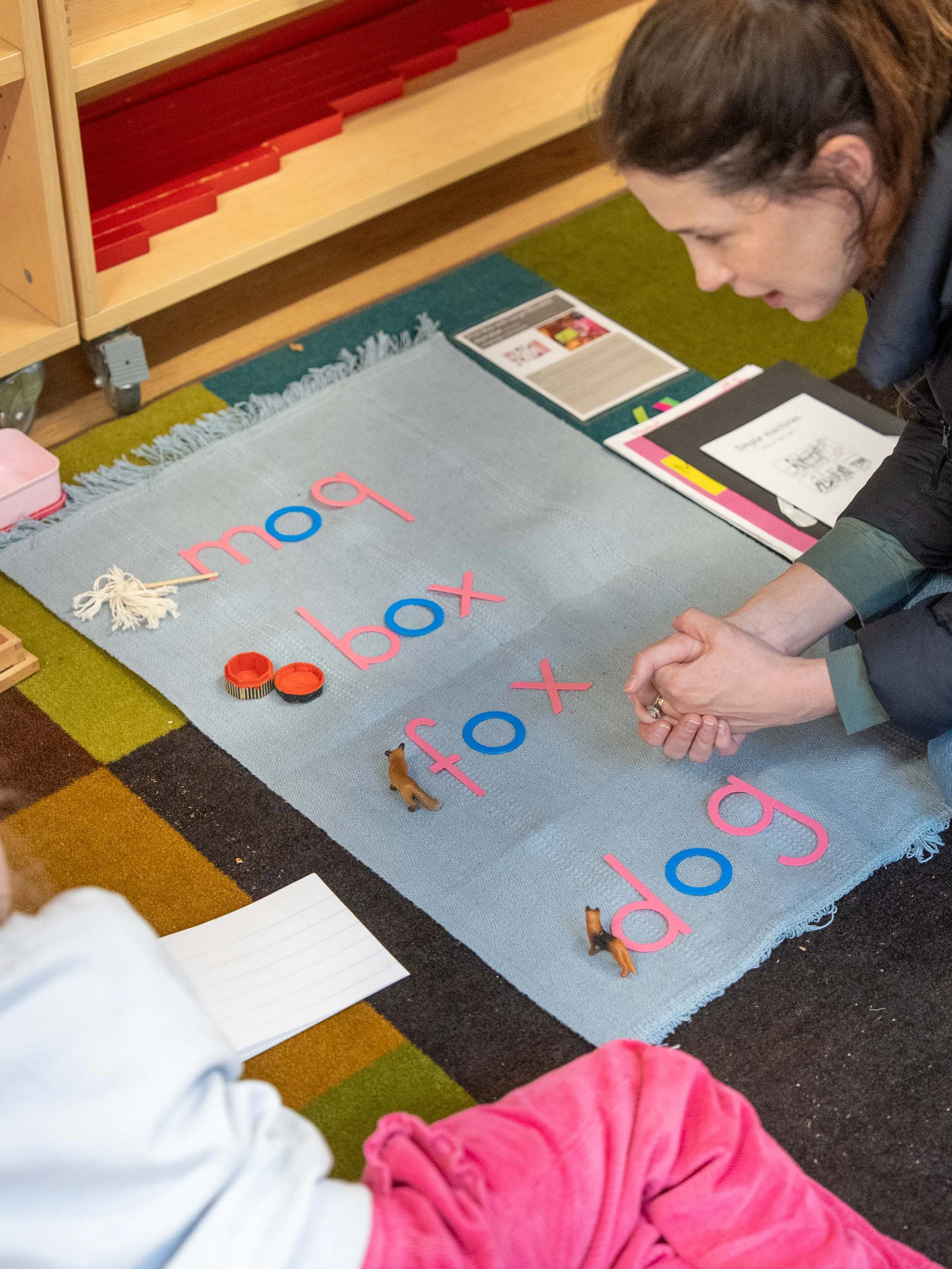
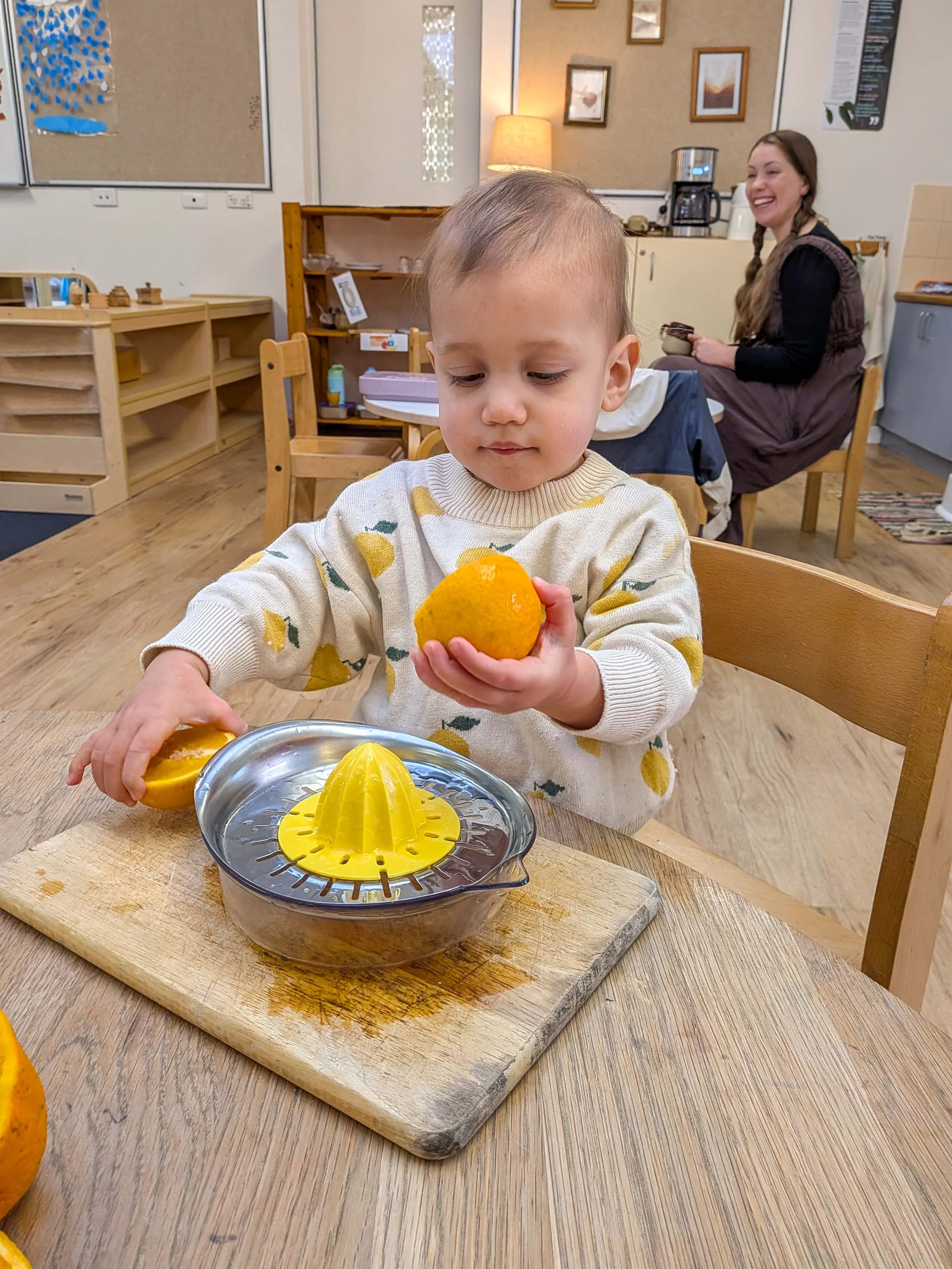
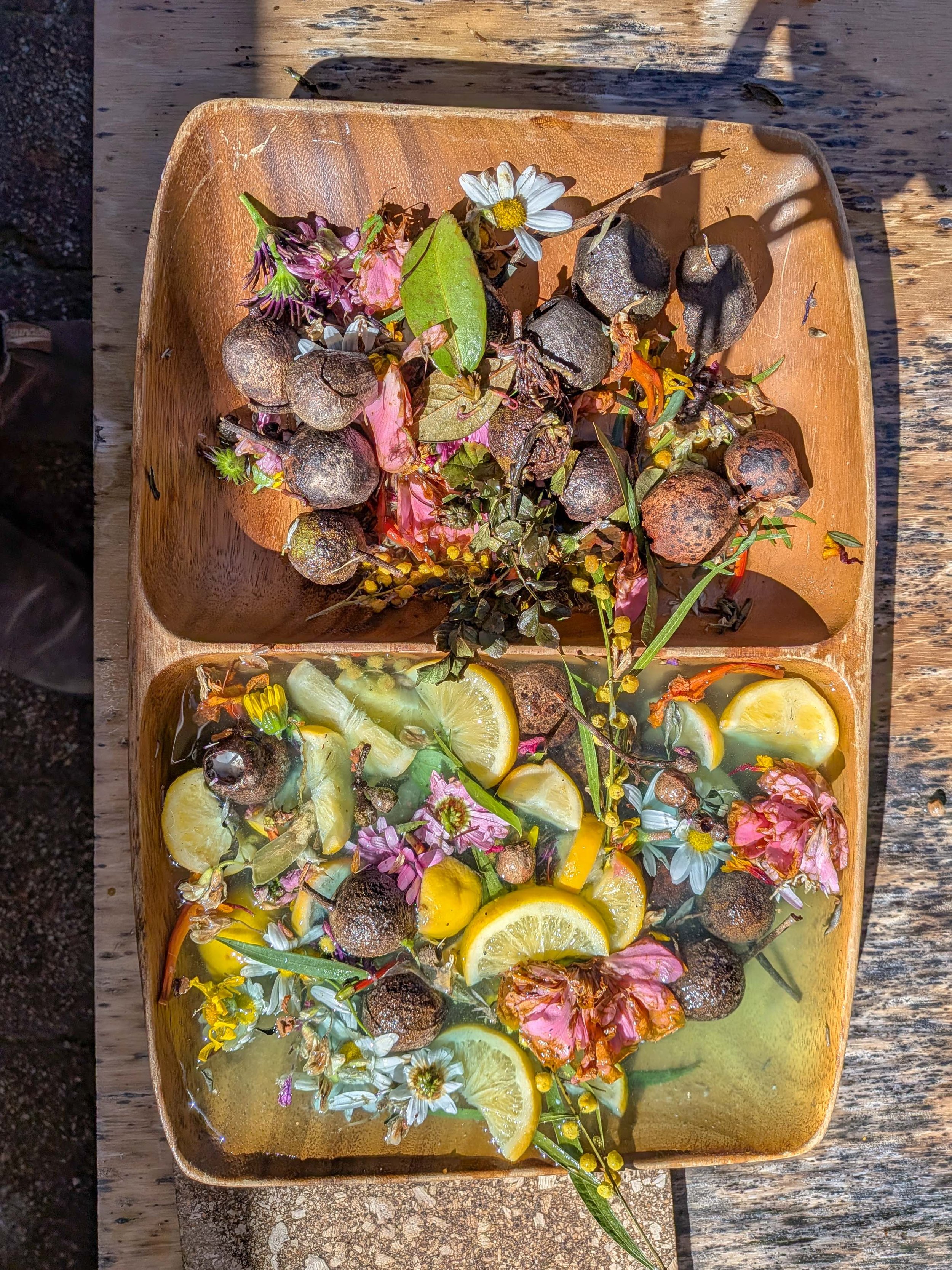
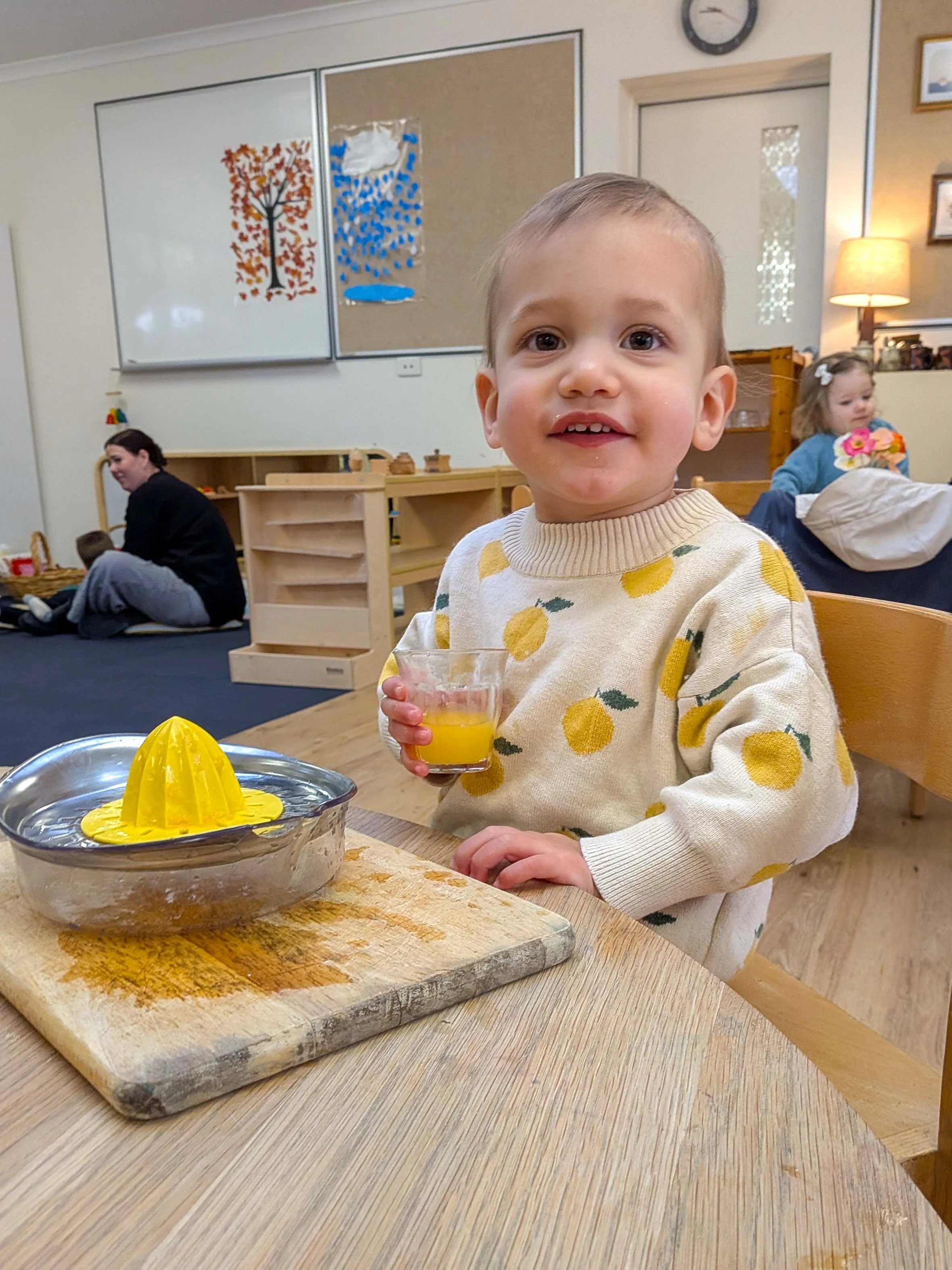
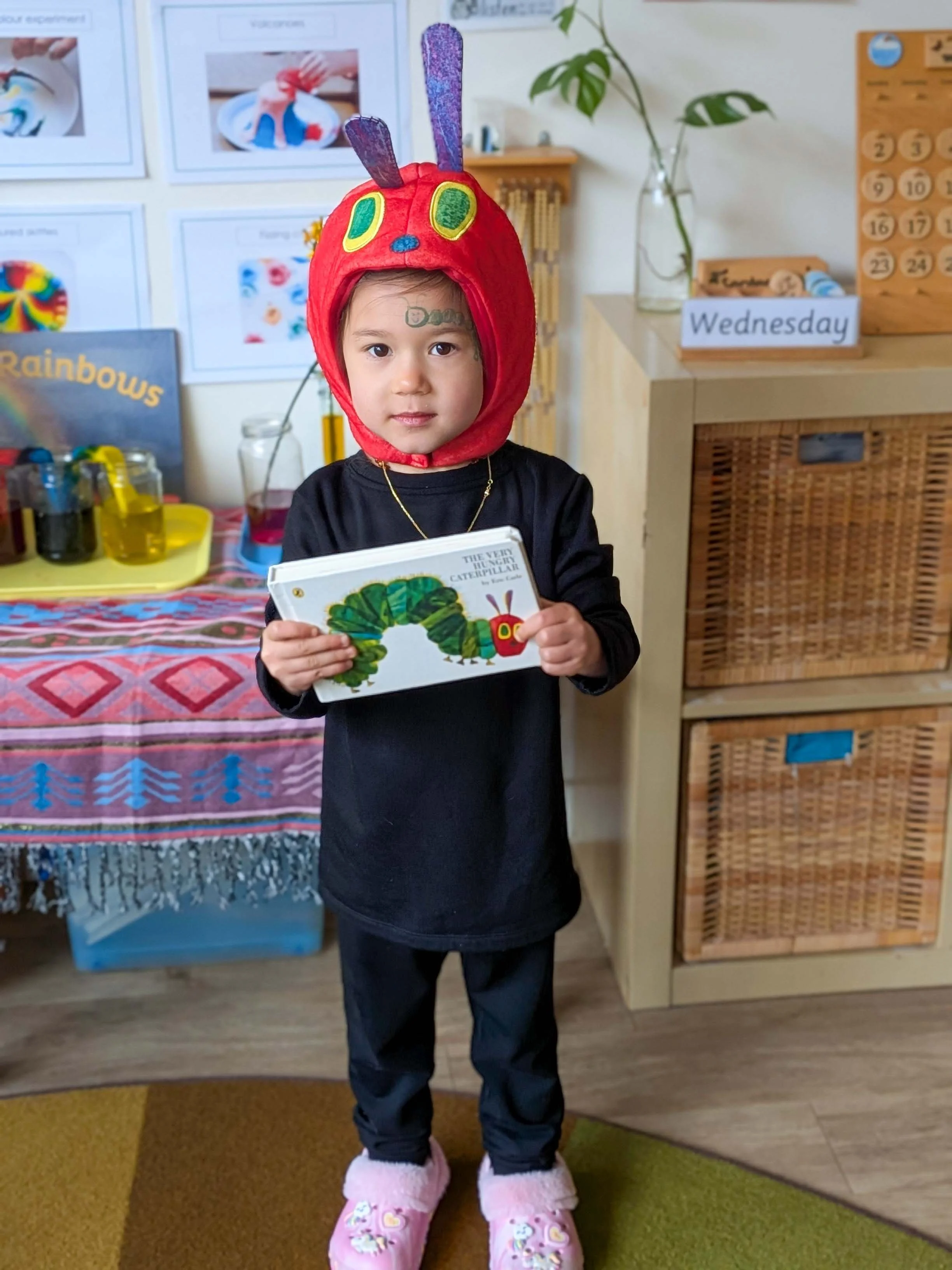
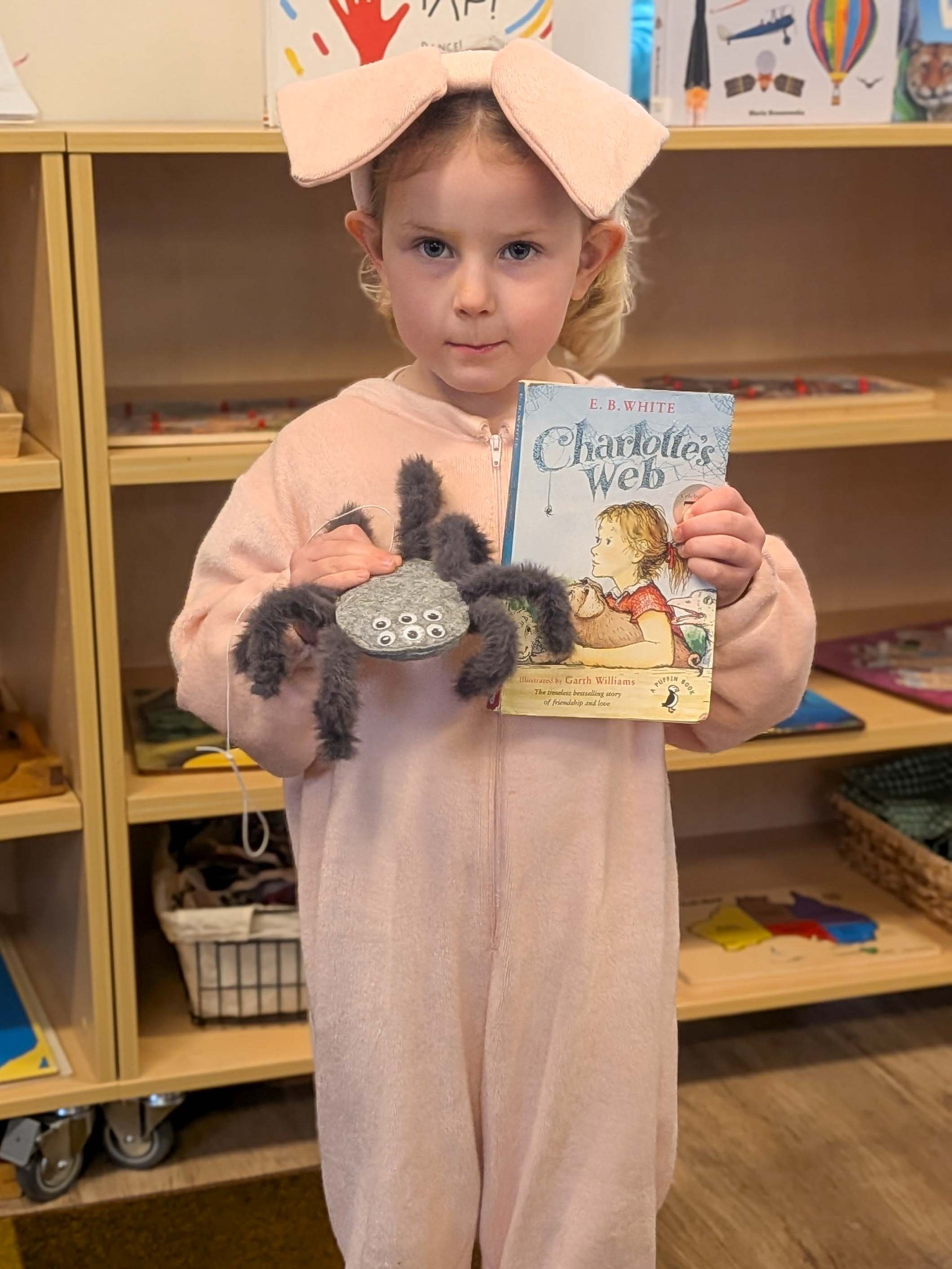
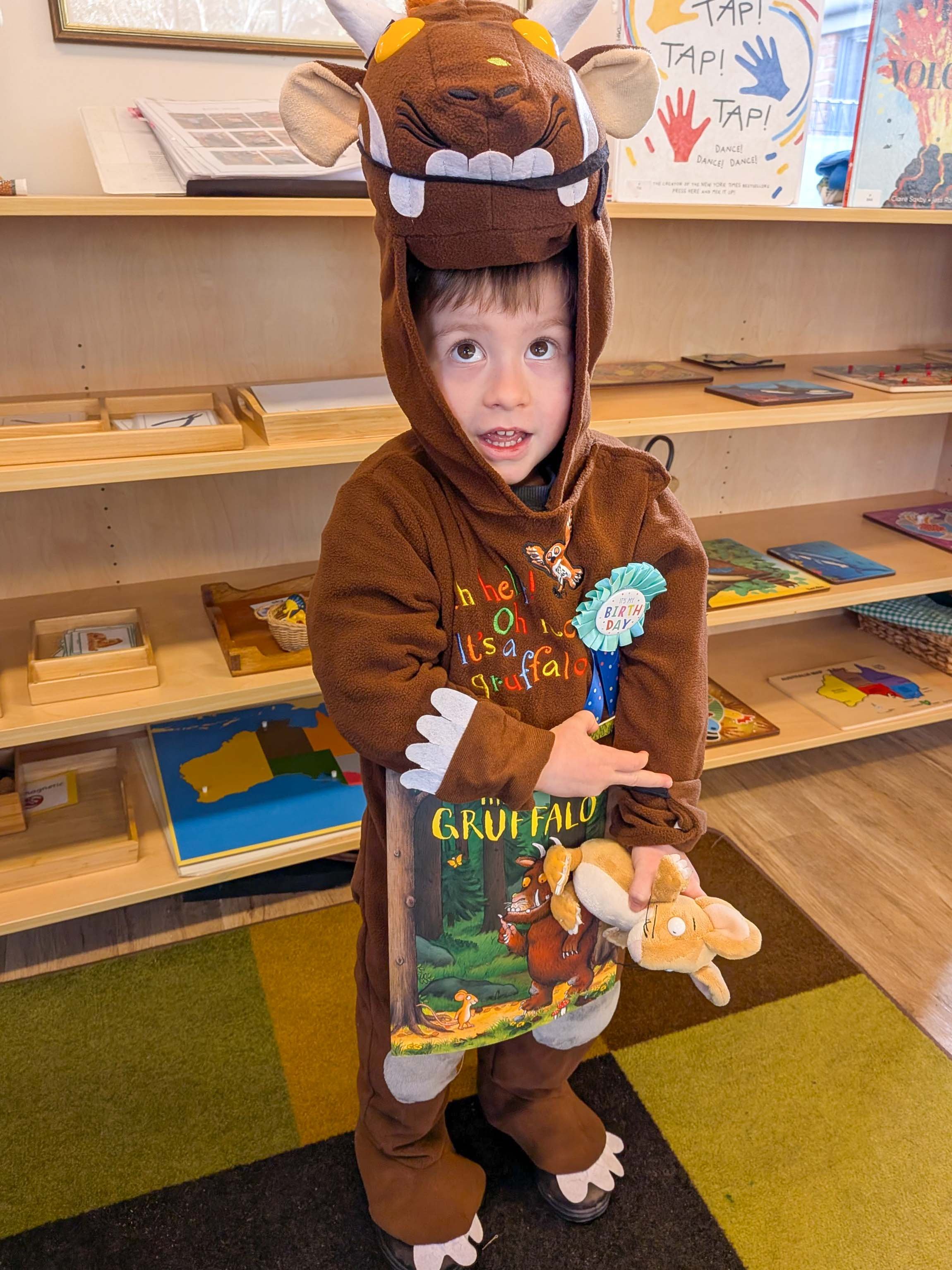
Book Week saw the children enjoy dressing up as a character and sharing their favourite books with their Preschool friends. The children were delighted to celebrate the Book Week Parade with the whole school. We have been honing our phonological awareness by noticing and predicting rhyming words in the books we share. “Those words rhyme,” says Rhea. A current favourite song is I’m a Little Teapot, with the added challenge of not singing the rhyming words, further developing aural skills and impulse control.
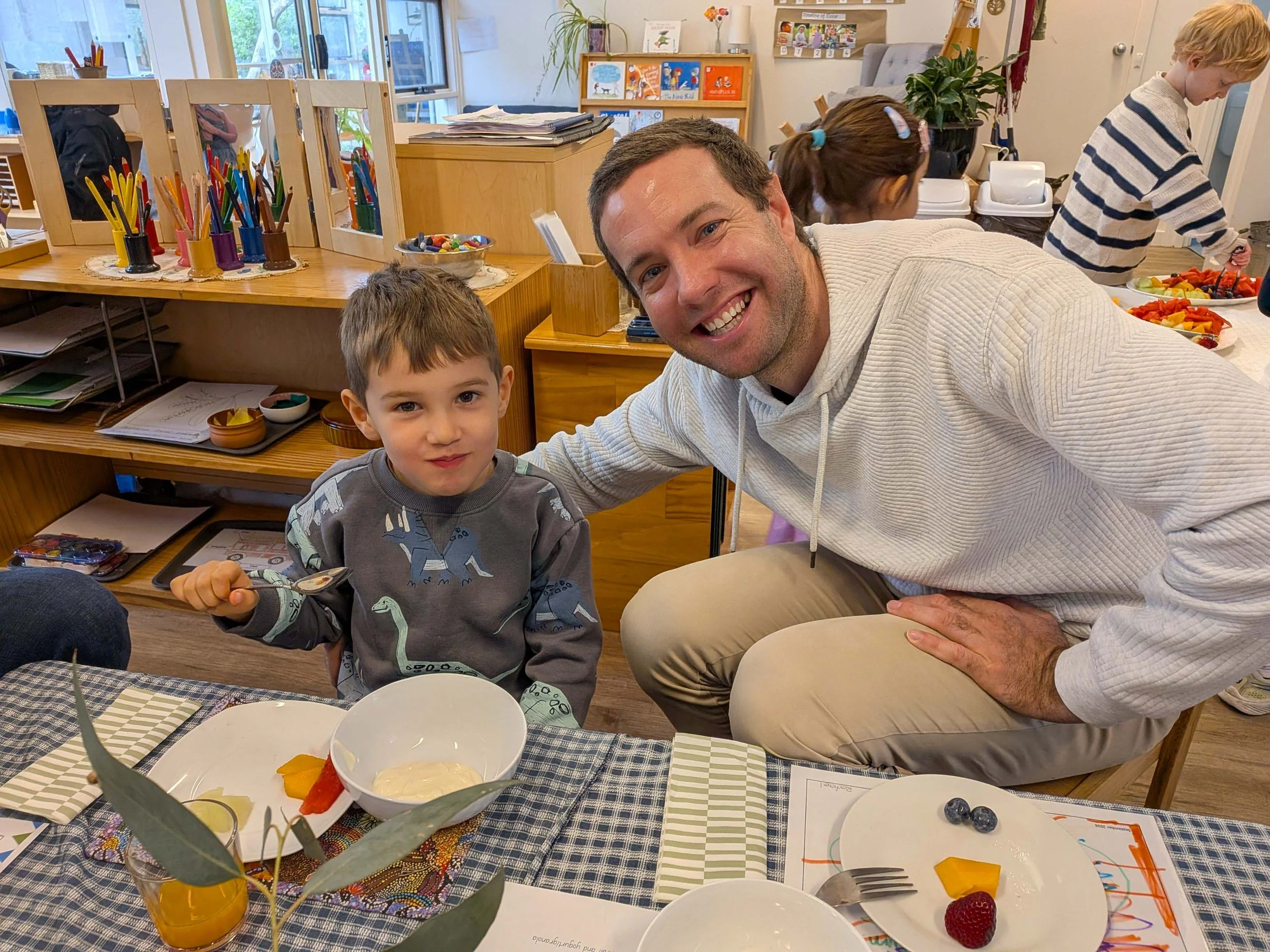
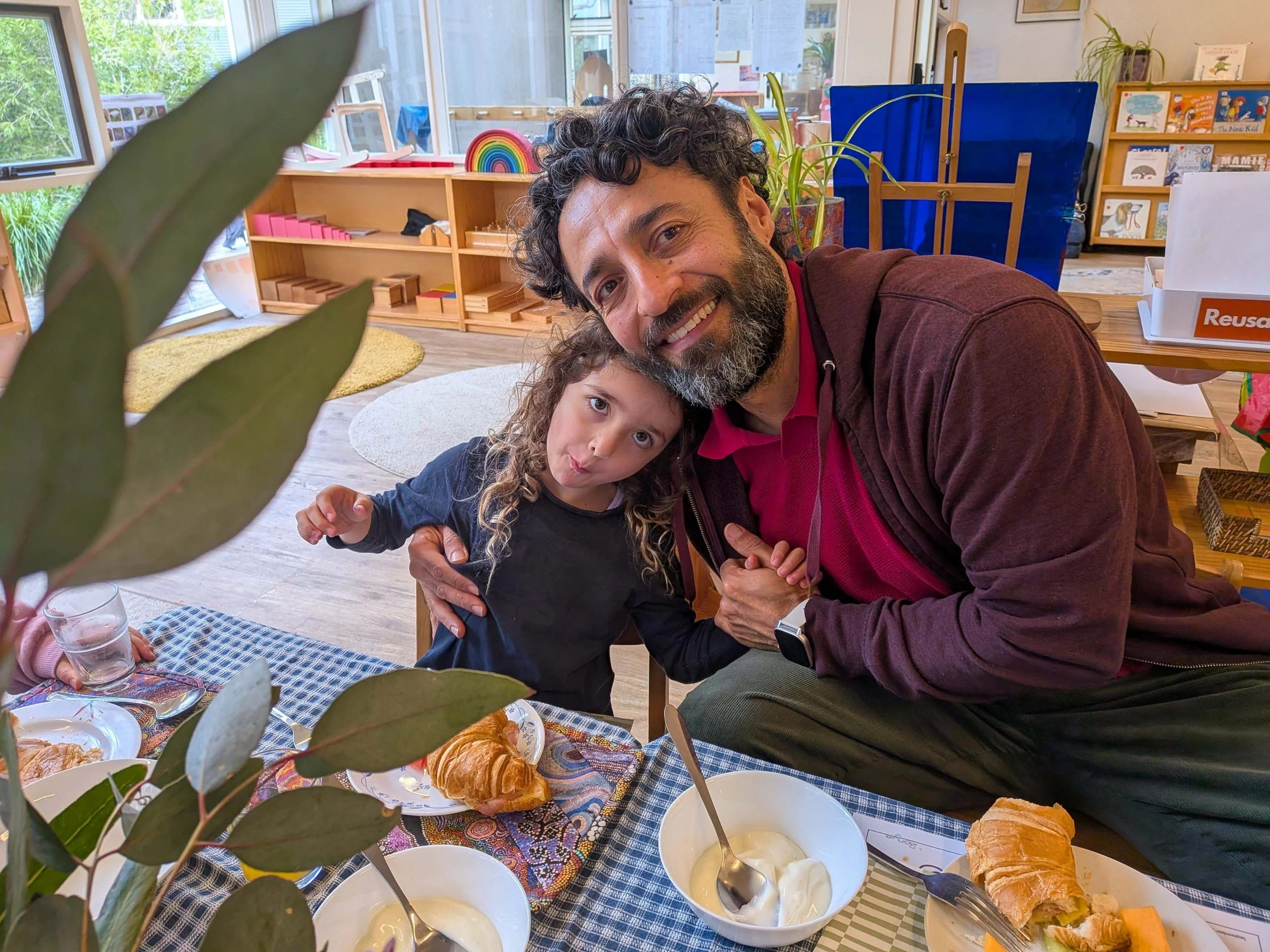
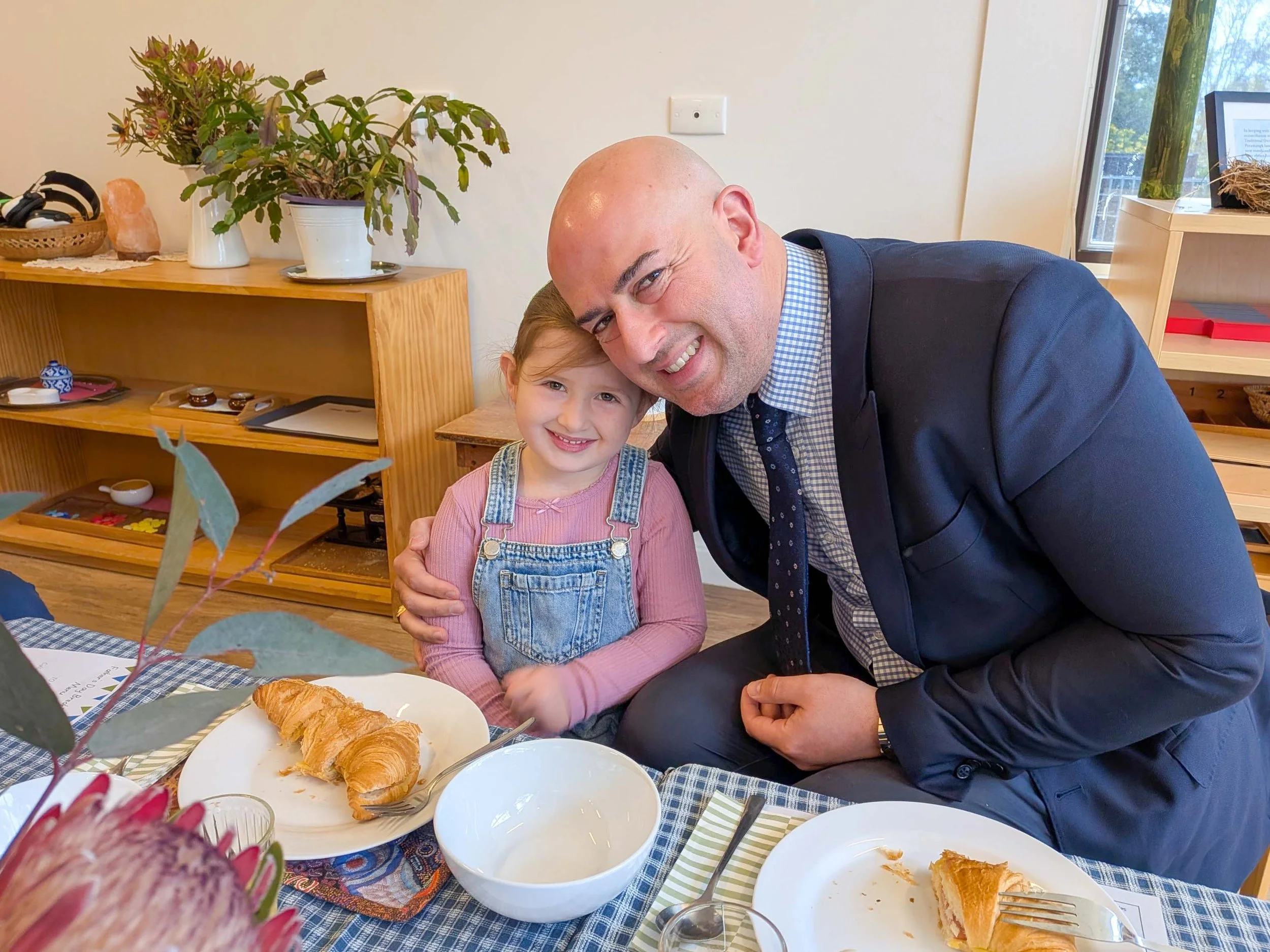
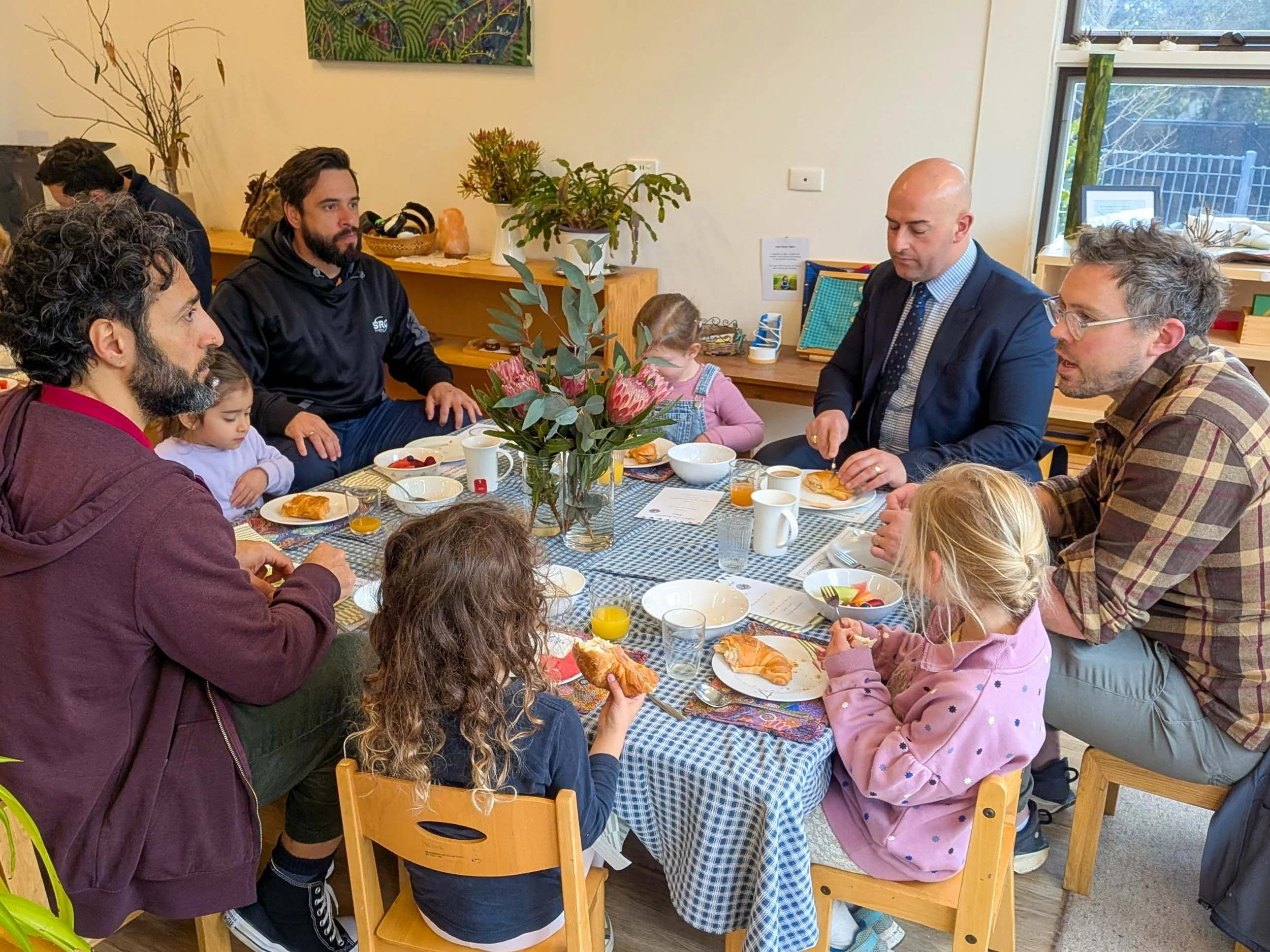
There was much excitement in the classroom in anticipation of Father’s Day. The children made cards, presents and even the wrapping paper! The Extended Program students celebrated by choosing the menu, setting the tables and preparing food for a Father’s Day breakfast.
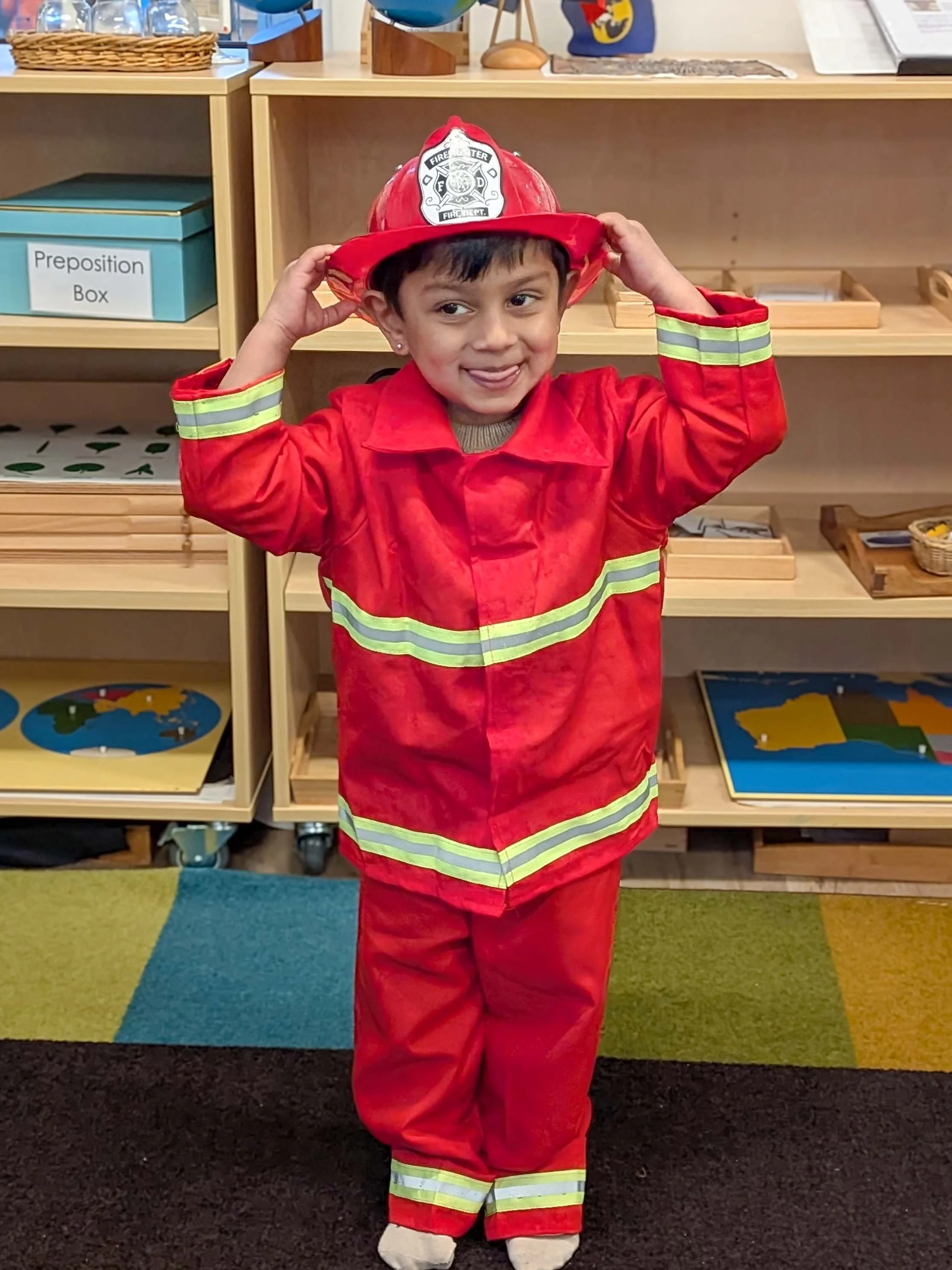
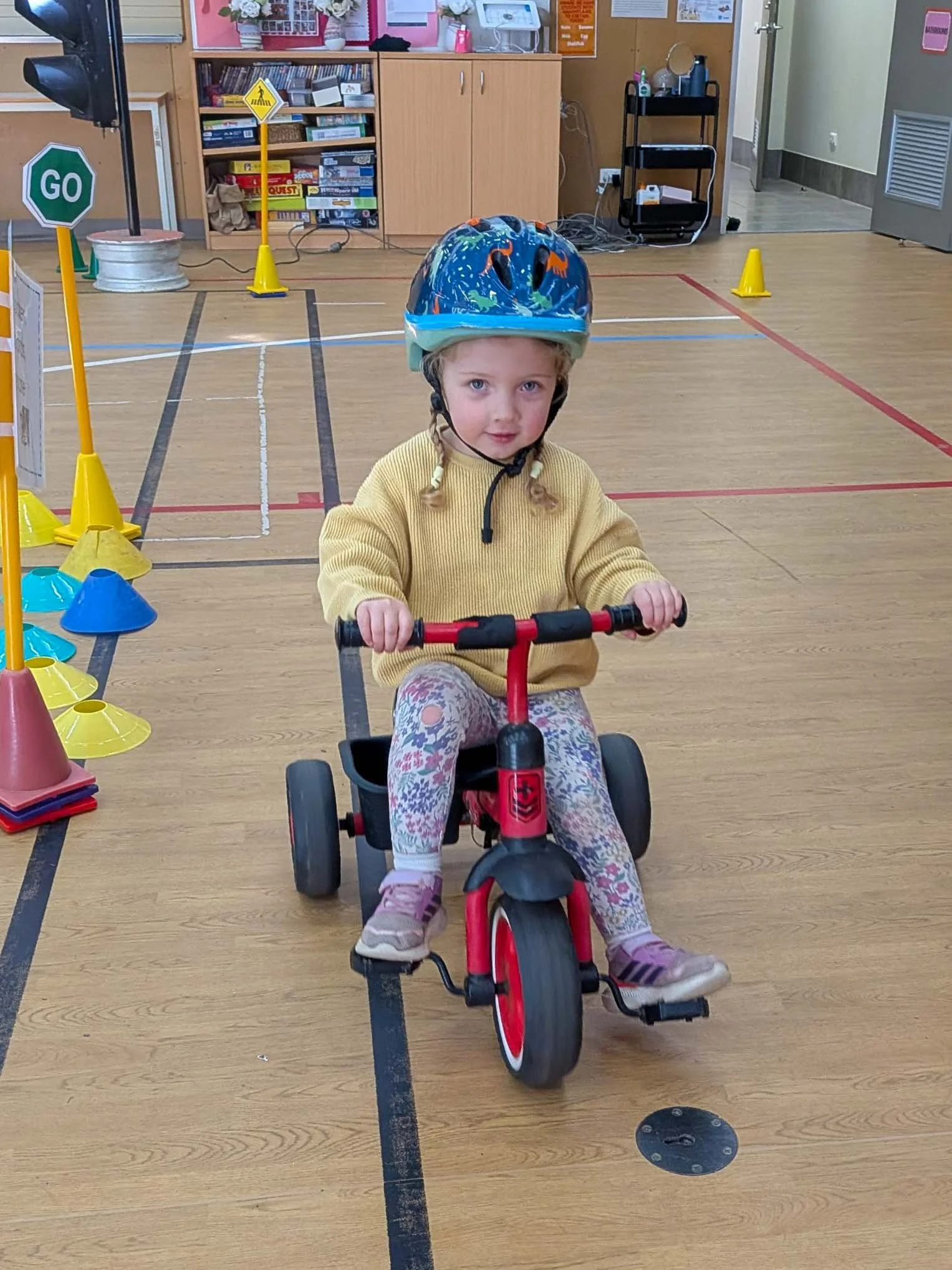
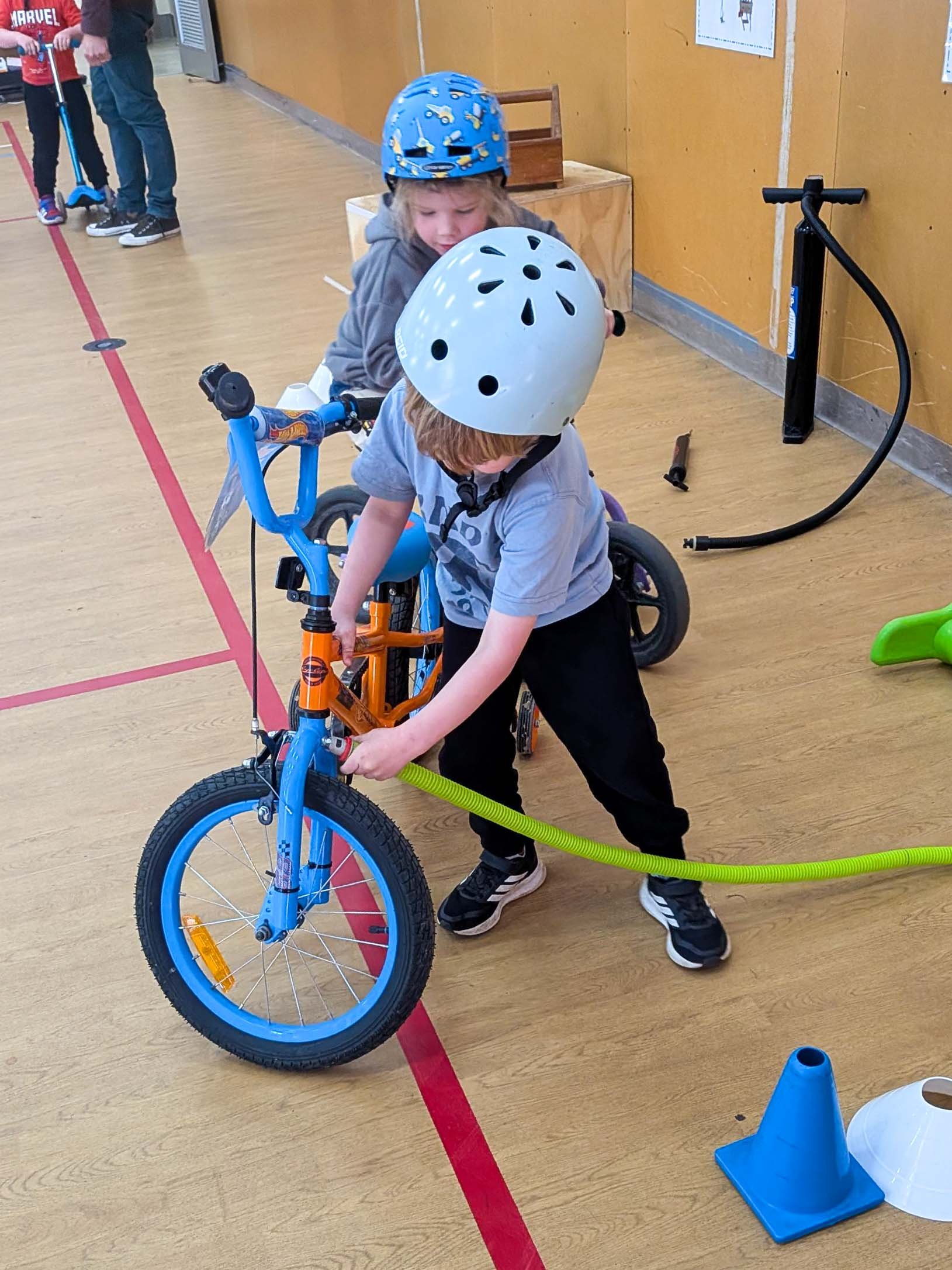
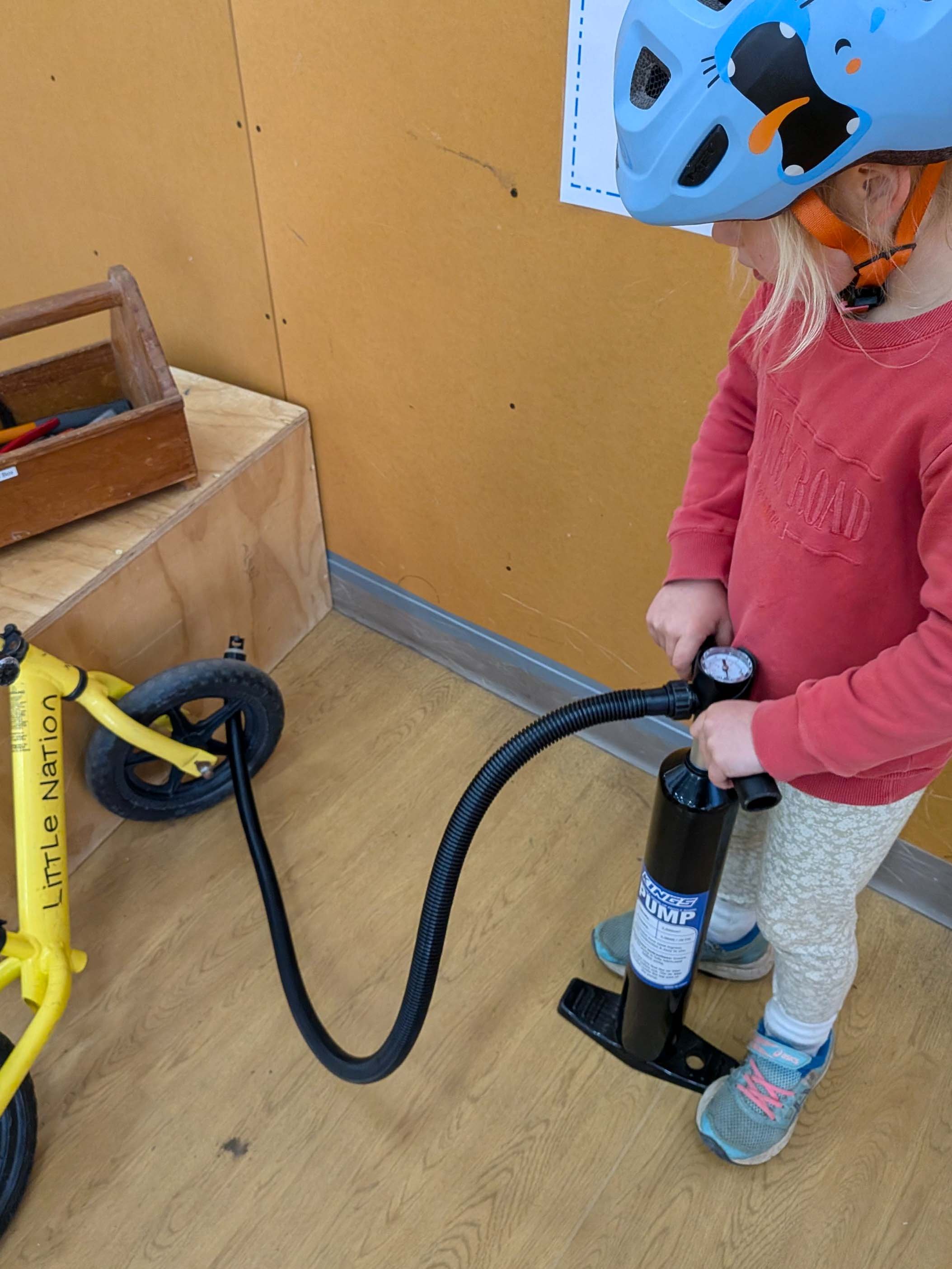
Wheels Day was an extension of their learning about simple machines, while also providing an opportunity to have fun and practise their gross motor skills on their chosen ‘wheels’. The gym was taken over and turned into a riding track, complete with traffic lights, a car wash, repair station, construction zone and, of course, a snack area for refuelling bodies. “I’m fixing my wheels,” said Stevie. “My tyres need some air,” said Chance. “I need to wash my bike,” said Felix. “I’m stopping the traffic,” said Billie. The children demonstrated collaboration, turn-taking and sharing of their belongings, while also taking care of each other.
Cycle 1 Preschool
Cycle 1 Primary
Correa & Ixodia Classrooms • Ages 5-6
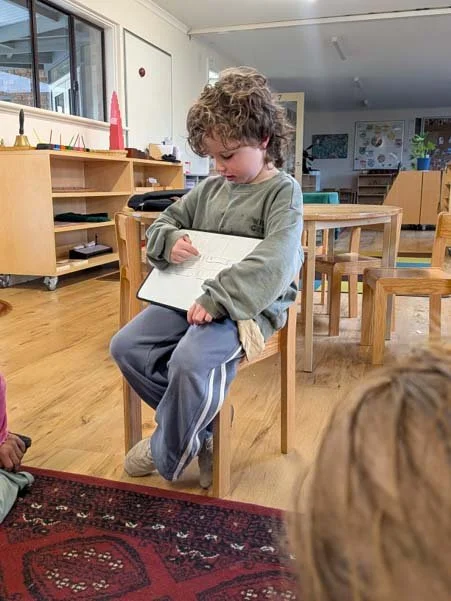
Students in Cycle 1 have been exploring simple machines and energy through hands-on experiments, construction and investigations.
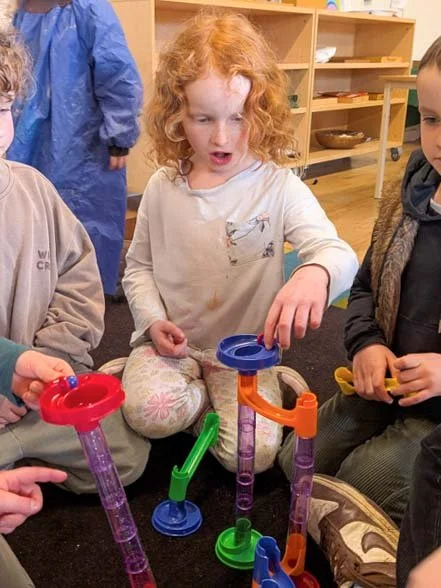
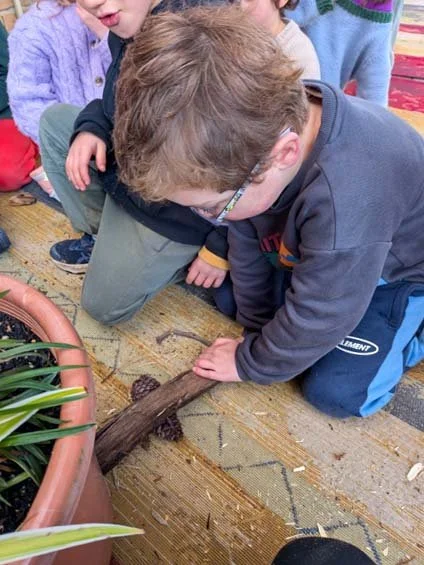
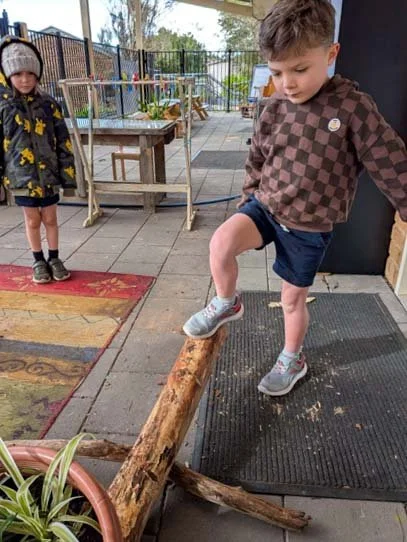
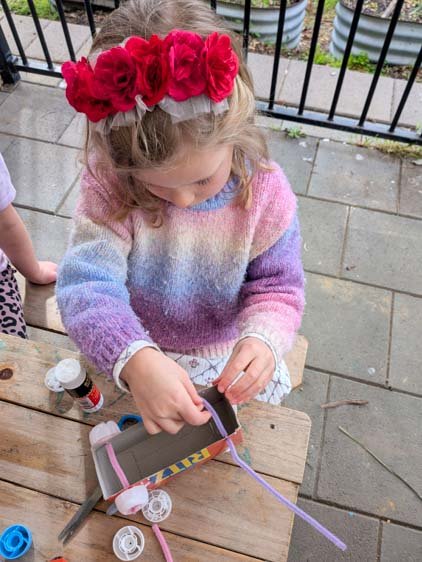
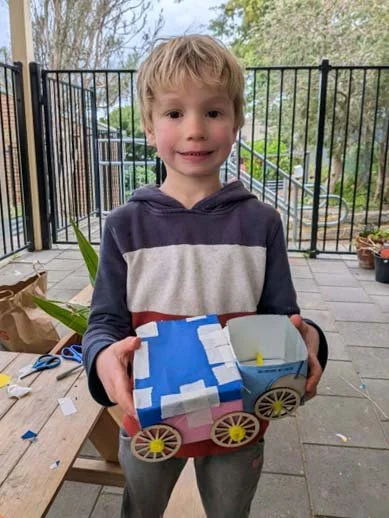
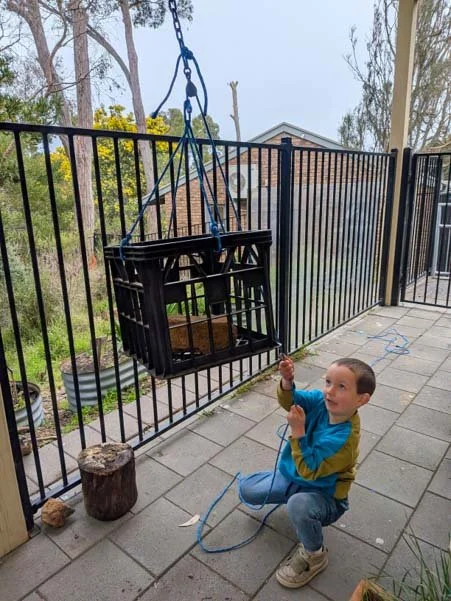
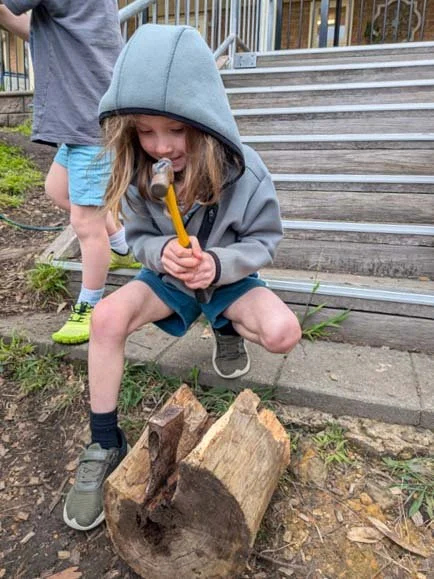
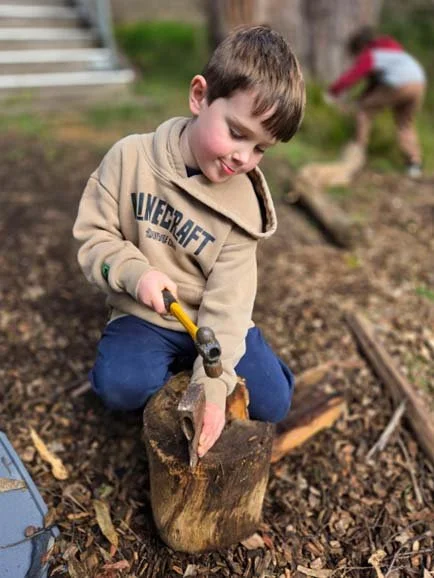
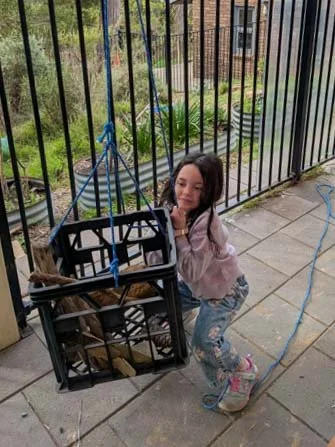
Through practical experiences, they have been introduced to the functions of levers, wheel and axle systems, pulleys, inclined planes and wedges, and explored how these simple machines can make work easier. Students designed levers using natural materials to lift heavy objects and created their own catapults to investigate how force and movement can be used to launch objects. They also constructed wheel and axle systems from recycled materials to make their own toy cars and experimented with pulley systems to lift heavy objects. Students explored inclined planes by designing tracks for toy cars and creating marble runs, investigating how changes in height and slope affect movement. They also experienced the function of a wedge by using an axe to split a log, observing how the shape of the wedge helps to separate materials.
Alongside their work with simple machines, students have begun exploring energy and magnetic forces. They predicted which objects around the classroom would be magnetic, tested their predictions and carefully observed the results. This led to deeper discussions about magnetic forces and how objects interact.
Cycle 1 Primary
“The same poles are friendly and stick together, but different poles push each other away.”
— Bryn
“If we put magnets with the same poles around the metal and put the metal in the middle, it will spin.”
— Jonty
“When electrons move, they create magnetism.”
— Clem
“If we imagine our whole classroom is a magnet and we are metal, we could fly!”
— Monty
Cycle 2 Primary
Dianella & Acacia Classrooms • Ages 6-9
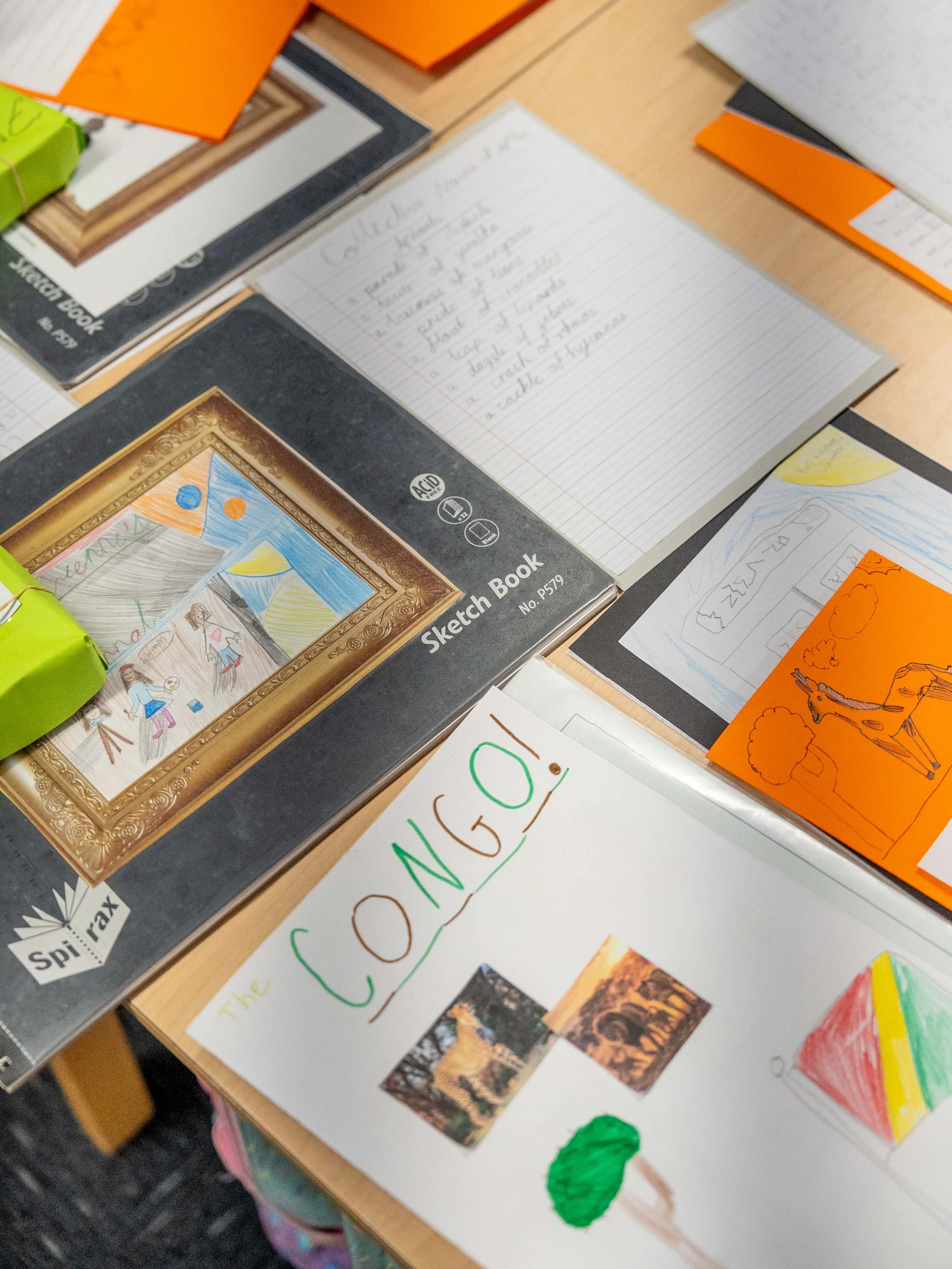
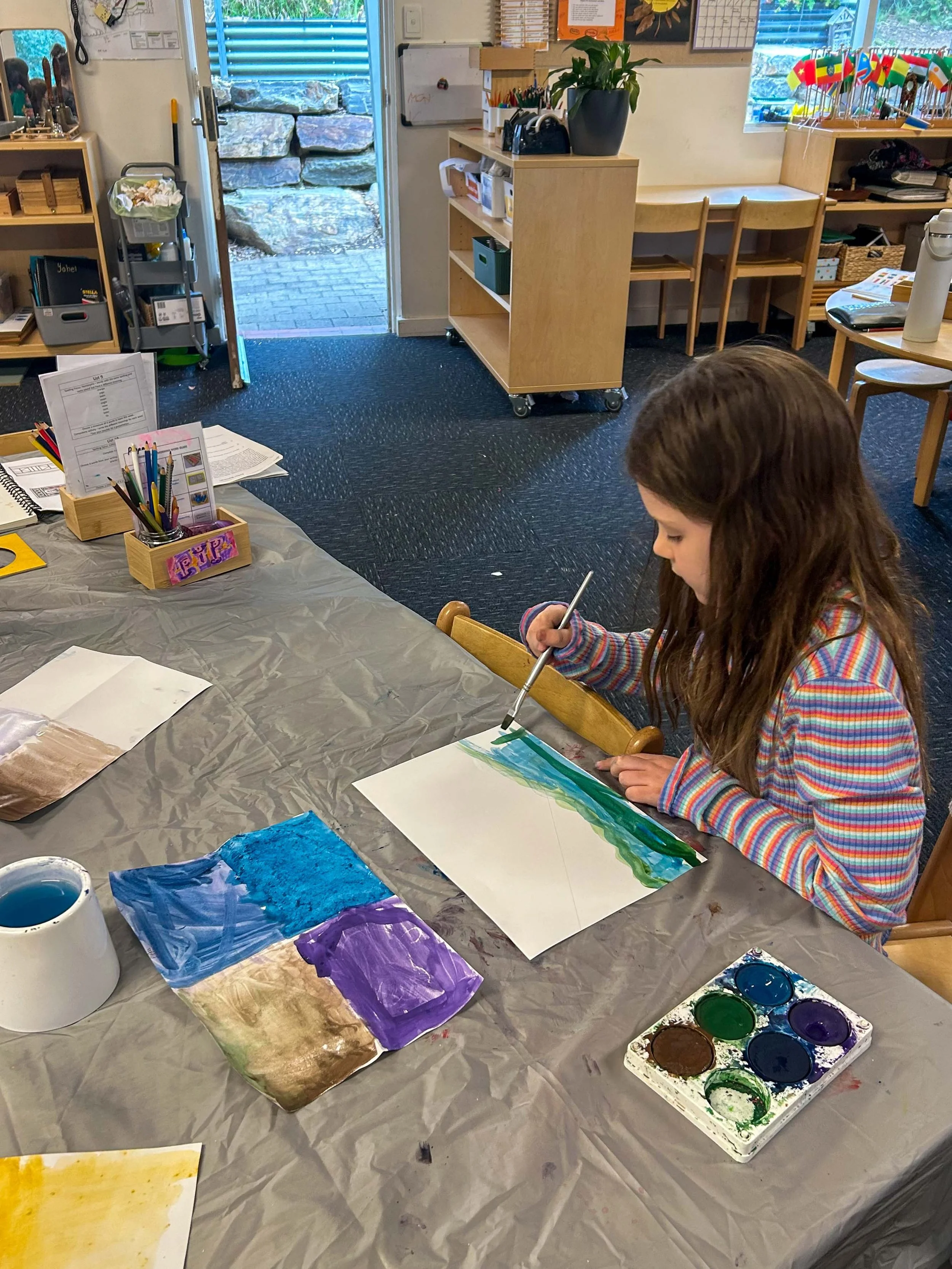
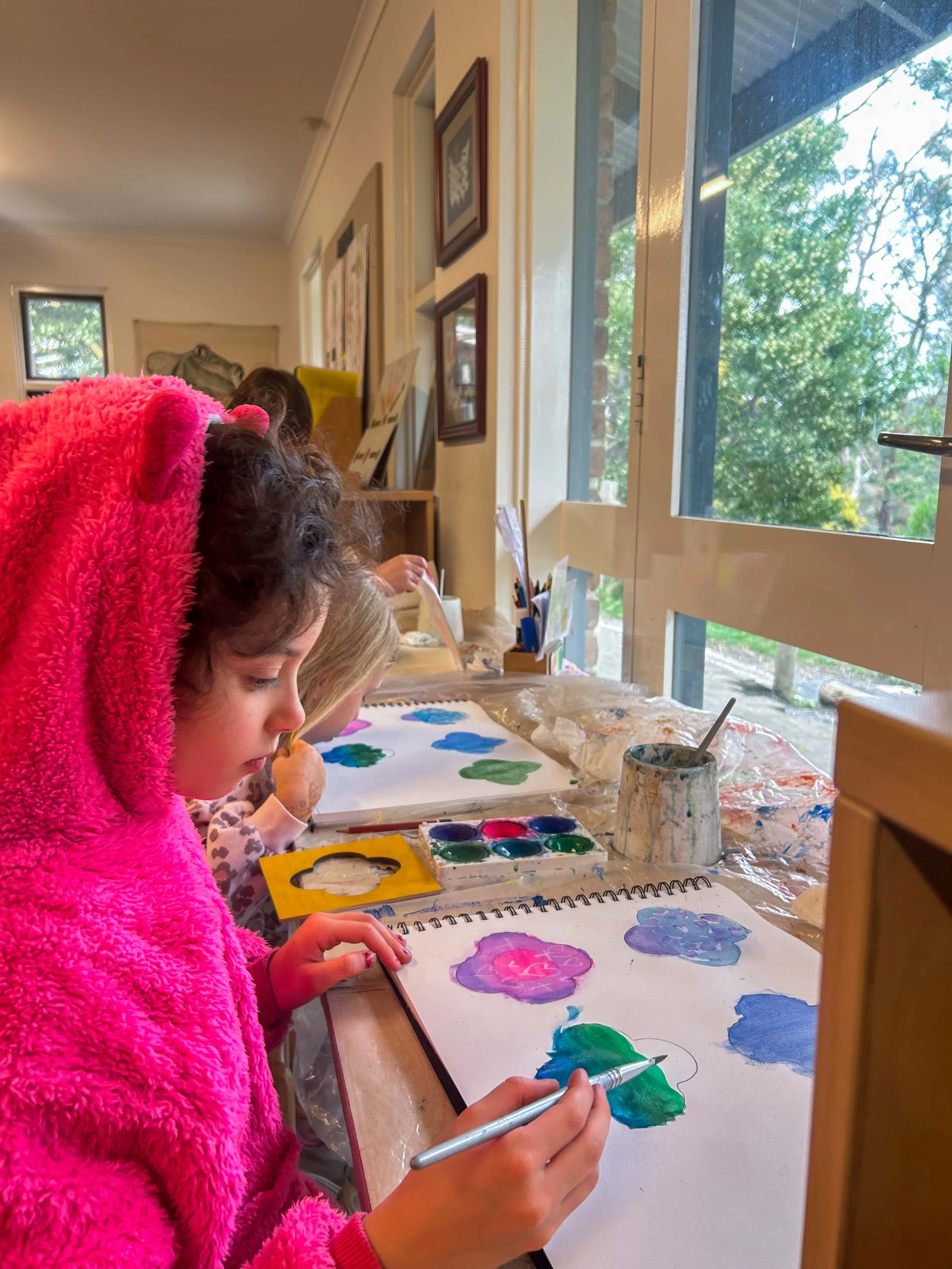
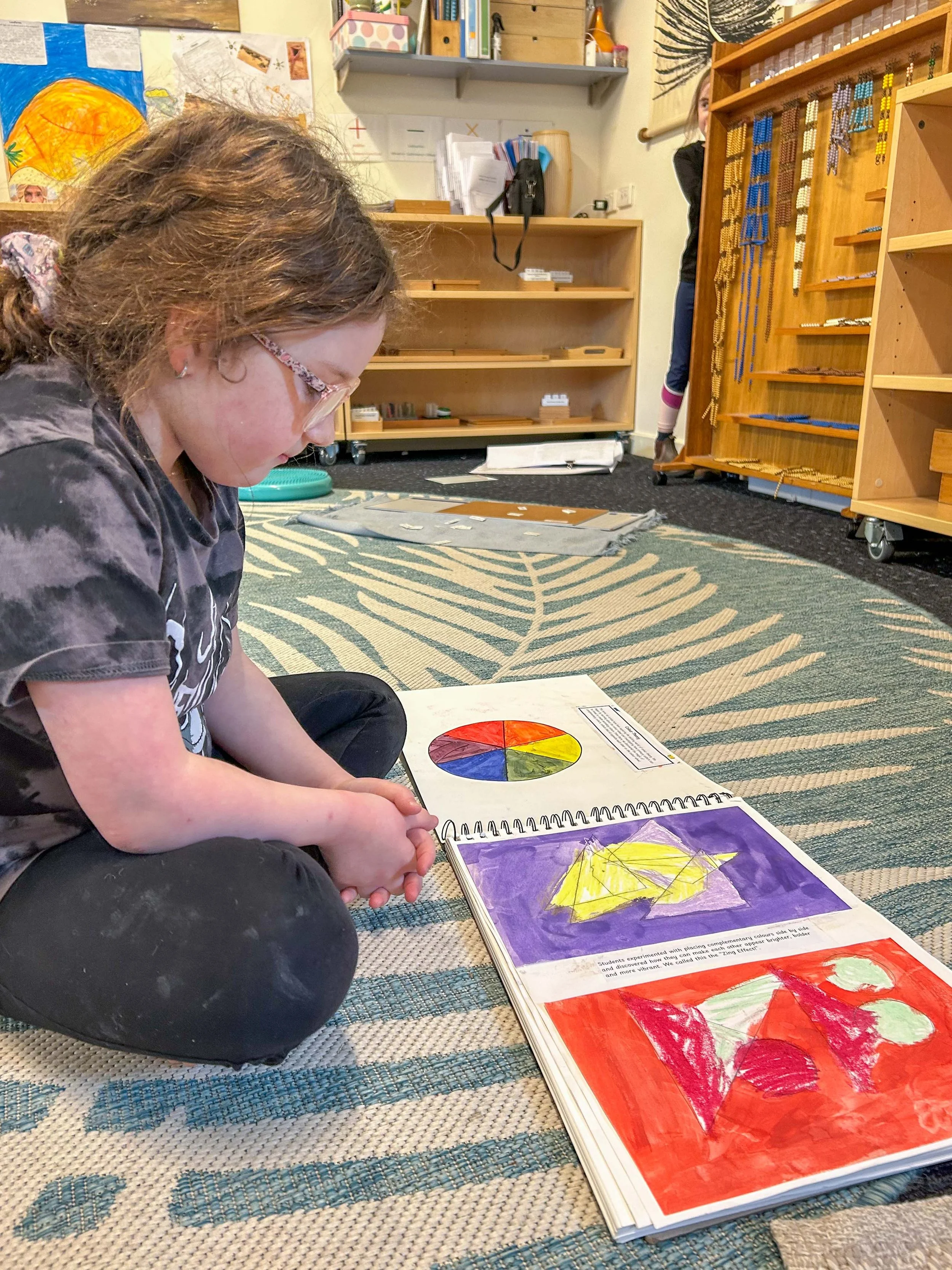
This term, our class has been exploring the art, geography and cultures of the African continent through painting, printmaking and mapping.
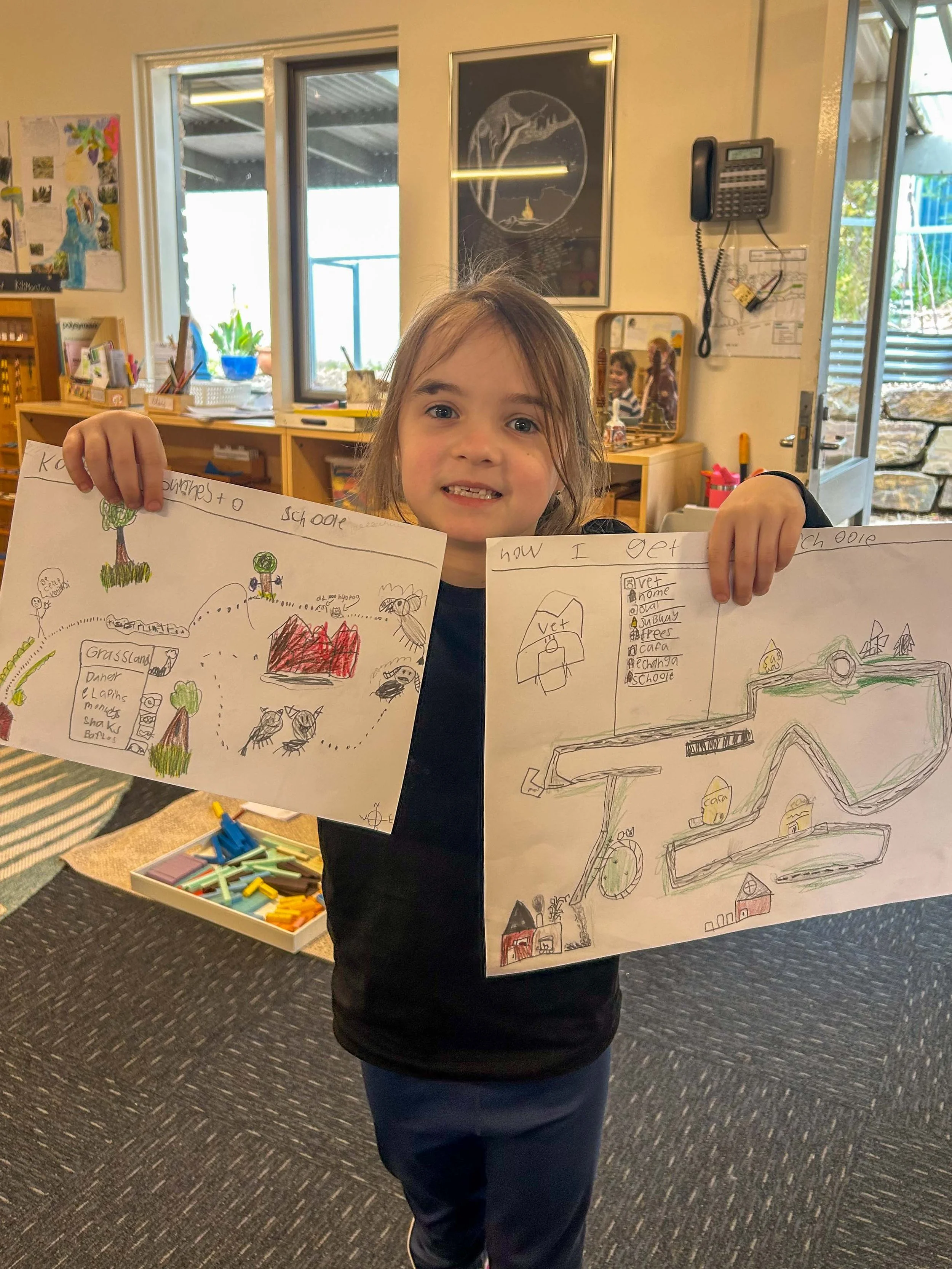
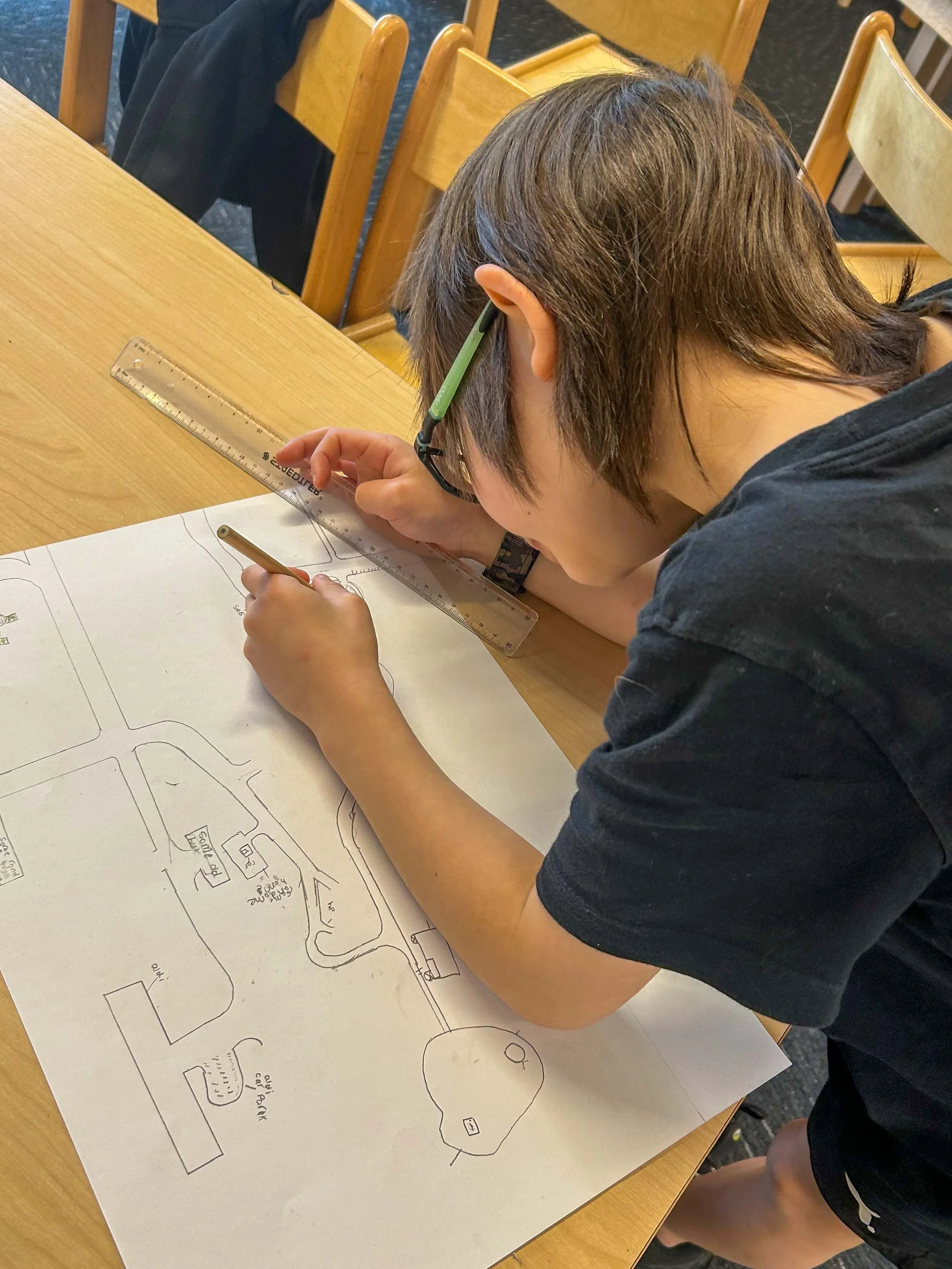
We have been reading and following walking maps of our own school and practising measuring distance and scale. Students have also been creating their own maps of Africa’s biomes and their chosen countries as part of their research. Recently, students watched a video following a 12-year-old Kenyan girl’s journey to school and created their own map to sequence the stages of her long and often dangerous journey across the Savannah. They then mapped their own journeys to school, comparing similarities and differences between the two. This activity was designed to build empathy and understanding of how others live. We also discussed that this is not how everyone in Kenya lives, but is the reality for some people, including those living in remote Maasai villages.
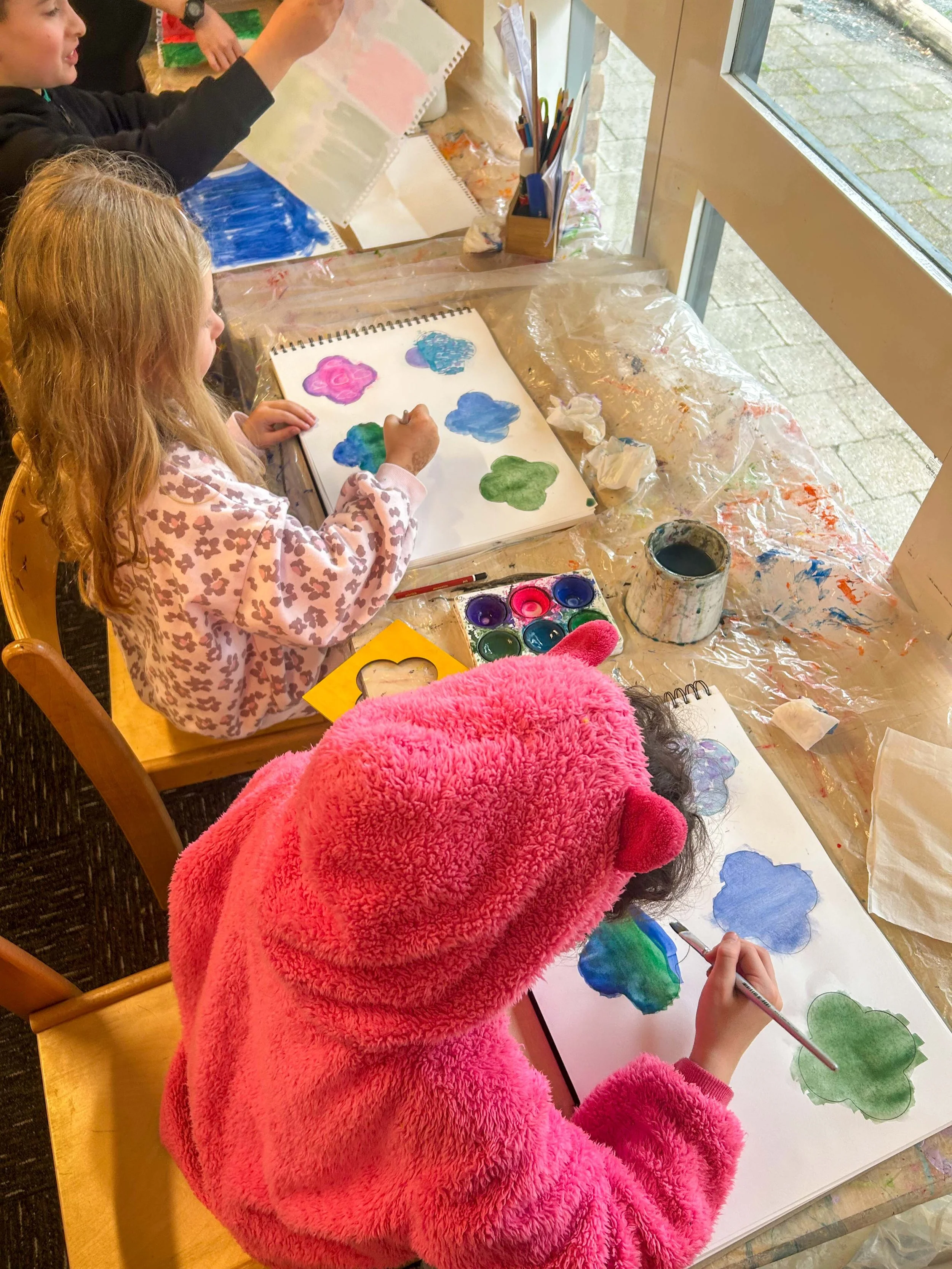
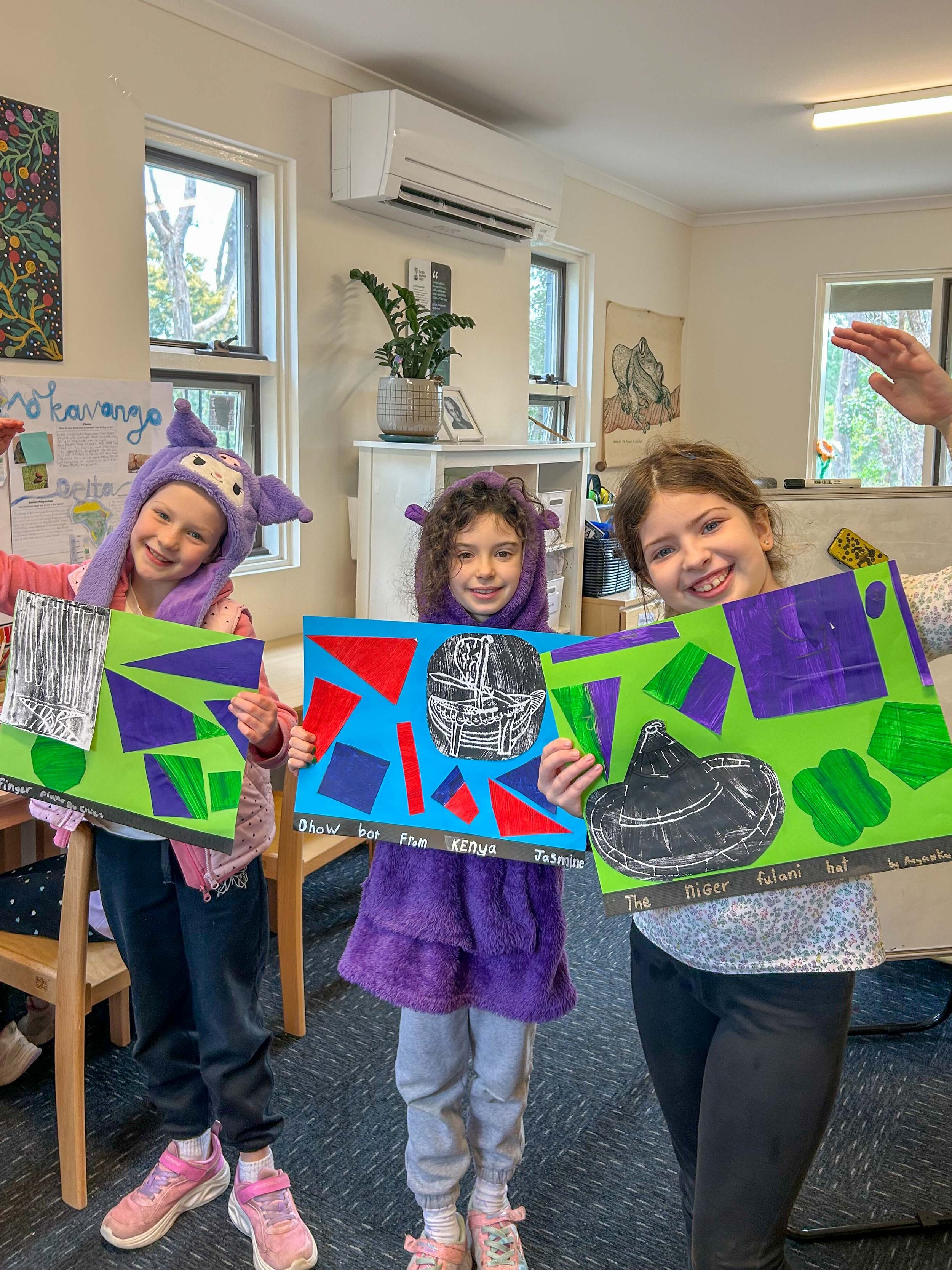
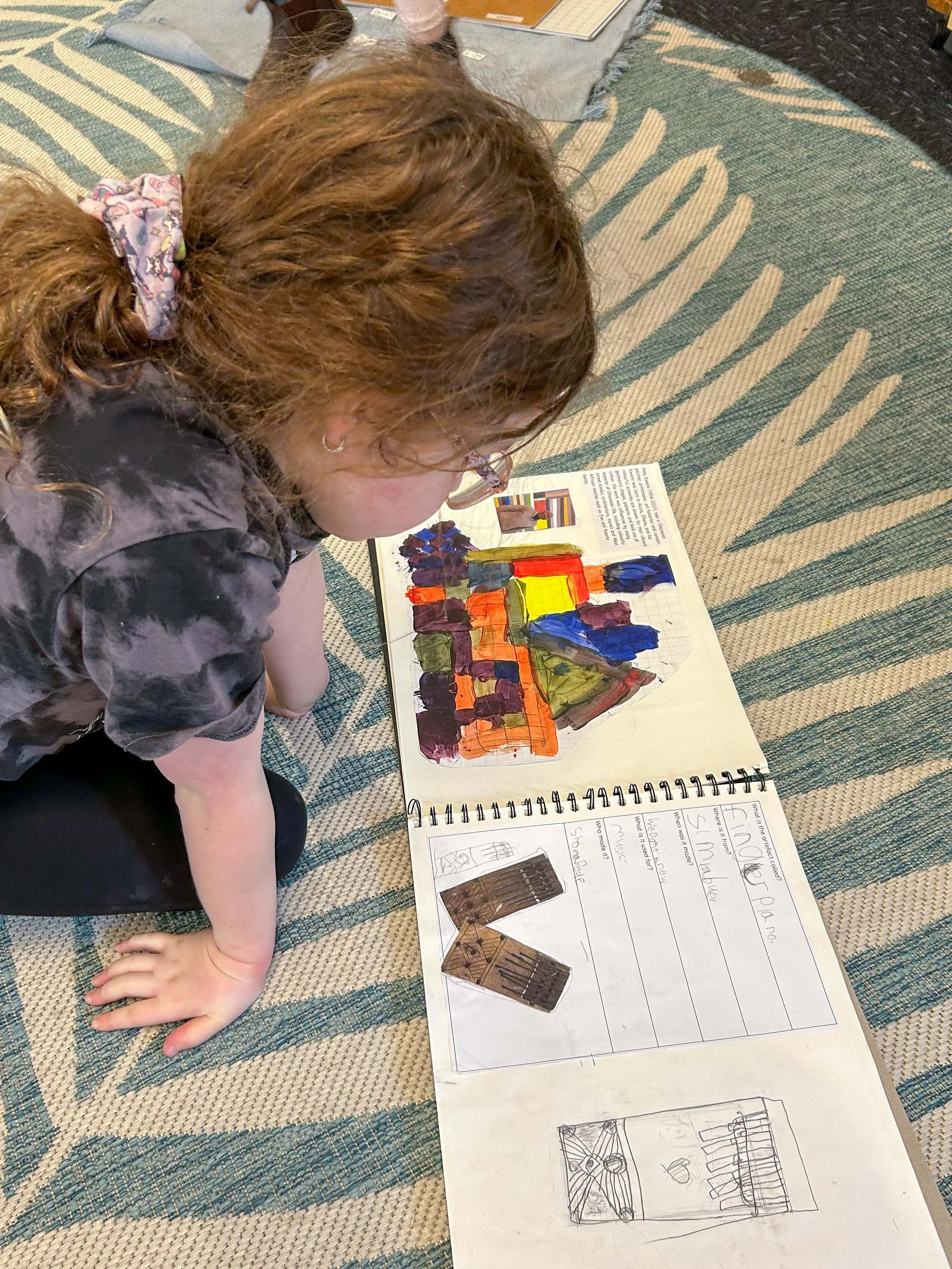
Building on our earlier exploration of Ghanaian artist Atta Kwami, students extended his practice of sketching artefacts and reworking them into layered artworks. They explored an interactive map featuring more than 80 African artefacts, choosing one that caught their interest to research and sketch before transferring their design onto foam to create their own layered, colour-blocked prints.
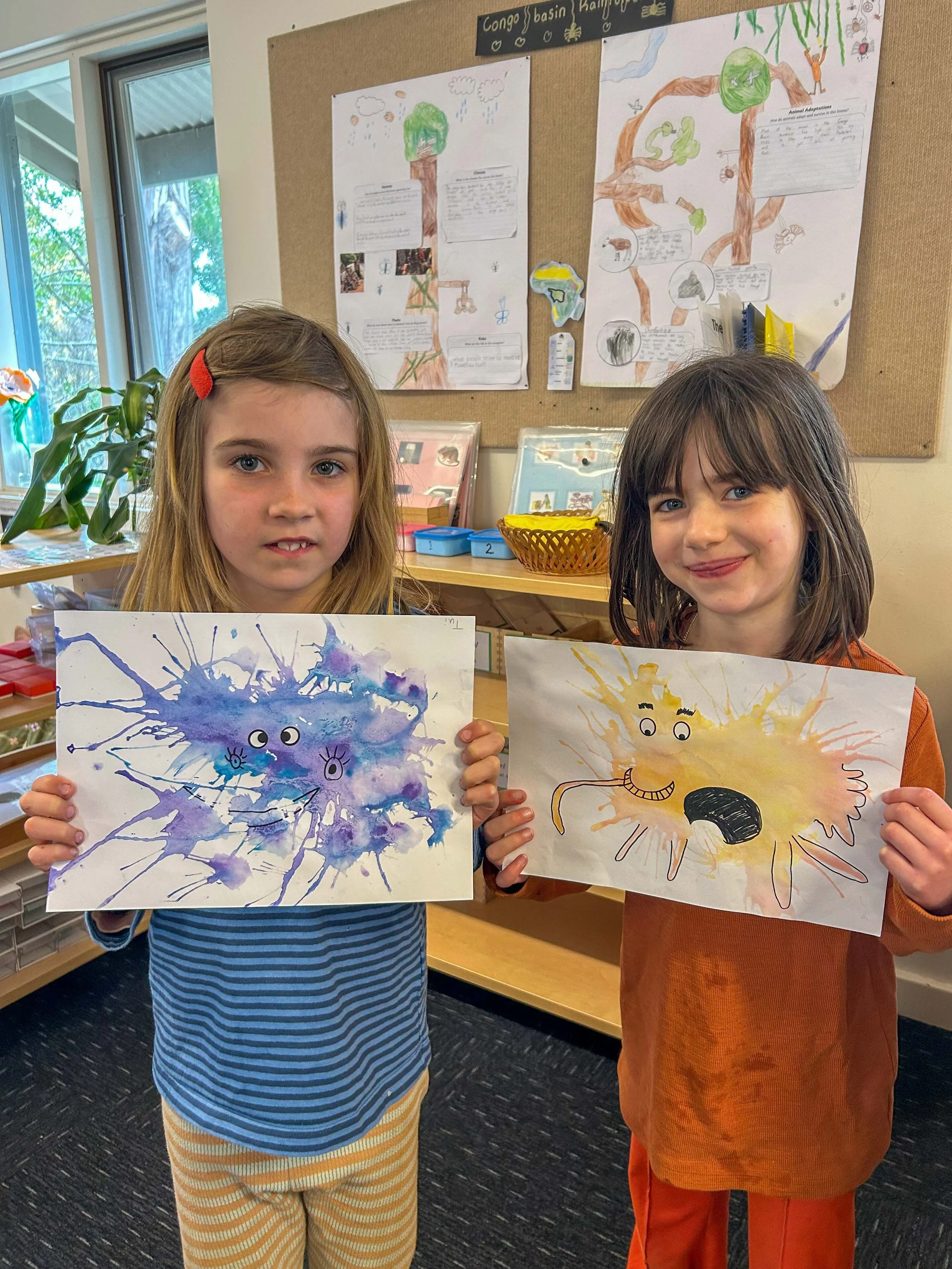
Students have also explored symmetry through the work of South African artist Esther Mahlangu, designing their own Ndebele-inspired patterns using bold colour and repetition. They then turned to the expressive watercolour techniques of Barthélémy Toguo, layering colour and experimenting with salt resist and hidden crayon messages. Finally, they blew watery ink across paper with straws to create their own “splodge monsters”, as Elara has aptly named them.
Cycle 2 Primary
Cycle 3 Primary
Callistemon & Grevillea Classrooms • Ages 9-12
Following Their Passions: Student-Led Projects in Action
At the heart of Montessori education is a simple belief: children learn best when we trust them to follow their own interests.
We see this come to life when students turn a spark of curiosity into something real. A new idea may emerge from one of the Great Stories or a rich topic of study, from something they have encountered in the classroom, or from a passion they pursue beyond school.
This term, students have explored a wonderful range of interests. We have seen an octopus sculpture inspired by the work of Yayoi Kusama, a small group learning to crochet, the construction of a wind-powered light, and a Book Week book swap.
Students submit a project proposal, considering the materials, resources and support they will need, before gaining approval and bringing their idea to life. This process encourages the practice of planning, problem-solving, research, collaboration, persistence and responsibility, while giving students the satisfaction of seeing an idea develop into something tangible.
Our Year 6 students take this further through their Major Project: ten weeks of independent research culminating in a practical component shared with their class. This year’s projects beautifully captured the breadth of their passions, from a 3D-printed hydroponic garden, to a choreographed dance routine, to a home-cooked Thai feast shared with peers.
When we give children genuine opportunities to pursue their interests, we are not simply allowing them to choose what they would like to do. We are nurturing their curiosity, independence and sense of purpose.
Cycle 3 Primary
Cycle 4 Middle School
Wairoa Campus • Ages 12-15
Thinking Further in Cycle 4
Looking Out: RICH Projects
The throughline running in Term 3 is our RICH projects. Term-long investigations that students choose, driven by their own curiosity, and presented TED-talk style to the Wairoa community.
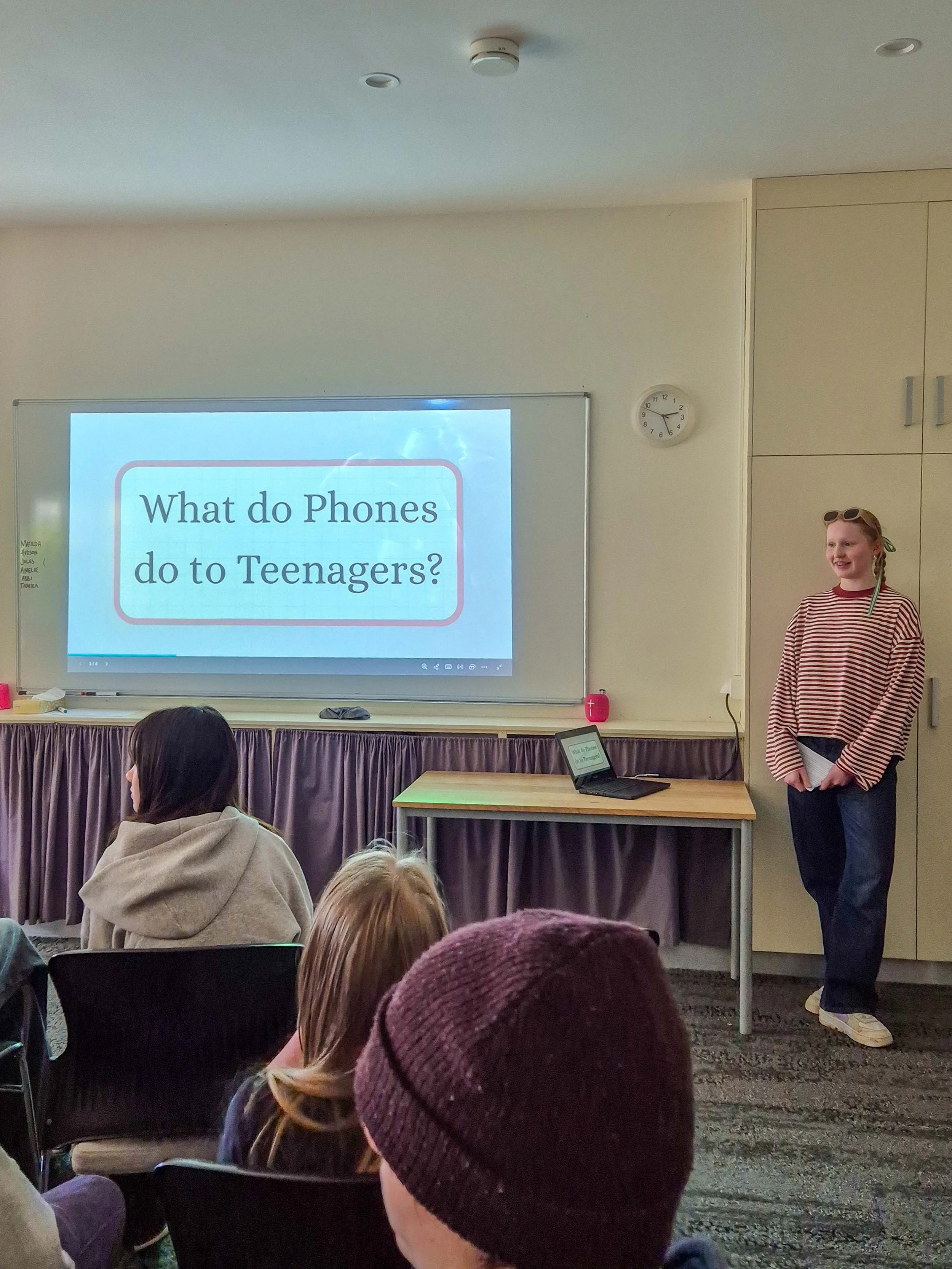
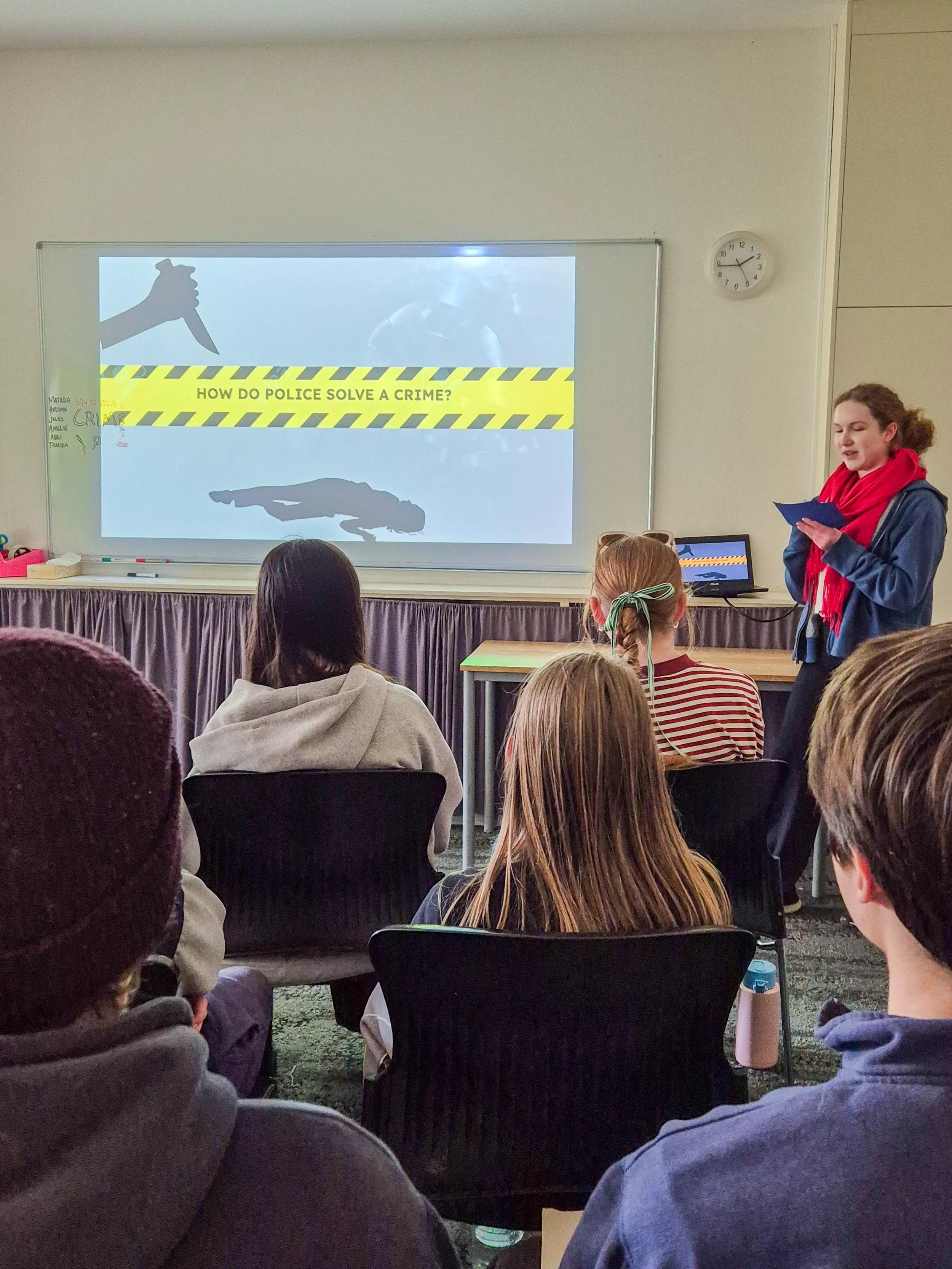
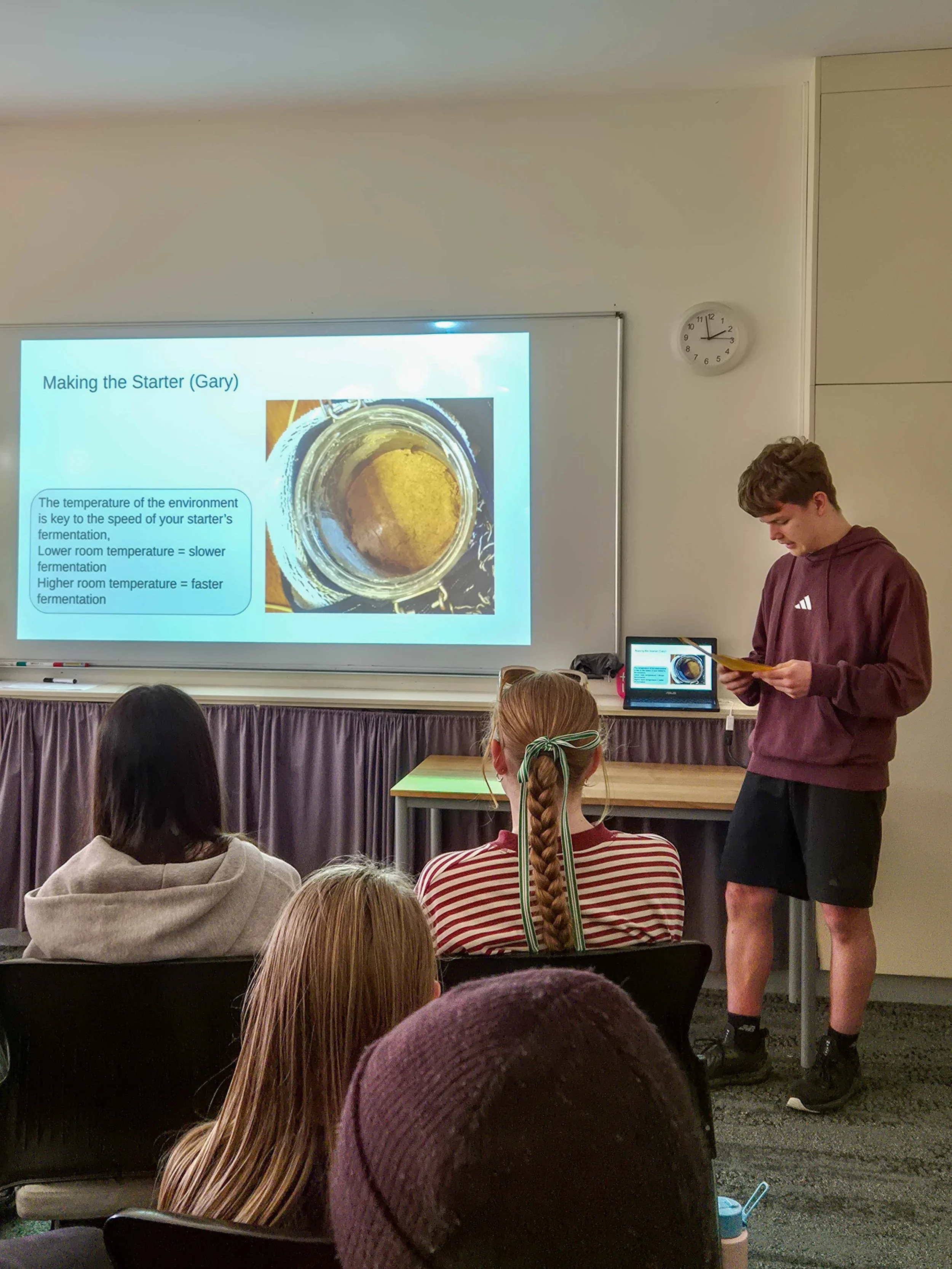
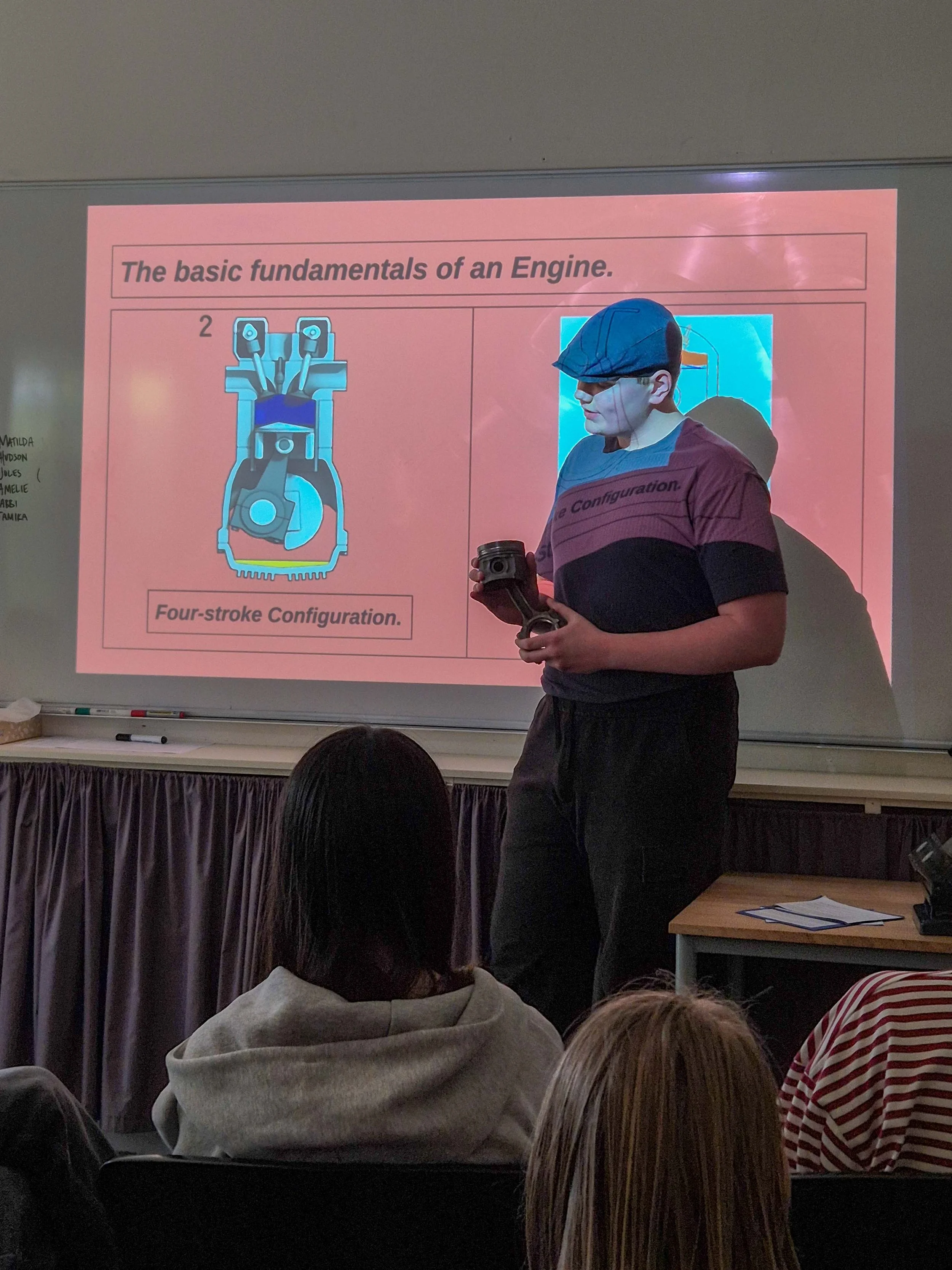
It's endlessly fascinating and exciting to see what students decide is worth months of their attention. We've seen and are yet to see presentations on: What do phones do to teenagers? The fundamentals of how a combustion engine works. Fermentation and sourdough making. How do police solve a crime? How to save a life. How to build a bike. Milk. How snacks represent a culture. How to graft a plant. How to make a cricket bat. And so many more.
Along the way, students have consulted experts in their chosen fields to deepen their understanding, and in many cases have conducted experiments, built an artifact, or run a workshop to demonstrate what they've learned.
Looking Up: Science — Astronomy
This term's Science focus has been astronomy, and recently it gave us one of those evenings you don't easily forget. We spent time after dark at Aldgate Oval with three experts from the Astronomical Society, where Ian, other Ian, and Michael brought their enormous telescopes and showed us the stars and planets above us.
Cycle 4 Middle School
“I've never seen Saturn before. I thought it would look like a gas cloud, but it had really prominent rings.”
— Matilda
“One of the astronomers built his own telescope!”
— Abbi
“Amazing. I didn't know you could see Saturn that well from Earth.”
— Dani
“It was really cool when you look into the telescope, you see two stars, but when you look at the night sky, it looks like only one.”
— Amelie
“It was out of this world. Literally! The laser was really cool — the astronomers could point out the stars, but they had to be careful to watch out for the planes.”
— Liv
Looking Around: Geography — Place & Liveability
The Humanities focus this term has been Geography. In small groups, students were challenged to redesign Aldgate to improve its liveability for a chosen demographic: young families, older residents, teenagers, people with disabilities, or people moving to the Hills from the city. Within each group, students then worked individually, each exploring the group's demographic through one of four lenses: housing and the built environment, getting around, services and amenities, or community and recreation.
To ground their thinking in reality rather than assumption, students conducted fieldwork, analysed census data, and interviewed and surveyed people across Aldgate and the broader community before presenting their proposals back to their classmates.
Finding it
We love giving students opportunities to connect what they learn at school with what they experience out in the world. The best feeling, as a teacher, is overhearing young people arguing about why something is the way it is; because that means they've noticed something, sat with it, connected it to what they already know, and pushed their own thinking far enough to ask thoughtful questions and reason their way toward an explanation.
It's the same reason camps and expeditions are so rewarding: that spark of connection happens again and again, out where the learning is lived rather than just taught. Stay tuned for our T4 Camp and Expedition opportunities!
We look forward to sharing all of this work and learning with you at our Cultural Studies Expo, Thursday Week 10.
Specialist Teachers
Indonesian with Ibu Ellis
“Don’t ever forget history. It will make and change who we are.”
— Soekarno, Indonesia’s first president
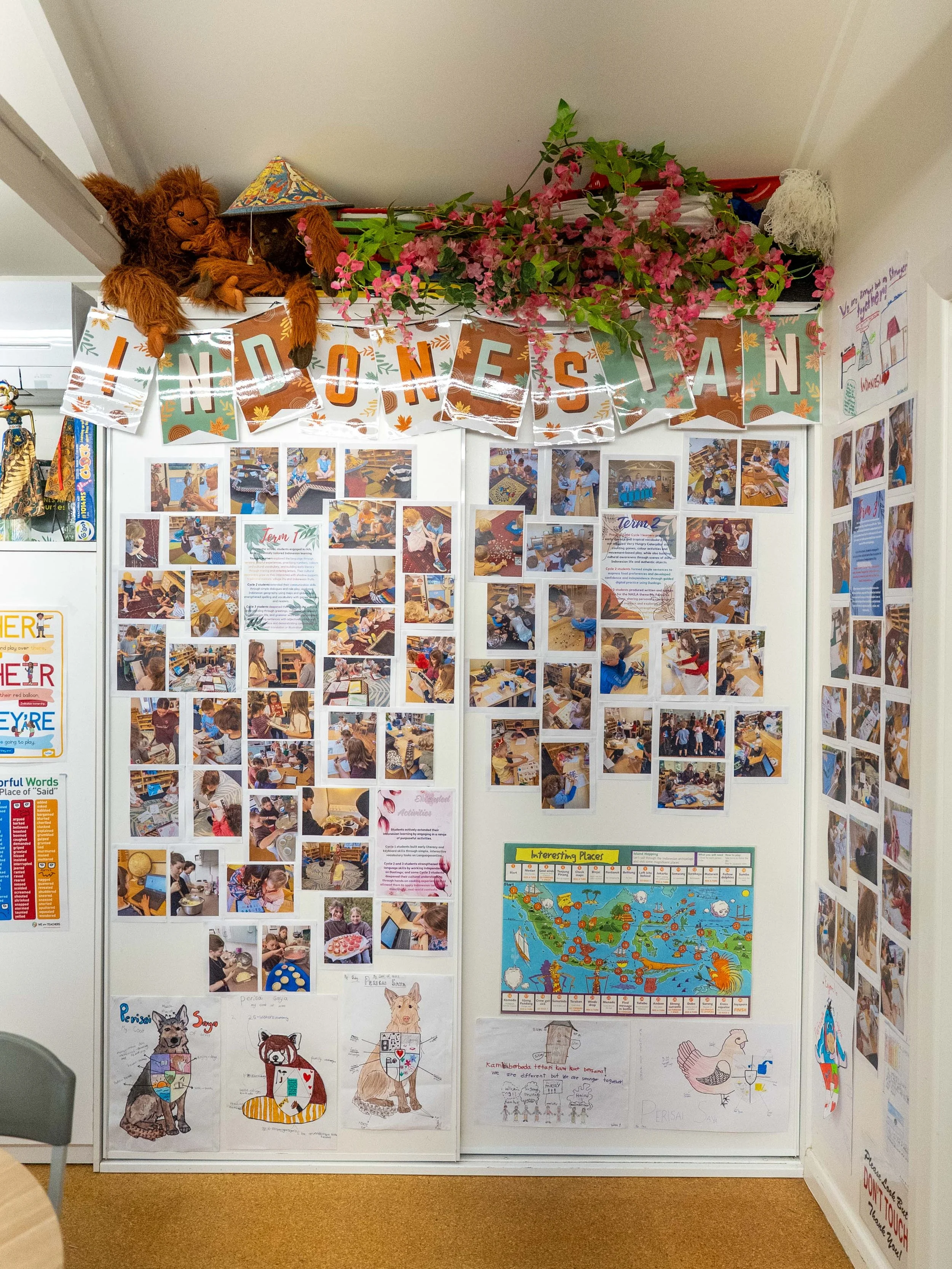
This term’s learning focus centred on Indonesian Independence Day, marking the 81st anniversary of 17 August 1945. Across both Yultiwirra and Wairoa students engaged in a variety sequence of cultural and language activities, deepening their understanding of Indonesia’s history, diversity and national identity.
Some of our class activities are outlined below:
Preschoolers had hands-on fun exploring Indonesia’s cultural diversity by wearing authentic traditional costumes and matching them with their regions of origin. Trying on the costumes prompted some highly imaginative conversations about how it felt to “transform” into someone from another place, encouraging reflection on ‘difference and similarity’, including how people celebrate important events such as their national day.
Most classes watched the excellent SBS documentary, ‘The Spice Story’, which introduced students to the early European spice trade and subsequent colonisation of Indonesia. Students learned and sang the Indonesian National Anthem, later unpacking key vocabulary and discussing how these ideas are reflected in modern Indonesian society.
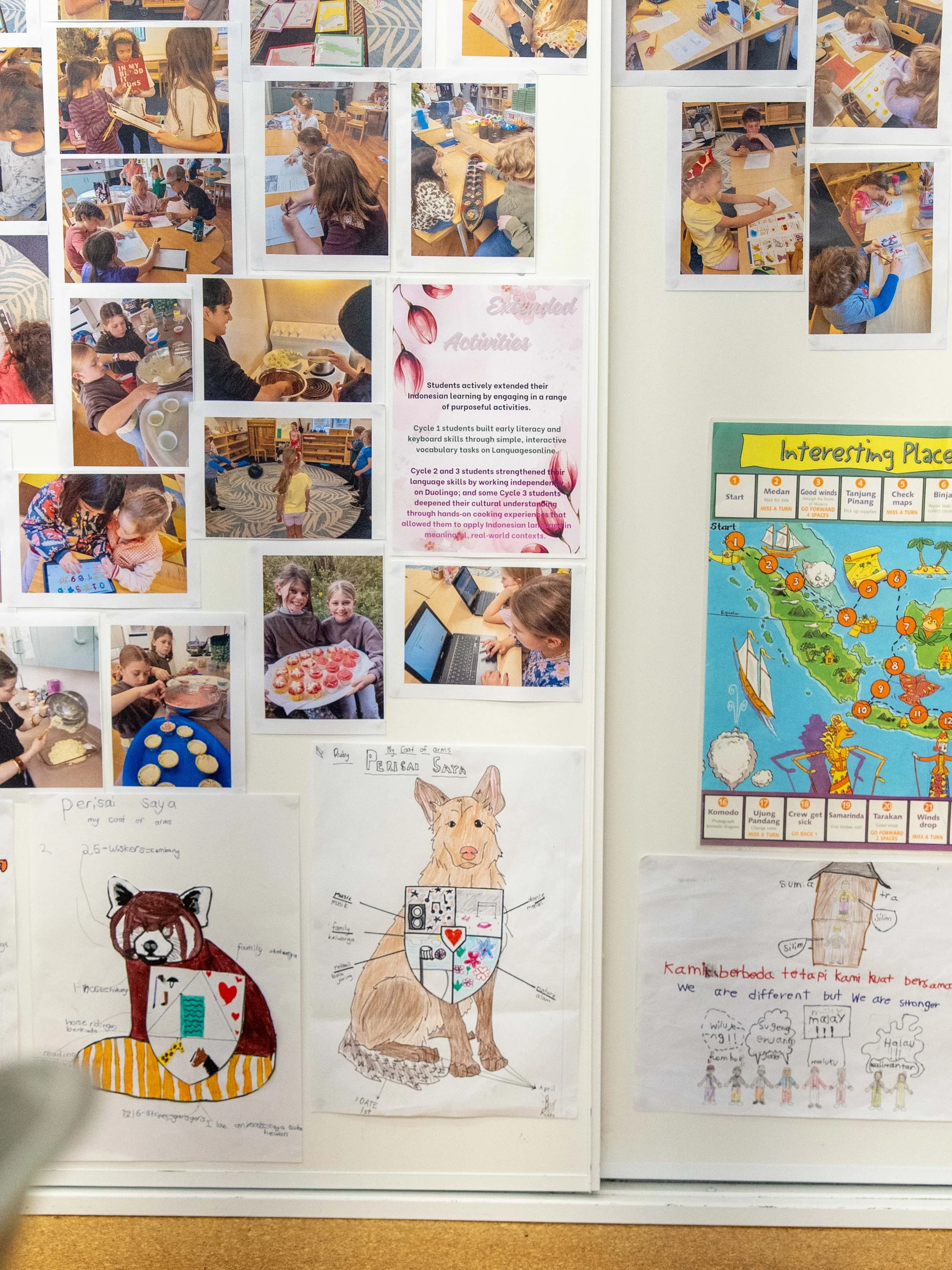
Cycles 1, 2 and Year 7 students focussed on the national motto ‘Bhinneka Tunggal Ika’ (Unity in Diversity), a very topical issue they could also relate to as Australians. Cycle 1 reinforced their growing social and language skills through vocabulary games, songs and simple reading tasks, with some students independently extending their learning through interactive online activities.
Cycle 2s learned the meaning behind the colours of the Indonesian flag, comparing it with symbolism seen in other national flags, including our own. They then designed their own flags, explaining their choices in Indonesian.
Cycle 3s focused on the Indonesian Coat of Arms, investigating the symbolism of each element and considering how the nation’s values are represented visually through it. Students designed their own, personal Coat of Arms expressing their identities, values and communities, once again describing their decisions in Indonesian.
Some of Christine’s class extended their cultural learning by working in small groups to prepare Indonesian dishes to share with classmates. And, without even realising it, learned a valuable lesson in how sharing food and cuisine can unite and centre a diverse community – even one of 250 million, like Indonesia!
Cycle 4s explored the history of the official Indonesian language through inquiry‑based questions to guide deeper research. Students strengthened their translation skills through dictionary work and grammar practice, focusing on accuracy, context and meaning.
This term’s learning invited students to explore culture, identity and community with curiosity and respect. We look forward to building on these experiences next term.
“I really like making ‘Kue Klepon’ because I like rolling them in the dried coconut.”
— Amber
“We found cooking ‘Kue Wingko’ – baked coconut slice, was really fun because we got to learn how to cook Indonesian traditional food. We were very fair on sharing, taking turns and measuring. It was sweet, chewy and thick (in a goodway!)”
— Kokopelli & Jack
Community News
Stay Connected
Following us on social media is a great way to keep up with our school community events, activities and Montessori insights — and to share our stories with grandparents and friends.
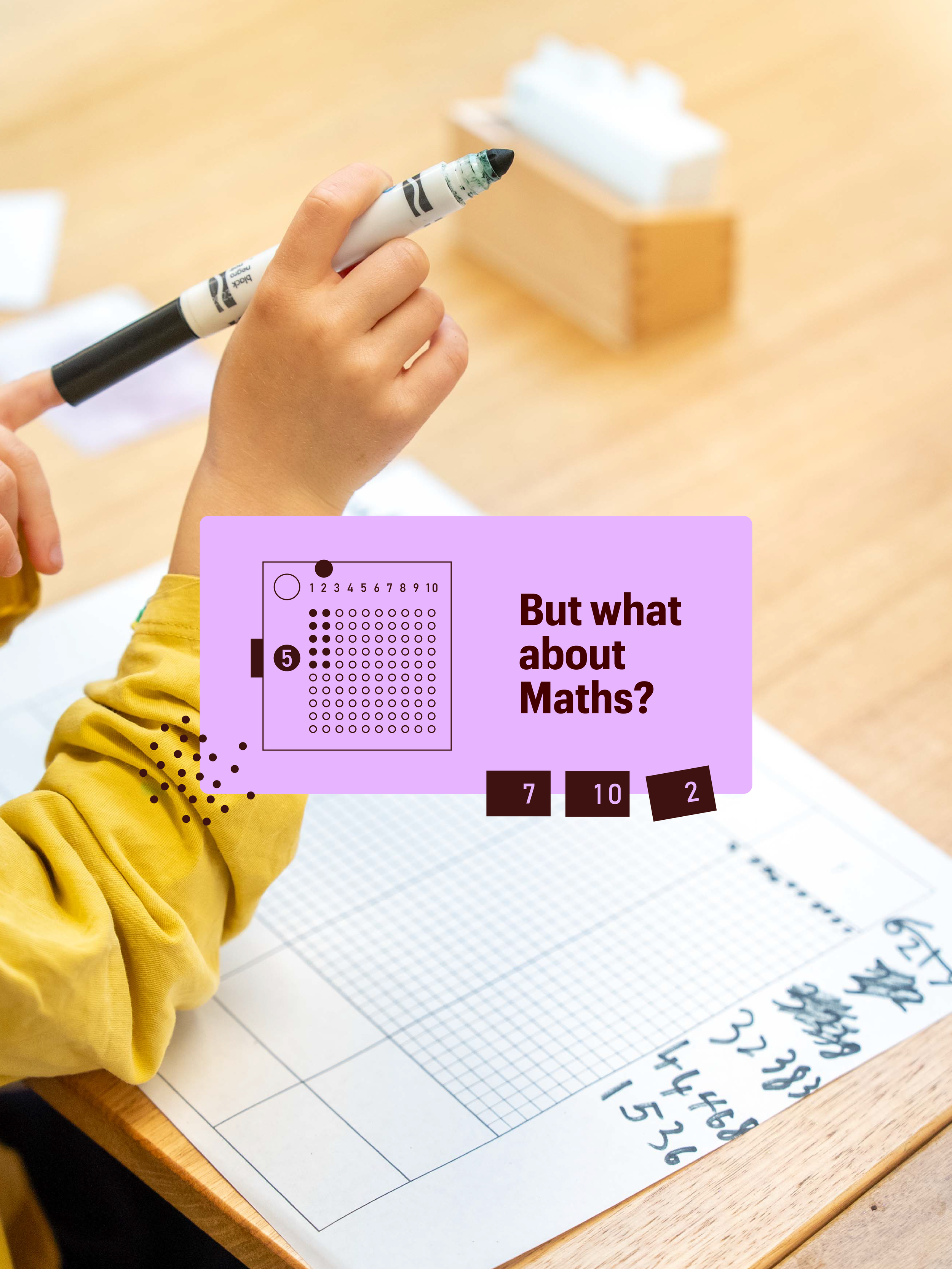

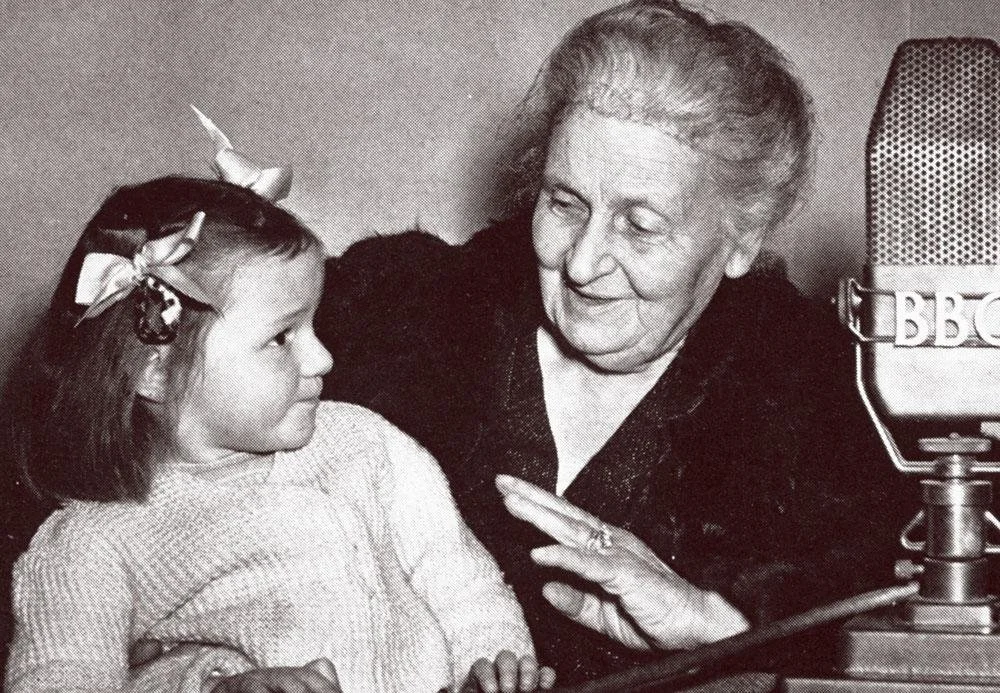
“The first essential for the child’s development is concentration. The child who concentrates is immensely happy.”